KIMBALL NELLLivre Rare Book
7 résultats
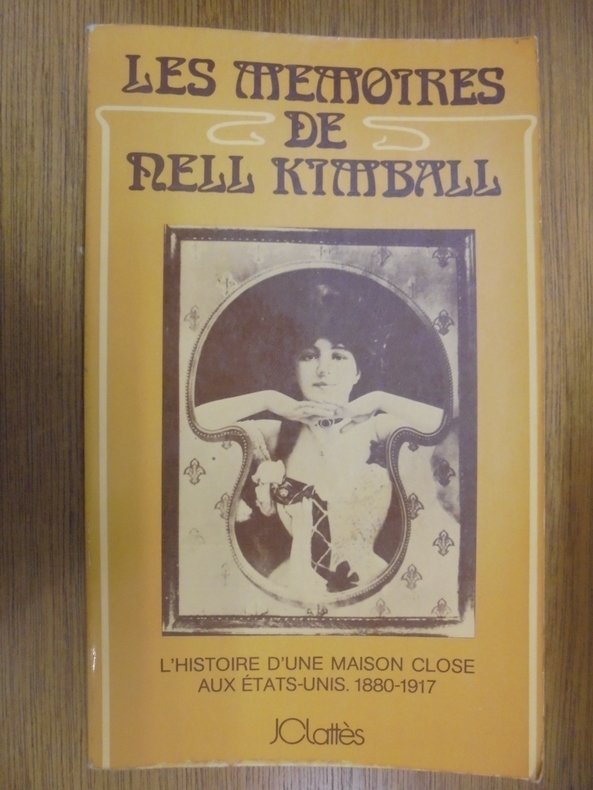
1970BIO770C165JC LATTES, 1978. 355 pages, Traduit de l'americain par MICHEL PETRIS In-8 broché.
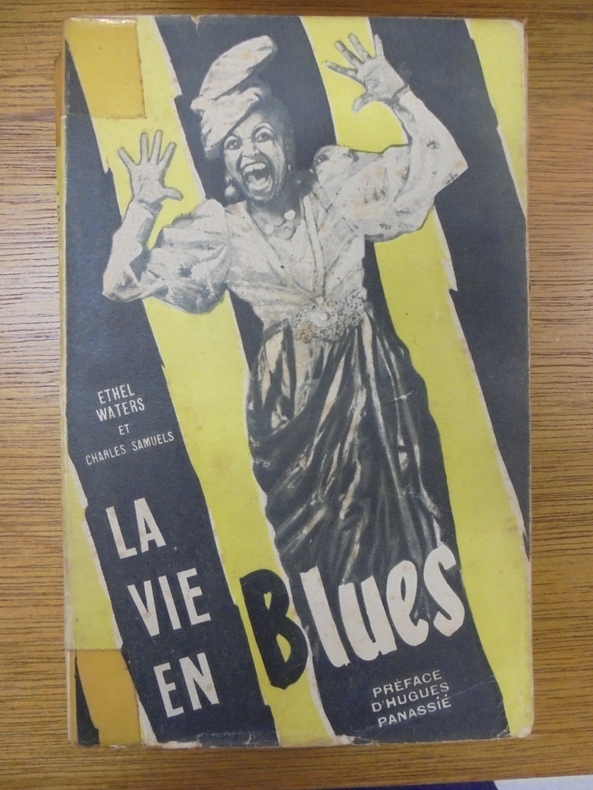
1952HIS3094C165ROBERT LAFFONT. 1952. In-8. Broché. 81 pages. Préface de Hugues Panassié.
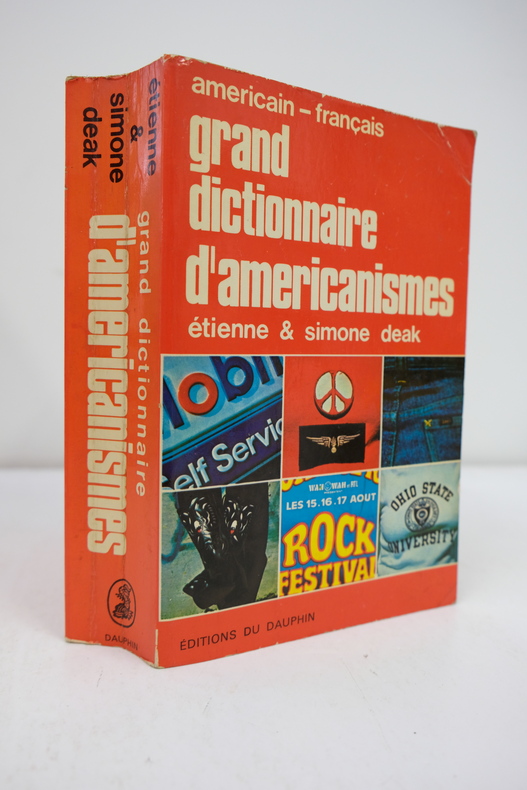
1981DIC17LANGUEEditions Du Dauphin 5emé edition augmenté, 1981. Fort In-8°, Broché, 823 pp.
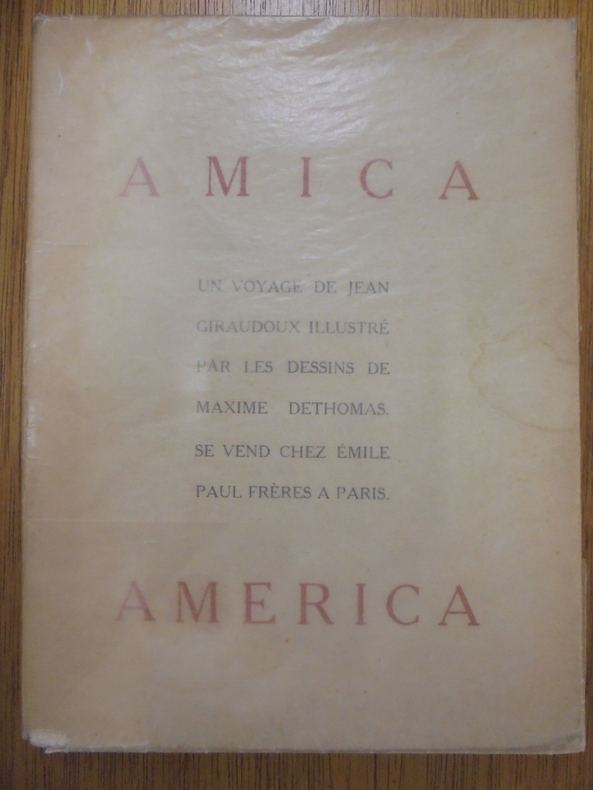
1918VOY411MÉmile-Paul frères, 1918. Paris. 1 volume. In-8 carré. 125 pp. Couverture souple à rabats avec titre en rouge. Illustrations de Maxime DETHOMAS.
1997VOY504M1997, Presses Université Laval. In-8 broché. 355pp.
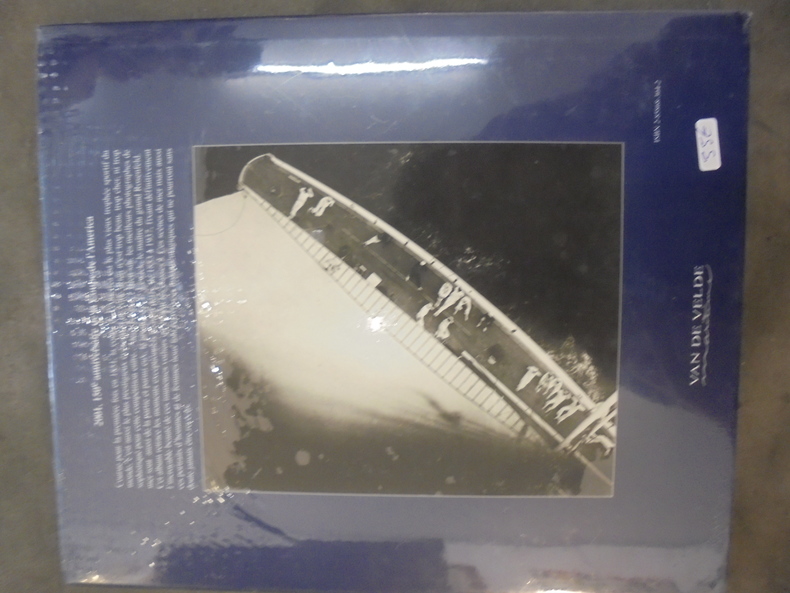
2000ART2929MEditeur : Van de Velde Date de parution : 2000 Description : In-4, 176 pages, relié entoilé avec jaquette parfaite
19580451New York, John Day Company, 1958. First edition. An octavo volume of 217 x 142 mm for 188 pp. Bound in full black publisher's cloth with dust jacket with flaps. Blank covers, author's name, title and publisher written vertically on the spine on a pink background. Dust jacket with a drawing of African-Americans playing drums, black and red on a yellow background. Autograph dedication from Langston Hughes on the first white guard: "For Paula-Lima, with a hearty welcome to our U.S.A. Sincerely, Langston Hughes, New York, July 26, 1960" in turquoise blue pen. The table of contents, at the beginning of the book, was also annotated by Hughes with the same pen p. 11. A major figure in the African-American cultural movement known as the Harlem Renaissance, the poet and novelist Langston Hughes (1901-1967) wrote works depicting the lives of black proletarians shared between joys, disillusions, hope, etc. all tinged with jazz and blues. "Through his work, he sought to show the importance of a "black consciousness" and a cultural nationalism that unites men rather than sets them against each other. This pride was subsequently taken up by many men of letters such as Jacques Roumain, Nicolás Guillén, Léopold Sédar Senghor and Aimé Césaire." (Wikipedia) ******************************************** New York, John Day Company, 1958. En anglais. Édition originale. Un volume in-8 de 217 x 142 mm pour 188 pp. Relié plein tissu noir éditeur avec jaquette à rabats. Plats muets, nom d'auteur, titre et éditeur écrits à la verticale au dos sur fond rose. Jaquette à dessin d'Afro-Américains jouant du tambour, noir et rouge sur fond jaune. Envoi autographe de Langston Hughes sur la première garde blanche : "Pour Paula-Lima, chaleureusement la bienvenue chez nous aux États-Unis. Sincèrement, Langston Hughes, New York, 26 juillet 1960" (traduit) au stylo bleu turquoise. La table des matières, en début d'ouvrage, est également annotée par Hughes avec le même stylo p. 11. Figure majeure du mouvement culturel afro-américain dit de la Renaissance de Harlem, le poète et romancier Langston Hughes (1901-1967) écrivit des œuvres dépeignant la vie des prolétaires noirs partagée entre joies, désillusions, espoir, etc. le tout teinté de jazz et de blues. "Par son travail, il a cherché à montrer l'importance d'une « conscience noire » et d'un nationalisme culturel qui unit les hommes plutôt que les oppose. Cette fierté a par la suite été reprise par de nombreux hommes de lettres comme Jacques Roumain, Nicolás Guillén, Léopold Sédar Senghor ou encore Aimé Césaire." (Wikipédia)