135 résultats
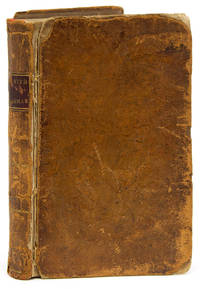
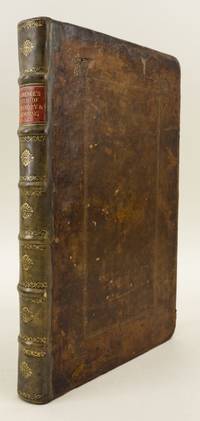
1726ST15736cLondon: Printed for Tho. Woodward by William Bowyer 1726. FIRST EDITION. One of 1000 copies according to Bowyer's ledgers per ESTC. 360 x 222 mm. 14 x 8 3/4". 12 p.l. 456 i.e. 452 pp. 4L2v is numbered 316-320. <br/> Contemporary calf covers with gilt roll frame oblique floral cornerpieces rebacked in olive-brown calf raised bands flanked by scrolling gilt rolls panels with decorative gilt centerpiece red morocco label marbled endpapers and edges neat repairs to head edge and to corners. With engraved frontispiece five small engravings in the text and two engraved plates of plants. Front pastedown with armorial bookplate of Charles Gresley; pp. 286 288-290 with contemporary ink annotations to folded fore margins. Henrey 945; ESTC T146573. ◆Boards with a number of small abrasions but the restored binding sound and perfectly agreeable; isolated faint dust-soiling to head margins other trivial imperfections but the text in very fine condition especially clean crisp and bright and with ample margins.<br/> <br/> Very fresh and bright internally especially for a book expected to incur use in an unprotected context this practical and comprehensive work would have been an indispensable resource for any 18th century husbandman interested in raising livestock and cultivating trees vegetables and fruit. Although the frontispiece depicts the stately Richmond home of the Prince of Wales with its manicured grounds and rows of neatly spaced trees the contents are just as useful to the everyman including "Husbandman Grazier Planter Gardener and Florist." John Laurence 1668-1752 was a fellow at Cambridge before becoming rector of Yelvertoft Northamptonshire where he developed a passion for horticulture while renewing a dilapidated garden there DNB tells us he was especially skilled at growing pears. Laurence wrote three books on the pleasures of gardening while living in Yelvertoft; he later moved to Bishopwearmouth Durham where he wrote the present work--his last and according to Henrey "most ambitious literary project." The author explains how to improve and maintain the land in book I with advice on planting crops and raising different kinds of livestock from cattle to silkworms. He even devotes a few chapters to using land for mines and quarries revealing the "hidden Treasures which lie couched in Nature's Bowels." Book II is devoted to forest and timber trees and books III-V offer a catalogue of fruit trees vegetables and decorative plants to grow in the Fruit Garden Kitchen Garden and Flower-Garden respectively. This is a pleasurable book to leaf through being wonderfully clean throughout and accessible to the modern reader with familiar plants that might be growing in one's backyard today. Printed for Tho. Woodward [by William Bowyer] unknown
179138981791. 13 x 9 inches. Dark brown body colour on prepared paper. Inscribed "N.2.Stück" and "am 9ten Aprill 1791--nach der Natur gezeichnet von JEW" ink collector's stamp "Linel-Smlg. No." followed by pencilled number "1046" all on verso. Framed. Provenance: Linel ink collector's stamp on verso.<br/> <br/> A high quality image that clearly is drawn from life as the inscription claims. The artist's use of a dark prepared ground recalls the work of Barbara Regina Dietsch and her family. A search of Nissen's index of artists reveals one possible name: the Swiss artist Johann Emmanuel Wyss 1782-1837. However the maturity and assurance shown in the present drawing would seem to rule him out: he could have been no older than nine in April 1791. unknown
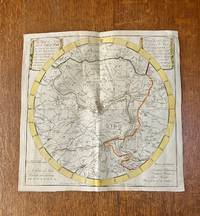
179911699<p>Printed for and sold by A. Taylor & W. Meyler. Bath. 1799. A fine and bright example of this rare map. 17.3 x 17.2 inches. Hand coloured. Paper watermarked 1797. Loosely folded into four but with no damage to the creases or edges. A remarkable survivor in such nice condition. Loosely housed in a modern marbled paper covered drop top box. ---- William Smith created his first geological map around Bath in 1799 widely regarded as the beginning of modern geological mapping and this was the map he used.</p> Printed for and sold by A. Taylor & W. Meyler. Bath. 1799
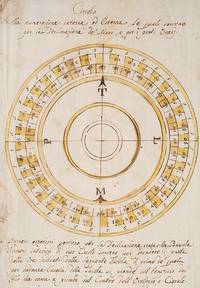
175029158AB1750. Italy c.1750. A4. 22 pages with text diagrams or drawings partly in colour. Original Softcover Folder with original manuscript papers and drawings inside. Majority of the pages with damages and some with loss of text to outer margins. Extremely rare and interesting manuscript also dealing with "Orologi a Sole Guili". paperback
179426925London: Oxford: Brethren's Society for the Furtherance of the Gospel. Very Good with no dust jacket. 1794. First English Edition. Hardcover. Western; Pioneer; AMERICANA; American Indian; We fit archival quality clear acrylic covers for additional protection whenever possible. ; Engraved map; 8vo 8" - 9" tall; xii15912342331 22 pages; Loskiel George Henry TRANSLATED FROM THE GERMAN BY CHRISTIAN IGNATIUS LA TROBE. History of The Mission of The United Brethren among The Indians in North America In Three Parts. Modern full gilt paneled blue morocco spine gilt. With large. Folding Map a few minor repairs. Internally generally clean & crisp with contents VG. This work describes artistic spiritual educational and political values of the American Indians. Considered by Sabin the best authority on the Delawares Nautikokes Shawnee and other tribes in Pennsylvania & New York. The labors of this mission lay chiefly among the Delawares the Nautikokes the Shawanese and other tribes in Pennsylvania and New York upon which it is the best authority both as to tradition and facts having been drawn up from the accounts furnished by Gottlieb Spangenberg and David Zeisberger missionaries among the Indian tribes during forty years. Among the subjects narrated is that of the massacre of Gnaden-hutten and Salem. The translator has omitted some matter relative to former enemies of the mission. Part I. Is divided into eleven chapters whose subject titles indicate a much wider range for the work than the mere report of missions among the Indians. Among them are Hints concerning the Origin of the Indian Nations. ---Of the Language Arts and Sciences known among the Indians. Of their Religious Ceremonies and Superstition. Of their Dress Dwellings and Housekeeping. Marriages and Education of Children. Agriculture and Breeding of Cattle. Of their Manner of Hunting and Fishing. Diseases and Method of Curg Funerals and Mourning. Political Constitution of the Delawares and Iroquois. Indian Manner of making War and Peace. Parts II. And III. Are devoted to the history of the Indians under the charge of the Moravian Mission. Among the subjects is the narrative of that saddest of stories the massacre of Gnadenhutten and Salem ---saddest most atrocious most damnable record of human infamy and bloody shame. A remarkable omission occurs in La Trobes translation. A copy of the first edition had been presented to Zeisberger who expressed the greatest regrets that the names of Eliot McKee and other former enemies of the mission had been recorded as they had since repented. At his request the names of many who had brought terrible misfortunes upon the missionaries and their converts were omitted in this translation. ESTCT88588 Howes L-474; Field 952; Sabin 42110 ; Pilling-2322 Graphics of title page and large folding map available. . Brethren's Society for the Furtherance of the Gospel hardcover
1741001388London: John Millan 1741. Two engraved broadsides - 'A List of His Majesties Royal Navy Shewing When They Were Built & Rebuilt their Several Dimensions and Tonnage with their highest & lowest Compliment of Men ye Number Nature Length & Weight of Guns on ye several Decks of Each Rate' and 'The Pay of the Officers & Men in ye Royal Navy together with the Number in each Rate and their Daily Allowance of Provisions and ye Number of Ships' single sided engraved broadsides. Both cropped to margins with loss to imprint of second mentioned creased from old folds browned with several small chips and tears. First mentioned with significant closed tear from left hand side but missing engraved text with old heavy reinforcing to reverse. The 'Pay' sheet gives detailed summaries including the rates paid to the ships' barber gunners taylor and chaplain. The 'List' sheet covers all rates of ships from First to the smallest yachts as well as hospital and dockyard ships. Both are uncommon the 'Pay' sheet ESTC N490067 shows at the NYPL only and the 'List' sheet ESTC T136812 at the BL and Society of the Cincinnati. First Edition. Unbound. Good. Illus. by Child G. Sculp. Folio. Broadside. John Millan Paperback
1795312011Philadelphia: by and for Colerick & Hunter 1795. First American Edition. a2 B-Z6 Aa-Kk6 Ll4. 399pp. 12mo 6 1/2 x 3 3/4 inches. Original sheep both boards detached ex libris George Vaux with his signature on pastedown and first leaf of preface. First American Edition. a2 B-Z6 Aa-Kk6 Ll4. 399pp. 12mo 6 1/2 x 3 3/4 inches. by and for Colerick & Hunter unknown
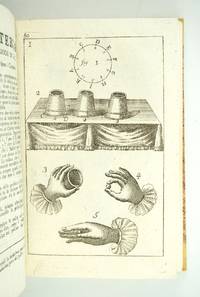
1795ST20614Venice: Giuseppe Orlandelli 1795. Fourth Edition. 180 x 114 mm. 7 x 4 5/8". 154 pp 1 leaf. <br/> Pedestrian 19th century half vellum over pink marbled paper boards smooth spine with old ink lettering. WITH 16 ENGRAVED PLATES SHOWING MAGIC TRICKS and numerous diagrams in the text. Tomash & Williams A56; Riccardi I 15. Marbled paper a little chafed title washed first and last leaf a bit soiled and with repairs at inner and outer margins but no text affected half a dozen other leaves with minor repairs or mounted isolated small smudges or corner creases but still an acceptable copy of a book expected to be found in poor shape--the text clean the impression of the engravings crisp and the binding solid.<br/> <br/> This is a pleasing copy of a rather scarce collection of mathematical puzzles magic tricks and illusions abounding with illustrations and diagrams. Our author Bolognese architect and engineer Giuseppe Antonio Alberti 1712-68 had a varied career which is reflected in his literary output: his publications discuss civil engineering pyrotechnics mathematics and factories among other topics. Described by Tomash and Williams as "the type of book that mischievous uncles like to own" the present work begins with a study of amusing and unusual arithmetic equations and puzzles before discussing magic tricks and illusions including card tricks dice games and even complex stage illusions involving specialized equipment. These are illustrated with a series of delightful copper engravings with labelled mechanisms sometimes operated by lively little figures or disembodied hands with ruffled sleeves. "Giuochi" was first published in Bologna in 1747 and remained in print for a further 20 years after the present edition. Because this is the kind of book that would have been subjected to uncareful use early editions are difficult to find in the attractive condition seen here. Giuseppe Orlandelli unknown
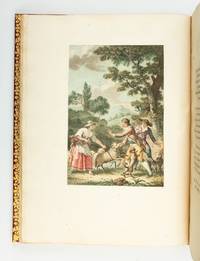
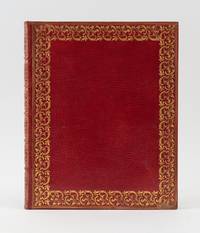
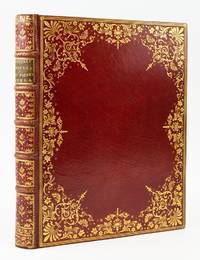
1793ST20474Paris: Defer de Maisonneuve 1793. First Edition with these Illustrations. 350 x 262 mm. 13 3/4 x 10 1/4". 125 pp. <br/> VERY PRETTY 19TH CENTURY CRIMSON MOROCCO ELEGANTLY GILT covers framed with floral tools raised bands spine panels filled with rows of flower-and-lozenge roll gilt lettering gilt turn-ins top edges gilt. FOUR FINE STIPPLE-ENGRAVED PLATES by Colibert and Cazenave after Monsiau PRINTED IN COLORS. A Large Paper Copy. Cohen-de Ricci 400; Furstenberg 122; Lewine p. 188; Maggs 1930 Catalogue of French Illustrated Books 84; Ray p. 145. Occasional minor foxing the margins of one plate foxed a bit more otherwise a fine copy clean and fresh internally with immense margins the plates with pleasing colors and the unworn binding bright with gilt.<br/> <br/> This is an especially tall copy of Florian's pastoral romance in imitation of Cervantes one of the grander French books to be printed in colors when the vogue for such productions took hold during the last years of the 18th century. Ours is one of six such books all printed after 1786 that Ray singles out for praise as "handsome and imposing volumes." A noted painter of both classical and modern subjects Monsiau 1754-1837 was also an illustrator whose "abundant and interesting work in this line" is underrated even though it has the merits of being simple natural lively and piquant. Ray Monsiau's obscurity says Ray may be owing to the fact that he most often worked as a secondary collaborator on major illustrated works; the present book is one of the few he did on his own and it is among his best. Publisher Defer de Maisonneuve did not originate the technique of stipple engraving on copper plates but he did perfect the process which allowed for gradual tonal changes in hues and intensities of color rather than the "stained glass" effect of separately printed patches of color. Given the turmoil of the period when this book was published it is quite likely that it did not have an especially decorative original binding and may have remained in publisher's boards as was often the case. Happily a later owner supplied a period-appropriate binding here that matches the opulence of the contents. While our copy has the engraver's name just visible beneath the plates perhaps disqualifying them as the "avant la lettre" versions used in the Large Paper Copies per Cohen-de Ricci the size of the margins here and the quality of the paper certainly argue for that designation. Defer de Maisonneuve unknown
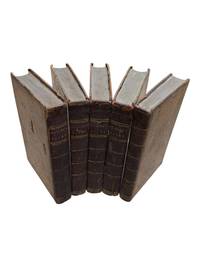
17789147London: Printed for T. Payne at the Mews-Gate 1778. First Tyrwhitt edition. 5 volumes 8vos 310 318 320 336 and 290pp. Contemporary tree calf red spine labels with gilt lettering. Spines dry toned and with a few cracks and chipping at caps. Joints rubbed upper joint in vol 1 cracked but holding. Few contemporary shelving numbers on front pastedowns contemporary inscription to verso of title in vol 1 "Calf leat. Mr. Hodgson." Overall a very good sound set. <br /> <br /> Beautiful 18th century Chaucer which was hailed at the time as the best-edited English classic that had appeared. Tyrwhitt consulted dozens of manuscript versions of Chaucer to put this together in 4 volumes and added a glossary as the 5th volume 3 years later. This set in an untouched period tree calf binding and scarce thus. . Printed for T. Payne at the Mews-Gate unknown
1793W1578Dublin Ireland: P. Wogan P. Byrne J. Moore and W. Jones 1793. Frontispiece vi 2 303 pages. The first printing of the Dublin edition preceded in the same year only by the 2-volume first London edition--both preceding the first U. S. edition published in 1794. The Dublin edition is significant not only for its apparent scarcity but also for the frontispiece an unusual mezzotint portrait of a younger Benjamin Franklin that appears in no other edition and has seldom if ever been reproduced. The clean and tight book has been sympathetically rebacked retaining the original red leather title patch. All edges of the textblock were stained a pale green perhaps when the rebacking was done--the staining intrudes 1/16" onto the top and bottom margins of the frontispiece.Very light and faint foxing throughout; occasional smudges in the margins. Two large but light waterstains to the frontispiece but only minor and relatively unobtrusive intrusion into the image. Missing the front free endpaper. The book's condition is much nicer than it sounds; certainly an acceptable copy for the serious collector. First Dublin Edition. Hardcover. Collectible-Very Good. Small 8vo - over 7¾" - 9¾" Tall. Leather. P. Wogan, P. Byrne, J. Moore, and W. Jones Hardcover
1772ST17890aBirminghamiae: Typis Johannis Baskerville 1772. 300 x 240 mm. 11 3/4 x 9 1/4". 1 p.l. 364 pp. <br/> ELEGANT CONTEMPORARY RED MOROCCO GILT covers with French fillet border and intricate frame of volutes and floral tools raised bands spine compartments with central lozenge radiating lancets from each corner surrounded with small flowers and leaves oblique leafy branch at each corner gilt lettering turn-ins with floral roll marbled endpapers all edges gilt. Front pastedown with armorial bookplate of V. H. Wilmot Esq.; front free endpaper with armorial Glenconner bookplate. Gaskell 46. Lower corner of front board with scarcely noticeable small patch of lost patina and gilt from insect activity just a hint of wear to joints and extremities but still A VERY FINE CONTEMPORARY COPY virtually perfect internally--very clean and fresh with generous margins and in a refined binding with no significant signs of use.<br/> <br/> This is typographically a lovely printing as well as a distinguished edition of Terence in a very handsome contemporary binding. The second century B.C. playwright Terence is believed to have been a native of North Africa enslaved during the Punic Wars. Brought to Rome and given his freedom he joined the cultivated circle of Scipio the Younger. His six extant plays the ancestors of drawing room and modern situation comedies feature crusty fathers rebellious sons and smart aleck slaves whose machinations solve the playwright's intricate complications of plot. The plays were popular throughout the Middle Ages and the Renaissance and still retain their appeal. Dibdin notes that this edition is "printed in the usually beautiful style of the impressions of ancient classical authors" issued by Baskerville. That series known as the Baskerville Quarto Latin Classics began with the first book to be issued by his press: the renowned Virgil praised by Renouard Gaskell Dibdin and other critics for its beauty. In a sheet dated 1760 which Baskerville issued appended to a specimen of his folio Bible the printer discusses his proposed "Baskerville Classics": "Many gentlemen" he says "have wished to see a sett of the Classicks . . . in the Manner Letter and Paper of the 'Virgil' already published" and he vows to print the same with the poetical classics first. These volumes says Reed would "suffice had Baskerville printed nothing else to distinguish him as the first typographer of his time." The beautiful typography the luxurious paper looking and feeling much like vellum and the spacious design combine to give the reader a particularly gratifying feeling of strength and serenity. The stately binding though similar to the French style of the period was likely done in England for 18th century owner V. H. Wilmot. Our copy was later in the collection of Edward Priaulx Tennant 1st Baron Glenconner 1859-1920. Typis Johannis Baskerville unknown
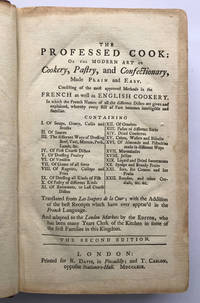
17693726<p>First published as Soupers de la cour in 1755 Menon's work first appeared in English in 1767 in a translation by Bernard Clermont under the title The Art of Modern Cookery Displayed Consisting of the most approved methods of cookery &c. London printed for the translator 1767. This is its first appearance under the new title which was to be retained for the third edition of 1776 in which the translator's name appears on the title-page. With a six-page 'Translator's Apology' in addition to the 'Author's Advertisement'. In his fascinating apology Clermont reveals many of the concerns of the eighteenth century chef while pointing to some of the key differences between English and French cuisine. He also writes about the challenges of translation: 'This Book was published in four small Volumes. I thought it too full of Words and of Repetitions and that the Sense of the Author could be explained without all the volubility of the French Language which I have as much as I was capable supplied with the Expressiveness of the English' p. vi.<br /><br />'Menon's book covers menus hors d'oeuvres entrées and some deserts. An entire chapter is devoted to sherbets or ices and ice cream. Like Marin that other great contemporary of Menon's both placed emphasis on their sauces. Menon's recipes were surprisingly varied coming not only from France but Italy Germany Ceylon and Flanders and used in everything from hors d'oeuvres to deserts' Harrison Une Affaire du Gout 1983.<em><br /></em><br /><em><br /></em><em>8vo 210 x 125 mm pp. xvi xxiv 286; 2 blank ii 289-588 some light browning in text in contemporary calf single filet gilt to covers plain spine with raised bands ruled in gilt spine worn with vertical cracking restoration to spine and corners rather a workaday bit of repair work tending to solidity rather than beauty with the early ownership inscription of M. Findlater on the front endpaper.</em><br /><br />See Harrison <em>Une Affaire du Gout A Selection of Cookbooks</em> 1475-1873 91.<br /><br />ESTC t90913 at BL and Harvard only.</p> R. Davis and T. Caslon
1774ST12037<p>Vicenza: per Gio. Battista Vendramini Mosca 1774. FIRST EDITION. 305 x 216 mm. 12 x 8 1/2". lxxvi pp.</p><p>Original paste paper boards covered in red and green block-printed patterned paper. In a modern red cloth folding box. Frontispiece engraving of the arms of bride and groom engraved allegorical vignettes on title page and at end woodcut head- and tailpieces and foliated initials all done with considerable charm. Spine and head edge just slightly faded a couple of very small snags in backstrip one page with mild thumbing but A SUPERB COPY EXCEPTIONALLY CLEAN FRESH AND BRIGHT both the text and original printed paper wrappers in an almost unbelievable state of preservation.<br /><br />This is a remarkably well-preserved Italian "wedding book" a souvenir produced for friends and guests of a noble bride and groom. It contains a collection of romantic poems by 28 different authors along with engravings of the newlyweds' arms. This kind of book was popular in Italy particularly in the north during the second half of the 18th and early part of the 19th centuries. Such occasional works were produced by printers in the major cities like Venice Vicenza Padua Trento and Milan for assorted noble patrons. Copies of these fête books are to be found today in Italian and Swiss libraries but only two copies of any such volumes are held in North America one by the New York Public Library and one by the Getty. KVK locates four copies of our work one of them damaged in three Italian libraries. The groom here Count Lodovico Tiene or Thiene was a scion of one of Vicenza's most important families. His ancestor also named Lodovico built the Palazzo Thiene that was memorably remodelled by Vicenza's most famous son Andrea Palladio. Our volume was obviously a treasured keepsake that was carefully stored away from light and dust and it looks amazingly like it must have on the day of the happy nuptials.</p> per Gio. Battista Vendramini Mosca
1717ST20754Lyon: Chez Anisson et Posuel 1717. Second Edition. 197 x 125 mm. 7 3/4 x 5". Three volumes. <br/> Pleasing contemporary half calf over paper boards painted to resemble tree calf smooth spines with gilt rules and two citron morocco labels. Attractive woodcut head- and tailpieces throughout WITH 153 ENGRAVED PLATES depicting the scenery flora fauna dress and architecture of locations described. Contemporary ink ownership inscription of De St. George on title page. Brunet V 903; Graesse VII 180. Corners slightly bumped and rubbed joints with just a hint of flaking but the period bindings solid and still extremely attractive survivals. Internally with a handful of quires faintly browned other trivial defects BUT AN UNUSUALLY WELL-PRESERVED SET inside and out.<br/> <br/> This lively narrative of travel at the turn of the 18th century includes a wealth of illustrations and a pleasing period bindings. A professor at the Jardin des Plantes in Paris Joseph Pitton de Tournefort 1656-1708 developed a system of botanical classification that became the standard method until it was superseded by Linnaeus in 1753. He made numerous collecting trips throughout his career; the present work is the record of his most significant voyage through Greece Turkey and along the Black Sea to Armenia and Georgia. The expedition which took place between 1700-02 had been proposed by the Comte du Pontchartrain then Secretary of State in 1699 as both a botanical and commercial endeavor. Tournefort's observations include a wealth of botanical detail but are also a rich source of information about the landscapes and peoples he encountered. He was accompanied on this voyage by German botanist Andreas Gundelsheimer and by the painter Claude Aubriet ca. 1665-1742 who had collaborated with Tournefort on his previous work "Eléments de Botanique." The work of Aubriet a botanical illustrator at the Jardin des Plantes was long appreciated by botanists and laypeople alike for its beauty and accuracy. The detailed depictions of plants here are accompanied by illustrated maps and engravings depicting zoological specimens archaeological sites and the costumes and cultures of the areas visited. The account was published posthumously in 1717 first in Paris and then shortly afterward in the present Lyon edition. The bindings here were never meant to be showy but they have come down to us in a remarkable state of preservation given their pedestrian construction and expected use. Chez Anisson et Posuel unknown
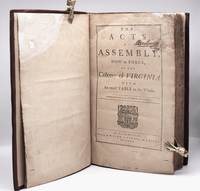
1769W2619Williamsburg Virginia: Printed by W. Rind A. Purdie and J. Dixon 1769. 4 577 1 pages. First and only printing of this important colonial Williamsburg imprint. Late in 1767 the General Assembly authorized a third "revisal" of Virginia laws which meant a compilation of all acts passed since the 1752 "revisal" together with all laws passed prior to 1752 that were still in effect. Ordinarily the contract for printing the book would have been awarded to the official public printer William Rind but Rind's financial straits caused the General Assembly to award the contract to Rind's financially stable competitors the Williamsburg printing company of Alexander Purdie and John Dixon . Perhaps to spare Rind public embarrassment it was decided to advertise the project as a joint venture; thus the names of Rind Purdie and Dixon are listed as printers on the title page. ASSOCIATION COPY: On the title page is the 1784 signature of Alexander Breckinridge 1752-1801 a Virginia surveyor veteran of the Revolution and participant of the 1787 convention on Kentucky statehood. On a blank page in the rear of the book is a form for a legal deed that is written in Breckinridge's hand. In the twentieth century book was sympathetically rebound in full leather with remnants of original leather and original leather title patch laid down. Professional rice paper repairs to margins of many pages; the repairs affect very little text. First Edition Thus. Hardcover. Very Good-. Folio - over 12" - 15" tall. Book. Printed by W. Rind, A. Purdie, and J. Dixon Hardcover
1800409761800. Depicting couples from various regions with accoutrements as named in each lower margin unsigned. Image size: 10 1/2 x 8 3/4 inches. Sheet size: 13 3/8 x 10 3/8 inches The group consists: 1. Di Pesco Costanza Contado di Molise 2. Paese di Sessano Provincia Contado di Molise 3. Massagronica Provincia si Chiete Abruzzo Citra 4. Passe di Monte Aldiero Provincia d'Aquila. This group of watercolours showcases couples from various mountainous villages in the Abruzzo and Molise regions of Italy. Dressed in traditional garb each couple's attire highlights the distinct differences in the dress across this region to the east of Rome as well and the delicately ornate clothing of the time complete with bright colours intricate patterns and fascinating accessories. Each couple is beautifully captured in gauche executed with delicate brushwork and vivid colours that bring the characters to life capturing the essence of each couple's culture and lifestyle. The drawings offer a glimpse into Italy's rich and diverse heritage presenting a window into the customs and traditions of its people through their traditional clothing and accessories. unknown
175751848Amsterdam Petrus Schenk 1757-74. Large folio. 55 x 345 cm. A large uncut copy in contemp. marbled boards spine gone and later backed with buckram original corners in leather a bit bumped. Stamps on foot of first title-page. Halftitel title-pages in red/black with engraved vignettes. 22 engraved leafs with dedications 14;28 pp. and 25 24 large double-page or triple-page folded engraved plates 6 additional plates only sometimes present. With a total of 55 plates. On thick heavy paper wide-margined and internally fine and clean. <br/><br/><em>Second edition. "Tileman van der Horst and Jan Schenk produced the Theatrum Machinarium Univesale one of the most celebrated works on the construction of all those elements so necessary to keeping life dry in Amsterdam the place of the book’s publication. It was perhaps the most important work then produced on dikes sluices dams weirs canals and swing-bridges the very elements of existence in Holland. Jan Schenck was the engraver of this work which may also be the most accurate and the most sumptuously illustrated book of its type in Holland in the 18th century - the technical aspects of the rendering was just superb." - Brunet V1082 - Graesse VII 258. </em> hardcover
17969581Britain: Unpublished 1796. Fine late 18th century English manuscript atlas beautifully drawn almost certainly by a child and offering 68 full-page maps 32 in outline and a further 36 with keyed explanatory apparatus. The manuscript's creator probably in or around London details a colonial-era map of North America California as peninsular entitled 'Ten Northern American Colonies' going no further south than Virginia as well as providing maps of the 'East Indies and China' and a further 'Epitome of the new World' - north and south America as well as maps of England and Europe. We have not identified which printed map of the American colonies 'M.L.S.' was working from. This manuscript atlas is a particularly good example of its kind. The only English county to have its own full map is Middlesex - hence the suggestion of a London origin to the manuscript. The presence of maps of legal circuits in England may suggest a lawyerly family background. Map drawing for children in the 18th century was part of a polite education - the kind undertaken by the Bertram children in Jane Austen's Mansfield Park - and in Britain functioned as a way of understanding imperial expansion and contraction if it were to be acknowledged in the years after 1776. These maps could demonstrate and develop as here the child's skilled draughtsmanship in the copying process which would have drawn upon printed examples available to the child or their tutor. And when completed the atlas could be retained to demonstrate the child's educational achievement - certainly the family involved in the production of this atlas approved of the outcome as they commissioned its attractive tree-calf binding after the manuscript was completed. DESCRIPTION: Attractively bound quarto size manuscript 19x24cm in tree calf spine relaid gilt sun emblems to the backstrip and 'Maps' on a black label. Marbled endpapers; paper with 'GR' watermark and horizontal chainlnes. Written on the the second flyleaf the initials 'MLS'. Manuscript title: 'A System of Geography Consisting of Thirty-Five Maps 1796' no printed analogue to this located. A 'Contents' page follows the title offering a diagram of 'Circles' followed by the 35 maps that cover Europe the Americas North America and South America Ireland Scotland 6 maps of the legal circuits in England the 'War on the Rhine' concluding with 'East Indies and China' West Indies and 'Epitome of the Old World' 'of the New World' 'of England'. Maps drawn in ink on the rectos and explanatory details opposite. Maps 1-32 are each presented twice. The first version presents the topographical outline only; the second also has the apparatus and key. The three epitome maps 33-35 are presented once only with full apparatus. An additional map on watermarked paper from 1800 and also initialled 'M.L.S.' is also laid in. The manuscript runs to pp 144 plus a single leaf laid in & terminal blanks. Please contact Christian White Rare Books Ltd for more information or images of this item 1796 Unpublished unknown
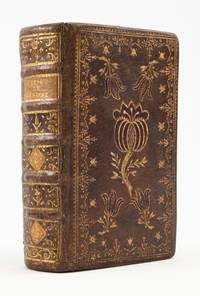
1743ST20461-4Paris: Chez Grange 1743. 136 x 85 mm. 5 5/8 x 3 1/4". 6 p.l. 592 8 pp. <br/> VERY PRETTY CONTEMPORARY PARISIAN BROWN MOROCCO GILT AND INLAID BY THE "ATELIER À LA TULIPE" covers with floral frame accented with heart tool pierced by two arrows a large pomegranate of gilt-tooled inlaid dark red morocco at center four inlaid red morocco tulips at each corner raised bands spine compartments with small gilt botanical tool at center two of these on inlaid tan morocco lozenges tan morocco label marbled endpapers all edges gilt. Text in French and Latin in parallel columns. Front pastedown with ex-libris of Jean Fürstenberg; verso of front free endpaper with early ink inscription: "Bibl. Schol." With a handwritten note once tipped onto the final page of daily prayers with handwritten Latin prayers in a contemporary hand. For the binding: Foot "Henry Davis Gift" III 179 Davis 561; Michon "Les Reliures Mosaiquées du XVIIIe siècle" pp. 51-2 and no. 223. Corners a little rubbed front free endpaper creased one leaf with old thin marginal glue stain from once tipped-in manuscript prayers that are now laid in one lower corner torn away costing a few letters at the ends of seven lines on each side other minor defects from devoted use but an excellent specimen nevertheless the text generally clean and with nothing approaching a major defect and the unsophisticated binding very well preserved.<br/> <br/> This prayer book in French and Latin comes in a charming binding by a workshop Michon dubbed "Atelier à la tulipe" after the distinctive three-petalled flower that appears on the covers here. Foot records a 1752 edition of "Heures Nouvelles" in a binding nearly identical to ours: a large central pomegranate on the covers with a tulip in each corner a delicate gilt frame and a spine in six compartments with a gilt flower or fruit at center in two cases as here on inlaid citron morocco. According to Michon the "tulipe" workshop active from 1740 to 1785 was closer in style to Derome than to Padeloup though it had its own distinctive style one which emphasized harmonious mosaic designs. The pomegranate that dominates the boards is a Catholic symbol of the Passion of Christ and is often featured in Renaissance paintings of the Madonna and Child. This symbolism was no doubt meaningful to the early owner given the signs here of devoted use: in addition to text neatly marked with "" signs at the places where one should make the sign of the cross this person also tipped in a leaf with seven neatly written short prayers in Latin for protection and purification to be said while one is washing getting dressed and preparing for the day ahead. Even dedicated use could not dim the beauty of our binding which attracted the eye of collector and connoisseur Jean or Hans Fürstenberg 1890-1982 a discriminating bibliophile of refined taste who assembled one of the great collections of the 20th century especially rich in fine and historic bookbindings and noted for its outstanding condition. Although not common bindings from this atelier nevertheless appear at auction from time to time invariably in small format like the present book and generally commanding significant sums of money as a typical example and good comparable a 1761 "Heures Royales" of precisely the same size and basic decoration as ours sold in 2017 at Alde for €2375. Chez Grange unknown
1772ST18628bBirminghamiae: Typis Joannis Baskerville 1772. First Baskerville Edition. 310 x 260 mm. 11 7/8 x 9 3/4". 1 p.l. 200 221-372 pp. but complete. <br/> SUPERB CONTEMPORARY RED MOROCCO LAVISHLY GILT IN THE STYLE OF DEROME covers with wide dentelle frame composed of botanical elements and many small tools raised bands spines gilt in compartments with central floral sprig surrounded by acorns flowers stars and dots volute cornerpieces green morocco labels gilt turn-ins marbled endpapers all edges gilt. Front pastedowns with engraved bookplate of P. Dupont and with morocco heraldic book label. Gaskell 44. ◆A breath of rubbing to extremities title page a little browned final page a bit foxed other trivial imperfections but AN EXCEPTIONALLY FINE COPY internally clean smooth and bright and in a sparkling binding.<br/> <br/> This is the impressive quarto edition of a trio of great Roman love poets in a premier binding befitting the elegant printing. In a sheet dated 1760 which Baskerville issued appended to a specimen of his folio Bible the printer discusses his proposed "Baskerville Classics": "Many gentlemen" he says "have wished to see a sett of the Classicks . . . in the Manner Letter and Paper of the 'Virgil' already published" and he vows to print the same with the poetical classics first. The present items are from what turned out to be seven Baskerville quarto printings of the classics mostly done late in the printer's career but according to Reed bearing "the marks of unabated genius." These volumes says Reed would "suffice had Baskerville printed nothing else to distinguish him as the first typographer of his time." In the present works the stately typography the luxurious paper textured but feeling rather like vellum and the spacious design combine to give the reader a particularly gratifying feeling of strength and serenity. The extraordinarily smooth surface of our leaves provides a tactile experience not available from any other 18th century printer Bodoni included. The beautiful binding here is unsigned but is clearly the product of a first-rate workshop; while it is not uncommon to see a volume from the Baskerville quartos in a decorative contemporary binding the present one would have a place in the front row of any assemblage. Typis Joannis Baskerville unknown
1784055973Konstantiniyye Constantinople: Müteferrika's Basmahâne Dâru't-Tibâati'l-Ma'mûre Râsid ve Vâsif Efendiler Matbaasi. AH 1198 = 1784 CE. 1784. 1st Edition . Leather. Very Good. Folio - over 12 - 15" tall. Bound in original full brown calf with flap miklep by Muteferrika Printing House. Folio. 32 x 22 cm. In Ottoman Turkish Old Turkish with Arabic letters. 2 6 238 leaves. The text is framed with a text block measuring 25.5 x 14.5 cm. Each page contains 33 lines. Printed on a special European watermarked paper acquired during the Ibrahim Müteferrika era. As traditionally done in Islamic bookmaking the title of the book is handwritten along the lower edge. Two leaves containing pp. 90-94 likely completed from another copy with trimmed margins loosely inserted. Occasional foxing on some pages otherwise a fine and well-preserved copy. Exceedingly rare first and only edition of the 19th incunabulum published by the pioneer of book printing in the Islamic world and founder of the first Turkish press Ibrahim Müteferrika 1672-1745 under the direction of his first heirs after his death. In this rare work -the first book published by Rasid and Vâsif Efendis the initial successors of Müteferrika- the events between 1730 and 1744 are chronicled a period during which Ottoman-Habsburg relations were defined by major military conflicts and shifting diplomatic alliances culminating in the Austro-Turkish War 1737-1739 and the Treaty of Belgrade. Following the Treaty of Passarowitz in 1718 the Habsburg Monarchy had expanded its territories into the Balkans acquiring regions such as the Banat of Temesvár northern Serbia including Belgrade and parts of northern Bosnia. However the Ottoman Empire sought to reclaim these territories. The opportunity arose during the Russo-Turkish War 1735-1739 when Austria allied with Russia against the Ottomans leading to the Austro-Turkish War of 1737-1739. The wars concluded with the Treaty of Belgrade 18 September 1739 the Battle of Grocka 21-22 July 1739 the Siege and Capture of Belgrade July -18 September 1739. The first war was a decisive Ottoman victory over the Habsburg forces near Belgrade. The defeat had a substantial psychological impact on the Habsburg court and led to a re-evaluation of their military strategy. Following the victory at Grocka Ottoman forces besieged and recaptured Belgrade a strategic city previously under Habsburg control. These events between 1730 and 1744 significantly impacted the balance of power in Eastern Europe and shaped the subsequent interactions between the Ottoman Empire and the Habsburg Monarchy. "Ibrahim Müteferrika 1674-1745 was an Ottoman müteferrika court official printer publisher author and translator of Hungarian origin. He was the first person in the Ottoman Empire to establish a printing press and publish books in Turkish. In 1720 when Nevsehirli Damat Ibrahim Pasha sent Yirmisekiz Mehmed Çelebi as ambassador to Paris Mehmed Çelebi took his son Mehmed Said Efendi along with him. While Yirmisekiz Mehmed Çelebi's embassy report sefâretnâme provided important information about France his son did not remain idle and contributed to the transfer of many innovations to the Ottoman Empire. During his stay in Paris Mehmed Said Efendi visited a printing press and decided to pursue similar efforts upon returning to Istanbul. After his return he met Ibrahim Müteferrika and together they began working to establish a printing press. Their idea was supported by Grand Vizier Nevsehirli Damat Ibrahim Pasha. Permission to open the press was granted on the condition that only non-religious works would be printed. They obtained a fatwa legal opinion from the Seyhülislam Abdullah Efendi allowing the printing of secular books and an imperial edict ferman of approval from Sultan Ahmed III. On December 16 1727 the foundation was laid for the first printing house named Dârü't-Tibâati'l-Âmire. Machines and Latin-alphabet type were imported from abroad. The source of the Arabic script types is unclear though there is evidence that Müteferrika produced them himself. <br/> <br/> Müteferrika's Basmahâne, Dâru't-Tibâati'l-Ma'mûre (Râsid ve Vâsif Efendiler Matbaasi., AH 1198 = [1784 CE]. hardcover
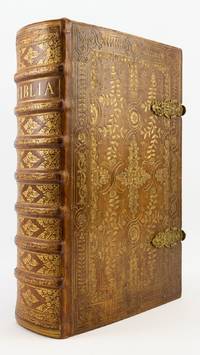
1768ST19422Nuremberg: Johann Andrea Endterischen 1768. 460 x 295 mm. 18 1/4 x 11 1/2". 17 p.l. 11 48 2 2 3-8 3 9-190 2 191-740 pp.; 512 pp.; 2 2 3-190 2 191-480 18 pp. Three parts bound in one volume. <br/> STRIKING CONTEMPORARY SMOOTH CALF LAVISHLY GILT in the entrelac style covers with frame and compartments formed by gilt-ruled strapwork and filled with floral designs and lace-like ornaments of massed volutes and small tools raised bands spine compartments with central bouquet of pomegranate and flowers with massed floral tools on either side gilt lettering brass clasps featuring images of King David and St. Paul gilt-tooled turn-ins marbled endpapers all edges gilt and gauffered with pomegranates and flowers older repair to front joint alongside top compartment. Extra engraved title page woodcut headpieces and historiated initials 47 engraved plates comprised of: copperplate portraits of Luther and 11 Electors; 11 section titles each with 11 vignettes; nine full-page engraved depictions of Moses the Prophets and the Evangelists; seven full-page plates engraved with 12 vignettes six double-page maps and two double-page engravings. Front pastedown with ornate heart-shaped bookplate of Adam Melchior Dæumer dated 1784. ◆Two-inch crack to head of rear joint a bit of rubbing to joints and extremities a handful of quite minor dark spots to boards isolated trivial smudges or stains internally other insignificant imperfections but still a fine specimen--THE CONTENTS EXCEPTIONALLY CLEAN BRIGHT AND FRESH and the remarkable binding entirely solid and bright with gilt.<br/> <br/> This is an especially pleasing copy of the last and most extensive edition of the very popular and sumptuously illustrated Weimar Electors' Bible offered here in an impressive contemporary binding. Known as the "Kurfürstenbibel" because of its portraits of the Electoral Princes called "Kurfürsten" in German it was originally prepared for Ernst I Duke of Saxe-Gotha and Altenburg as a celebration of Martin Luther's Bible translation. Editions were issued by the Endters one of the prominent German printing families beginning in 1641. In addition to portraits of Luther and the Protestant princes of Germany the present edition contains the maps views and illustrated half-titles by Jacob van Sandrart and others first used in the edition of 1686. Our copy contains four maps and views not found in other copies of this edition showing the eastern Mediterranean and Palestine as well as both a map and a view of Jerusalem. The size of our volume puts a great strain on the binding which has nevertheless stood the test of time remarkably well. The overall decoration is exuberant the delicate gauffering lovely and the original straps remarkably well preserved. Johann Andrea Endterischen unknown
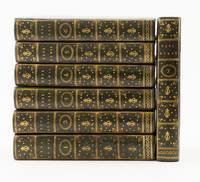
1775ST17825Paris: Joseph-Gérard Barbou rue Mathurins 1775. 163 x 96 mm. 6 3/8 x 3 3/4". Seven volumes. Edited by J. N. Lallemand; preface by Jean Baptiste Louis Crévier. <br/> EXTREMELY ATTRACTIVE CONTEMPORARY GREEN ARMORIAL MOROCCO perhaps by Derome covers with triple gilt rule border central gilt coat of arms of the Blanche family featuring a seated fox with one paw raised above it a row of three five-pointed stars smooth spine divided into compartments containing a gilt lyre surrounded by stars and dots floral sprigs at corners volume number within a laurel wreath gilt lettering marbled endpapers all edges gilt. With printer's two-swans device on title pages volume I with frontispiece portrait engraved by L. J. Cathelin after J. C. Philips. With pencilled note on front flyleaf attributing the binding to Derome. Brunet III 1108 "Edition estimée"; Dibdin II 171. For the binding: Olivier Pl. 2279. ◆Spines slightly and uniformly sunned very light shelf wear to bindings occasional faint foxing in volume IV but A SUPERB SET almost entirely absent of any signs of use.<br/> <br/> This is a fine-paper copy in a binding both charming and handsome of what Dibdin deems "a truly beautiful and accurate edition" of Livy's Roman history. Brunet called it an "esteemed edition" and notes that fine paper copies like the present set sold for twice what regular copies cost. First printed by Sweynheym and Pannartz in 1469 the "Histories" of Titius Livius Patavani 59 B.C. - 17 A.D. follow the rise of Rome from the founding of the city through its triumphs in the Punic Wars and up through the reign of the author's contemporary emperor Augustus. His account is notable for its emphasis on the glorious triumphs and accounts of heroism of the Romans stemming in his eyes from their virtue; his history is intended not just to inform but also to elevate the reader. The present edition according to Dibdin builds on the fine editions edited by Crevier and Drakenborch incorporating their useful notes and additions. It was beautifully printed by Joseph-Gérard Barbou 1723-90 scion of a family that had begun printing in Lyon in 1529 moving to Paris in 1540. Joseph apparently specialized in Latin classics producing editions of Cicero Lucretius Pliny Caesar and Martial among others. The fine binding here does not have Derome's ticket but is well executed enough to make the attribution written in at front plausible. There were no fewer than 18 members of the Derome family not to mention workshop associates who made their livings as binders in Paris from the middle of the 17th century until the first quarter of the 19th. Our binding is tasteful--perfect for a scholarly edition of a classic--and conceivably the work of one of the Deromes or of an extremely competent associate. Olivier attributes our armorial stamp to the 18th century Blanche family of Burgundy and he finds it on a copy of Barbou's 1771 Sallust in the library of Madame la Comtesse de Cossé. The "country house" condition of the present set suggests an aristocratic owner more concerned with owning fine books than with reading them. [Joseph-Gérard] Barbou, rue Mathurins unknown
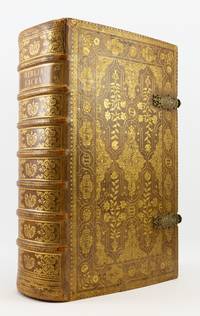
1752ST19424Stockholm: Tryckt af Henrick Christoph Merckell 1724-28; Peter Jöranson Nyström 1752. 422 x 275 mm. 16 5/8 x 11". 30 p.l. 1 leaf section title 234 2 section title 235-604 2 section title 605-908 2 section title 909-1387 1 pp.; 4 p.l. 300 4 301-666 pp. <br/> STATELY CONTEMPORARY CALF INTRICATELY GILT IN THE FANFARE STYLE over bevelled wooden boards covers with strapwork frame containing lilies and floral garlands central panel with strapwork rows of floral crosses the spaces between with floral sprays emerging from urns very expertly rebacked preserving original backstrip raised bands spine compartments with flowers-and-pomegranate centerpieces floral cornerpieces gilt lettering two decorative brass clasps catch plates and original straps turn-ins with lattices and floral ornaments marbled endpapers edges gilt and delicately gauffered. Five section titles with engraved vignettes. With ink presentation inscription celebrating the baptism of Claës Georg Listromer on 20th November 1604 and expressing the hope the Book will bring him wisdom as he grows signed by Claës Lindman dated 17th September 1605. A 20th century Swedish inscription below tracing the book's descent through generations of the Listromer family into the 1920s. Darlow and Moule 8821 8826. Slight variations in color of the leather Ffff8 with lower corner torn away not affecting engraving occasional faint offsetting but AN EXTREMELY CLEAN FRESH COPY in a binding bright with gilt.<br/> <br/> This impressively bound Swedish Bible was a baptism gift that clearly would have outweighed its recipient as Swedish law at the time required an infant be baptized within the first eight days of life. Although hardly practical for personal devotion and study the majestic tome was a treasured heirloom passed down in the same family for 200 years. The beautiful fanfare style seen here emerged in France in the 16th century but remained very popular in Northern Europe into the 18th century particularly for large "lectern" Bibles like the present item. The text here is an extensively annotated edition of the 1618 Gustave II Adolf Bible prepared by a father and son both named Johannes Gezelius who served successively as Bishop of Åbo. The New Testament was first printed in that city in 1711-13 the Old Testament in Stockholm in 1724-28. In our copy the New Testament is a 1752 reprinting. Tryckt af Henrick Christoph Merckell, 1724-28; Peter Jöranson Nyström unknown