73 résultats
200040983New Haven & Vienna: Yale / DuMont 2000. First American Edition. Folio 32cm.; publisher's boards in pictorial dust jacket; 256pp.; photographic portrait frontispiece color illus. throughout. Some light shelf wear else Very Good to Near Fine. Exhibition catalog. Yale / DuMont unknown
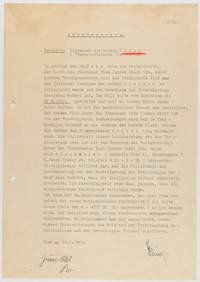
194027131940. Punched twice at the left edge. In fine condition. 1 page typed document. <p><br /> Important document about the Nazi-looted and subsequently privately sold Klimt’s masterpiece the Water Serpents II.<br /> <p><p><br /> Gustav Klimt’s Water Serpents II was painted between 1904 and 1907 and was originally commissioned for and owned by Jenny Eugenie Steiner neé Pulitzer; 1863–1958 the wife and at the time of the issue of the present document already the widow of a wealthy Viennese Jewish industrialist. The painting was apparently an asset of the late husband’s silk company “Brüder Steiner†as it is referred to in the document. In June 1938 after the Anschluss under the threat from the Nazis Jewish herself Jenny Steiner fled from Vienna and the painting together with several of her valuable tangibles including other works by Klimt and Egon Schiele was confiscated as Jewish property.<br /> <p><p><br /> In 1940 three of Steiner’s Klimt paintings including the Water Serpents II were offered on the sale of the leading Viennese auction house Dorotheum 458. Kunstauktion March 4–6.; the two other paintings were the Country House by the Atteree and the Portrait of Mäda Primavesi. Fleckner 2017 However by the intervention of Josef Bürckel then Gauleiter of Vienna the painting was withdrawn from the auction and sold privately to the Nazi filmmaker and alleged illegitimate son of Klimt Gustav Ucicky 1899–1961 through his second wife Inge Ingeborg Davis. The picture remained in Ucicky’s possession until his death in 1961 when his third wife Ursula née Kohn; b. 1922 inherited it. <br /> <p><p><br /> In 2013 Ursula Ucicky in agreement with the heirs of Jenny Steiner sold the Water Serpents II through Sotheby’s sharing the income 50/50. The painting reached the price of $112 million at the time the 6th most expensive painting in the world and the most expensive Klimt painting by then to be sold.<br /> <p><p><br /> The present typewritten and signed secretarial note Aktenvermerk. Betrifft: Ölgemälde des Malers Klimt “Wasserschlangenâ€Â was written on behalf of Hermann Drum 1911–1945 the administrative assistant Adjutant of Josef Bürckel the Gauleiter and later Reichsstatthalter too of Reichsgau Vienna in office as Gauleiter from 30 January 1939 as Reichsstatthalter from April 1 1940 until 2 August 1940 in regard the withdrawing from the auction and the private sale of Klimt’s Water Serpents II. See also in Lillie’s Was einmal war; note that in the book the intervener erroneously ascribed as Reichsstatthalter Baldur von Schirach in fact it was Gauleiter Bürckel. In the text Drum’s secretary summarizes how the painting ended up at the Dorotheum sale with the estimated value of 6000 Reichsmark states the wish of the Gauleiter that the painting should be sold privately to Mrs. Ucicky and delineates a plan developed together with dr. Deigelmaier an official from the local revenue service for withdraw and sell the painting out of the sale if an appropriate purchase offer would be made privately “ich halte einen Preis von 8–9000 RM für angemessen†/ “I think a price of 8–9;000 RM is reasonableâ€. The secretary misspells the name “Ucicki†and also mixes up the family relations claiming Mrs. Ucicky the descendant of Klimt.<br /> <p><p><br /> Rare and important document related to one of the most well-known Nazi-looted pictures. <br /> <p><p><br /> Literature: Fleckner U. et al. Markt und Macht Der Kunsthandel im »Dritten Reich«. De Gruyter 2017. pp. 304–9; Lillie S. Was einmal war: Handbuch der enteigneten Kunstsammlungen Wiens. Czernin 2003.<br /> <p>. unknown
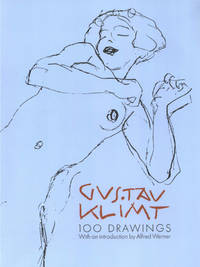
1972Q-0486224465Dover Publications 1972-06-01. Paperback. New. New. In shrink wrap. Looks like an interesting title! Dover Publications paperback
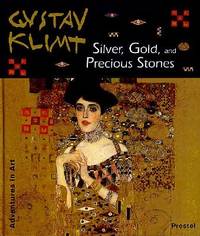
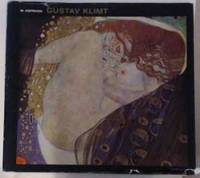
2000Q-3791323288Prestel Pub 2000-04-01. Paperback. New. In shrink wrap. Looks like an interesting title! Prestel Pub paperback
1991BN49487Dortmund: Harenberg-Edition 1991. 2. Auflage. <br/><br/>Kunst Dortmund: Harenberg-Edition unknown
1968C84873FREDERICK A PRAEGER. As New. 1968. Hardcover. FREE UPGRADE to Courier/Priority Shipping Upon Request - IN STOCK AND IMMEDIATELY AVAILABLE FOR SHIPMENT - AS NEW THE TEXT BLOCK IS PRISTINE CLEAN UNMARKED AND IN EXCELLENT CONDITION - - Corresponds to ASIN: B000UCOIR4. 424 pages; well-illustrated in color and black and white. 4to. Catalogue Raisonné Catalogue Raisonne Catalog Raisonnee Complete Works -- with a bonus offer-- - May be EITHER: out of print OOP and extremely rare in this pristine condition; signed by author or contributor; or a first or special edition; inquire for details . FREDERICK A PRAEGER hardcover
196884873FREDERICK A PRAEGER. As New. 1968. Hardcover. FREE UPGRADE to Courier/Priority Shipping Upon Request - IN STOCK AND IMMEDIATELY AVAILABLE FOR SHIPMENT - AS NEW THE TEXT BLOCK IS PRISTINE CLEAN UNMARKED AND IN EXCELLENT CONDITION - - Corresponds to ASIN: B000UCOIR4. 424 pages; well-illustrated in color and black and white. 4to. Catalogue Raisonné Catalogue Raisonne Catalog Raisonnee Complete Works FREDERICK A PRAEGER hardcover
1991BN54496Köln: Taschen 1991. Orig.-Ausgabe EA. <br/><br/>Kunst Köln: Taschen unknown
1997BN49733Köln : Taschen 1997. Erstauflage EA. <br/><br/>Biographie Köln : Taschen unknown
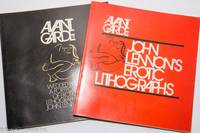
1970300953New York: Avant-Garde Media 1970. Magazine. Two copies of the issue variant covers 70p. 10.75x11.25 inches illustrated with photos and artworks essays articles reviews poetry fiction light wear to covers else very good magazines in variant black & red pictorial wraps. The contents are identical. separate covers. No indication of priority. Avant-Garde Media unknown
197224575London: Studio Vista/Dutton 1972. Price-clipped dj moderately edgeworn. Owner's bookstamp at verso of front flyleaf. Plain cardboard slipcase present. Also includes galerie St. Eteinne and "Gutsav Klimt Dokumentation" promotional material. Overall quite clean and tight. Careful packing and fast efficient shipping including delivery confirmation. Please note: International and Domestic Priority orders for this item will require additional shipping. . Hard Cover. Very Good/Very Good. Studio Vista/Dutton Hardcover
1959006119New York: Galerie St. Etienne 1959. Book. Near Fine. Stapled Wrappers. First Edition. Important catalog for the first American exhibition of Gustav Klimt's paintings in April of 1959. Near Fine a bit of sunning at spine. scant foxing front end page. 28 pp. 13 black and white plates and one color plate. With a 3 page introductory essay by Galerie St. Etienne founder Otto Kallir."Gift Of" stamp title page of Mr. and Mrs. Pal Kelemen Norfolk Connecticut. Pal Keleman was an archaeologist art historian and international art lecturer as well as the author of numerous books concerning art history and studies. Galerie St. Etienne Paperback
199910987VB1999. Saur 1999. 770 S. Hardcover. Versand aus Deutschland / We dispatch from Germany via Air Mail. Einband bestoßen daher Mängelexemplar gestempelt sonst sehr guter Zustand. Imperfect copy due to slightly bumped cover apart from this in very good condition. Stamped. hardcover
1922KLIMTGUS000943Thyrsos Verlag Leipzig & Wien. 1922. First edition. Fifty 28 x 21 cm card sheets reproducing Klimt's drawings of women some erotic in nature. Hermann Bahr's Vorwort is printed as an eight-page quarto pamphlet. The plates and the pamphlet are loose within the publisher's vellum-backed card portfolio stamped in gilt and red.Number 279 of 375 copies. Inside the upper cover of the portfolio is the pictorial bookplate of Eva and Otto Freund. The latter was a Director of the National Bank in Prague where he sat at the artist's request for portraits by Egon Schiele. Freund's wife Eva was an opera singer of some repute and also the subject of a portrait by Schiele.The portfolio is a bit rubbed at the corners. The plates are all in fine state. Thyrsos Verlag, Leipzig & Wien. hardcover
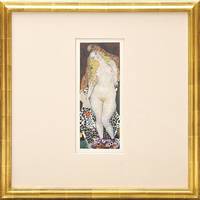
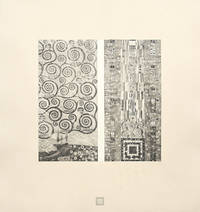
1931182248Vienna: Osterreichischen Staatsdruckerei 1931. One of 30 prints from the Eine Nachlese/Dernière gerbe/An Aftermath portfolio. Max Eisler 1881-1937 the publisher of this print was an art historian at Vienna University who published the first Klimt monograph in 1914. He intended Eine Nachlese to complement Das Werk the only folio set produced in Klimt's lifetime which was overseen by Klimt up to 1913. The collotype produces fine tonal gradations sharp detail and a continuous-tone effect unmatched by most other photomechanical processes. However the surface of the gelatin-coated plate is extremely delicate and can break down under friction or over-inking. Plates wear out quickly giving a short print-run and maintaining consistent humidity during printing is crucial - even small fluctuations can ruin the plate. As a result collotype printing is slow exacting and vulnerable to failure but when successful it yields some of the finest printed images ever produced. Edition of 500. Collotype in colours on chine colle paper laid down on heavy cream wove paper with untrimmed deckled edges. Image size: 31.6 x 11.2 cm. Sheet size: 48 x 45.5 cm. Framed size: 59 x 56.3 cm. Presented in a handmade gold leaf frame with conservation acrylic glazing. Small public library stamp lower left minor spotting to margins otherwise in excellent condition. unknown
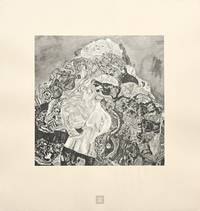
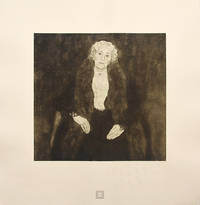
1931142902Vienna: Österreichische Staatsdruckerei 1931. Edition of 500. One of 30 prints from the Eine Nachlese portfolio. Max Eisler 1881-1937 the publisher of this print was an art historian at Vienna University who published the first Klimt monograph in 1914. He intended Eine Nachlese to complement Das Werk the only folio set produced in Klimt's lifetime which was overseen by Klimt up to 1913. Fragile hand-printed collotype plates cannot be reused so the run must be completed on the first go and in only a limited number. The complicated lengthy process involves gelatin colloids mixed with dichromates. Thin 16-colour separation glass filters achieve the light-sensitive internegative images which capture the original tonal gradations. These are exposed to actinic light. Finally the delicate chine colle paper allows for greater colour saturation. Dark grey monochrome collotype on chine colle paper laid down on heavy cream wove paper with untrimmed deckled edges. Image size: 29.3 x 29.5 cm. Sheet size: 48 x 45.5 cm. Excellent condition. unknown
1931187325Vienna: Osterreichischen Staatsdruckerei 1931. One of 30 prints from the Eine Nachlese/Dernière gerbe/An Aftermath portfolio. The first reproduction of Klimt's original painting created in 1914-16. The painting sold on 18 November 2025 at Sotheby's for $236.4m. The first reproduction of Klimt's original painting created in 1914-16. The painting sold on 18 November 2025 at Sotheby's for $236.4m this is the second most expensive painting ever. Max Eisler 1881-1937 the publisher of this print was an art historian at Vienna University who published the first Klimt monograph in 1914. He intended Eine Nachlese to complement Das Werk the only folio set produced in Klimt's lifetime which was overseen by Klimt up to 1913. The collotype produces fine tonal gradations sharp detail and a continuous-tone effect unmatched by most other photomechanical processes. However the surface of the gelatin-coated plate is extremely delicate and can break down under friction or over-inking. Plates wear out quickly giving a short print-run and maintaining consistent humidity during printing is crucial - even small fluctuations can ruin the plate. As a result collotype printing is slow exacting and vulnerable to failure but when successful it yields some of the finest printed images ever produced. Edition of 500. Collotype in colours on chine colle paper laid down on heavy cream wove paper with untrimmed deckled edges. Image size: 31.6 x 24.4 cm. Sheet size: 48 x 45.5 cm. Framed size: 59 x 56.3 cm. Presented in a handmade gold leaf frame with conservation acrylic glazing. Support paper cleaned otherwise in excellent condition. unknown
1931142900Vienna: Österreichische Staatsdruckerei 1931. Edition of 500. One of 30 prints from the Eine Nachlese portfolio. Max Eisler 1881-1937 the publisher of this print was an art historian at Vienna University who published the first Klimt monograph in 1914. He intended Eine Nachlese to complement Das Werk the only folio set produced in Klimt's lifetime which was overseen by Klimt up to 1913. Fragile hand-printed collotype plates cannot be reused so the run must be completed on the first go and in only a limited number. The complicated lengthy process involves gelatin colloids mixed with dichromates. Thin 16-colour separation glass filters achieve the light-sensitive internegative images which capture the original tonal gradations. These are exposed to actinic light. Finally the delicate chine colle paper allows for greater colour saturation. Dark sepia monochrome collotype on chine colle paper laid down on heavy cream wove paper with untrimmed deckled edges. Image size: 29.5 x 29.9 cm. Sheet size: 48 x 45.5 cm. Excellent condition. unknown
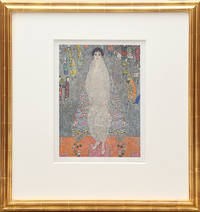
1931170055Vienna: Österreichische Staatsdruckerei 1931. One of 30 prints from the Eine Nachlese portfolio. Max Eisler 1881-1937 the publisher of this print was an art historian at Vienna University who published the first Klimt monograph in 1914. He intended Eine Nachlese to complement Das Werk the only folio set produced in Klimt's lifetime which was overseen by Klimt up to 1913. The collotype produces fine tonal gradations sharp detail and a continuous-tone effect unmatched by most other photomechanical processes. However the surface of the gelatin-coated plate is extremely delicate and can break down under friction or over-inking. Plates wear out quickly giving a short print-run and maintaining consistent humidity during printing is crucial - even small fluctuations can ruin the plate. As a result collotype printing is slow exacting and vulnerable to failure but when successful it yields some of the finest printed images ever produced. Edition of 500. Collotype in colours on chine colle paper laid down on heavy cream wove paper with untrimmed deckled edges. Image size: 26.7 x 30.8 cm. Sheet size: 48 x 45.5 cm. Framed size: 59 x 56.3 cm. Presented in a handmade gold leaf frame with conservation acrylic glazing. Excellent condition. unknown
1931142899Vienna: Österreichische Staatsdruckerei 1931. Edition of 500. One of 30 prints from the Eine Nachlese portfolio. Max Eisler 1881-1937 the publisher of this print was an art historian at Vienna University who published the first Klimt monograph in 1914. He intended Eine Nachlese to complement Das Werk the only folio set produced in Klimt's lifetime which was overseen by Klimt up to 1913. Fragile hand-printed collotype plates cannot be reused so the run must be completed on the first go and in only a limited number. The complicated lengthy process involves gelatin colloids mixed with dichromates. Thin 16-colour separation glass filters achieve the light-sensitive internegative images which capture the original tonal gradations. These are exposed to actinic light. Finally the delicate chine colle paper allows for greater colour saturation. Dark grey monochrome collotype on chine colle paper laid down on heavy cream wove paper with untrimmed deckled edges. Image size: 27.3 x 27.7 cm. Sheet size: 48 x 45.5 cm. Excellent condition. unknown
1931142898Vienna: Österreichische Staatsdruckerei 1931. Edition of 500. One of 30 prints from the Eine Nachlese portfolio. Max Eisler 1881-1937 the publisher of this print was an art historian at Vienna University who published the first Klimt monograph in 1914. He intended Eine Nachlese to complement Das Werk the only folio set produced in Klimt's lifetime which was overseen by Klimt up to 1913. Fragile hand-printed collotype plates cannot be reused so the run must be completed on the first go and in only a limited number. The complicated lengthy process involves gelatin colloids mixed with dichromates. Thin 16-colour separation glass filters achieve the light-sensitive internegative images which capture the original tonal gradations. These are exposed to actinic light. Finally the delicate chine colle paper allows for greater colour saturation. Dark grey monochrome collotype on chine colle paper laid down on heavy cream wove paper with untrimmed deckled edges. Image size: 27.2 x 32 cm. Sheet size: 48 x 45.5 cm. Excellent condition. unknown
1931142896Vienna: Österreichische Staatsdruckerei 1931. Edition of 500. One of 30 prints from the Eine Nachlese portfolio. Max Eisler 1881-1937 the publisher of this print was an art historian at Vienna University who published the first Klimt monograph in 1914. He intended Eine Nachlese to complement Das Werk the only folio set produced in Klimt's lifetime which was overseen by Klimt up to 1913. Fragile hand-printed collotype plates cannot be reused so the run must be completed on the first go and in only a limited number. The complicated lengthy process involves gelatin colloids mixed with dichromates. Thin 16-colour separation glass filters achieve the light-sensitive internegative images which capture the original tonal gradations. These are exposed to actinic light. Finally the delicate chine colle paper allows for greater colour saturation. Dark grey monochrome collotype on chine colle paper laid down on heavy cream wove paper with untrimmed deckled edges. Image size: 27 x 30.7 cm. Sheet size: 48 x 45.5 cm. Excellent condition. unknown
1931142897Vienna: Österreichische Staatsdruckerei 1931. Edition of 500. One of 30 prints from the Eine Nachlese portfolio. Max Eisler 1881-1937 the publisher of this print was an art historian at Vienna University who published the first Klimt monograph in 1914. He intended Eine Nachlese to complement Das Werk the only folio set produced in Klimt's lifetime which was overseen by Klimt up to 1913. Fragile hand-printed collotype plates cannot be reused so the run must be completed on the first go and in only a limited number. The complicated lengthy process involves gelatin colloids mixed with dichromates. Thin 16-colour separation glass filters achieve the light-sensitive internegative images which capture the original tonal gradations. These are exposed to actinic light. Finally the delicate chine colle paper allows for greater colour saturation. Dark grey monochrome collotype on chine colle paper laid down on heavy cream wove paper with untrimmed deckled edges. Image size: 27.2 x 29.4 cm. Sheet size: 48 x 45.5 cm. Excellent condition. unknown
1931182262Vienna: Österreichische Staatsdruckerei 1931. One of 30 prints from the Eine Nachlese/Dernière gerbe/An Aftermath portfolio. Max Eisler 1881-1937 the publisher of this print was an art historian at Vienna University who published the first Klimt monograph in 1914. He intended Eine Nachlese to complement Das Werk the only folio set produced in Klimt's lifetime which was overseen by Klimt up to 1913. The collotype produces fine tonal gradations sharp detail and a continuous-tone effect unmatched by most other photomechanical processes. However the surface of the gelatin-coated plate is extremely delicate and can break down under friction or over-inking. Plates wear out quickly giving a short print-run and maintaining consistent humidity during printing is crucial - even small fluctuations can ruin the plate. As a result collotype printing is slow exacting and vulnerable to failure but when successful it yields some of the finest printed images ever produced. Edition of 500. Collotype in colours on chine colle paper laid down on heavy cream wove paper with untrimmed deckled edges. Image size: 28 x 30.7 cm. Sheet size: 48 x 45.5 cm. Framed size: 59 x 56.3 cm. Presented in a handmade gold leaf frame with conservation acrylic glazing. Small public library stamp lower left minor spotting to margins otherwise in excellent condition. unknown
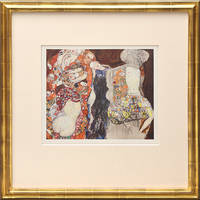
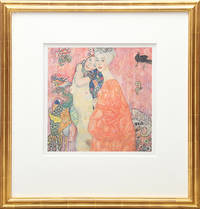
1931187329Vienna: Osterreichischen Staatsdruckerei 1931. One of 30 prints from the Eine Nachlese/Dernière gerbe/An Aftermath portfolio. The first reproduction of Klimt's original painting. Die Freundennen was one of 16 original paintings by Klimt which were destroyed on 8 May 1945. The paintings were in storage in the Schloss Immendorf a 16th century castle in Lower Austria which was set on fire by a retreating tank division of the German army. Max Eisler 1881-1937 the publisher of this print was an art historian at Vienna University who published the first Klimt monograph in 1914. He intended Eine Nachlese to complement Das Werk the only folio set produced in Klimt's lifetime which was overseen by Klimt up to 1913. The collotype produces fine tonal gradations sharp detail and a continuous-tone effect unmatched by most other photomechanical processes. However the surface of the gelatin-coated plate is extremely delicate and can break down under friction or over-inking. Plates wear out quickly giving a short print-run and maintaining consistent humidity during printing is crucial - even small fluctuations can ruin the plate. As a result collotype printing is slow exacting and vulnerable to failure but when successful it yields some of the finest printed images ever produced. Edition of 500. Collotype in colours on chine colle paper laid down on heavy cream wove paper with untrimmed deckled edges. Image size: 29.5 x 30 cm. Sheet size: 48 x 45.5 cm. Framed size: 59 x 56.3 cm. Presented in a handmade gold leaf frame with conservation acrylic glazing. Excellent condition. unknown