Jan SawkaLivre Rare Book
652 résultats
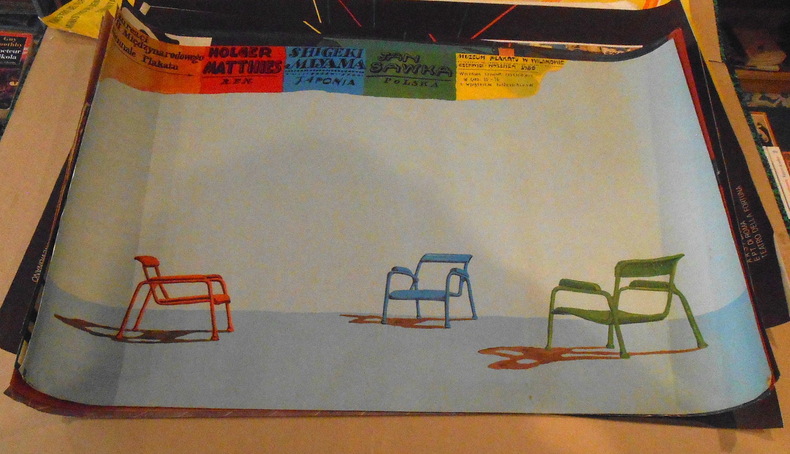
198022675Varsovie, Musée Plakatu, 1980. Affiche non entoilée, 65,5 cm x 97 cm. Affiche de Jan Sawka pour la Biennale du Musée Plakatu présentant Trois graphistes Holger Matthies, Shigeki Miyama et Jan Sawla. Très bon état
192538214Paris Plon-Nourrit 1925 in-12 broché
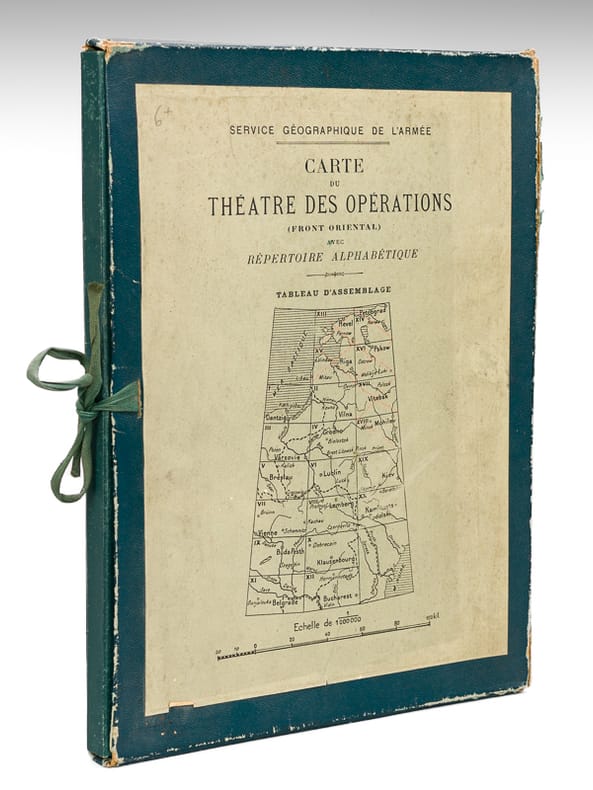
19156442220 cartes sur feuillet doubles et 2 vol. in-4 br. de 55 et 18 pp. sous étui cartonné et chemise (avec le tableau général d'assemblage : Carte du Théâtre des Opérations (Front oriental) à l'échelle du 1.000.000e avec Répertoire alphabétique, s.d. [ circa 1915 ] [ Contient les cartes des zones suivantes : ] Dantzig ; Vilna ; Varsovie ; Grodno ; Breslau ; Lublin ; Lemberg ; Buda-Pesth ; Klausenburg ; Belgrade ; Bucharest ; Revel ; Petrograd ; Riga ; Pskov ; Vitebsk ; Mohilev ; Kiev ; Kamienets ; Podolski
193321864Paris, Plon, collection Byblis, 1933 ; in-8, chagrin maroquiné prune, dos à nerfs soulignés de filets à froid et dorés, titre doré, filet doré d'encadrement des plats, double filet doré d'intérieur, tête dorée, non rogné, couverture imprimée en orange et noir et dos conservés (rel. de l'époque) ; 208 pp., [4] ff. les 2 derniers blancs, 12 compositions hors-texte en couleurs, avec serpentes, de Manuel Orazi, y compris le frontispice.
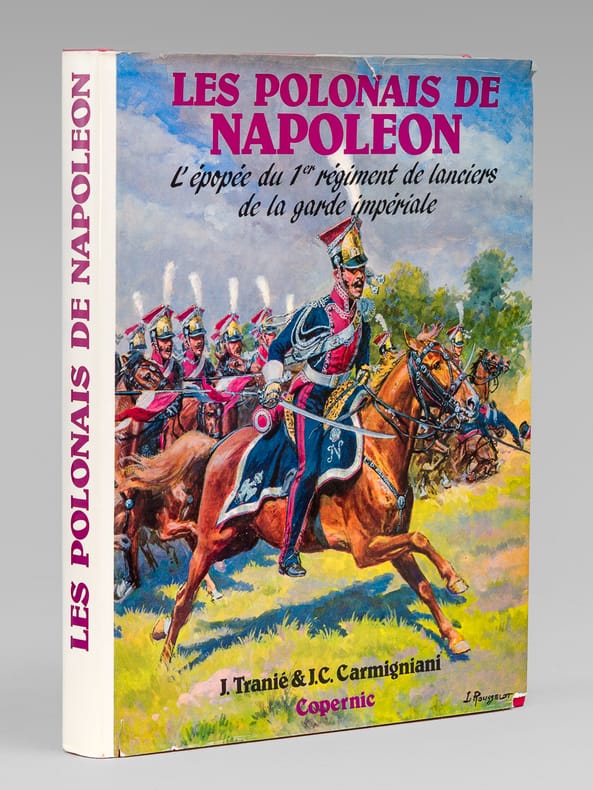
1982696331 vol. petit in-4 cartonnage éditeur sous jaquette illustrée, Copernic, Paris, 1982, 179 pp.
1938wq852Essener Verlaganstalt Relié 1938 "Rare volume relié en toile (17 x 25cm) 732 pages numérotées, puis 4 pages non paginées de table des matières, suivie d'une carte dépliable de l'Europe de l'Est ; ouvrage abordant la ""question juive"", l'Allemagne nazie et les persécutions raciales et antisémites en Europe de l'Est à cette époque, illustrations, cartes et photos en noir et blanc ; reliure légèrement frottée et pliée au dos, quelques taches de rousseur, bon état général. Livraison a domicile (La Poste) ou en Mondial Relay sur simple demande."
1985644381 vol. in-folio green editor's binding, Zakopane Krakow, Polskie Towarzystwo Przyjació Nauk o Ziemi Wymiary, 1985, 4 ff., 32 and 14 folding maps
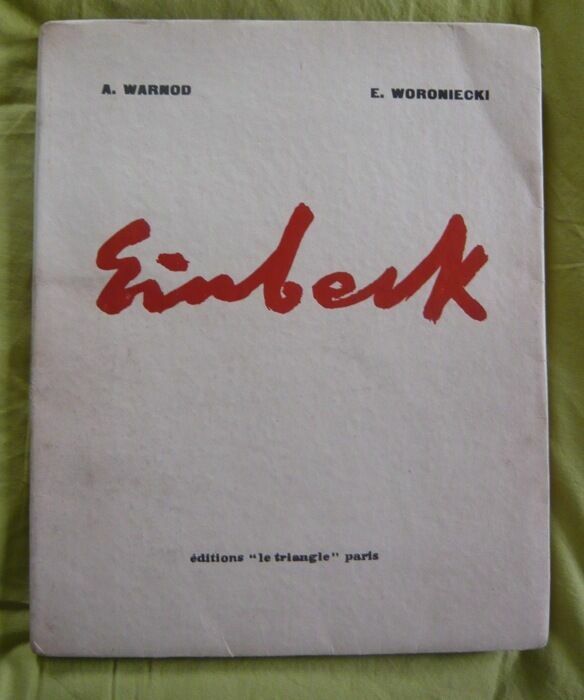
191949241919. Paris éditions Le Triangle 1919 - Couv. rempliée broché 23 5 cm x 29 cm 24 pages + 32 32 ills hors-texte noir & blanc - Texte de A. Warnod et E. Woroniecki - Edition limitée à 417 ex. Un des 90 sur papier Arches (n° 54). - Etude et biographie de ce peintre polonais dans la mouvance de Matisse - Non coupé - De la collection de Marcel Bekus - Bon état
1916S114018We Lwowie [Lwow], nakl. Towarzystwa dla Popierania Nauki Polskiej z Funduszu Boleslawa Orzechowicza 1916 Complete in 2 volumes, xxvii,544 + 661 pp., with illustrations out of text, original softcovers (some foxing and small stains), pages are still uncut, text is clean and bright, text in Polish, [Commemorative book for Boleslaw Orzechowicz (1847-1927), a Polish art collector and mecenas], weight: 2.4kg., S114018
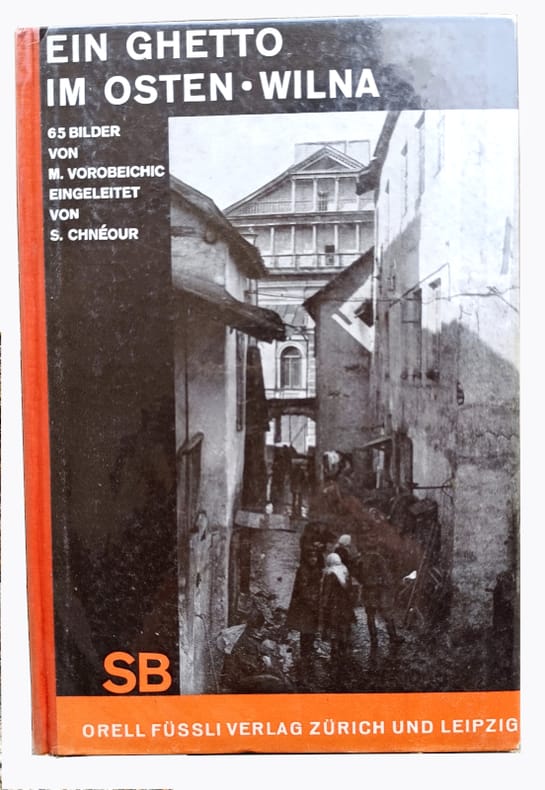
1931ec43Orell Füssli Verlag Cartonnage 1931 DOCUMENT PHOTOGRAPHIQUE RECHERCHÉ SUR LE GHETTO DE VILNIUS DONT LA POPULATION QUI QUASIMENT ENTIÈREMENT EXTERMINÉE PAR L'ALLEMAGNE NAZI. Livre de photographies de 1931, In-8 (3 cm sur 19,4 cm), couvertures illustrées, dos toile orange, 7 pages d'introduction en allemand, suivi de 64 planches (certaines planches comportent plusieurs photographies) de photographies hors-texte. Le livre à pour quatrième de couverture, la couverture en yiddish puis la traduction du texte d'introduction de 7 pages en yiddish également, le livre peut donc être pris dans les deux sens ; bel exemplaire. Livraison a domicile (La Poste) ou en Mondial Relay sur simple demande.
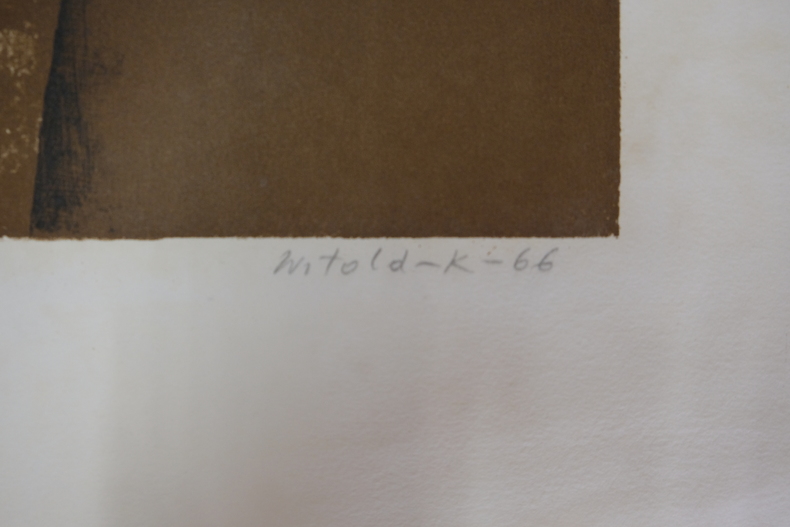
1966est276t7Dimension extérieur : 66 x 49 cm. Image : 50 x 37,5 cm. Lithographie de 1966 réalisée par l'artiste Witold-K. En très bon état général, bords simplement peu précis et reste de tâches visible au bas après la restauration . Exemplaire 35/50.
1968UUI-12563In-8 broché, Éditions Pierre Belfond, 1968, 230 pp. Légèrement gauchi, dos ridé et légèrement insolé, intérieur frais. Bon état général, bon exemplaire de l’édition originale, un des 30 numérotés sur vélin de Rives, seul grand papier. Poids 400 g. Envoi lettre verte. Frais d’envoi 6 euros sur la France, 12,90 euros pour l’étranger (tarifs de base hors envois suivis). Possibilité de remise en mains propres sur Paris, possibilité d’envoi MONDIAL RELAY, n'hésitez pas à me contacter avant de passer commande. Twitter : @Pontneuf06.
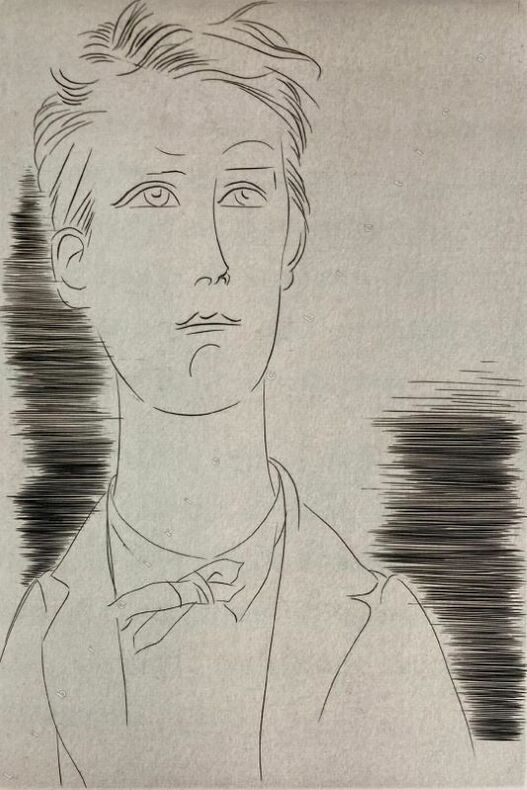
1967241011967 Paris, Galerie Alice Juillard, Lacourière, 1967, in-folio en feuilles, couverture titrée rempliée, pointe sèche de Louis Marcoussis numérotée, 16 pages.
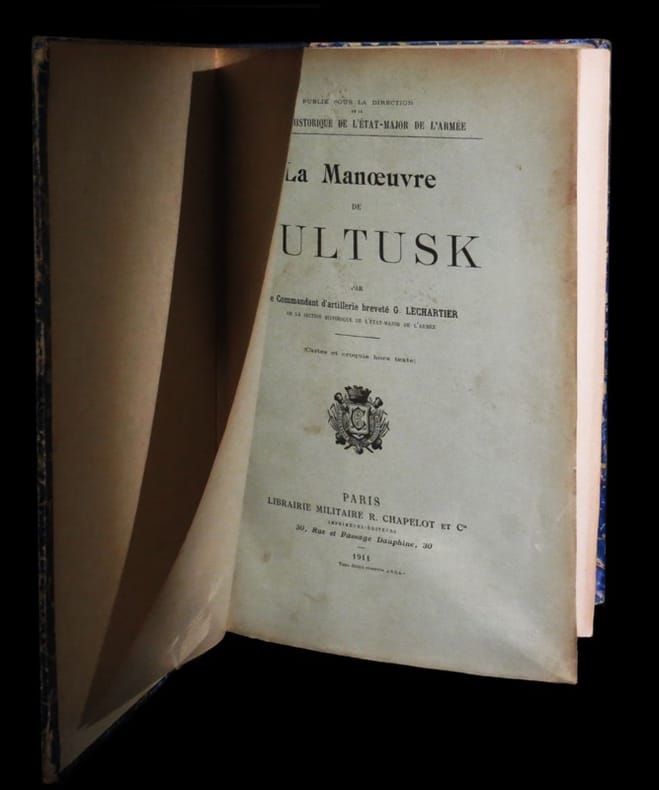
191127960Paris, Librairie militaire R. Chapelot et Cie, 1911. Un fort vol. au format in-8 (248 x 173 mm) de xviii - 509 pp. + planches dépliantes in fine. Reliure de l'époque de demi-cartonnage marine à l'imitation de chagrin, dos lisse orné de doubles filets dorés, pièce de titre de maroquin carmin titre doré, couvertures conservées.
1961260801961 Editions Lidis- Imprimerie Nationale, 1964-1965, Paris. 1 volume titré suites (emboîtage de l'éditeur).61/64 lithographies originales de Walter Spitzer sous 5 pochettes dont une incompléte. Le tirage des lithographies originales en couleurs hors le texte et in plano sans serpente volante, composées et gravées par Walter SPITZER, a été assuré par les ateliers MOURLOT Frères.
191026050München, Verlag R. Wagner, s.d. [circa 1918]. Dimensions (cuvette) : 372 x 298 mm + marges + cadre.
19131011PARIS. J. LEROY ET CIE, EDITEURS. 1913. GRAND ET FORT IN-4 (30 X 39 X 5,5 CENTIMETRES ENVIRON) DE (8) + III + (1) + 314 ET (2) PAGES, RELIURE D’EPOQUE 1/2 CHAGRIN VERT, DOS A CINQ NERFS, TITRE DORE, COUVERTURE ET DOS CONSERVES. SPLENDIDE OUVRAGE ILLUSTRE DE 46/48 PLANCHES HORS TEXTE D'UNIFORMES EN COULEURS, DE 10 PLANCHES HORS TEXTE, DONT 6 DE PORTRAITS MULTIPLES ET 4 D’ETENDARDS ET FANIONS (2 EN COULEURS) ET DE 24 VIGNETTES DANS LE TEXTE. EDITION ORIGINALE ET PREMIER TIRAGE, LIMITE A 1000 EXEMPLAIRES NUMEROTES, 300 SUR ARCHES ET 700 SUR ALFA, CELUI-CI SUR ALFA, NON JUSTIFIE. QUELQUES ROUSSEURS, SINON BEL EXEMPLAIRE. IL MANQUE 2 PLANCHES PAGES 88 (16° REGIMENT DE LANCIERS. COMPAGNIE D’ELITE) ET 152 (14° REGIMENT DE CUIRASSIERS). ON JOINT PAR CONTRE 2 PLANCHES DE CHELMINSKI PROVENANT DE L’OUVRAGE CONSACRE A LA GARDE IMPERIALE PAR LOUIS FALLOU EN 1901 : OFFICIERS DU 1° REGIMENT DE LANCIERS POLONAIS ET TARTARE LITUANIEN). PRIX ETABLI EN FONCTION DES MANQUES SIGNALES.
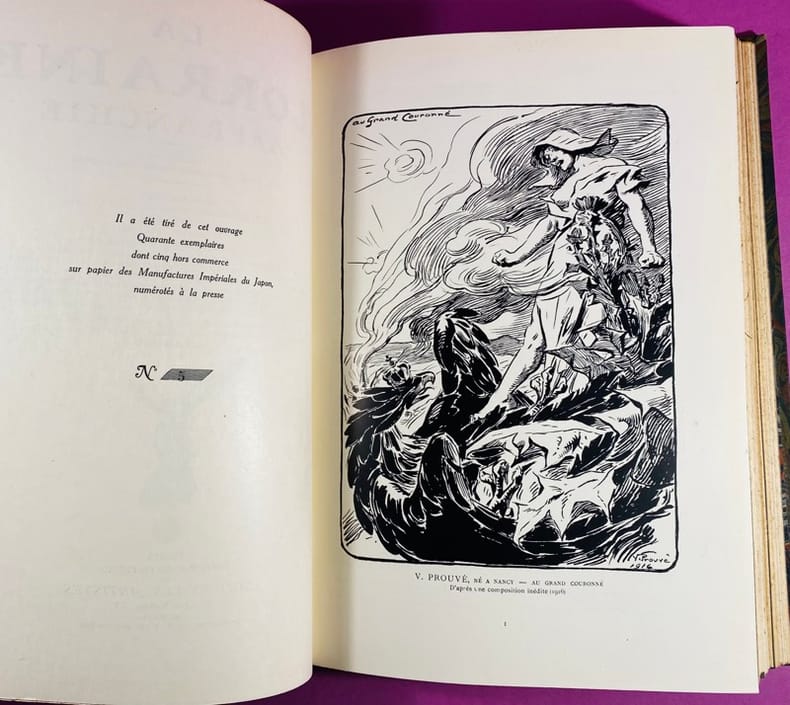
191618541916 Couverture rigide Paris, L'Art et les Artistes, 1916, 1917. 5 numéros spéciaux de la revue regroupés dans un volume in-4 (30 x 21,5 cm), reliure demi-chagrin signée Louis Marchand, dos à 5 nerfs orné de caissons dorés, papier à la cuve aux plats et contreplats, tranche supérieure dorée, dos insolé avec quelques frottements. Les 5 numéros grand luxe du volume sont numérotés sur papier de la Manufacture Impériale du Japon (tirage limité entre 25 et 55 exemplaires selon les numéros). LA POLOGNE IMMORTELLE, 80 pages, 2 états sur Japon d'un bois original en deux tons de Jacques Beltrand dont un avant la lettre, représentant le poète Adam Mickiewicz, textes notamment de maurice Maeterlinck, 154 illustrations. LA LORRAINE AFFRANCHIE, 66 pages, 2 états sur Japon d'un dessin original de Bernard Naudin dont un avant la lettre, "L'Oriflamme", texte de Maurice Barrès, 128 illustrations. LILLE SOUS LE JOUG ALLEMAND, 48 pages, 2 états sur Japon d'un croquis original de Paul Renouard dont un avant la lettre, représentant des troupes en marche, textes de Robert Hénard, 48 illustrations. ROUMANIE, 68 pages, 2 états sur Japon d'un dessin original de Jacques Beltrand dont un avant la lettre, "portrait de la Reine Marie en paysanne roumaine", texte notamment de Marie Ionesco, 104 illustrations. L'ART ASSASSINÉ, 48 pages, 2 états sur Japon d'un bois original de Eugène Dété dont un avant la lettre, "La tête du Roi David", texte de Camille Mauclair, 58 illustrations. Fondée en 1905 par Armand Dayot, alors Inspecteur général des Beaux-Arts, la revue L'Art et les Artistes devient pendant la Grande guerre un organe de résistance intellectuelle et de témoignage, invitant auteurs et illustrateurs à s'exprimer sur le conflit en cours. Provenance : Adolphe Thalasso, proche collaborateur de la revue, écrivain et critique d'Art né à Constantinople, figure orientaliste à Paris dans le monde littéraire. Bel état du texte et des planches, bon exemplaire sur grand papier.
1913585PARIS. J. LEROY ET CIE, EDITEURS. 1913. GRAND ET FORT IN-4 (30 X 39,5 X 6,5 CENTIMETRES ENVIRON) DE (8) + III + (1) + 314 ET (2) PAGES, RELIURE D’EPOQUE 1/2 CHAGRIN ROUGE, DOS A QUATRE NERFS, TITRE DORE, DOUBLE COUVERTURE ILLUSTREE D’UNE VIGNETTE AVEC TITRE IMPRIME EN NOIR, ET DOS CONSERVES. SPLENDIDE OUVRAGE ILLUSTRE DE 48 PLANCHES HORS TEXTE D'UNIFORMES EN COULEURS, DE 10 PLANCHES HORS TEXTE, DONT 6 DE PORTRAITS MULTIPLES ET 4 D’ETENDARDS ET FANIONS (2 EN COULEURS) ET DE 24 VIGNETTES DANS LE TEXTE. EDITION ORIGINALE ET PREMIER TIRAGE, LIMITE A 1000 EXEMPLAIRES NUMEROTES, 300 SUR ARCHES ET 700 SUR ALFA. UN DES 700 SUR ALFA, CELUI-CI PORTANT LE NUMERO 432. QUELQUES ROUSSEURS EPARSES SANS GRAVITE, SINON TRES BEL EXEMPLAIRE.
19133004PARIS. J. LEROY ET CIE, EDITEURS. 1913. GRAND ET FORT IN-4 BROCHE (28,5 X 38,5 X 5,5 CENTIMETRES ENVIRON) DE (8) + III + (1) + 314 ET (2) PAGES, COUVERTURE GRISE REMPLIEE ILLUSTREE D’UNE VIGNETTE EN NOIR, TITRE IMPRIME EN NOIR. SPLENDIDE OUVRAGE ILLUSTRE DE 48 PLANCHES HORS TEXTE D'UNIFORMES EN COULEURS, DE 10 PLANCHES HORS TEXTE, DONT 6 DE PORTRAITS MULTIPLES ET 4 D’ETENDARDS ET FANIONS (2 EN COULEURS) ET DE 24 VIGNETTES DANS LE TEXTE. EDITION ORIGINALE ET PREMIER TIRAGE, LIMITE A 1000 EXEMPLAIRES NUMEROTES, 300 SUR ARCHES ET 700 SUR ALFA, CELUI-CI SUR ALFA, PORTANT LE NUMERO 319. ERREUR DE FACONNAGE DE L’OUVRAGE AU MOMENT DE SA PARUTION, NEAMMOINS BIEN COMPLET ET COLLATIONNE, AVEC DES PAGES SUPPLEMENTAIRES (46-49, 47-52, 45-50 ET 51-48), UN CAHIER VOLANT A REFIXER (PAGES 45-52). QUELQUES TRACES D’HUMIDITE ANCIENNE, PETITS DEFAUTS EXTERIEURS SANS GRAVITE, COMME SOUVENT COMPTE-TENU DU POIDS DU VOLUME, SINON BON EXEMPLAIRE. ON JOINT UN BULLETIN DE COMMANDE ET UN BULLETIN DE SOUSCRIPTION AVEC UNE PLANCHE SPECIMEN SUPPLEMENTAIRE.
19133371PARIS. J. LEROY ET CIE, EDITEURS. 1913. GRAND ET FORT IN-4 BROCHE (28,5 X 38,5 X 5,5 CENTIMETRES ENVIRON) DE (8) + III + (1) + 314 ET (2) PAGES, COUVERTURE GRISE REMPLIEE ILLUSTREE D’UNE VIGNETTE EN NOIR, TITRE IMPRIME EN NOIR. SPLENDIDE OUVRAGE ILLUSTRE DE 48 PLANCHES HORS TEXTE D'UNIFORMES EN COULEURS, DE 10 PLANCHES HORS TEXTE, DONT 6 DE PORTRAITS MULTIPLES ET 4 D’ETENDARDS ET FANIONS (2 EN COULEURS) ET DE 24 VIGNETTES DANS LE TEXTE. EDITION ORIGINALE ET PREMIER TIRAGE, LIMITE A 1000 EXEMPLAIRES NUMEROTES, 300 SUR ARCHES ET 700 SUR ALFA, CELUI-CI SUR ARCHES, NON JUSTIFIE. QUELQUES ROUSSEURS, SINON BON EXEMPLAIRE. .
1920145501920 br. format 30 x 24 cm, Paris s.d. (ca. 1920)
1931223BBZürich, Leipzig, Orell Füssli Verlag, 1931. 8°. 8 S., (english), 7 S. (hebrew). Mit 65 Abb. nach Photos von M. Vorobeichic. Illustr. Orig.-Halbleinenband (berieben und bestossen). = "Schaubücher", Bd. 27.
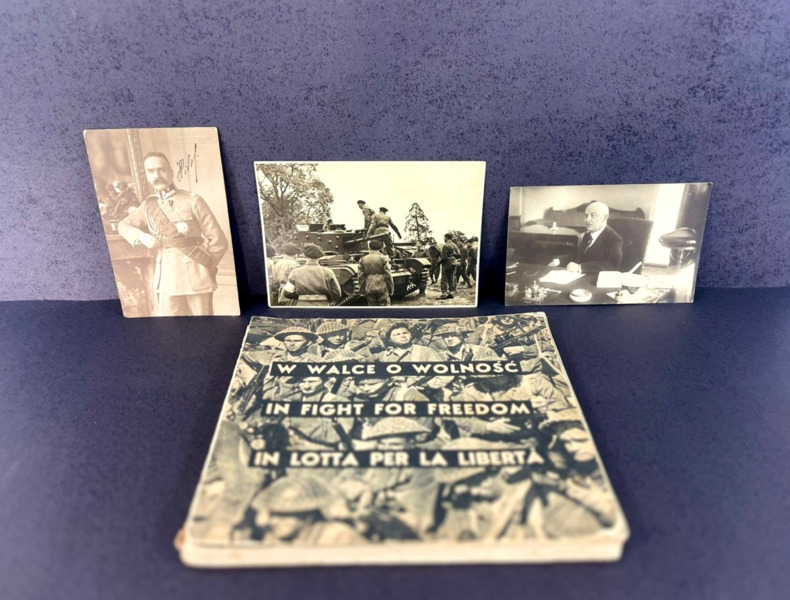
1945517This is a set which belonged to Janusz Gluchowski, a high-ranking Polish military officer at the time of the WW2. The set contains three original B&W pictures. First one: undated postcard showing Marshal Jozef Pilsudski, signed by himself in black ink, 8.5 x 13.5 cm, with two embossed mentions above and below. Second picture: undated postcard showing Poland President Gabriel Narutowicz, with a written mention on the back. Third picture: 11 x 15.5 cm photograph. General Tadeusz Bór-Komorowski inspecting a British Cromwell tank, accompanied by Polish officers of the 3rd Armored Regiment (3 puk pancerny). The image was captured during an official ceremony in the city of Kelso, Scotland, in the immediate post-war period, on June 15, 1945. The scene shows the General in an observation position, climbing onto the tank while surrounded by Polish soldiers. The tank corresponds to a British model widely used by Polish forces in exile during the Western European campaign. On the reverse, the following handwritten inscriptions appear: VI 1945, Kelso. N. Wódz gen. Bór-Komorowski dokonuje inspekcji 3 p. panc. N. Wódz w towarzystwie bryg. puku na czogu." / June 15, 1945, Kelso The book is an illustrated three-languages (Polish, English and Italian) set commemorating the struggles of the Polish II Corps. Edited by Wyda Rererat [Referat] Kultury i Prasy Kresowej Dywizji Piechoty in Rome, 1945. Oblong book of 21 x 19 cm, unpaginated (144 pp.). Cover detached. Endpapers and first page show Janusz Gluchowski's stamp. In publisher's photographically illustrated wrappers. Each page contains a photographic image or a photomontage accompanied with a short text in three languages. Front cover shows some wear and tear, the binding is a bit loose - we would advise having this book bound. The Polish II Corps was a major tactical and operational unit recruited from Polish deportees in the Soviet Gulags in 1943. First they fought in the Middle East, and in 1944 February they were transferred to Italy and as independent part of the British Army to fight in the Italian campaign, in the battles of Monte Cassino and Ancona and also the Battle of Bologna during the final offensive in Italy in 1945. The book goes through the story of Poland and the later established Polish II Corps, starting with the German and Soviet occupation in 1939. It shows the deportation of Poles to forced labour to the Gulag and, after the Polish-Russian Military Agreement in 1941, the establishment of the Polish Army on Soviet soil, also their military training and their fights in various battles. Janusz Julian Gluchowski was a Major General in the Polish Army during the Second Polish Republic. He was born on August 6, 1888, in Bukowa. He fought in the Polish Legions in World War I, the Polish-Ukrainian War, the Polish-Soviet War, and the invasion of Poland by Nazi Germany, Slovakia, and the Soviet Union in 1939, which culminated in the start of World War II. In his adolescence, he attended high school in Czstochowa. In 1905, he became a member of the Combat Organization of the Polish Socialist Party and was wounded in the hand during an attack near Czstochowa. To avoid arrest by the Russian authorities, he left for Belgium, where he studied at the University of Liège. He returned to divided Poland around 1910 and settled in Austrian Galicia. In 1912 he graduated from the Officers' School of the Riflemen's Association in Stroza, near Krakow. In the early hours of August 1914, he commanded a platoon in Oleandria and was Wadysaw Belina-Pramowski's representative during the legendary attack of the so-called Seven Lancers of Belina (Uaska siódemka). On August 6th, together with the First Cadre Company, he left Krakow and marched to Miechów. In October 1914 he was promoted to Lieutenant (Poruchik) and, in November 1916, to Rittmeister (Cavalry Master). Until 1917 he served in the First Uhlan Regiment of the Polish Legions. After the Oath Crisis (Kryzys przysigowy) he was interned first in Fort Beniaminów and later in Werl. Released in October 1918, he went to Lublin, where, in early November, he formed the Third Ulan Regiment (later renamed the Seventh Ulan Regiment of Lublin). Along with his unit, he fought in the Polish-Soviet War. On May 29, 1920, he was promoted to Polkovnik. He was transferred in July 1920 to Eastern Galicia, taking command of the First Cavalry Brigade, fighting against the Soviets in Galicia and Volhynia. After the war, he remained in this position until 1925, when he was transferred to the Fourth Cavalry Brigade. Promoted to Brigadier General on March 16, 1927. Appointed commander of the Center for Higher Military Studies on June 4, 1930, and three years later, after the death of General Stanislaw Tessaro, he was appointed commander of Military District X in Przemyl. In October 1935, he became Deputy Minister of Military Affairs. In the early days of the 1939 invasion of Poland, Gluchowski ordered General Walerian Czuma to prepare the defense of Warsaw. In mid-September 1939, he fled to Romania. After his escape, he managed to travel to the Middle East and, in January 1941, received orders to go to London. In October 1941, he was appointed Commander of the Training Brigade stationed in Scotland. On September 23, 1943, he was appointed commander of all Polish Army units stationed in Great Britain, except the First Independent Parachute Brigade, which remained under the authority of the Commander-in-Chief. He was promoted to Major General on June 1, 1945. He decided not to return to Soviet-occupied Poland and remained in Great Britain. He frequently criticized the Soviet regime and the Soviet occupation authorities in postwar Poland. Furthermore, he was one of the founders and president of the Jozef Pilsudski Institute in London. He was, therefore, an active member of the Polish community in Great Britain. He was president and honorary member of several Polish veterans' organizations. He died on June 11, 1964, in London, England.
197119091971 Atelier Calevaert-Brun, Paris, (1971?). Petit in-folio, 40 xylographies, sous emboitage muet.