Emmons, MD, Ebenezer M DBiblio.com
57 résultats
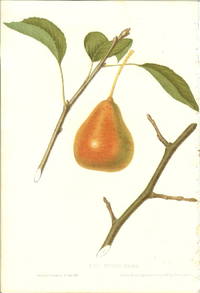
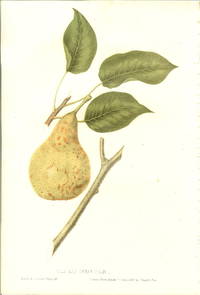
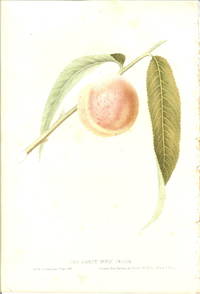
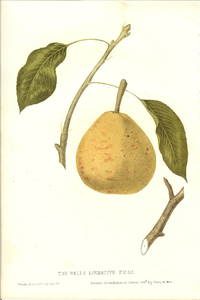
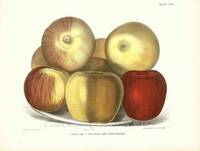
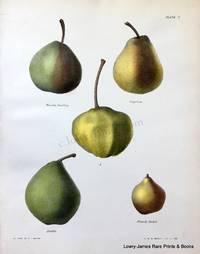
18515025New York:: D. Appleton & Co. 1851. First edition. Fine. A Fine original hand-colored lithograph. Folio 11.25 x 9 inches. In Ivory rag mat and suitable for framing; sized to14 x 17 inches. Drawn from nature by E. Emmons Jr. drawn on stone by F. Swinton and printed by J.J. Audubon's occasional lithographers; G. & W. Endicott New York an early depiction of one such variety of the useful and not strictly ornamental fruit being cultivated in national soil during Nineteenth Century America. Single sheet matted in rag board D. Appleton & Co., unknown
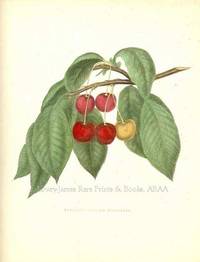
18526681Boston:: Hovey and Co. 1852-56. First edition. Near Fine Condition- light spotting. . Fine Original Chromolithograph. Small Quarto 7.25 x 10.5 inches . Includes original text. Inspired by national pride and a desire to document the finest fruit cultivated in American soil Charles Hovey's The Fruits of America is a fine tribute to both American Pomology and early color printing in America. Drawn from nature and printed by William Sharp and Son from as many as ten separate stones this exceptional chromolithograph displays a subtle perfection which rivals that of any early color printing of the period worldwide. Charles Mason Hovey 1810-1887 a Cambridge Massachusetts nurseryman founded the American Gardeners' Magazine in 1834- which became the Magazine of Horticulture- and was a founding member of several horticultural societies throughout New England and the Midwest. In addition to maintaining an extensive orchard of thousands of pear apple and plum trees Hovey is credited with cultivating one of the most popular and lucrative strawberries: the Hovey Strawberry which dominated the nineteenth century strawberry production in American. Bennett 59 Oak Spring Pomona 61 Reese: Stamped with the National Character 20 . Hovey and Co., unknown
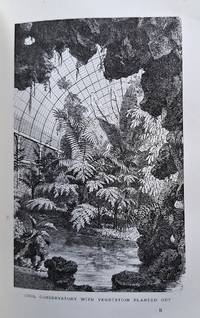
1883021951London: John Murray 1883. Third edition. Very well illustrated with many engravings large thick octavo pp xxiv 548 the final index page is foxed occasional light foxing here and there otherwise clean and sound internally very tight and firm original brown cloth with just slight suggestions of use the spine head very slightly frayed. Third edition. Cloth. Very Good. John Murray Hardcover
1878018020London: John Murray 1878. Second edition revised. Very well illustrated with many engravings large thick octavo ppxxiv 548 the frontispiece title page and index pages a little foxed occasional light foxing here and there otherwise very clean and sound internally very tight and firm original blue cloth slightly worn and scuffed faded slightly marked here and there a few very small bubbles to the cloth the spine head with slight tears. Second edition. Cloth. Good. John Murray Hardcover
189955169New York: A. S. Barnes and Co. 1899. first edition. Hardcover. Very good. 6 x 9 in. viii 140 pp. plus index. Red cloth boards. Inscribed by Fruit on the ffep. dated 1914. Condition is VERY GOOD ; covers clean a touch sunned at edges. Upper front has a small bump corners and spine ends bumped with mild wear. Binding tight. Text clean and unmarked. Poe. RGR. A. S. Barnes and Co. hardcover
18526682Boston:: Hovey and Co. 1852-56. First edition. Near Fine Condition- light spotting. . Fine Original Chromolithograph. Small Quarto 7.25 x 10.5 inches . Includes original text. Inspired by national pride and a desire to document the finest fruit cultivated in American soil Charles Hovey's The Fruits of America is a fine tribute to both American Pomology and early color printing in America. Drawn from nature and printed by William Sharp and Son from as many as ten separate stones this exceptional chromolithograph displays a subtle perfection which rivals that of any early color printing of the period worldwide. Charles Mason Hovey 1810-1887 a Cambridge Massachusetts nurseryman founded the American Gardeners' Magazine in 1834- which became the Magazine of Horticulture- and was a founding member of several horticultural societies throughout New England and the Midwest. In addition to maintaining an extensive orchard of thousands of pear apple and plum trees Hovey is credited with cultivating one of the most popular and lucrative strawberries: the Hovey Strawberry which dominated the nineteenth century strawberry production in American. Bennett 59 Oak Spring Pomona 61 Reese: Stamped with the National Character 20 . Hovey and Co., unknown
1802018429Edinburgh and London: William Creech; T. Cadell jnr & W. Davies J. Scratcherd and T. Hurst 1802. Third edition "with large editions". Illustrated with 6 engraved plates very foxed and browned octavo pp xvi 427 i marbled edges some sporadic foxing and browning thoughout heavier on a few pages but otherwise very firm and tight contemporary half calf and marbled boards rubbed and a little worn. VERY SCARCE. Walter Nicol 1769 - 1811 was a Scottish garden and hothouse designer who wrote several books on practical horticulture. He was born in Niddrie. He was employed at a number of estates in Scotland and improved the design and layout of gardens and glasshouses. Nicol is in particular responsible for the walled garden layout at Dalhousie Castle in Midlothian."His works which were of a very high standard became exceedingly popular" - Blanche Henrey 1182. Third edition. Half-Leather. Good. William Creech; T. Cadell jnr & W. Davies, J. Scratcherd, and T. Hurst Hardcover
18526677Boston:: Hovey and Co. 1852-56. First edition. Near Fine Condition- light spotting. . Fine Original Chromolithograph. Small Quarto 7.25 x 10.5 inches . Includes original text. Inspired by national pride and a desire to document the finest fruit cultivated in American soil Charles Hovey's The Fruits of America is a fine tribute to both American Pomology and early color printing in America. Drawn from nature and printed by William Sharp and Son from as many as ten separate stones this exceptional chromolithograph displays a subtle perfection which rivals that of any early color printing of the period worldwide. Charles Mason Hovey 1810-1887 a Cambridge Massachusetts nurseryman founded the American Gardeners' Magazine in 1834- which became the Magazine of Horticulture- and was a founding member of several horticultural societies throughout New England and the Midwest. In addition to maintaining an extensive orchard of thousands of pear apple and plum trees Hovey is credited with cultivating one of the most popular and lucrative strawberries: the Hovey Strawberry which dominated the nineteenth century strawberry production in American. Bennett 59 Oak Spring Pomona 61 Reese: Stamped with the National Character 20 . Hovey and Co., unknown
1900023265London: L. Upcott Gill 1900. Well illustrated with over 700 text engravings very thick octavo pp viii 1198 13 pages publisher's advertisements top edge gilt very slight age-toning several pages have been clumsily opened leaving slightly rough edges and occasional very minor loss of page margin page 159/160 has a tear into the text without loss the front hinge is cracked and there is weakness through to page vi due to the extreme weight of the book original publisher's embossed cloth a little bleached on both covers towards the front edge otherwise very good. An amazing book with a great deal of information on just about every aspect of late-Victorian horticulture. SCARCE. A heavy book - extra postage may be necessary. First Edition. Cloth. Good. L. Upcott Gill Hardcover
18526680Boston:: Hovey and Co. 1852-56. First edition. Near Fine Condition- light spotting. . Fine Original Chromolithograph. Small Quarto 7.25 x 10.5 inches . Includes original text. Inspired by national pride and a desire to document the finest fruit cultivated in American soil Charles Hovey's The Fruits of America is a fine tribute to both American Pomology and early color printing in America. Drawn from nature and printed by William Sharp and Son from as many as ten separate stones this exceptional chromolithograph displays a subtle perfection which rivals that of any early color printing of the period worldwide. Charles Mason Hovey 1810-1887 a Cambridge Massachusetts nurseryman founded the American Gardeners' Magazine in 1834- which became the Magazine of Horticulture- and was a founding member of several horticultural societies throughout New England and the Midwest. In addition to maintaining an extensive orchard of thousands of pear apple and plum trees Hovey is credited with cultivating one of the most popular and lucrative strawberries: the Hovey Strawberry which dominated the nineteenth century strawberry production in American. Bennett 59 Oak Spring Pomona 61 Reese: Stamped with the National Character 20 . Hovey and Co., unknown
18526683Boston:: Hovey and Co. 1852-56. First edition. Near Fine Condition- light spotting. . Fine Original Chromolithograph. Small Quarto 7.25 x 10.5 inches . Includes original text. Inspired by national pride and a desire to document the finest fruit cultivated in American soil Charles Hovey's The Fruits of America is a fine tribute to both American Pomology and early color printing in America. Drawn from nature and printed by William Sharp and Son from as many as ten separate stones this exceptional chromolithograph displays a subtle perfection which rivals that of any early color printing of the period worldwide. Charles Mason Hovey 1810-1887 a Cambridge Massachusetts nurseryman founded the American Gardeners' Magazine in 1834- which became the Magazine of Horticulture- and was a founding member of several horticultural societies throughout New England and the Midwest. In addition to maintaining an extensive orchard of thousands of pear apple and plum trees Hovey is credited with cultivating one of the most popular and lucrative strawberries: the Hovey Strawberry which dominated the nineteenth century strawberry production in American. Bennett 59 Oak Spring Pomona 61 Reese: Stamped with the National Character 20 . Hovey and Co., unknown
1886020715Hereford: Jakeman & Carver 1886. Illustrated with outline drawings of fruit sections octavo pp xii 247 some foxing and age-toning throughout heavier on some pages than others a signature on the front endpaper green blind-stamped cloth with gilt emblem dull and rubbed won at the corners an abrasion on the top edge of the upper cover the spine chipped and a little torn at both head and tail. RARE. . First Edition. Cloth. Fair. Jakeman & Carver Hardcover
1886020714Hereford: Jakeman & Carver 1886. Illustrated with outline drawings of fruit sections octavo pp xii 247 a little foxing to the rear blank pages and to the fore-edge otherwise an exceptionally clean copy green blind-stamped cloth with gilt medallion decoration very slight signs of use and slight rubbing to the corners but a very bright copy. RARE. . First Edition. Cloth. Very Good. Jakeman & Carver Hardcover
18457153Ghent:: Louis Van Houtte 1845-1888. First edition. Fine with original hand-coloring. A Fine original color lithograph Octavo 6.5 x 9.75 inches matted in Ivory Rag board to 12 x 16 inches and suitable for framing. Rich and luminous this plate is printed from stone in multiple colors and then finished by hand at the printing studios amidst the van Houtte gardens; Horto Van Houtteano. To honor the burgeoning interest in horticulture throughout Europe during the nineteenth century several botanical periodicals were created to document and illustrate the beauty of new botanical discoveries worldwide. Flore des Serres et des Jardins de l'Europe Ghent; Louis van Houtte1845-1888 was among the finest horticultural journals produced at the time. As experienced botanical engravers botanists and nurserymen in their own right the editors Louis van Houtte and Charles Lemaire combined their talents to produce this glorious publication which documented both the newly discovered exotics and the popular plants being cultivated in the Americas Europe Asia and beyond at the time. Charles Lemaire was an engraver for Pierre Joseph Redoute's masterful works Les Liliaces published in Paris; 1802-16 and Les Roses; both Folio and Octavo Editions Paris;1817-24 1835. Louis Van Houtte was proprietor of the most esteemed nursery on the continent during the mid-19th century; Establishment Louis Van Houtte. He commissioned an exclusive team of plant hunters to travel worldwide and gather previously unrecorded orchids and other exotics for cultivation and documentation which became the basis for this landmark series. DeBelder Sitwell Plesch Matted in Rag Board Louis Van Houtte, unknown
1817742London:: Longmans Hurst Rees Orme & Brown 1817. First edition. Fine with original hand-coloring. Fine original hand-colored stipple engraving.Pl. XXIII Smith's Early Newington Buckinghamshire Minion & Barrington Peaches. Large Quarto Edition 11 x 13.5 inches. Pomona Britannica is considered one of the most distinguished pomologies ever produced and is described as "one of the finest colour-plate books in existence." Prideaux. Named for Pomona the Roman Goddess of Fruit and Fruit Trees a pomology is simply a treatise on fruit culture. However there was nothing simple about the intent and execution of this fine work. In an effort to educate the landed country gentleman on the cultivation of fruit George Brookshaw 1751-1823 rendered and described the finest fruit under cultivation in the most esteemed gardens in London and the Royal Gardens particularly around Hampton Court and Kensington. Very little is known about the early years of Brookshaw's life and education. He was born in Birmingham and died an undistinguished death in London. However during the late 18th Century Brookshaw enjoyed significant notoriety as a talented cabinetmaker distinguished by royal patronage. Receipts from the Prince of Wales dating 1783 document the finely painted furniture commissioned from G. Brookshaw. Elegant cabinets tables and chimney pieces were painted with exquisite allegorical scenes bouquets of flowers and abundant cornucopias offering a glimpse into what was to become the hallmark of Brookshaw's talent; elegant and fluid renditions of fruit and flowers. George's talent as an engraver was perhaps influenced by Richard Brookshaw brother an established and talented mezzotint engraver in Paris during the 19th Century. Richard Brookshaw engraved several of the plates for the Folio edition of Pomona Britannica c.1812 however as the last of Richard's engravings are dated 1804 we conclude every one of the plates in this large Quarto edition were engraved by George Brookshaw himself. This edition should not be considered a miniature version of the Folio edition where the fruit is set on dark mezzotint grounds. This large Quarto edition features beautifully hand-colored stipple engravings which float on soft ivory backgrounds. Ref. Dunthorne 55 Christie's 4-97. Longmans, Hurst, Rees, Orme, & Brown, unknown
1817746London:: Longmans Hurst Rees Orme & Brown 1817. First edition. Fine with original hand-coloring. Fine original hand-colored stipple engraving. Pl. XXVII Duke of Marlborough's & Rumbullion Peaches. Large Quarto Edition 11 x 13.5 inches. Pomona Britannica is considered one of the most distinguished pomologies ever produced and is described as "one of the finest colour-plate books in existence." Prideaux. Named for Pomona the Roman Goddess of Fruit and Fruit Trees a pomology is simply a treatise on fruit culture. However there was nothing simple about the intent and execution of this fine work. In an effort to educate the landed country gentleman on the cultivation of fruit George Brookshaw 1751-1823 rendered and described the finest fruit under cultivation in the most esteemed gardens in London and the Royal Gardens particularly around Hampton Court and Kensington. Very little is known about the early years of Brookshaw's life and education. He was born in Birmingham and died an undistinguished death in London. However during the late 18th Century Brookshaw enjoyed significant notoriety as a talented cabinetmaker distinguished by royal patronage. Receipts from the Prince of Wales dating 1783 document the finely painted furniture commissioned from G. Brookshaw. Elegant cabinets tables and chimney pieces were painted with exquisite allegorical scenes bouquets of flowers and abundant cornucopias offering a glimpse into what was to become the hallmark of Brookshaw's talent; elegant and fluid renditions of fruit and flowers. George's talent as an engraver was perhaps influenced by Richard Brookshaw brother an established and talented mezzotint engraver in Paris during the 19th Century. Richard Brookshaw engraved several of the plates for the Folio edition of Pomona Britannica c.1812 however as the last of Richard's engravings are dated 1804 we conclude every one of the plates in this large Quarto edition were engraved by George Brookshaw himself. This edition should not be considered a miniature version of the Folio edition where the fruit is set on dark mezzotint grounds. This large Quarto edition features beautifully hand-colored stipple engravings which float on soft ivory backgrounds. Ref. Dunthorne 55 Christie's 4-97. Longmans, Hurst, Rees, Orme, & Brown, unknown
1817744London:: Longmans Hurst Rees Orme & Brown 1817. First edition. Fine with original hand-coloring. Fine original hand-colored stipple engraving. Pl. XXV Montauban Grosse Mignonne & Old Royal George Peaches. Large Quarto Edition 11 x 13.5 inches. Pomona Britannica is considered one of the most distinguished pomologies ever produced and is described as "one of the finest colour-plate books in existence." Prideaux. Named for Pomona the Roman Goddess of Fruit and Fruit Trees a pomology is simply a treatise on fruit culture. However there was nothing simple about the intent and execution of this fine work. In an effort to educate the landed country gentleman on the cultivation of fruit George Brookshaw 1751-1823 rendered and described the finest fruit under cultivation in the most esteemed gardens in London and the Royal Gardens particularly around Hampton Court and Kensington. Very little is known about the early years of Brookshaw's life and education. He was born in Birmingham and died an undistinguished death in London. However during the late 18th Century Brookshaw enjoyed significant notoriety as a talented cabinetmaker distinguished by royal patronage. Receipts from the Prince of Wales dating 1783 document the finely painted furniture commissioned from G. Brookshaw. Elegant cabinets tables and chimney pieces were painted with exquisite allegorical scenes bouquets of flowers and abundant cornucopias offering a glimpse into what was to become the hallmark of Brookshaw's talent; elegant and fluid renditions of fruit and flowers. George's talent as an engraver was perhaps influenced by Richard Brookshaw brother an established and talented mezzotint engraver in Paris during the 19th Century. Richard Brookshaw engraved several of the plates for the Folio edition of Pomona Britannica c.1812 however as the last of Richard's engravings are dated 1804 we conclude every one of the plates in this large Quarto edition were engraved by George Brookshaw himself. This edition should not be considered a miniature version of the Folio edition where the fruit is set on dark mezzotint grounds. This large Quarto edition features beautifully hand-colored stipple engravings which float on soft ivory backgrounds. Ref. Dunthorne 55 Christie's 4-97. Longmans, Hurst, Rees, Orme, & Brown, unknown
1817745London:: Longmans Hurst Rees Orme & Brown 1817. First edition. Fine with original hand-coloring. Fine original hand-colored stipple engraving. Pl. XXVI Late Admirable Double Mountain & Red Magdalen Peaches. Large Quarto Edition 11 x 13.5 inches. Pomona Britannica is considered one of the most distinguished pomologies ever produced and is described as "one of the finest colour-plate books in existence." Prideaux. Named for Pomona the Roman Goddess of Fruit and Fruit Trees a pomology is simply a treatise on fruit culture. However there was nothing simple about the intent and execution of this fine work. In an effort to educate the landed country gentleman on the cultivation of fruit George Brookshaw 1751-1823 rendered and described the finest fruit under cultivation in the most esteemed gardens in London and the Royal Gardens particularly around Hampton Court and Kensington. Very little is known about the early years of Brookshaw's life and education. He was born in Birmingham and died an undistinguished death in London. However during the late 18th Century Brookshaw enjoyed significant notoriety as a talented cabinetmaker distinguished by royal patronage. Receipts from the Prince of Wales dating 1783 document the finely painted furniture commissioned from G. Brookshaw. Elegant cabinets tables and chimney pieces were painted with exquisite allegorical scenes bouquets of flowers and abundant cornucopias offering a glimpse into what was to become the hallmark of Brookshaw's talent; elegant and fluid renditions of fruit and flowers. George's talent as an engraver was perhaps influenced by Richard Brookshaw brother an established and talented mezzotint engraver in Paris during the 19th Century. Richard Brookshaw engraved several of the plates for the Folio edition of Pomona Britannica c.1812 however as the last of Richard's engravings are dated 1804 we conclude every one of the plates in this large Quarto edition were engraved by George Brookshaw himself. This edition should not be considered a miniature version of the Folio edition where the fruit is set on dark mezzotint grounds. This large Quarto edition features beautifully hand-colored stipple engravings which float on soft ivory backgrounds. Ref. Dunthorne 55 Christie's 4-97. Longmans, Hurst, Rees, Orme, & Brown, unknown
1817747London:: Longmans Hurst Rees Orme & Brown 1817. First edition. Fine with original hand-coloring. Fine original hand-colored stipple engraving. Pl. XXIX Bourdine Nivette or Belle de Vitry Peaches. Large Quarto Edition 11 x 13.5 inches. Pomona Britannica is considered one of the most distinguished pomologies ever produced and is described as "one of the finest colour-plate books in existence." Prideaux. Named for Pomona the Roman Goddess of Fruit and Fruit Trees a pomology is simply a treatise on fruit culture. However there was nothing simple about the intent and execution of this fine work. In an effort to educate the landed country gentleman on the cultivation of fruit George Brookshaw 1751-1823 rendered and described the finest fruit under cultivation in the most esteemed gardens in London and the Royal Gardens particularly around Hampton Court and Kensington. Very little is known about the early years of Brookshaw's life and education. He was born in Birmingham and died an undistinguished death in London. However during the late 18th Century Brookshaw enjoyed significant notoriety as a talented cabinetmaker distinguished by royal patronage. Receipts from the Prince of Wales dating 1783 document the finely painted furniture commissioned from G. Brookshaw. Elegant cabinets tables and chimney pieces were painted with exquisite allegorical scenes bouquets of flowers and abundant cornucopias offering a glimpse into what was to become the hallmark of Brookshaw's talent; elegant and fluid renditions of fruit and flowers. George's talent as an engraver was perhaps influenced by Richard Brookshaw brother an established and talented mezzotint engraver in Paris during the 19th Century. Richard Brookshaw engraved several of the plates for the Folio edition of Pomona Britannica c.1812 however as the last of Richard's engravings are dated 1804 we conclude every one of the plates in this large Quarto edition were engraved by George Brookshaw himself. This edition should not be considered a miniature version of the Folio edition where the fruit is set on dark mezzotint grounds. This large Quarto edition features beautifully hand-colored stipple engravings which float on soft ivory backgrounds. Ref. Dunthorne 55 Christie's 4-97. Longmans, Hurst, Rees, Orme, & Brown, unknown
1817748London:: Longmans Hurst Rees Orme & Brown 1817. First edition. Fine with original hand-coloring. Fine original hand-colored stipple engraving. Pl. XXX Chancellor Catherine & Old Newington Peaches. Large Quarto Edition 11 x 13.5 inches. Pomona Britannica is considered one of the most distinguished pomologies ever produced and is described as "one of the finest colour-plate books in existence." Prideaux. Named for Pomona the Roman Goddess of Fruit and Fruit Trees a pomology is simply a treatise on fruit culture. However there was nothing simple about the intent and execution of this fine work. In an effort to educate the landed country gentleman on the cultivation of fruit George Brookshaw 1751-1823 rendered and described the finest fruit under cultivation in the most esteemed gardens in London and the Royal Gardens particularly around Hampton Court and Kensington. Very little is known about the early years of Brookshaw's life and education. He was born in Birmingham and died an undistinguished death in London. However during the late 18th Century Brookshaw enjoyed significant notoriety as a talented cabinetmaker distinguished by royal patronage. Receipts from the Prince of Wales dating 1783 document the finely painted furniture commissioned from G. Brookshaw. Elegant cabinets tables and chimney pieces were painted with exquisite allegorical scenes bouquets of flowers and abundant cornucopias offering a glimpse into what was to become the hallmark of Brookshaw's talent; elegant and fluid renditions of fruit and flowers. George's talent as an engraver was perhaps influenced by Richard Brookshaw brother an established and talented mezzotint engraver in Paris during the 19th Century. Richard Brookshaw engraved several of the plates for the Folio edition of Pomona Britannica c.1812 however as the last of Richard's engravings are dated 1804 we conclude every one of the plates in this large Quarto edition were engraved by George Brookshaw himself. This edition should not be considered a miniature version of the Folio edition where the fruit is set on dark mezzotint grounds. This large Quarto edition features beautifully hand-colored stipple engravings which float on soft ivory backgrounds. Ref. Dunthorne 55 Christie's 4-97. Longmans, Hurst, Rees, Orme, & Brown, unknown
1817749London:: Longmans Hurst Rees Orme & Brown 1817. First edition. Fine with original hand-coloring. Fine original hand-colored stipple engraving. Pl. XXXIV Murry & Newington Nectarine. Large Quarto Edition 11 x 13.5 inches. Pomona Britannica is considered one of the most distinguished pomologies ever produced and is described as "one of the finest colour-plate books in existence." Prideaux. Named for Pomona the Roman Goddess of Fruit and Fruit Trees a pomology is simply a treatise on fruit culture. However there was nothing simple about the intent and execution of this fine work. In an effort to educate the landed country gentleman on the cultivation of fruit George Brookshaw 1751-1823 rendered and described the finest fruit under cultivation in the most esteemed gardens in London and the Royal Gardens particularly around Hampton Court and Kensington. Very little is known about the early years of Brookshaw's life and education. He was born in Birmingham and died an undistinguished death in London. However during the late 18th Century Brookshaw enjoyed significant notoriety as a talented cabinetmaker distinguished by royal patronage. Receipts from the Prince of Wales dating 1783 document the finely painted furniture commissioned from G. Brookshaw. Elegant cabinets tables and chimney pieces were painted with exquisite allegorical scenes bouquets of flowers and abundant cornucopias offering a glimpse into what was to become the hallmark of Brookshaw's talent; elegant and fluid renditions of fruit and flowers. George's talent as an engraver was perhaps influenced by Richard Brookshaw brother an established and talented mezzotint engraver in Paris during the 19th Century. Richard Brookshaw engraved several of the plates for the Folio edition of Pomona Britannica c.1812 however as the last of Richard's engravings are dated 1804 we conclude every one of the plates in this large Quarto edition were engraved by George Brookshaw himself. This edition should not be considered a miniature version of the Folio edition where the fruit is set on dark mezzotint grounds. This large Quarto edition features beautifully hand-colored stipple engravings which float on soft ivory backgrounds. Ref. Dunthorne 55 Christie's 4-97. Longmans, Hurst, Rees, Orme, & Brown, unknown
1822015837Princes Street Hanover Square London: T & J Allmann 1822. Illustrated with three simple hand-coloured plates octavo pp xii 378 extremely clean and sound inyternally half calf and marbled boards raised bands and leather label to the spine very slight signs of wear. With the armorial bookplate of Sir Charles William Hamilton 2nd Baronet and his small neat signature on the title page. Phillips lived much of his life on the south coast and gained a national reputation as a landscape gardener. His first plan for the development of a lrge site in Kemp Town Brighton was rejected but the second attempt five years later was accepted. His grandiose Anthaeum project an elaborate indoor botanical garden topped by "the largest dome in the world" ended in disaster when the structure spectacularly collapsed just before its official opening. His ideas on the layout of plants and flowers in relation to their surroundings were influential. When Brighton and Hove City Council restored the gardens and grounds of the Royal Pavilion to show how they would have appeared at the height of the Regency era they did so according to Phillips' ideas - specifically his belief that "a well-planted shrubbery depends on the selection of trees and shrubs which succeed each other in blossoming throughout the year as well as contrasting shades of green . and under-planted flowers". Second edition. Half Leather. Very Good. T & J Allmann Hardcover
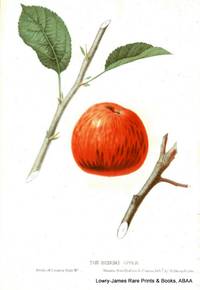
18515048New York:: D. Appleton & Co. 1851. First edition. Fine. A Fine original hand-colored lithograph. Folio 11.25 x 9 inches. In Ivory rag mat and suitable for framing; sized to14 x 17 inches. Drawn from nature by E. Emmons Jr. drawn on stone by F. Swinton and printed by J.J. Audubon's occasional lithographers; G. & W. Endicott New York an early depiction of one such variety of the useful and not strictly ornamental fruit being cultivated in national soil during Nineteenth Century America. Single sheet matted in rag board D. Appleton & Co., unknown
18515047New York:: D. Appleton & Co. 1851. First edition. Fine. A Fine original hand-colored lithograph. Folio 11.25 x 9 inches. In Ivory rag mat and suitable for framing; sized to14 x 17 inches. Drawn from nature by E. Emmons Jr. drawn on stone by F. Swinton and printed by J.J. Audubon's occasional lithographers; G. & W. Endicott New York an early depiction of a variety of the useful and not strictly ornamental fruit being cultivated in national soil during Nineteenth Century America. Single sheet matted in rag board D. Appleton & Co., unknown
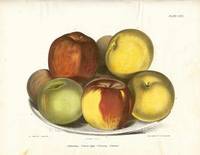
18517149New York:: D. Appleton & Co. 1851. First edition. Fine. A Fine original hand-colored lithograph. Folio 11.25 x 9 inches. In Ivory rag mat and suitable for framing; sized to14 x 17 inches. Drawn on stone by G.T. Sanford and printed by J.J. Audubon's occasional lithographers; G. & W. Endicott New York a finely colored depiction of a variety of the useful and not strictly ornamental fruit being cultivated in national soil during Nineteenth Century America. Single sheet matted in rag board D. Appleton & Co., unknown