[CAMPING -- COLORADO].Biblio.com
Camping, HaroldBiblio.com
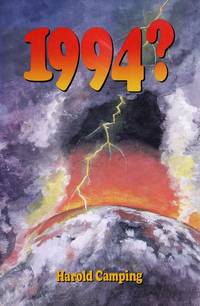
1994
1992Q-0533103681Vantage Pr 1992-09-01. Paperback. New. In shrink wrap. Looks like an interesting title! Vantage Pr paperback
GridFreed LLC · États-Unis88,17 $US≈ 74,60 €
107 résultats
190560921Gunnison CO: n.p. 1905. Oblong 4to. 11 x 7.25 in. 50 pp unpaginated. Scotch Grey coloured leaves. With 37 silver gelatin photographs on matte finish paper sized 4.5 x 6 in. all mounted as corners title photo composed w/ border and lettering scratched into negative a few of the photos w/ lozenge framed borders a couple w/ minor chipping or small closed t ears at a few corners. Contemporary black ribbed cloth Heinn Co. Badger Plain Leaf album very slight scuffing w/ open-backed slipcase as issued for original album minor scuffing pulling at fore-edges small chip still NF/VG- exemplar. An exceptional photo album documenting the photographer and his companion “W.N.B.†through the rugged and breathtaking country of what is now the Rio Grand Gunnison and White River National Forests in Colorado. Inspired by naturalist conservationists as John Muir and the efforts of President Roosevelt encouraging Americans to see the West extended camping trips were embraced with enthusiasm and typically with wagons pack mules and pack horses until World War I after which automobile camping became much more the norm. The photographer opens with shots of the covered camp wagon near Carnero Pass close to the Saguache River and later along Sheep’s Creek Carnero Creek in the La Garita Mountains. Also featured are well-composed images of the Cochetopa Pass on the Continental Divide about 25 miles from Carnero Pass with views of Sawtooth Mountain and San Luis Peak. The group traveled towards Gunnison and images capture the scenic beauty of Tenderfoot Mountain in the Gunnison Valley at 9252 feet of elevation. Other stops include Camp Robbers Roost near Almont CO now usually closed for nesting birds in the Winter and additional views of the stark craggy beauty of the Gunnison Valley. The camping trip extended into the present-day Gunnison National Forest including visits to Gothic Mountain from several vantage points Emerald Lake between Gothic Mountain and Crystal River Canon and more. One of the photos depicts the Falls in Crystal River Canon comprising the Devil’s Punch Bowl on the South Fork of the Crystal River near the Schofield Pass. n.p.], hardcover
1992Q-0533103681Vantage Pr 1992-09-01. Paperback. New. In shrink wrap. Looks like an interesting title! Vantage Pr paperback
194526074New York NY: Not Published 1945. A group of 40 letters and cards; correspondence between a young man and a woman friend who he met and worked with at the Jewish summer Camp Achvah; he later became a student at UC Berkeley. He had also attended the Jewish Camp Cejwin. Mostly the letters are from Edwin Finkelstein to his friend Natalie Levy back in New York with a couple of notes to him from her. The Achvah material is mostly camp gossip and scuttlebutt regarding the owners of the camp who according to the writer took advantage of the counsellors and workers: ".Concerning your job. You will have the same job and privileges as a regular counsellor. That is you will have the same hours curfews time off and days off. In regard to a bonus don't make me laugh last year only one person got a bonus.a whole $ 5. The only reason he got it was because his father did legal work form Mr. Barshad.Don't get involved in any counsellor uprisings.be good to your kids and you will get good tipslast year a good percentage of the girls were willing to go out on strike with the boys." Edwin F. works at Steve Cohen Boys' Camp in Hopewell Junction NY 1946 and writes of his work and play there during that summer; he continues to ask about and advise about Camp Achvah where Natalie is a summer counsellor. He notes that ".Achvah is a dump compared with this placehere were are treated like humans not like dirt." Nevertheless there is a great feeling of camaraderie among those who attend and work at the camps many reunions and get-togethers over the years. The last group of 6 letters are from UC Berkeley and the difficulties of coursework and enjoyments of attending that school and living in California. NOTE: ".In the 1920s and 1930s a recognition began to arise that the summer camp might play a significant role in Jewish education and the socialization of the Jewish child into Judaism. Samson Benderly the first director of New York's Bureau of Jewish Education was the first to recognize the unique opportunity that the summer camp offered for teaching modern Hebrew and other traditional Jewish values through immersing children in a Hebrew and Judaic environment. In 1927 he opened Camp Achvah the first Hebrew-speaking camp in Arverne on New York City's Rockaway peninsula. In 1932 he sought to expand the program and purchased a campsite in a rural setting in upstate Godeffroy New York. The expanded program retained the intensive Judaic program but was not Hebrew speaking as had been the program at the Arverne site." ref. Encyclopaedia Judaica 2007 "Jewish Camping" article. Other social and political events are remarked upon in the letter content for instance the high school student strikes and riots in the boroughs of NYC in 1945 which required police intervention and mention of a similar race related riot in Bergen College New Jersey regarding a disqualified black football player. Most letters with their mailers & cancellations intact; some age-wear and soiling; contents clean and in very good condition. . Manuscript. Not Bound. Very Good. Not Published paperback books
195374321Hof. (Um 1953). 4 Seiten. Mit zahlr. Abbildungen. Zweifarbiger Druck. 21x15 cm
195571977Bietigheim. (Um 1955). Faltprospekt. 6 Seiten mit mehreren farbigen Abbildungen u. Illustrationen. 20x10 c,
192884491928 catalogue broché in-octavo, dos orange, illustré d'un plan pour trouver le magasin sur le premier plat, orné de gravures in-texte des articles en vente avec leur description et le prix dessous, 36 pages, 1928 Paris "Au Campeur" Editeur,
193842149Rosenheim. (Um 1938). 24, (1) Seiten. Mit zahlr. Abbildungen. Farbig ill. Originalbroschur. 21x14 cm


