58 résultats
177659527s. l.: S. n. 1776. Fine. S. n. s. l. Circa 1776 32 x 40.50 cm une feuille encadrée Original drawing in ink and watercolor. Modern frame. Drawing made during the journey with the Marquis de Sade in 1776. Jean-Baptiste Tierce 1737-1794 student at the École des Beaux-arts in Rouen then at the Academy of Painting and Sculpture in Paris quickly distinguished himself as a landscape painter for his views of Southern France and Italy. His paintings are preserved in the Uffizi in Florence and in several French museums. When in December 1775 Sade left Rome for Naples he was welcomed by the son-in-law of his friend Doctor Mesny Jean-Baptiste Tierce who at that time received commissions from Cardinal de Bernis. He found lodging for the Marquis ""who intended to see everything in the region learn about everything judge admire criticize love hate in short to give free rein to that insatiable and passionate curiosity which led him into museums galleries churches palaces and libraries as well as into caves vaults catacombs and even into the bowels of volcanoes. He was not content to contemplate works of art ancient or modern monuments he also observed customs politics religion administration social life. The beauty of women worldly customs the quality of performances ways of eating drinking dressing praying conducting oneself in society: nothing left him indifferent. He wanted to grasp all the present and all the past of this civilization to embrace it entirely in a single and universal vision. A gigantic program matching his exceptional imagination but which he no longer had to fulfill which it was impossible for him to fulfill. Yet such was his first ambition as a writer: grandiose excessive. With this 'great work' in view Sade took hasty notes at roadsides or in inns which he completed with notes from his correspondents Mesny and Iberti. Thus was built this monument he intended for the public but which would not see the light of day until the twentieth century. Jean-Baptiste Tierce collaborated closely: he reread the notes and recorded his observations in small notebooks with numbers referring to the works described. Sade took the greatest account of them. Often the painter accompanied him on his walks his sketch pad in hand drawing the buildings and landscapes they had before their eyes. A hundred of these drawings and gouaches were recently found in the Sade family archives. They give the Voyage en Italie the appearance of a true reportage."" Maurice Levert Sade pp. 283-284. Provenance: Sade family archives. S. n. unknown
177659527S. n. | s. l. (Circa 1776) | 32 x 40.50 cm | une feuille encadrée
30665Paris J.-B. Baillière et Fils 1870 in 8 (23x14,5) 1 volume broché, couverture imprimée, 36 pages. Rare tiré à part, extrait des Annales d'hygiène publique de la médecine légale, 2ème série, 1868, T. XXXI. Bel exemplaire ( Photographies sur demande / We can send pictures of this book on simple request )
177659469s. l.: S. n. 1776. Fine. S. n. s. l. circa 1776 32 x 40.50 cm une feuille encadrée Original drawing in ink and watercolor depicting an animated seaside view with a village perched on a cliff. Modern framing in blonde molding. Drawing executed during the journey made with the Marquis de Sade during the year 1776. Jean-Baptiste Tierce 1737-1794 student at the École des Beaux-arts in Rouen then at the Academy of Painting and Sculpture in Paris quickly distinguished himself as a landscape painter for his views of the South of France and Italy. His paintings are preserved at the Uffizi in Florence and in several French museums. When in December 1775 Sade left Rome for Naples he was welcomed by the son-in-law of his friend Doctor Mesny Jean-Baptiste Tierce who at that time was receiving commissions from Cardinal de Bernis. He found lodging for the Marquis ""who intended to see everything in the region learn about everything judge admire criticize love hate in short to give free rein to that insatiable and passionate curiosity which led him into museums galleries churches palaces and libraries as well as into grottos vaults catacombs and even into the bowels of volcanoes. He was not content to contemplate works of art ancient or modern monuments; he also observed customs politics religion administration social life. The beauty of women worldly customs the quality of entertainments ways of eating drinking dressing praying conducting oneself in society: nothing left him indifferent. He wanted to grasp all the present and all the past of this civilization to embrace it entirely in a single and universal vision. A gigantic program commensurate with his exceptional imagination but which he could no longer fulfill which was impossible for him to fulfill. Yet such was his first ambition as a writer: grandiose excessive. With this 'great work' in view Sade hastily took notes at roadsides or in inns which he supplemented with the notes of his correspondents Mesny and Iberti. Thus was built this monument which he intended for the public but which would not see the light of day until the 20thth century. Jean-Baptiste Tierce collaborated closely: he reread the notes and recorded his observations in small notebooks with numbers referring to the works described. Sade took the greatest account of them. Often the painter accompanied him on his excursions his sketchbook in hand drawing the buildings and landscapes before their eyes. About a hundred of these drawings and gouaches were recently found in the archives of the Sade family. They give the Journey to Italy the appearance of a true reportage."" Maurice Levert Sade pp. 283-284. Provenance: archives of the Sade family. S. n. unknown
177659528s. l.: S. n. 1776. Fine. S. n. s. l. Circa 1776 40 x 50 cm une feuille encadrée Italian scene: animated seaside with square tower Original pencil drawing showing an animated seaside scene. Modern black wooden frame. A drawing done during the journey the artist undertook with Sade in 1776. Jean-Baptiste Tierce 1737-1794 who studied at the School of Fine Arts in Rouen and subsequently at the Academy of Painting and Sculpture in Paris quickly built a reputation as a landscapist for his views of the South of France and Italy. His paintings are in the Uffizi in Florence and several French museums. When in December 1775 Sade left Rome for Naples he was welcomed by the son-in-law of his friend Dr. Mesny Jean-Baptiste Tierce who at the time was working on commissions for Cardinal de Bernis. He found lodgings for the Marquis who intends to see everything of the region learn everything judge admire critique love hate in short give himself over to the insatiable and passionate curiosity that takes him to museums galleries churches palaces and libraries as well as grottoes caves catacombs and right down to the very innards of volcanoes. He was not content merely to look at the various works of art and ancient and modern monuments; he also set out to observe the local mores politics religion administration and social life. The beauty of the women the local traditions the quality of plays table manners and the way people drank dressed prayed and made their way in the world all interested him. He wanted to take in both the present and the past of this culture to encompass it all in a unique and universal vision. A massive undertaking to match his extraordinary imagination which he was however unable to fulfil it being impossible for him to do so. This was however the nature of his central ambition as a writer: grandiose and outsized. With a view to this great work Sade took hurried notes at the side of the road or in hostelries which he then complemented with notes from his correspondents Mesny and Iberti. Thus he built up the monument he intended to put before the public but which did not end up seeing the light of day until the 20th century. Jean-Baptiste Tierce was a close collaborator: he re-read Sade's notes and gave his observations on the little notebooks with numbers referring to the works mentioned. Sade took the greatest notice of his views. Often the painter accompanied him on his rambles sketchbook in hand drawing the buildings and landscapes before them. A hundred or so of these drawings and watercolors were recently found in the Sade family archives. They give the Voyage en Italie the charm of a real travel diary. Maurice Levert Sade pp. 283-284. Provenance : Sade family archives. S. n. unknown
177659469S. n. | s. l. (circa 1776) | 32 x 40.50 cm | une feuille encadrée
177659528S. n. | s. l. (Circa 1776) | 40 x 50 cm | une feuille encadrée
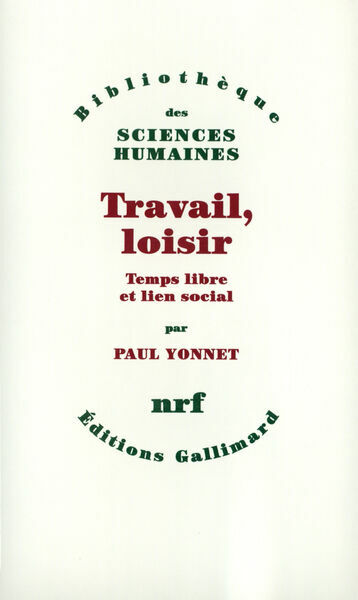
1999O3970Éditions Gallimard - Bibliothèque des sciences humaines, 1999, 326 p.
202002506Neuilly, Les editions Alain Mathieu, 1978 ; grand in-8, 28 pp., br.
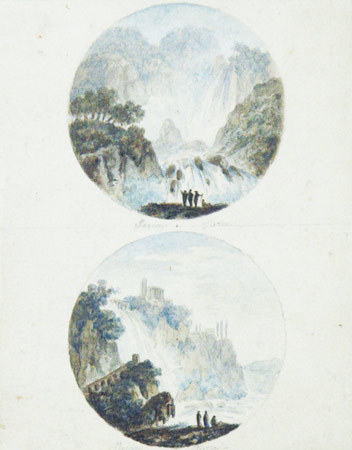
100021aafS.d., XVIIIe s., 2 ronds (8.5 cm de diam.) sur une même feuille 17.5 x 14 cm, 2 dessins au lavis brun et bleu sur une feuille, encadrement en bois (30 x 24.5 cm).
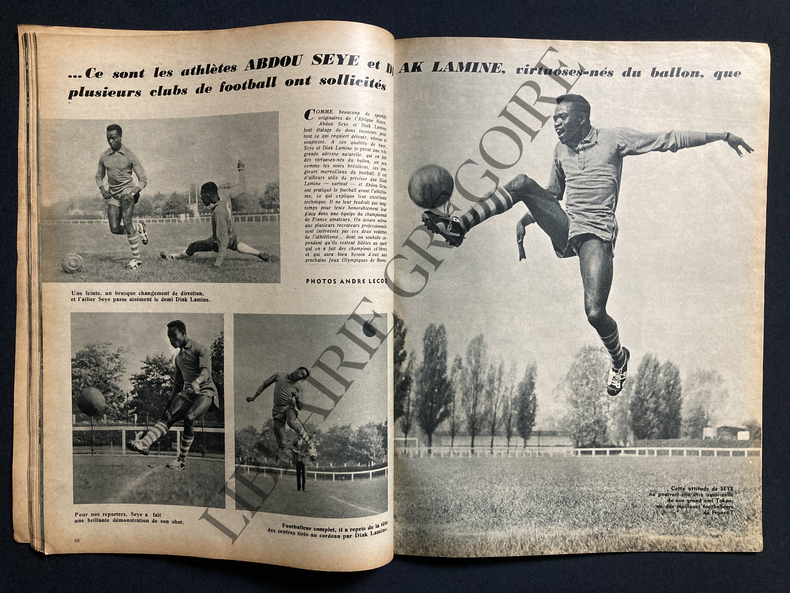
1959ABE-166051132014780 PAGES-24 CM X 32 CM-LE CATCH CHANGE DE FIGURE., 2P, 3 PHOTOS-L'ULTIME TEST DE VANNIER AVANT LE CHAMPIONNAT, 2P, 4 PHOTOS-LES NOUVEAUX HOMMES FORTS DU MONDE HALTEROPHILE, 2P, 4 PHOTOS-L'ERE DU TIERCE, PAR ELOTANA, 10 PAGES-LES CINQ JAUFFRET AU SERVICE, 2 PAGES, 2 PHOTOS-RIK II IMPERATOR, PAR JEAN BOBET, 5 PAGES, 3 PHOTOS-FLORENCE PETRY AMIEL: UNE JEUNE FILLE BIEN ELEVEE: 1 METRE 68, 2P, 5 PHOTOS-ROME: AVANT PREMIERE DES JEUX OLYMPIQUES, 2P, 4 PHOTOS-QUI SONT CES FOOTBALLEURS MYSTERIEUX?., ABDOU SEYE, DIAK LAMINE, 4 PAGES, 8 PHOTOS-LA SUCCESSION DE TONI SAILER EST OUVERTE, PAR SERGE LANG, 5 PAGES-LES 60 SELECTIONS DE ROGER MARCHE, PAR JEAN CORNU, 8 PAGES, 9 PHOTOS-LE CYCLISME A L'HEURE ITALIENNE PARADIS OU MIRAGE?, PAR JACQUES MARCHAND, 6 PAGES-LE JUDO OU EN EST-IL?, PAR GILBERT VISCONTI9 PAGES-CLAUDE BRASSEUR CHAMPION CYCLISTE DANS "RUE DES PRAIRIES", PHOTO
31050Paris Imprimerie Félix malteste et Cie 1859 in 12 (16x10) 1 volume broché, couverture imprimée, 69 pages. Règlement intérieur du Cercle, adopté en assemblée générale, les 3 et 9 février 1836, et modifié en assemblée générale des 10 avril 1853, 28 janvier et 3 mai 1855, 10 février et 9 mars 1856. Bel exemplaire ( Photographies sur demande / We can send pictures of this book on simple request )
31051Paris Imprimerie Félix Malteste et Cie 1862 in 12 (16x10) 1 volume broché, couverture imprimée, 80 pages. Règlement intérieur du Cercle, adopté en assemblée générale, les 3 et 9 février 1836, et modifié en assemblée générale des 10 avril 1853, 28 janvier et 3 mai 1855, 10 février et 9 mars 1856. Bel exemplaire ( Photographies sur demande / We can send pictures of this book on simple request )
31052Paris Imprimerie Félix Malteste et Cie 1863 in 12 (16x10) 1 volume broché, couverture imprimée, 79 pages, accroc de papier sur le plat supérieur de la couverture. Règlement intérieur du Cercle, adopté en assemblée générale, les 3 et 9 février 1836, et modifié en assemblée générale des 10 avril 1853, 28 janvier et 3 mai 1855, 10 février et 9 mars 1856. Bel exemplaire ( Photographies sur demande / We can send pictures of this book on simple request )
31053Paris Imprimerie Félix Malteste et Cie 1864 in 12 (16x10) 1 volume broché, couverture imprimée, 95 pages. Règlement intérieur du Cercle, adopté en assemblée générale, les 3 et 9 février 1836, et modifié en assemblée générale des 10 avril 1853, 28 janvier et 3 mai 1855, 10 février et 9 mars 1856. Bel exemplaire ( Photographies sur demande / We can send pictures of this book on simple request )
31060Paris Imprimerie Jouaust 1866 in 12 (16x10,5) 1 volume broché, couverture imprimée, 138 pages [1], quelques ajouts manuscrits anciens (noms de membres). Règlement intérieur du Cercle de la Rue Royale, adopté en assemblée générale du 7 janvier 1866. Bel exemplaire ( Photographies sur demande / We can send pictures of this book on simple request )
31061Paris Imprimerie Jouaust 1867 in 12 (16x10,5) 1 volume broché, couverture imprimée, 149 pages [1], quelques ajouts manuscrits anciens (noms de membres). Règlement intérieur du Cercle de la Rue Royale, adopté en assemblée générale du 7 janvier 1866. Bel exemplaire ( Photographies sur demande / We can send pictures of this book on simple request )
31062Paris Imprimerie Jouaust 1868 in 12 (16x10,5) 1 volume broché, couverture imprimée, 81 pages. Règlement intérieur du Cercle de la Rue Royale, adopté en assemblée générale du 7 janvier 1866. Bel exemplaire ( Photographies sur demande / We can send pictures of this book on simple request )
38174Paris Imprimerie Félix Malteste et Cie 1892 in 12 (16,5x10,5) 1 volume broché, couverture imprimée, 127 pages [2]. Règlement intérieur du Cercle, adopté en assemblée générale, les 3 et 9 février 1836, et modifié en assemblée générale des 10 avril 1853, 28 janvier et 3 mai 1855, 10 février et 9 mars 1856.... Bel exemplaire ( Photographies sur demande / We can send pictures of this book on simple request )
2017H-226-102Blackie Books 2017. Hardcover. Very Good. Ammareal gives back up to 15% of this item's net price to charity organizations. Blackie Books hardcover
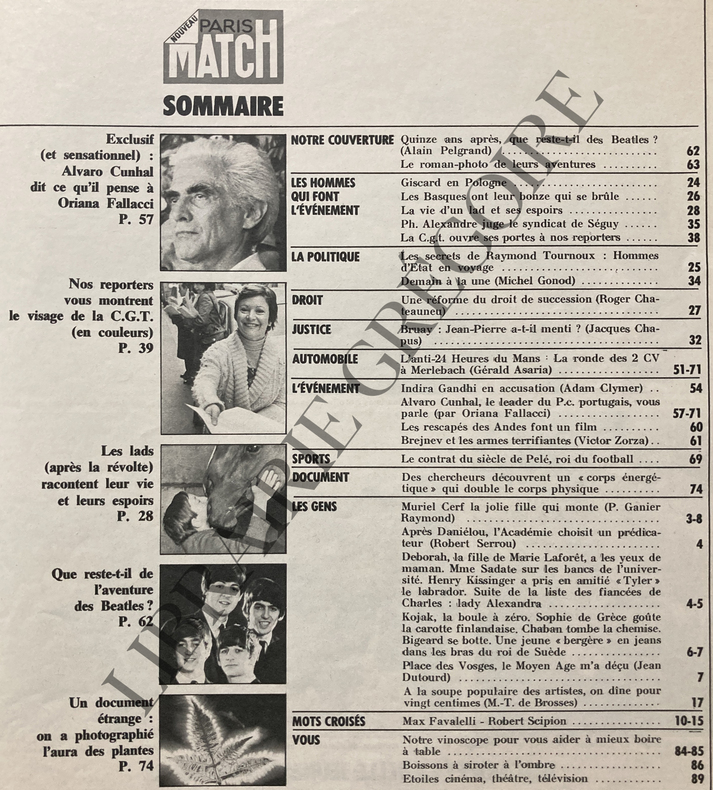
1975ABE-166367488970392 PAGES-"POUR QUE L'ESPRIT VIVE"; SOUPE POPULAIRE DES ARTISTES, 1P-LA VIE D'UN LAD ET SES ESPOIRS-AFFAIRE DE BRUAY-EN-ARTOIS, RECONSTITUTION-LA CGT PORTES OUVERTES, 8P-LES 24 HEURES DES "DEUX PATTES", 3P-LE WATERGATE D'INDIRA GANDHI, 3P-ALVARO CUNHAL PARLE, 4P-ILS EN FONT UN FILM; 1P SUR LE VOL FUERZA AÉREA URUGUAYA 571-BREJNEV ET L'ARME QUI TUE LE CERVEAU, 1P-QUE RESTE-T-IL DES BEATLES ?, 7P AVEC DE NOMBREUSES PHOTOS-PELÉ DONNE LE COUP D'ENVOI DE SON "CONTRAT DU SIÈCLE", 1P-PUBLICITÉ SONY AVEC DICK RIVERS-COMPLET
19482441Partitions sur le Jeu,Partitions sur le Sport Arpège 1948
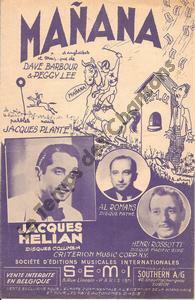
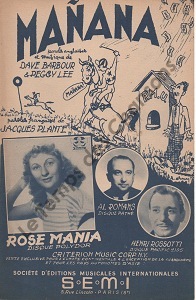
19493177Partitions sur le Jeu,Partitions sur le Sport S.E.M.I 1949
194918754Partitions sur le Jeu S.E.M.I 1949
194974959Partitions sur le Jeu,Partitions sur le Sport S.E.M.I 1949