ARTHUR CONTELivre Rare Book
9 résultats
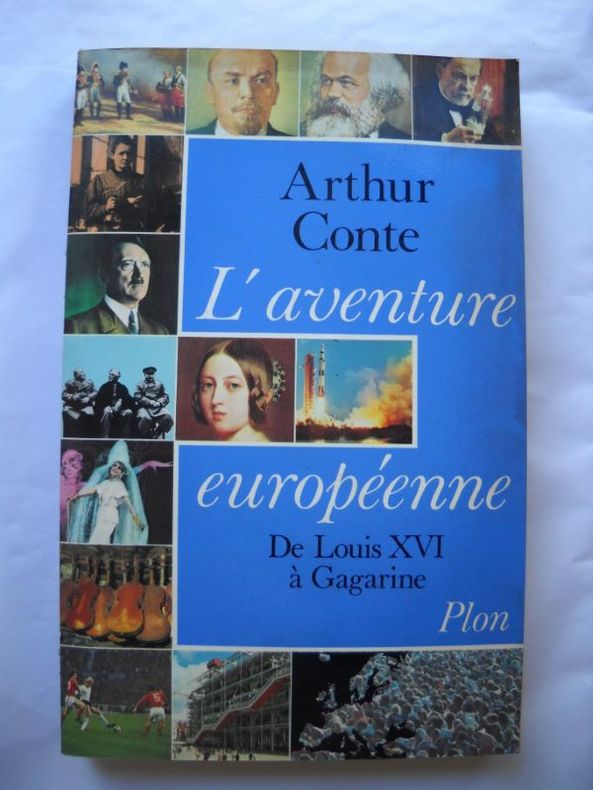
1552186921552 Broché - 15,5 x 24 - 443 pp - année 1979 - Editions Plon -
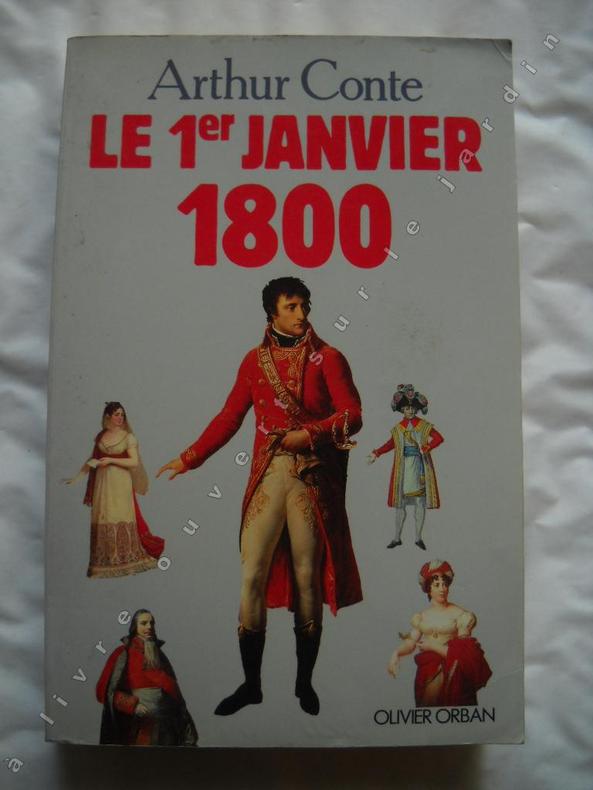
1523177441523 broché - 15x23.5 - 486pp - 1990 - éditions OLIVIER ORBAN
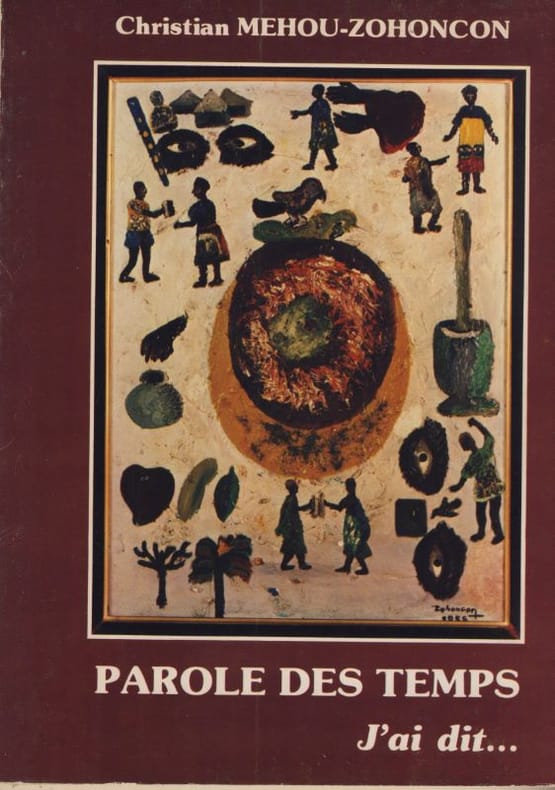
150254901502 Broché, bon état, dédicace en page de garde, 150x215, 157 gr, 119 pages, illustrations N&B,
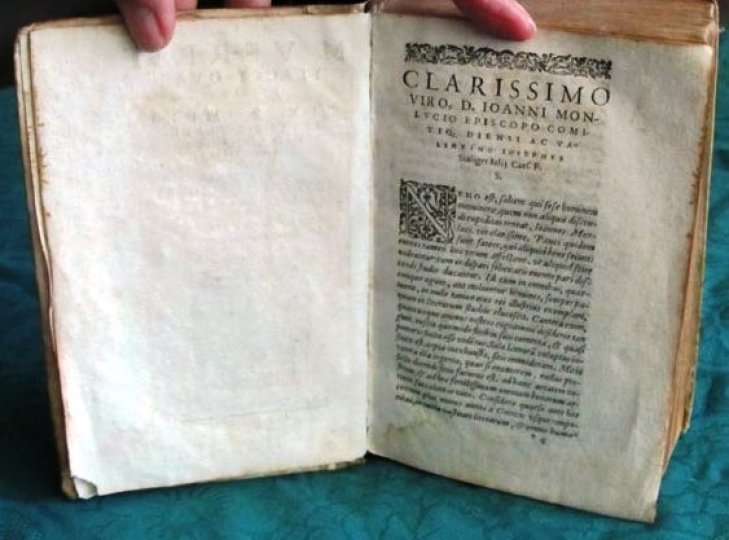
1543022647Vinegia per Bartolomio da Lodrone detto l'Imperadore, e Francesco Venetiano, 1543 Un volume petit in-8° (97 x 147 mm), [27] ff. (A-C8 D3). Reliure ancienne en pleine Basane mouchetée brune, dos à nerfs, titre et caissons fleuronnés, gardes peignées. (présence d'une mouillure claire avec atteinte au texte sur l'ensemble des feuillets, exemplaire rogné, court en tête mais sans perte de lettre, tout petit travail de ver en marge intérieure à une dizaine de feuillets mais sans incidence sur le texte, présence de quelques rousseurs pâles et d'une auréole jaune en milieu du dernier feuillet). Titre encadré d'une belle marque xylographique. Timbre ancien sur le titre. Annotations anciennes au crayon de papier sur le feuillet blanc situé en regard du titre. Ex-libris manuscrit (illisible) au bas du titre, un ex-libris ancien gravé et collé sur le premier feuillet : E Di Gregorio Regoli Faentino P.Arc. Plaisant opuscule attribué à Jean Boccace. Rare.
157414650M. Verrii Flacci quae extant Sex. Pompei Festi De Verborum Significatione libri XX. Et in Eos Josephi Scaligeri Iul. Caesaris Filii Castigationes nunc primum publicatae.Marcus Verrius Flaccus (né vers 55 avant J.-C., mort en 20 après J.-C.), est un savant érudit, historien, philologue, poète, grammairien et maître d'école (grammaticus) romain, exerçant sous les règnes d'Auguste et de Tibère.Festus Grammaticus, Sextus Pompeius Festus est un grammairien latin de la fin du IIe siècle ap. J.-C, ayant peut-être vécu à Narbo (Narbonne).Il avait composé, sous le titre de Significatione Verborum, une sorte de dictionnaire précieux pour la connaissance des antiquités romaines, de la langue latine et de la mythologie.Joseph Juste Scaliger, fils de Jules César Scaliger, né en 1540 à Agen et mort en 1609 à Leyde est l'un des plus grands érudits français du XVIe siècle. Il surpassa de loin son père comme philologue, et se fit en outre un nom comme chronologiste et historien.Sans lieu (Genève), Apud Petrum Santandreanum 1574-1575. Préface, 200 pages, index, et Annotationes (1574), 76 pages.Reliure plein vélin de l'époque. Dos à nerfs avec titre manuscrit (restauré). Quelques mouillures. 2 coins frottés. Pas de rousseur. Bon état. Format in-12°(17x12).
15871711300045Francofurti ad Moenum ex officina Ioannis Wecheli 1587. Hardcover. Good. Folio. Title page in red and black Later mottled calf raised bands compartments decorated in gilt leather spine label. Rubbing modern restoration to leather. Contemporary signature to front flyleaf and title. Title page creased and tender. Moderate toning contemporary ink underscoring. Scattered spotting. <br> The Corpus Juris or Iuris Civilis "Body of Civil Law" is a collection of fundamental works in jurisprudence issued from 529 to 534 by order of Justinian I Eastern Roman Emperor. Its influence on common law legal systems has been much smaller although some basic concepts from the Corpus have survived through Norman law – such as the contrast especially in the Institutes between statute and custom. The Corpus continues to have a major influence on public international law. Its four parts thus constitute the foundation documents of the Western legal tradition. In the Renaissance Justinian’s Code was translated into vernacular languages and formed the base for the legal system for the majority of countries up until the 19th century. Francofurti ad Moenum ex officina Ioannis Wecheli hardcover
154719132Vinegia: Figlioli di Aldo Aldus 1547. Early Printing by Aldus. Elaborate Aldine device Impressed on the titlepage and at the end on the verso of the colophon leaf. Dedication to Michel de Selva vescovo di Viseo. 8vo bound in 17th century stiff vellum red morocco lettering label gilt. ff. 5 195 8. A fine example with the title label with a bit of chipping and with some light loss. RARE ALDINE EDITION OF THE CLASSIC LANDMARK IL CORTEGIANO. Castiglione’s great work is one of the most famous books of the Italian Renaissance and represents the highest level of commitment to the prince and the new political and social order. The Courtier is the prototype of the courtesy book written as conversation between members of the court. At the time of its composition Castiglione was at the court of Guidobaldo de Montefeltre and Elizabetta Gonzaga at Urbino together with Bembo Giuliano de' Medici Federico Fregoso and other Renaissance luminaries; members of that court feature as speakers in the conversation. <br> Castiglione after serving the Sforzas at Milan and the Gonzagas at Mantua came to the Court of Urbino in 1504 where de Montefeltre and his consort Elizabetta Gonzaga were the center of the most brilliant court in Italy which counted among its members Bembo Bibbiena G. de’Medici and many other eminent men. This brilliant book is based on Castiglione’s experience of life among these dazzling figures.<br> ‘The Courtier’ depicts the ideal aristocrat and it has remained the perfect definition of a gentleman ever since. It is an epitome of the highest moral and social ideas of the Italian Renaissance and is written in the form of a discussion between members of the court. The fundamental idea that a man should perfect himself by developing all his faculties goes back to Aristotle’s ETHICS and many of the Aristotelian virtues reappear---honesty magnanimity and good manners. The ideal man should also be proficient in arms and games be a scholar and connoisseur of art; he should develop graceful speech and cherish a sense of honour. Relations between the prince and the courtier forms of government and rules for the conduct of a lady are also discussed and the book ends with the celebrated pronouncement on platonic love by Bembo.<br> This Renaissance ideal of the free development of individual faculties and its rules of civilized behaviour formed a new conception of personal rights and obligations in Europe. The book was translated into most European languages and between 1528 and 1616 no less than one hundred and eight editions were published. It had great influence in Spain where traces of it can be found in DON QUIXOTE and in France in Corneille’s writings. But its most potent influence was probably in England. Its influence can be seen in Shakespeare Spenser Ben Jonson Sir Philip Sidney Robert Burton and Shelley. It had a great impact on the development of English drama and comedy.<br> The beautiful and highly important printings of the house of Aldus are exceptional and revered in their own right. This one of the most exceptional of Italian Renaissance works published by the great Renaissance printer of Italy. Figlioli di Aldo (Aldus) hardcover
1528007941Firenze Florence: Li Heredi di Philppo di Giunta 1528. Second Edition. Full Vellum. Very Good. This second edition the first edition octavo in size was issued the same year as the genuine first edition which was published in Venice. 8vo. 158 by 102 mm. Unpaginated 220 leaves. Decorative vignette or device on title page with two seraphs on side of large fleur-de-lys. Same device in somewhat fainter print on final leaf with no other printing on page. Full vellum is contemporary or early at least with yapp edges. Leather straps used to create raise bands on spine also exposed deliberately on boards by joints. Title written by hand on spine. Two vellum leaves both narrow strips in front and rear. Both of these vellum pieces have ancient printed matter in Latin or very old and now faint hand-writing. Also some ancient hand-writing on final leaf some of it upside down. Part of title "Conteg" written on lower fore-edge. The vellum boards are a limp vellum and they now curve out as typical of vellum. The rear board is detached from the text block. The vellum has a moderate amount of soiling but not a level that should be concerning. It is an amount one would expect for a binding of this age and might be regarded almost as desirable "seasoning". Some of this will submit favorably to a cleaning even with a simple eraser if one so desires. The first and last leaves are somewhat gritty but overall the pages are comparatively clean and the text is entirely legible. [Li Heredi di] Philppo di Giunta unknown
154525180Vinegia: Figlioli di Aldo Aldus 1545. A very early and rare printing of Castiglione by Aldus in the original folio format mirroring the 1528 printing. Elaborate Aldine device impressed on the title and at the end on the verso of the colophon leaf. Dedication to Michel de Selva vescovo di Viseo. Folio handsomely bound in fine Italian vellum. 122 ff. pp. A beautifully preserved copy handsome and clean. RARE ALDINE EDITION OF THE CLASSIC LANDMARK IL CORTEGIANO. Castiglione’s great work is one of the most famous books of the Italian Renaissance and represents the highest level of committment to the prince and the new political and social order. The Courtier is the prototype of the courtesy book written as conversation between members of the court. At the time of its composition Castiglione was at the court of Guidobaldo de Montefeltre and Elizabetta Gonzaga at Urbino together with Bembo Giuliano de' Medici Federico Fregoso and other Renaissance luminaries; members of that court feature as speakers in the conversation. <br> Castiglione after serving the Sforzas at Milan and the Gonzagas at Mantua came to the Court of Urbino in 1504 where de Montefeltre and his consort Elizabetta Gonzaga were the center of the most brilliant court in Italy which counted among its members Bembo Bibbiena G. de’Medici and many other eminent men. This brilliant book is based on Castiglione’s experience of life among these dazzling figures.<br> ‘The Courtier’ depicts the ideal aristocrat and it has remained the perfect definition of a gentleman ever since. It is an epitome of the highest moral and social ideas of the Italian Renaissance and is written in the form of a discussion between members of the court. The fundamental idea that a man should perfect himself by developing all his faculties goes back to Aristotle’s ETHICS and many of the Aristotelian virtues reappear---honesty magnanimity and good manners. The ideal man should also be proficient in arms and games be a scholar and connoisseur of art; he should develop graceful speech and cherish a sense of honour. Relations between the prince and the courtier forms of government and rules for the conduct of a lady are also discussed and the book ends with the celebrated pronouncement on platonic love by Bembo.<br> This Renaissance ideal of the free development of individual faculties and its rules of civilized behaviour formed a new conception of personal rights and obligations in Europe. The book was translated into most European languages and between 1528 and 1616 no less than one hundred and eight editions were published. It had great influence in Spain where traces of it can be found in DON QUIXOTE and in France in Corneille’s writings. But its most potent influence was probably in England. Its influence can be seen in Shakepeare Spenser Ben Jonson Sir Philip Sidney Robert Burton and Shelley. It had a great impact on the development of English drama and comedy.<br> The beautiful and highly important printings of the house of Aldus are exceptional and revered in their own right. This one of the most exceptional of Italian Renaissance works published by the great Renaissance printer of Italy. Figlioli di Aldo (Aldus) hardcover