26 128 résultats
1689R100746Lovanii [Leuven], sumptibus Aegidii Denique 1689 2 parts in 1 physical volume: [4] + 270 + [2] pp. & [4] + 558 + [32] pp., 4th edition ("Editio quarta ceteris accuratior"), text in Latin, 32cm., contemporary full leather binding (gilt title and decorations on spine, corners bit bumped), titlepages in red and black with engraved vignette, some ornamental initials, text clean and bright, good condition, [the last page contains the following colophon "Lovanii, apud Cyprianum Coenestenium Typograph. iuratum sub aurea Lampade, anno M.DC.LXVIII"], weight: 2.5kg., [Joannes Wiggers, born in 1571 in Diest (Belgium), died in Leuven in 1639, was a theologian who became famous for his commentaries on Thomas Aquinas ; this volume contains his commentaries on the "pars tertiam"], R100746
1689R100747Lovanii [Leuven], sumptibus Aegidii Denique 1689 2 parts in 1 physical volume: [4] + 368 pp & [12] + 767 + 28 pp., 4th edition ("Editio quarta ceteris accuratior"), text in Latin, 32cm., contemporary full leather binding (gilt decorations on spine, corners bit bumped, some use and upper ends of joints slightly broken), titlepages in red and black with engraved vignette, some ornamental initials, text and interior is clean and bright and in very good condition, weight: 3kg., [Joannes Wiggers, born in 1571 in Diest (Belgium), died in Leuven in 1639, was a theologian who became famous for his commentaries on Thomas Aquinas ; this volume contains his commentaries on the "pars secundam"], R100747
1689R100748Lovanii [Leuven], sumptibus Aegidii Denique 1689 2 parts in 1 physical volume: [2] + 437 + [22] pp. & [4] + 546 + [28] pp., 4th edition ("Editio quarta ceteris accuratior"), text in Latin, 32cm., contemporary full leather binding (gilt decorations on spine, corners rubbed, some use, ends of joints slightly damaged), titlepages in red and black with engraved vignette, some ornamental initials, text and interior is clean and bright except for some contemporary small underlinings, overall in good condition, [the last page of the first part contains the following colophon "Lovanii, apud Hieronymum Nempaeum typographum juratum anno M.DC.LXXXVI"], weight: 3kg., [Joannes Wiggers, born in 1571 in Diest (Belgium), died in Leuven in 1639, was a theologian who became famous for his commentaries on Thomas Aquinas ; this volume contains his commentaries on the "pars primam"], R100748
1666R100767Lovanii [Leuven], 1666-1689 Two works by Joannes Wiggers bound in 1 physical volume, 34cm., contemporary full leather binding (gilt title and decorations on spine faded, some use bit still good), printed in 2 columns, text in Latin, text clean and bright, weight: 3kg., good condition, [Detailed content; I: Commentaria de Virtutibus theologicis, Fide, Spe, Charitate cum annexis de quibus tractat D. Thomas in 2.2 a quaest. I. usque ad quaest. XLVI, Lovanii, typis Cypriani Coenestenii [Cypriaan Coenesteyn], 1666, [2bl.] + [8] + 368pp., with engraved printer's device on titlepage // II: Commentaria de jure et justitia ceterisque virtutibus cardinalibus, cum annexis & Martinus Steyaert: Appendix ad commentaria Joannis Wiggers de jure et justitia, Lovanii, sumptibus Aegidii Denique, 1689, [18] + 767 + 27 pp., 4th edition, titlepage in red and black and with engraved printer's device, with some ornamental initials, dedication to Joannes Baptista Christyn chancellor of the council of Brabant, few wormholes in margin of some pages (not affecting the text)], [Joannes Wiggers, born in 1571 in Diest (Belgium), died in Leuven in 1639, was a theologian who became famous for his commentaries on Thomas Aquinas], R100767
1656R100768Lovanii [Leuven], typis Cypriani Coenestenii [Cypriaan Coensteyn] (& Georgij Lipsij) 1656-1661 Two works by Joannes Wiggers bound in 1 physical volume, 31cm., text in Latin, text clean and bright, contemporary typically Flemish full leather binding (gilt title and decorations on spine, blnd stamped decorations on both covers, corners rubbed, closing cords missing, thus some traces of use though still good), weigth: 3.5kg., good condition, [Detailed content; I: Commentaria de Virtutibus theologicis, Fide, Spe, Charitate, cum annexis de quibus tractat D. Thomas in 2.2 à quaest. I usque ad quaest. XLVI, Lovanii, typis Cypriani Coenestenii [Cypriaan Coensteyn], 1656, [8] + 368pp., with engraved printer's device on titlepage // II: Commentaria de Jure et Justitia ceterisque virtutibus cardinalibus cum annexis de quibus tractat D. Thomas in 2.2. a quaest. 47 usque ad quaest. 171, Lovanii, typis Cypriani Coenestenii & Georgij Lipisij, 1661, [16] + 868pp., with engraved printer's device on titlepage], [Joannes Wiggers, born in 1571 in Diest (Belgium), died in Leuven in 1639, was a theologian who became famous for his commentaries on Thomas Aquinas], R100768
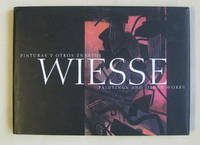
2005001253Peru: Ediciones Sociedad Agricola Chanca 2005. First edition. Hardcover. Very Good /very good . Oblong 8vo. 192 pp. Bound in illustrated boards in matching dust jacket. Full-color illustrations. Text in Spanish and English. Inscribed by Artist to Latin American colonial literature scholar Rolena Adorno: "Para Rolena Adorno/este recuento provisional de/voces y figuras de una geografía/e historias singulares/con todo aprecio Ricardo Wiesse/19 Jul 05." Very Good light bumping to corners in Very Good dust jacket with light wear to extremities. <br/><br/> Ediciones Sociedad Agricola Chanca hardcover
Small stamp to wraps. Spine ends are reinforced with cellotape with tear to base of spine cover. Clean text. Scholars' bookplate to inner cover. ; Tübinger Beiträge Zur Altertumswissenschaft IV; 183 pages
160002Wien, Verlag der Österreichischen Akademie der Wissenschaften, 2016.
A. Durand, Paris. 1851. In-8 Carré. Broché. Etat d'usage. Plats abîmés. Dos fané. Rousseurs. 62 pages. Etiquette de code sur la couverture. Quelques tampons de bibliothèque. Manque important sur le bord inférieur du 2e plat. Petit manque sur le bord supérieur de la page de faux-titre. Fortes rousseurs. Scripsit A. Widal, in Academia Paris. Jam Licentiatus ad Gradum Doctoris Promovendus.
1851RO40258280A. Durand, Paris. 1851. In-8. Broché. Etat d'usage, Plats abîmés, Dos fané, Rousseurs. 62 pages. Etiquette de code sur la couverture. Quelques tampons de bibliothèque. Manque important sur le bord inférieur du 2e plat. Petit manque sur le bord supérieur de la page de faux-titre. Fortes rousseurs.. . . . Classification Dewey : 470-Langues italiques. Latin
112 pages. Features: Cover photo of U.N. Security Council discussing the Cyprus question; Gorgeous fashion ads; The LBJ Way with Congress; Photos of prospective Republican Presidential candidates Nelson Rockefeller, Barry Goldwater, Richard Nixon and Gov. William W. Scranton; Article on the state of Britain's 'uncommon commonwealth' with photo of Queen Elizabeth meeting Africans in their traditional attire; Cyprus - Island if Hate and Fear - a look at the Greeks and Turks who survivied four centuries as friendly enemies but have now succumbed to dark forces; New Armies Take Over Latin America - article with bloody photo from Venezuela; What must be done to Slow Down Nuclear Proliferation; The Genius of Michelangelo as seen by sculptor Henry Moore; Emperor Haile Selassie Attempts to Unite Africa - article with photo; The Sew-It-Yourself Boom; Tensor-Lite ad; Three fantastic 180 degree aerial photos of the New York skyline, Midtown and the World's Fairground; Photos of Red Cross volunteers in action; Medaglia D'Oro Coffee ad features blonde at chessboard; Two pages of men's fashion photos; Color photo of amazing Inca ruins in Grace Line ad; Ladies' raincoat fashion photos; Future Clubs; Photos of modern interior design ideas from Britain; Article on Snuff - not to be sneezed at. Average wear. Unmarked. A sound vintage copy Book
RO20190689E TYPOGRAPHEO CLARENDONIANO. NON DATE. In-8. Relié. Bon état, Couv. convenable, Dos satisfaisant, Intérieur frais. X + environs 60 pages.. . . . Classification Dewey : 470-Langues italiques. Latin
238 pages including index and black and white photographic plates. Describes the changing social structure of a northwest Ecuadorian port town. Central thesis is that the Negroes of San Lorenzo have successfully adapted their social system to new and expanding economic, social, and political orders. Unmarked copy with very light wear. Coffee drop stain upon fore-edge. Book
Gift inscription from author to R. E. Fantham on ffep. Else book is fine. ; Cicero in Letters is a guide to the first extensive correspondence that survives from the Greco-Roman world. The more than eight hundred letters of Cicero that are its core provided literary models for subsequent letter writers from Pliny to Petrarch to Samuel Johnson and beyond. The collection also includes some one hundred letters by Cicero's contemporaries. The letters they exchanged provide unique insight into the experience of the Roman political class at the turning point between Republican and imperial rule. The first part of this study analyzes effects of the milieu in which the letters were written. The lack of an organized postal system limited the correspondence that Cicero and his contemporaries could conduct and influenced what they were willing to write about. Their chief motive for exchanging letters was to protect political relationships until they could resume their customary, face-to-face association in Rome. Romans did not normally sign letters, much less write them in their own hand. Their correspondence was handled by agents who drafted, expedited, and interpreted it. Yet every letter advertised the level of intimacy that bound the writer and the addressee. Finally, the published letters were not drawn at random from the archives that Cicero left. An editor selected and arranged them in order to impress on readers a particular view of Cicero as a public personality. The second half of the book explores the significance of leading themes in the letters. It shows how, in a time of deepening crisis, Cicero and his correspondents drew on their knowledge of literature, the habit of consultation, and the rhetoric of government in an effort to improve cooperation and to maintain the political culture which they shared. The result is a revealing look at Cicero's epistolary practices and also the world of elite social intercourse in the late Republic. ; 256 pages; Signed by Author
Book is fine. Light sunning to panels of DJ. Small sticker stain to rear panel of DJ. 2 small tears to DJ. ; It served a poet well indeed to have Augustus for a friend. And if Augustus were a friend of poets? All the better for the great glory of Roman letters. It is this arrangement, complicated by questions of influence and accommodation and simple human susceptibility to the blandishments of power, that Peter White explores in "Promised Verse". Combining social history and literary interpretation, this book reveals the circumstances of poetic production in the golden era of Virgil, Ovid, Horace, Tibullus, and Propertius. Peter White takes a close look at the relationship between the Augustan poets and the men of wealth and status who befriended them - and rewarded their literary efforts with money, gifts, and the benefits of illustrious connection. These ties - between, for instance, Horace and Maecenas - appear as part of an elaborate system of social conventions, a system of mutual advantage to poet and patron. Within this context, White also considers groups and institutions - the mysterious collegium poetarum, the schools of the grammarians, libraries, and public recitations - that helped the poet make his way and linked him to Roman society. In Augustus we see a patron comparable in many ways to his aristocratic counterparts. The Emperor sought to promote Roman literature, and yet seems to have intervened only rarely in the poetry he sponsored. Contrary to a view that has been prevalent since the eighteenth century, the result was not literary propaganda. Instead, White shows, the public poetry created by Augustan poets was as independent and inventive as the rest of their work. ; 330 pages
Book is fine. DJ protected in mylar. ; It served a poet well indeed to have Augustus for a friend. And if Augustus were a friend of poets? All the better for the great glory of Roman letters. It is this arrangement, complicated by questions of influence and accommodation and simple human susceptibility to the blandishments of power, that Peter White explores in "Promised Verse". Combining social history and literary interpretation, this book reveals the circumstances of poetic production in the golden era of Virgil, Ovid, Horace, Tibullus, and Propertius. Peter White takes a close look at the relationship between the Augustan poets and the men of wealth and status who befriended them - and rewarded their literary efforts with money, gifts, and the benefits of illustrious connection. These ties - between, for instance, Horace and Maecenas - appear as part of an elaborate system of social conventions, a system of mutual advantage to poet and patron. Within this context, White also considers groups and institutions - the mysterious collegium poetarum, the schools of the grammarians, libraries, and public recitations - that helped the poet make his way and linked him to Roman society. In Augustus we see a patron comparable in many ways to his aristocratic counterparts. The Emperor sought to promote Roman literature, and yet seems to have intervened only rarely in the poetry he sponsored. Contrary to a view that has been prevalent since the eighteenth century, the result was not literary propaganda. Instead, White shows, the public poetry created by Augustan poets was as independent and inventive as the rest of their work. ; 330 pages
Book is fine. DJ has very light shelfwear. ; It served a poet well indeed to have Augustus for a friend. And if Augustus were a friend of poets? All the better for the great glory of Roman letters. It is this arrangement, complicated by questions of influence and accommodation and simple human susceptibility to the blandishments of power, that Peter White explores in "Promised Verse". Combining social history and literary interpretation, this book reveals the circumstances of poetic production in the golden era of Virgil, Ovid, Horace, Tibullus, and Propertius. Peter White takes a close look at the relationship between the Augustan poets and the men of wealth and status who befriended them - and rewarded their literary efforts with money, gifts, and the benefits of illustrious connection. These ties - between, for instance, Horace and Maecenas - appear as part of an elaborate system of social conventions, a system of mutual advantage to poet and patron. Within this context, White also considers groups and institutions - the mysterious collegium poetarum, the schools of the grammarians, libraries, and public recitations - that helped the poet make his way and linked him to Roman society. In Augustus we see a patron comparable in many ways to his aristocratic counterparts. The Emperor sought to promote Roman literature, and yet seems to have intervened only rarely in the poetry he sponsored. Contrary to a view that has been prevalent since the eighteenth century, the result was not literary propaganda. Instead, White shows, the public poetry created by Augustan poets was as independent and inventive as the rest of their work. ; 330 pages
Former owner's name on ffep. Light pencil underlining and marginalia to a few pages. Spine is a little sunned and dulled. ; Contents include articles on: The Gods of Homer; The Seal of Theognis; Pelias and his Pallid Wits; Salamis Symphony: The Persae of Aeschylus; Notes on Oedipus at Colonus; Medea-Interpretations; The Spartan Invasion of Attica in 431 B. C. ; Why was Socrates tried? ; Epicurus and Menander; Clement of Alexandria's Attitude toward Greek Philosophy; Lucretius on the Roman Theatre; The Restoration of the Virgilian Farm; Horace's Ninth Satire in its Setting; The Interpretation of Seneca em 46.1; The Prophet in Israel and in Greece; and other articles. ; Phoenix Journal of the Classical Association of Canada Supplementary; 278 pages
Light shelfwear. ; Contents include articles on: The Gods of Homer; The Seal of Theognis; Pelias and his Pallid Wits; Salamis Symphony: The Persae of Aeschylus; Notes on Oedipus at Colonus; Medea-Interpretations; The Spartan Invasion of Attica in 431 B. C. ; Why was Socrates tried? ; Epicurus and Menander; Clement of Alexandria's Attitude toward Greek Philosophy; Lucretius on the Roman Theatre; The Restoration of the Virgilian Farm; Horace's Ninth Satire in its Setting; The Interpretation of Seneca em 46.1; The Prophet in Israel and in Greece; and other articles. ; Phoenix Journal of the Classical Association of Canada Supplementary; 278 pages
General shelfwear and rubbing to boards. ; Contents include articles on: The Gods of Homer; The Seal of Theognis; Pelias and his Pallid Wits; Salamis Symphony: The Persae of Aeschylus; Notes on Oedipus at Colonus; Medea-Interpretations; The Spartan Invasion of Attica in 431 B. C. ; Why was Socrates tried? ; Epicurus and Menander; Clement of Alexandria's Attitude toward Greek Philosophy; Lucretius on the Roman Theatre; The Restoration of the Virgilian Farm; Horace's Ninth Satire in its Setting; The Interpretation of Seneca em 46.1; The Prophet in Israel and in Greece; and other articles. ; Phoenix Journal of the Classical Association of Canada Supplementary; 278 pages
Light shelfwear. DJ has edgewear along top edge with chipping and a few small tears. DJ spine is browned. ; Contents include articles on: The Gods of Homer; The Seal of Theognis; Pelias and his Pallid Wits; Salamis Symphony: The Persae of Aeschylus; Notes on Oedipus at Colonus; Medea-Interpretations; The Spartan Invasion of Attica in 431 B. C. ; Why was Socrates tried? ; Epicurus and Menander; Clement of Alexandria's Attitude toward Greek Philosophy; Lucretius on the Roman Theatre; The Restoration of the Virgilian Farm; Horace's Ninth Satire in its Setting; The Interpretation of Seneca em 46.1; The Prophet in Israel and in Greece; and other articles. ; Phoenix Journal of the Classical Association of Canada Supplementary; 278 pages
Light shelfwear. Former owner's name on ffep. Very light foxing to textblock else NF. DJ has edgewear with chipping and a few small tears. DJ spine is browned. DJ is badly rubbed in places causing colour loss and with small holes. ; Contents include articles on: The Gods of Homer; The Seal of Theognis; Pelias and his Pallid Wits; Salamis Symphony: The Persae of Aeschylus; Notes on Oedipus at Colonus; Medea-Interpretations; The Spartan Invasion of Attica in 431 B. C. ; Why was Socrates tried? ; Epicurus and Menander; Clement of Alexandria's Attitude toward Greek Philosophy; Lucretius on the Roman Theatre; The Restoration of the Virgilian Farm; Horace's Ninth Satire in its Setting; The Interpretation of Seneca em 46.1; The Prophet in Israel and in Greece; and other articles. ; Phoenix Journal of the Classical Association of Canada Supplementary; 278 pages
pp. xi, 366 + Full page photographs. Pictorial title page. Map endpapers. Sm. 4to. Original full cloth binding. Hardbound. LATIN AMERICA BOX 2.
Book has been rebound in blue boards. A few pages have been repaired with tape which has browned. Some chipping to endpages. ; 386 pages
Brief but comprehensive textbook about ancient Rome for English schools : Parts I- II. History. Parts III- V. Life and Literature. 335p. fold-out maps. Clean crisp and tight copy- looks unused, but some very slight shelf wear to edges Book