1 089 résultats
19302090502128704765Fumi Ka-sha 1930. Soft Cover. Fine. Number of pages: 541 pages Size: chrysanthemum format Number of books: 1 volume Fumi Ka-sha paperback
19712081002108801043Kadokawashoten 1971. Soft Cover. Fine. Number of books: 1 Kadokawashoten paperback
19872081402110003503Iwanami bunko 1987. Soft Cover. Fine. Number of books: 1 Iwanami bunko paperback
19802090202122700961Iwanamishoten 1980. Soft Cover. Fine. The book is in fine condition. Iwanamishoten paperback
196644583BBBerlin, de Gruyter, 1966. Originalausgabe de Gruyter (1966). VIII, 336 Seiten. Mit goldener Titelprägung versehener Original-Ganzleinenband. Bibliotheks-Exemplar (Bibliotheks-Etikett auf dem Buchrücken, Bibliotheks-Stempel [Ausgeschieden] auf Titelblatt und Schnitt). Innen ansonst (Quellen und Studien zur Geschichte der Philosophie, 10).
19706045856Kiel 1970. 8°. 425 pp. Broschur. Kleines Signaturschild. Stempel verso Titel. Sonst ordentlich.
1993106749Stuttgart-Bad Cannstatt, Frommann-Holzboog 1993. 173 Seiten. Softcover/Paperback
199319221CBStuttgart / Bad Cannstatt, Frommann Holzboog Verlag, 1993. 8° / octavo. 174 Seiten. Original kartoniert. Die Versandkosten für Kunstwerke und mehrbändige Werke können von den Standard-Versandkosten abweichen. Einband mit Fleck, sonst gut erhalten. = legenda 1.
190190640Kaiserslautern, ohne Druckvermerk 1901. 43 S. Orig.-Geheftet. - Titel alt gestempelt.
1975G0226776972I5N00Univ of Chicago Pr 1975. Hardcover. Acceptable. Readable copy. Pages may have considerable notes/highlighting. ~ ThriftBooks: Read More Spend Less.Dust jacket quality is not guaranteed. Univ of Chicago Pr hardcover
1995Q-1555236103Scythe Publications inc 1995-11-01. paperback. New. In shrink wrap. Looks like an interesting title! Scythe Publications inc paperback
190823160Halle, Niemeyer 1908. 131 Seiten. Broschiert
190892528Bayreuth, Druck Ellwanger 1908. 22 S. Gr.-8°. Orig.-Geheftet.
1961163410-1Hamburg, Meiner 1961. XXX; 337 S. Original-Leinenband
1965002844Niu Iork New York: By the Author 1965. First Edition. Very good. First edition; 7 3/4 x 5 1/4; pp. 2 3-95; light-brown wraps printed in black; a small bump to tail of spine; minor creasing to corners; illustrated with frontis photographs and facsimile documents; very good to near fine condition. Around 1958 Ukrainian emigres in the US came up with the idea of building a memorial to "Ukraine's Favorite Son" author Taras Shevchenko as a way of making a statement about their community and of the situation in their homeland. The campaign gained momentum and in 1960 Congress passed a bill which allocated land in Washington DC for the Ukrainians to build a statue. Platon Stasiuk a prominent Ukrainian-American businessman and treasurer of the Shevchenko Memorial Committee went to Ukraine in 1961 intent on taking back a container of soil from Shevchenko's grave to be placed under the monument in Washington. Expecting an appreciative committee he was instead met with rejection as his bringing the soil was viewed as a Soviet ploy. Disappointed Stasiuk published a book describing his experience and the Soviet media denounced the dismissal as hostility towards a friendly gesture. Stasiuk returned the soil to Ukraine and wrote a second account the current one in which he included numerous letters of support he had received for his initiative. By the Author paperback
1965002844Niu Iork New York: By the Author 1965. First Edition. Very good. First edition; 7 3/4 x 5 1/4; pp. 2 3-95; light-brown wraps printed in black; a small bump to tail of spine; minor creasing to corners; illustrated with frontis photographs and facsimile documents; very good to near fine condition. Around 1958 Ukrainian emigres in the US came up with the idea of building a memorial to "Ukraine's Favorite Son" author Taras Shevchenko as a way of making a statement about their community and of the situation in their homeland. The campaign gained momentum and in 1960 Congress passed a bill which allocated land in Washington DC for the Ukrainians to build a statue. Platon Stasiuk a prominent Ukrainian-American businessman and treasurer of the Shevchenko Memorial Committee went to Ukraine in 1961 intent on taking back a container of soil from Shevchenko's grave to be placed under the monument in Washington. Expecting an appreciative committee he was instead met with rejection as his bringing the soil was viewed as a Soviet ploy. Disappointed Stasiuk published a book describing his experience and the Soviet media denounced the dismissal as hostility towards a friendly gesture. Stasiuk returned the soil to Ukraine and wrote a second account the current one in which he included numerous letters of support he had received for his initiative. By the Author paperback books
195997251BBKöln, 1959. 8°. 241 S. Broschiert (Besitzervermerk auf Widmungsseite; Ex Libris auf Innendeckel; gut erhalten)
1967133845Amsterdam: Liberac N.V. publishers 1967. 1 Bl., 152 Seiten. Grüner, titelvergoldeter Original-Leinwand-Einband mit rotem Rückenschildchen. (Geringe Gebrauchsspuren). 22x15 cm
19722090502113717055Not Available 1972. Soft Cover. Fine. The book is in fine condition. Not Available paperback
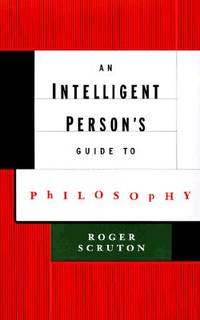
1998129207London: Allen Lane: the Penguin Press. New. 1998. Hardcover. 0713992263 . - IN STOCK AND IMMEDIATELY AVAILABLE FOR SHIPMENT - - SIGNED BY AUTHOR -- NEW - Personal view by this conservative British philosopher. - "Scruton a don at London University and a British TV personality sets out to do philosophy rather than talk about it. He succeeds to a large extent in making the subject accessible engaging the reader in philosophic thinking. Scruton inquires into truth time God freedom morality and even sex carefully explaining who he believes is right and who is wrong in their opinions on the subjects. For instance he warns against Nietzsche and Michel Foucault and champions everyone who believes in persons with souls and free intentions and who believes in the sacred and enchantment in the world. In addition to such authoritarian judgments Scruton sometimes gets caught up in fighting internecine battles especially against the view that genuine knowledge can only be scientific; then the clarity of his writing suffers. For example "since the origin of both self and not-self is the act of self-positing nothing on either side of the barrier is anything in the last analysis but self." When he philosophizes more freely he puts the reader in a better mood: "This idea has recurred so often as to suggest that there is truth in it or a permanent need to believe so." In the final analysis Scruton accomplishes his aim of using philosophy as therapy for our modern confusions although mental health for him lies in more conservative thinking." - Publishers Weekly Copyright 1998 Reed Business Information Inc. -- with a bonus offer-- . Allen Lane: the Penguin Press hardcover
2000129210London: St. Augustine's Press. New. 2000. Hardcover. 1890318477 . - IN STOCK AND IMMEDIATELY AVAILABLE FOR SHIPMENT - - SIGNED BY AUTHOR -- NEW - Personal view by this conservative British philosopher. - "Scruton a don at London University and a British TV personality sets out to do philosophy rather than talk about it. He succeeds to a large extent in making the subject accessible engaging the reader in philosophic thinking. Scruton inquires into truth time God freedom morality and even sex carefully explaining who he believes is right and who is wrong in their opinions on the subjects. For instance he warns against Nietzsche and Michel Foucault and champions everyone who believes in persons with souls and free intentions and who believes in the sacred and enchantment in the world. In addition to such authoritarian judgments Scruton sometimes gets caught up in fighting internecine battles especially against the view that genuine knowledge can only be scientific; then the clarity of his writing suffers. For example "since the origin of both self and not-self is the act of self-positing nothing on either side of the barrier is anything in the last analysis but self." When he philosophizes more freely he puts the reader in a better mood: "This idea has recurred so often as to suggest that there is truth in it or a permanent need to believe so." In the final analysis Scruton accomplishes his aim of using philosophy as therapy for our modern confusions although mental health for him lies in more conservative thinking." - Publishers Weekly Copyright 1998 Reed Business Information Inc. -- with a bonus offer-- . St. Augustine's Press hardcover
2000129211London: St. Augustine's Press. As New. 2000. Hardcover. 1890318477 . - IN STOCK AND IMMEDIATELY AVAILABLE FOR SHIPMENT - - SIGNED BY AUTHOR -- NEW - Personal view by this conservative British philosopher. - "Scruton a don at London University and a British TV personality sets out to do philosophy rather than talk about it. He succeeds to a large extent in making the subject accessible engaging the reader in philosophic thinking. Scruton inquires into truth time God freedom morality and even sex carefully explaining who he believes is right and who is wrong in their opinions on the subjects. For instance he warns against Nietzsche and Michel Foucault and champions everyone who believes in persons with souls and free intentions and who believes in the sacred and enchantment in the world. In addition to such authoritarian judgments Scruton sometimes gets caught up in fighting internecine battles especially against the view that genuine knowledge can only be scientific; then the clarity of his writing suffers. For example "since the origin of both self and not-self is the act of self-positing nothing on either side of the barrier is anything in the last analysis but self." When he philosophizes more freely he puts the reader in a better mood: "This idea has recurred so often as to suggest that there is truth in it or a permanent need to believe so." In the final analysis Scruton accomplishes his aim of using philosophy as therapy for our modern confusions although mental health for him lies in more conservative thinking." - Publishers Weekly Copyright 1998 Reed Business Information Inc. -- with a bonus offer-- . St. Augustine's Press hardcover
1998129208London: Allen Lane: the Penguin Press. As New. 1998. Hardcover. 0713992263 . - IN STOCK AND IMMEDIATELY AVAILABLE FOR SHIPMENT - - SIGNED BY AUTHOR -- NEW - Personal view by this conservative British philosopher. - "Scruton a don at London University and a British TV personality sets out to do philosophy rather than talk about it. He succeeds to a large extent in making the subject accessible engaging the reader in philosophic thinking. Scruton inquires into truth time God freedom morality and even sex carefully explaining who he believes is right and who is wrong in their opinions on the subjects. For instance he warns against Nietzsche and Michel Foucault and champions everyone who believes in persons with souls and free intentions and who believes in the sacred and enchantment in the world. In addition to such authoritarian judgments Scruton sometimes gets caught up in fighting internecine battles especially against the view that genuine knowledge can only be scientific; then the clarity of his writing suffers. For example "since the origin of both self and not-self is the act of self-positing nothing on either side of the barrier is anything in the last analysis but self." When he philosophizes more freely he puts the reader in a better mood: "This idea has recurred so often as to suggest that there is truth in it or a permanent need to believe so." In the final analysis Scruton accomplishes his aim of using philosophy as therapy for our modern confusions although mental health for him lies in more conservative thinking." - Publishers Weekly Copyright 1998 Reed Business Information Inc. -- with a bonus offer-- . Allen Lane: the Penguin Press hardcover
199652989Stuttgart : Calwer Verlag (Arbeiten zur Theologie, 83), 1996. Die erkenntnistheoretische und anthropologische Funktion des platonischen Leib-Seele-Dualismus in Calvins Theologie IX, 415, VII; 79 S. Broschierte Ausgabe
197215923CB(Pfullingen), Neske, (1972). Groß-Oktav. 902 Seiten. Original-Leinen mit Schutzumschlag. Die Versandkosten für Kunstwerke und mehrbändige Werke können von den Standard-Versandkosten abweichen. Gut erhalten.