PAGNOL (Marcel)Livre Rare Book
1 757 résultats
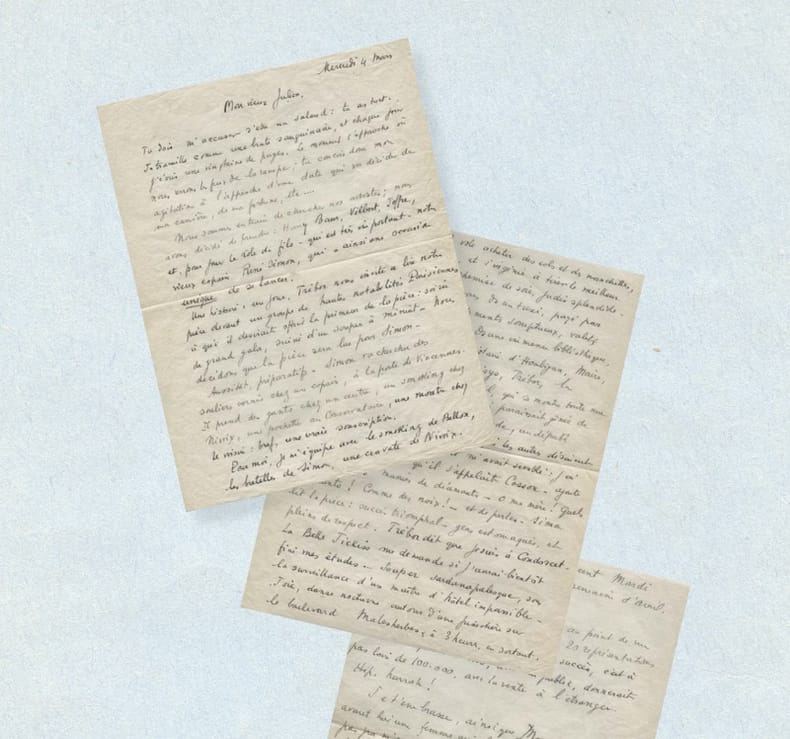
192516156Les débuts de Pagnol sur la scène : « je travaille comme une brute sanguinaire (...) Hip. Hurrah ! » [Paris], 4 mars [1925]. 3 p. en 3 f. (215 x 270 mm). Encre noire sur papier pelure. Magnifique lettre à son ami Julien Coutelen.
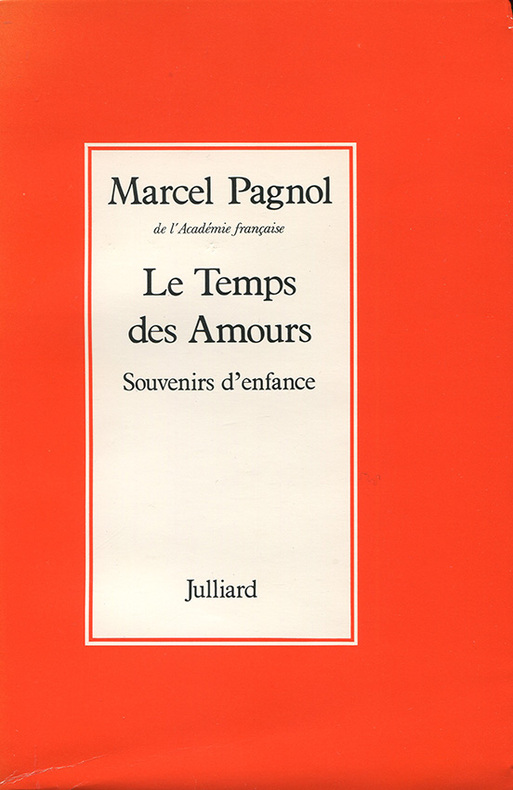
1977LIQ-6599P. Julliard 1977. Fort in-8°% broché, non coupé.
196575136Sous étui et chemise cartonnés. Couverture blanche souple. Bien complet de son feuillet d'errata volant.
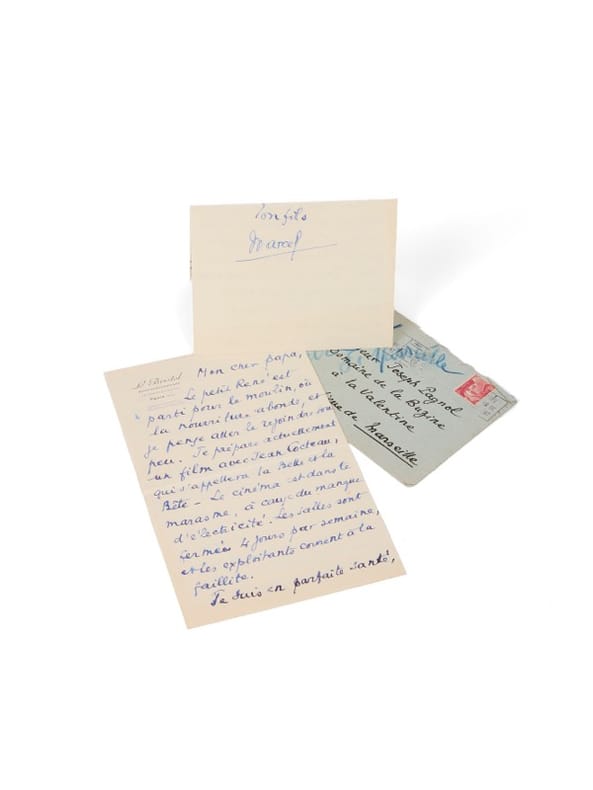
194531836Pagnol en soutien à Cocteau pour la Belle et la bête [1945]. 4 pages en 2 feuillets (135 x 210 mm) à en-tête du Bristol. « Mon cher papa, Le petit René est parti pour le moulin, où la nourriture abonde, et je pense le rejoindre sous peu. Je prépare actuellement un film avec Jean Cocteau, qui s'appellera la Belle et la Bête. Le cinéma est dans le marasme, à cause du manque d'électricité... ».
63014Fasquelle Editeurs Paris 1930 Petit in-4 carré ( 230 X 170 mm ) de 284 pages, broché sous couverture parme imprimée en vert rempliée. EDITION ORIGINALE au tirage limité à à 1000 exemplaires numérotés, celui-ci l'un des 75 de tête sur Japon impérial ( N° 29 ), portant sur le faux-titre un ENVOI AUTOGRAPHE signé de Marcel PAGNOL au docteur Pierre MARTIN. Couverture légèrement et inégalement passée, faux-titre et titre débrochés, nonobstant agréable exemplaire, très pur.
193675072Sous étui cartonné et sous chemise à dos en demi-basane verte. Couverture souple verte. A grands témoins. Dos très légèrement éclairci.
193228215Le deuxième volume de la célèbre trilogie sur Japon Paris, Fasquelle, (mai) 1932. 1 vol. (150 x 205 mm) de 213 p. et [1] f. Broché, à toutes marges. Édition originale. Un des 50 premiers exemplaires sur japon impérial (n° 23).
193035376Paris Fasquelle 1930 In-8, demi-maroquin brun orang coins, plats de papier marbr, dos quatre nerfs portant une pice de titre en maroquin rouge; doublures et gardes de papier marbr, tte dore, non rogn, couverture imprime.Edition originale de cette pice qui fut donne pour la premire fois sur la scne des Varits le mercredi 9 octobre 1928. Un des 125 exemplaires numrots sur papier de Hollande, second papier aprs 75 exemplaires sur japon. Bel exemplaire.
196577051Couverture blanche souple. Bien complet de son feuillet d'errata volant. Dos éclairci.
195846407Paris: Grasset 1958. Fine. Grasset Paris 1958 14.50 x 19.50 cm broché First edition of the French translation by Marcel Pagnol one of 32 numbered copies on pur fil paper the only grand papier deluxe copies. Cover illustrated with a woodcut by Aristide Maillol. Slight traces of sunning to head and to foot of spine nice copy. Grasset unknown
197789548Paris: Julliard 1977. Fine. Julliard Paris 1977 15 x 22 cm broché First edition one of 100 copies on pure wove paper ours being one of 20 hors commerce copies the only deluxe papers after 25 on Hollande. A very fine copy. Julliard unknown
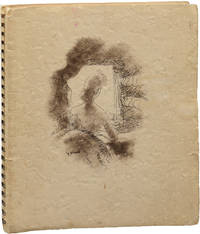
1944154872Paris: Oeuvres Sociales du Cinema 1944. First Edition. First Edition. <br /> <br /> Deluxe brochure published in commemoration of the fourth year of the Comite d'Organisation de l'Industrie Cinematographique Committee for the Organization of the Cinema Industry an organization created by the Nazis during the first month of French occupation. The brochure contains a preface by director Marcel Pagnol as well as five original lithographs by Jean Colin Grau Sala Touchagues Ray Bret Koch and Jean Effel as well as several portrait sketches of contemporary French actors including Tino Rossi Raimu Claude Genia Fernandel Charles Vanel Mila Parely Suzy Carier Fernand Ledoux and others. <br /> <br /> Very Good plus in spiral bound illustrated wrappers with light edgewear and age toning overall and a few splashes on the front wrapper. Oeuvres Sociales du Cinema unknown
1937133241N.p.: N.p. 1937. Vintage double weight photograph from the 1938 film. A candid on-the-set photograph by the film's credited still photographer Roger Corbeau of a cafe scene featuring the film's principal character actor Raimu with the camera crew just to the left in the shadows the borders of the studio set clearly visible. With Roger Corbeau's photo credit "PHOTO ROGER CORBEAU" at the bottom left of the frame. On the verso is a rubber stamp for the Cinemonde Archives. <br/><br/>An extraordinary "fourth wall" shot demonstrating at once the method and the magic of Pagnol's filmmaking as well as his relentless interest in provincial life in France. In this film a new baker Aimable Raimu settles down in a small French village. His wife Aurelie is beautiful and much younger than he. She departs with a shepherd the night after Aimable produces his first breads. Aimable is so afflicted that he cannot work anymore. The villagers who initially laugh at his cuckoldry soon take the matter very seriously they want the bread and organize a plan to find Aurelie and to bring her back to the bakery and her husband. <br/><br/>In a custom museum-quality frame archivally mounted with UV glass. 9.25 by 7 inches. Four tiny single pinholes at the corners within the white marginal border. Near Fine overall. N.p. unknown books
75820Paris, éd. France-Empire, 1961, EDITION ORIGINALE, fot pt. in-8, cartonnage toilé chagriné bordeaux éd., jaquetteill. coul sur fond blanc éd., 316 pp., très nb. photos en noir, préface de Marcel Pagnol, "Ma Provence en Cuisine n'est pas un livre de cuisine. Manger est une nécessité. Chez nous, le soleil et le ciel bleu, les aromates de nos collines, thym, romarin, laurier, sauge, fenouil, genièvre, etc nous ont aidés à transformer cette nécessité en plaisir. Entre amis, nous parlons de ce plaisir. Nous aimons bavarder cuisine entre hommes. Nous ne vivons quand même pas pour manger, ne pas confondre, mais nous respectons l'usage qui veut « un rien de sauge » dans telle préparation plutôt que du romarin. Ce régime pourtant simple n'engendre pas la tristesse. Il y a la vie, avec les événements, les incidents qui la pimentent, les départs, les rencontres, les mille et un changements du hasard qui nous fait des farces. C'est ce que j'ai écrit, en pensant à mes amis et à notre amitié. Un bon plat ne se mange jamais seul" (4e de couverture).Voilà la vraie cuisine du Sud et de la Provence par le célèbre acteur (1902-1967) qui a tourné avec Raimu, Pagnol, Pierre Fresney, Charpin, Pierre Brasseur et bien d'autres. INTROUVABLE !!! Très bon état de la reliure et du papier; la jaquette est légèrement défraîchie
2469To Mr. E. Fasquelle editor Pagnol writes about film. "I had two parts in my film. One where I had my characters speak. The other where I left that to the cinematography and to Honnegger's sic music. The musical segments are very boring I am told. I am in the process of cutting out as many as I can but it is a delicate thing because of Honnegger sic who is a charming lad." He signs in full "Marcel Pagnol" then adds a note about having received payment. Pagnol most likely refers to his 1937 film "Regain" "Harvest" for which Swiss composer Arthur Honegger composed the music. The Marius trilogy Marius Fanny and Cesar filmed between 1931 and 1936 are viewed as Pagnol's most important cinematic contribution. unknown
197789548Julliard | Paris 1977 | 15 x 22 cm | broché
195846407Grasset | Paris 1958 | 14.50 x 19.50 cm | broché
1937133241N.p.: N.p. 1937. Vintage double weight photograph from the 1938 film. A candid on-the-set photograph by the film's credited still photographer Roger Corbeau of a cafe scene featuring the film's principal character actor Raimu with the camera crew just to the left in the shadows the borders of the studio set clearly visible. With Roger Corbeau's photo credit "PHOTO ROGER CORBEAU" at the bottom left of the frame. On the verso is a rubber stamp for the Cinemonde Archives. <br /> <br /> An extraordinary "fourth wall" shot demonstrating at once the method and the magic of Pagnol's filmmaking as well as his relentless interest in provincial life in France. In this film a new baker Aimable Raimu settles down in a small French village. His wife Aurelie is beautiful and much younger than he. She departs with a shepherd the night after Aimable produces his first breads. Aimable is so afflicted that he cannot work anymore. The villagers who initially laugh at his cuckoldry soon take the matter very seriously they want the bread and organize a plan to find Aurelie and to bring her back to the bakery and her husband. <br /> <br /> In a custom museum-quality frame archivally mounted with UV glass. 9.25 by 7 inches. Four tiny single pinholes at the corners within the white marginal border. Near Fine overall. N.p. unknown
193039324Paris: Fasquelle 1930. First edition. A SPECTACULAR LARGE-PAPER COPY ON JAPON IMPERIAL OF PAGNOL'S MASTERPIECE. 287 pp. From a total edition of 1000 numbered copies this is ONE OF ONLY 75 ON IMPERIAL JAPANESE PAPER. 4to. Beautifully bound in quarter morocco and decorated boards. Wrappers and backstrip preserved. Top edge gilt other edges uncut. FINE AND BRIGHT WITH NO DEFECTS. <br/><br/> Fasquelle hardcover
2469To Mr. E. Fasquelle editor Pagnol writes about film. "I had two parts in my film. One where I had my characters speak. The other where I left that to the cinematography and to Honnegger's sic music. The musical segments are very boring I am told. I am in the process of cutting out as many as I can but it is a delicate thing because of Honnegger sic who is a charming lad." He signs in full "Marcel Pagnol" then adds a note about having received payment. Pagnol most likely refers to his 1937 film "Regain" "Harvest" for which Swiss composer Arthur Honegger composed the music. The Marius trilogy Marius Fanny and Cesar filmed between 1931 and 1936 are viewed as Pagnol's most important cinematic contribution. unknown books
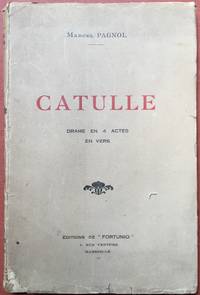
1922H2901Marseille: Editions de 1922. First printing. Wraps. Good. Inscribed by Pagnol to Eugene Silvain doyen of the Comédie Francaise and a very well known actor and author in 1923. Pagnol notes that this is the last copy he has of the original printing. Small quarto wraps good plus copy some shelfwear and soil to wraps and what looks like old streaks of glue to rear wrap contents tanning. Possibly Pagnol's first book he also published a novel “Pirouettes†in 1922 from his earliest time in Paris when he was still teaching English. Although he first started working on this play in 1913 completing it in 1920 it was not published until 1922. In 1928 Pagnol proposed staging it at the Theatre Silvain with Eugene Silvain playing the title role but although Silvain was friendly with the Pagnol he declared that Pagnol had "no sense of theater." Pagnol was at that time an overnight success because of his play Topaze so it might have been professional jealousy on Silvain's part as he came from an older generation and tradition. In any case a superb association copy between a young playwright and an older and established actor and author. Pagnol went on to become France’s first “auteur†filmmaker and the first filmmaker elected to the Academie Francaise. There was a brief revival of interest in Pagnol in the late 1980s when two of his books were made into critically and commercially successful films by director Claude Berri: “Jean de Florette†and “Manon des Sources.â€. Editions de unknown
1938539870Paris: Les Éditions Marcel Pagnol 1938. Hardcover. Very Good. First photoplay edition. Small octavo. 148pp. Illustrated with several black and white plates of film stills. Text in French. Bound with wrappers including the spine still connected to the lower wrap in cloth and papercovered boards. Binding with a lightly toned spine and modest edgewear a bit of interior toning very good. Inscribed by the director on the half-title: "To Howard Barnes Sincerely Marcel Pagnol. 1950." Collection "Les Films Qu'on Peut Lire." Based on the 1932 novel Jean le Bleu by Jean Giono; the text of the film version is published here. Les Éditions Marcel Pagnol hardcover
194820293Monte-Carlo, Editions du livre, 1948. 3 volumes grand in-8 de 279-[3]; 227-[3] et 283-[3] pages. Demi-maroquin bordeaux à coins, dos à nerfs, têtes dorées, couvertures et dos conservées, étui bordé de maroquin bordeaux.
196592197Editions de Provence | s. l. 1965 | 12 x 18.5 cm | Broché
35103Paris Editions Terres Lati sans date Ensemble 3 volumes in-8, en feuilles, couvertures illustres (embotages de l'diteur).Edition illustre de nombreuses aquarelles en couleurs de Gaston Barret. Un des 1.800 exemplaires numrots sur alfa teint.