KIPLING RudyardLivre Rare Book

736 résultats
190043209Couverture rigide. Reliure demi-chagrin. 315 pages. Quelques rousseurs.
1900RO60000295Macmillan and Co Ltd. 1900. In-8. Relié. Bon état, Couv. partiel. décollorée, Dos fané, Intérieur frais. 336 pages. Frontispice noir et blanc sous serpente.. . . . Classification Dewey : 420-Langue anglaise. Anglo-saxon
190043210Couverture rigide. Reliure demi-chagrin (couverture d'origine conservée). 338 pages. Quelques rousseurs.
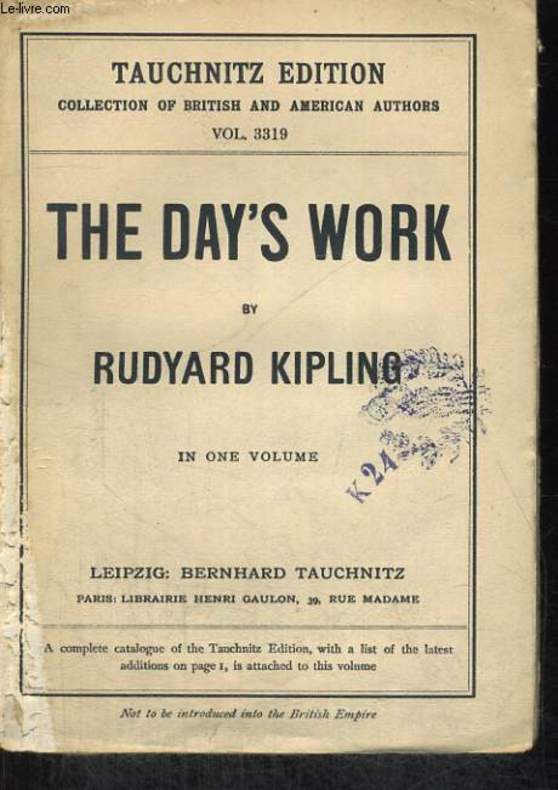
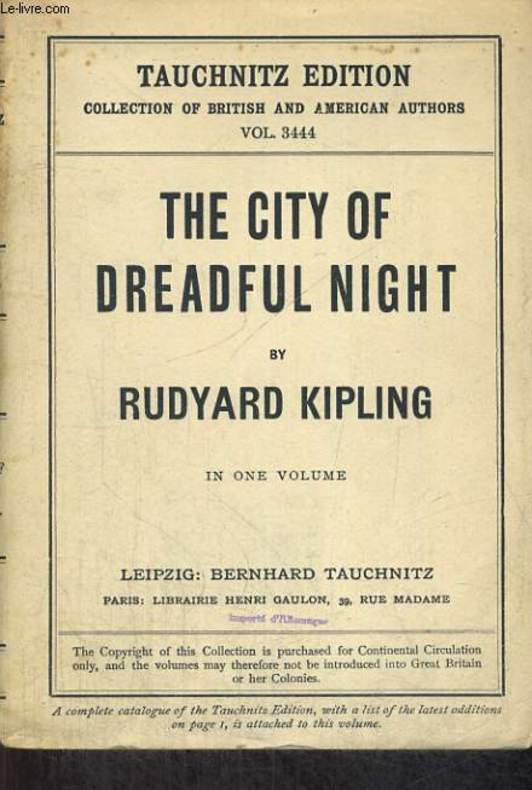
1900RO60000507Tauchnitz. 1900. In-12. Broché. Bon état, Couv. convenable, Dos satisfaisant, Non coupé. 320 pages.. . . . Classification Dewey : 420-Langue anglaise. Anglo-saxon
1899R110037046ALBERT QUANTIN. JANVIER 1899. In-12. Broché. Bon état, Livré sans Couverture, Dos satisfaisant, Intérieur frais. Paginé de 97 à 106. Quelques illustrations en noir et blanc dans le texte.. . . . Classification Dewey : 70.49-Presse illustrée, magazines, revues
1891RO40250828Heinemann and Balestier, Leipzig. 1891. In-16. Broché. Etat d'usage, Tâchée, Dos fané, Intérieur acceptable. 273 pages. Papier muet encollé sur le dos, le consolidant. Etiquette de code sur la couverture. Quelques tampons de bibliothèque. Traces de colle sur la couverture. Cahiers se détachant.. . . . Classification Dewey : 420-Langue anglaise. Anglo-saxon
1898RO60063560Bernhard Tauchnitz. 1898. In-12. Broché. Etat d'usage, 1er plat abîmé, Dos plié, Intérieur frais. 365 pages. Premier plat légèrement détaché.. . . . Classification Dewey : 820-Littératures anglaise et anglo-saxonne
1899204971899 London, Macmillan and Co, 1899, in-8 de (4)-406-(2) pp., cartonnage de l'éditeur de plaine percaline vieux-rouge, décor d'une pastille dorée représentant une tête d'éléphant en relief, coiffes un peu frottée, sinon bon exemlaire.
1892RO60107196Bernhard Tauchnitz, Leipzig. 1892. In-16. Broché. A relier, Plats abîmés, Dos abîmé, Intérieur acceptable. 312 pages. Ouvrage très abîmé. Dos presque entièrement manquant. Cahiers détachés. Plats tachés et annotés.. . . . Classification Dewey : 420-Langue anglaise. Anglo-saxon
1900RO60004488Tauchnitz Newarri.. 1900. In-12. Broché. Bon état, Couv. convenable, Dos satisfaisant, Quelques rousseurs. 270 pages.. . . . Classification Dewey : 420-Langue anglaise. Anglo-saxon
1898RO60145606Bernhard Tauchnitz. 1898. In-12. Broché. Etat d'usage, Couv. défraîchie, Dos fané, Papier jauni. 366+31 pages.Texte en anglais. Ex-libris à l'encre en page de tire. Quelques rousseurs. Couverture de substitution.. . . . Classification Dewey : 420-Langue anglaise. Anglo-saxon
1900RO60145604Macmillan and co. 1900. In-8. Broché. Etat d'usage, Couv. défraîchie, Dos abîmé, Papier jauni. 289 pages. Texte en anglais. Nombreuses rousseurs. Pliures. Accrocs, déchirures en plats et au dos.. . . . Classification Dewey : 420-Langue anglaise. Anglo-saxon
1900RO80030544OLLENDORFF Paul. 3ème édition. 1900. In-12. Broché. Etat d'usage, Couv. légèrement passée, Dos satisfaisant, Intérieur frais. 338 pages. Couverture en couleurs. Coiffes usées, avec de légers manques.. . . . Classification Dewey : 820-Littératures anglaise et anglo-saxonne
18992867ABBirmingham, The Holland Company, 1899. 12° (14 x 13 cm). 51 (1) S. Roter typographisch gestalteter Original-Leinenband mit Deckel- und Rückentitel.
1900RO30324961Société du Mercure de France. 1900. In-12. Cartonné. Etat passable, 1er plat abîmé, Dos satisfaisant, Papier jauni. 313 pages. Quelques rousseurs. Morceau de la couverture d'un autre ouvrage collé sur le 1er plat. Plats brochés conservés. Filets, pièce de titre et fleuron en doré au dos. Plats jaspés.. . . . Classification Dewey : 820-Littératures anglaise et anglo-saxonne
1899RO60003012Macmillan & Co Ltd. 1899. In-8. Relié. Bon état, Couv. partiel. décollorée, Dos fané, Intérieur frais. 387 pages, hardcover. Some dampings on the first an the last pages.. . . . Classification Dewey : 420-Langue anglaise. Anglo-saxon
1900RO60002866Macmillan & Co Ltd. 1900. In-8. Relié. Bon état, Plats abîmés, Dos satisfaisant, Mouillures. 353 pages, hardcover.. . . . Classification Dewey : 420-Langue anglaise. Anglo-saxon
1899RO60002872Macmillan & Co Ltd. 1899. In-8. Relié. Bon état, Couv. convenable, Dos satisfaisant, Mouillures. 272 pages, hardcover. Few rednesses on the last page.. . . . Classification Dewey : 420-Langue anglaise. Anglo-saxon
1894RO60074365George Munro's Sons. 1894. In-12. Broché. Etat passable, 1er plat abîmé, Dos abîmé, Quelques rousseurs. 98 pages. Dos et premier plat très abîmés. Premier plat et premiers cahiers détachés. Nombreuses annotations dans le texte.. . . . Classification Dewey : 420-Langue anglaise. Anglo-saxon
1900RO40255755Bernhard Tauchnitz, Leipzig. 1900. In-16. Broché. Etat d'usage, Tâchée, Dos abîmé, Intérieur acceptable. 286 pages. Etiquette de code sur la couverture. Quelques tampons de bibliothèque. 1ers cahiers se détachant.. . . . Classification Dewey : 420-Langue anglaise. Anglo-saxon
1900RO60063540Bernhard Tauchnitz. 1900. In-12. Broché. Etat d'usage, Couv. légèrement passée, Coiffe en pied abîmée, Intérieur frais. 269 pages + catalogue éditeur.. . . . Classification Dewey : 820-Littératures anglaise et anglo-saxonne
1899RO60107200Bernhard Tauchnitz, Leipzig. 1899. In-16. Broché. Etat d'usage, Couv. défraîchie, Dos abîmé, Intérieur frais. 366 pages. Dos fendu et défraîchi.. . . . Classification Dewey : 420-Langue anglaise. Anglo-saxon
1900mon0000189457Macmillan and Co Ltd 1900-01-01. Hardcover. Good. in x in x in. NOT ex-library. Hardback/Hardcover clean text sound binding. 1960 third edition. Macmillan and Co Ltd hardcover
1897FB5364 /21<p>spine slightly faded. Navy cloth binding with tan title plate and gilt title on the spine.</p><p>Condition: Near Fine. Copyright edition.</p><p>The Second Jungle Book is a sequel to The Jungle Book by Rudyard Kipling. First published in 1895 it features five stories about Mowgli and three unrelated stories all but one set in India most of which Kipling wrote while living in Vermont. All of the stories were previously published in magazines in 1894–5 often under different titles. The 1994 film The Jungle Book used it as a source.</p><p>Each story is followed by a related poem:</p><ol><li><p>"How Fear Came": This story takes place before Mowgli fights Shere Khan. During a drought Mowgli and the animals gather at a shrunken Wainganga River for a "Water Truce" where the display of the blue-colored Peace Rock prevents anyone from hunting at its riverbanks. After Shere Khan was driven away by him for nearly defiling the Peace Rock Hathi the elephant tells Mowgli the story of how the first tiger got his stripes when fear first came to the jungle. This story can be seen as a forerunner of the Just So Stories.</p></li><li><p>"The Law of the Jungle" poem</p></li><li><p>"The Miracle of Purun Bhagat": An influential Indian politician abandons his worldly goods to become an ascetic holy man. Later he must save a village from a landslide with the help of the local animals whom he has befriended.</p></li><li><p>"A Song of Kabir" poem</p></li><li><p>"Letting in the Jungle": Mowgli has been driven out of the human village for witchcraft and the superstitious villagers are preparing to kill his adopted parents Messua and her unnamed husband. Mowgli rescues them and then prepares to take revenge.</p></li><li><p>"Mowgli's Song Against People" poem</p></li><li><p>"The Undertakers": A mugger crocodile a jackal and a Greater adjutant stork three of the most unpleasant characters on the river spend an afternoon bickering with each other until some Englishmen arrive to settle some unfinished business with the crocodile.</p></li><li><p>"A Ripple Song" poem</p></li><li><p>"The King's Ankus": Mowgli discovers a jewelled object beneath the Cold Lairs which he later discards carelessly not realising that men will kill each other to possess it. Note: The first edition of The Second Jungle Book inadvertently omits the final 500 words of this story in which Mowgli returns the treasure to its hiding-place to prevent further killings. Although the error was corrected in later printings it was picked up by some later editions.</p></li><li><p>"The Song of the Little Hunter" poem</p></li><li><p>"Quiquern": A teenaged Inuit boy and girl set out across the arctic ice on a desperate hunt for food to save their tribe from starvation guided by the mysterious animal-spirit Quiquern. However Quiquern is not what he seems.</p></li><li><p>"Angutivaun Taina" poem</p></li><li><p>"Red Dog": Mowgli's wolfpack is threatened by a pack of rampaging dholes. Mowgli asks Kaa the python to help him formulate a plan to defeat them.</p></li><li><p>"Chil's Song" poem</p></li><li><p>"The Spring Running": Mowgli now almost seventeen years old is growing restless for reasons he cannot understand. On an aimless run through the jungle he stumbles across the village where his adopted mother Messua is now living with her two-year-old son and is torn between staying with her and returning to the jungle.</p></li><li><p>"The Outsong" poem</p></li></ol><p><strong>Joseph Rudyard Kipling </strong>30 December 1865 – 18 January 1936 was an English novelist short-story writer poet and journalist. He was born in British India which inspired much of his work.</p><p>Kipling's works of fiction include the Jungle Book duology The Jungle Book 1894; The Second Jungle Book 1895 Kim 1901 the Just So Stories 1902 and many short stories including "The Man Who Would Be King" 1888. His poems include "Mandalay" 1890 "Gunga Din" 1890 "The Gods of the Copybook Headings" 1919 "The White Man's Burden" 1899 and "If—" 1910. He is seen as an innovator in the art of the short story. His children's books are classics; one critic noted "a versatile and luminous narrative gift".</p><p>Kipling in the late 19th and early 20th centuries was among the United Kingdom's most popular writers. Henry James said "Kipling strikes me personally as the most complete man of genius as distinct from fine intelligence that I have ever known." In 1907 he was awarded the Nobel Prize in Literature as the first English-language writer to receive the prize and at 41 its youngest recipient to date. He was also sounded out for the British Poet Laureateship and several times for a knighthood but declined both. Following his death in 1936 his ashes were interred at Poets' Corner part of the South Transept of Westminster Abbey.</p><p>Kipling's subsequent reputation has changed with the political and social climate of the age. The contrasting views of him continued for much of the 20th century. Literary critic Douglas Kerr wrote: "Kipling is still an author who can inspire passionate disagreement and his place in literary and cultural history is far from settled. But as the age of the European empires recedes he is recognised as an incomparable if controversial interpreter of how the empire was experienced. That and an increasing recognition of his extraordinary narrative gifts make him a force to be reckoned with."</p> Bernhard Tauchnitz. hardcover
189677081London:: Methuen and Co. 1896. Second edition. original buckram; t.e.g. Endsheets tanned; gold top edge dulled; very slight rubbing to cloth. 12mo. This was John Hay's copy with his autograph signature"Hay" on the front free endpaper. Methuen and Co., hardcover