571 résultats
In 4, cm 25 x 32 pp. 159 con piu' di ottanta illustrazioni a colori applicate anche a piena pagina, nel testo. Legatura in tela editoriale con evidenti segni d'uso e del tempo. Bruniture alla coperta, un piccolo strappo lungo la linea esterna del dorso. Priva di sovraccoperta. Questa opera racconta attraverso il testo e le immagini le correnti artistiche e i grandi pittori del '900 che hanno rivoluzionato la storia della pittura partendo da Manet, considerato il maggiore interprete della pittura pre-impressionista, fino ad approdare a Mondrian che tutti questi stili sperimenta fino a fissare i suoi proncipi estetici nel neoplasticismo. Testo in lingua francese.
New English Paperback. Pbo. 4to. (31 x 24 cm). In English and Turkish. 112 p., b/w and color ills. Murat Akagündüz. VErtigi. [Exhibition catalogue]. Edited by Süreyyya Evren, Ilkay Baliç. Murat Akagündüz's exhibition Vertigo brings together 13 paintings from the "Kaf" series. In this new series the artist depicts some of world's highest mountain peaks as seen on Google Earth. How is the act of painting transformed once we rely upon the mediation of digital data to depict an actual physical landscape? The exhibition thus refers to the ontological consequences of such digital mediation in our relationship to the Earth and its implications in terms of vision and image production. While the series, named after the Kaf Mountain, emphasises a mythological narrative, each painting in the "Kaf" series takes its title from the latitude and longitude values defining the position of the images on Google Earth. Akagündüz offers us views over the peaks of the Alpide Belt, spreading across three continents, and provides us with the coordinates of the Kaf Mountains at the same time. In juxtaposing mathematical exactitude with the perceptually challenging monochromatic use of the colour white, Akagündüz's intention is to explore the minimal conditions of visual representation. The "Kaf" series, in its search for a language using different shades of white, winnows down the minimal conditions of pictorial representation to a bare-bones relationship between light and shade and approaches the threshold of visual perception. In the "Kaf" paintings, the line of the horizon is either invisible or it escapes the eye by merging with the upper corner of the canvas. Adopting a satellite view of the Earth the paintings represent a vertical, groundless perspective. As the horizon is nowhere to be found, our sense of being grounded in space is unsettled and a sense of vertigo sets in. This vertigo effect is also echoed in the spatial construction of the exhibition through a subtle intervention on the walls delineating the first floor of Arter. The "Kaf" paintings bring the process of emergence of image to the eye and to memory, between appearance and disappearance, through reverberations in time. At first sight, these appear to be abstract fragments that are difficult to read in terms of their relationships of scale to the reality they were cut off from. The even distribution of light on the entire surface and its movements through various shades of white, by evading the eye, catch and hold the gaze. The stains, which slip away and alter the moment we think we have caught an image, are contiguous with the void and create a silent space of tension. Vertigo denotes the dizziness and loss of balance felt when a subject or the objects surrounding them appear to be moving in space. As reflected through Murat Akagündüz' "Kaf" series, vertigo is a relational phenomenon, it points both to a spatial disorientation on psychological and physiological levels, and to an uncertainty regarding subject-object relationships as perceived within space. By opening up a space for silent contemplation, the paintings invite the viewer to sense the new possibilities found in this loss of ground and thus produce a new perception of the world.
199889517Réunion des musées nationaux, centre Georges Pompidou 1998 In-4 broché 28 cm sur 22. 159 pages. Très bon état d’occasion.
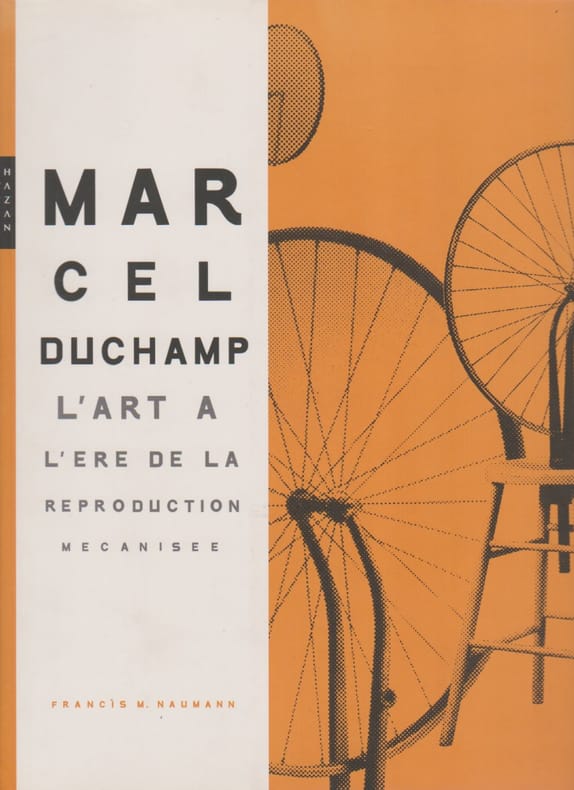
68356Hazan, 2004, 331 pp., broché, illustrations, 23,2 x 30 cm, coiffe inférieure fendillée, bon état.
43490Antwerpen, Uitgeverij Jef Meert, 2000 , Softcover met flappen, 173pp., 24x17cm., nieuwstaat.
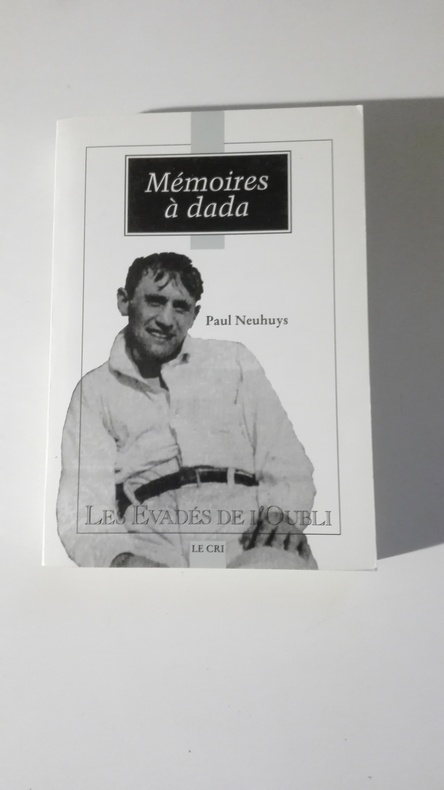
5362Le Cri, 1996. In-8. Broché. Portrait en couverture. 305 pages. Dessins et photos NB in et hors texte. Biographie et index. Etat neuf
198965090(Hannover, Sprengel-Museum, 1989). 171 S. Mit zahlr. tls. farb. Abb. 4to. OKart.
65786Paris, Robert Laffont, 1989. 13 x 21, 179 pp., quelques illustrations en N/B, broché, bon état (couverture défraîchie).
Mm 220x280 Catalogo della mostra di Nuoro, ottobre 2008 - gennaio 2009. Volume in copertina rigida con sovraccoperta, 392 pagine profusamente illustrate in nero e a colori. Testo in italiano ed inglese, english-italian texts. Libro in condizioni di nuovo - brand new.
193892147G.L.M. | Paris 1938 | 14 x 19.3 cm | Broché
196322289(Köln, 1963). 98 S. Mit 70 Taf. (davon 2 farb.). Gr.-8vo. OBrosch.
ill., br. Il 1929 nell'immaginario collettivo è associato al crollo finanziario che, giovedì 24 ottobre, colpisce Wall Street prima di abbattersi su tutte le economie mondiali. Anche per il Surrealismo è l'anno di una crisi senza precedenti, di un "big bang" che, se in apparenza sembra segnarne la fine, si rivelerà in realtà all'origine della sua reinvenzione. Il 1929 vede infatti, tra le altre cose, la nascita del primo fotocollage di Max Ernst e di Un Chien andalou, il primo capolavoro cinematografico surrealista. Arricchito dall'eccezionale personalità di Dalí, il film rafforzerà l'influenza internazionale del movimento.
1975145111975 broché grand in-octavo à l'italienne (paperback in-octavo oblong), dos blanc (white spine), première de couverture rempliée illustrée en couleurs (front cover illustrated in colours), quatrième de couverture muette (back cover without text), toutes tranches lisses (all smooth edges), illustrations : nombreuses reproductions d'oeuvres d'art (many painting reproductions), 174 pages, 1975 à Paris Imprimerie SMI,
In-8° carrè, pp. 100 con moltissime illustrtazioni n.t. Bross. edit. illustrata. Alone da unido sulla brossm
Gérard Lebovici, 1986; 1 volume in-8 broché, 224 pages. Quelques illustrations. Très bon état Première édition collective avec de nombreux inédits.
10617Bruxelles. Didier Devillez, éditeur. Collection " Fac-Simile ". 2002. In-8° broché. 16 [+ 32] pages. Très bon état.
Edizione originale. Esemplare n. 365 dei 375 tirati in carta simil Japon (tiratura complessiva di 515 esemplari). Lievemente sbiadito ai margini della brossura e al dorso, uno strappetto di pochi mm sul margine di c. [5], lontano dal testo, nel complesso un ottimo esemplare. Punta più alta e insieme manifesto del Dadaismo belga, «Le Pan Pan au cul du nu nègre» fu composto da Pansaers nel 1919 e vide la luce nel 1920 a Bruxelles. Era l'opera prima dell'autore di origini fiamminghe, che negli anni dell'occupazione tedesca aveva fondato la rivista «Résurrection», di taglio fortemente antimilitarista, internazionalista e schierata a favore della rivoluzione russa (venne per questo presto censurata). L'opera è suddivisa in due parti: la prima, intitolata «Le Nu Nègre», è composta interamente in prosa, con un susseguirsi di aforismi, frasi brevi e spezzate, parole affastellate in rapida successione, a volte evidenziate graficamente dall'uso del bold, incuranti della sintassi. «L'Aphorisme est un cataplasme de consolation: Vivre est une maladie imaginaire», annuncia in apertura Pansaers, chiarendo immediatamente l'intonazione del libro. --- Nella seconda parte, intitolata «Pan-Pan», irrompere invece la poesia: ma Pansaers impiega il verso solo in funzione ritmica, riducendolo a espressione onomatopeica che riproduce il suono dei tamburi che scandiscono il ritmo serrato di una danza: «Une bonne finale se danse. Avis aux amateurs: Ici commence le / Pan-Pan / avec les absents / Pan-pan / qui le dansent ailleurs à cette même heure / Pan-pan-Pan-pan / Pan-pan / pan». La sperimentazione formale, pur portata all'estremo, non offusca però le idee politiche dell'autore, il suo anticapitalismo, l'avversione al colonialismo e la forte denuncia dell'omicidio di Rosa Luxemburg: è così che i tonfi del tamburo che invita alla danza si tramutano nei colpi di pistola sparati dall'assassino: «Pan-pan – Pan-pan / Rosa la rouge / Pan-pan / Pan-pan-rouge!». L’opera fu accolta con grande favore, e permise a Pansaers di essere riconosciuto come uno dei campioni dei Dadaisti: «Depuis longtemps je n'avais pas été à pareille fête», scrisse André Breton dopo aver letto «Le Pan Pan». --- Per dare conto della personalità, non solo sul piano artistico, di Pansaers (1885-1922), basti il ritratto che ne fece un altro grande esponente del Dadaismo, Philippe Soupault: «Sa personnalité était extrêmement forte. Et je me souviens que, par exemple, il a beaucoup impressionné un homme qui était difficile à impressionner, qui était Picabia. Picabia avait le sens de cette espèce de force qu'il y avait chez Pansaers. Il avait un côté tragique, c'est extraordinaire. Il s'appelait Clément, ce qui était insensé quand on pense à son personnage, c'était une sorte de contradiction. C'était un révolté. Il avait cette espèce de puissance de la révolte qui n'existait pas chez beaucoup de gens mais qui chez lui était quelque chose de vital» («Contre l’oubli: un dadaïste, Clément Pansaers», RTB, 16 juin 1968). --- La figura di Pansaers venne per anni dimenticata: a partire dagli anni ‘70 del Novecento si è assistito a una decisa riscoperta dell'autore, oramai collocato tra i grandi esponenti del Dadaismo europeo. Nell'ambito della rivalutazione del suo lavoro, tutte le sue opere sono state ristampate, compresi i numeri di «Résurrection». Ornano l'edizione due belle tavole incise dall'autore, una in antiporta, l'altra all'ultima carta.
ill., ril. È impossibile trascurare l'influenza di René Magritte (1898-1967) sull'arte contemporanea. I suoi dipinti surrealisti sovvertono l'ordine quotidiano delle cose con ironia, restituendo mistero a un mondo che ha perso la sua magia. La sua opera comunica un senso di meraviglia, sorpresa e ridicolo - ma anche di inquietudine. Pur essendo privi di un messaggio specifico, i dipinti di Magritte ci parlano, e creano una connessione tra gli opposti a livello di associazioni. E così, con assoluta naturalezza, succedono le cose più strane. Nel descrivere la sua arte, Magritte usò l'espressione "pensieri ispirati": era infatti un pittore-filosofo che insegnava in forma pittorica e si muoveva con un'apparente leggerezza giocosa, nell'atmosfera esaltata della sua immaginazione.
198664863Cercle d’Art/Ediciones Poligrafa, Barcelone 1986 In-folio, pleine toile brune, sous jaquette illustrée, photographies pleines pages en couleurs, 215 pp. Jaquette déchirée au bas du dos.
198086825S. n. | s. l. s. d. [ca 1980] | 14.50 x 21 cm | 1 page
1956193471956 1 in-8 broché, en feuilles Avec 97 photographies et 27 dessins de l'auteur. Paris, Publications Photo-Cinéma Paul Montel, Sapho, 1956, demi-toile in-8 sous jaquette rempliée illustrée d'une photo surréaliste, 119 pages.
31131Textes réunis et présentés par Olivier Revault d'Allonnes et Dominique Bouissou - Paris : Pierre Belfond (Coll. "Les Bâtisseurs du XXème siècle"), 1975 et 1978 - deux volumes 15,6x24cm brochés sous couvertures illustrées en couleurs, 285 et 382 pages illustrées dans et hors texte en noir- bon état -
1960806à Paris, éditions Éric Losfeld, 1960.
FIRST EDITION of this poem by Picabia. 4 pp (i.e., 2 leaves, 1 folded sheet). EDITION LIMITED TO 12 COPIES PRINTED ON FINE WOVE PAPER, OF WHICH THIS IS NUMBER 11. INITIALED BY PA BENOIT. Oblong 24mo. Self-wraps. FINE AND BRIGHT, AS NEW. Exceedingly rare.
FIRST EDITION of this poem by Picabia. 8 pp. EDITION LIMITED TO 13 COPIES PRINTED ON FINE WOVE PAPER, OF WHICH THIS IS NUMBER 7. INITIALED BY P.A. BENOIT. Square 24mo. Original wraps. FINE AND BRIGHT, AS NEW. Exceedingly rare.