5 583 résultats
17861015145Leipzig, Dyk, 1786. 371 S. u. 363 S. Hldrbde d. Zeit m. zwei goldgeprägten Rückenschildern u. hübscher floraler Rückenvergoldung (Einbde etwas fleckig u. berieben, Vorsätze leimschattig, Besitzvermerk auf Titel, gleichmäßig leicht gebräunt, vereinzelt etwas braunfleckig).
1732620943Amsterdam, Brunel, 1732. Zusammen über 2400 S. Mit 4 (statt 5?) gestochenen Frontispizen u. 3 gefalteten Kupfertafeln. Leder d. Zeit mit reicher Rückenvergoldung (etwas berieben, Ecken u. 2 Kapitale bestoßen). [3 Warenabbildungen]
17x10,5 cm; VIII, 206, (2) pp. Bella legatura ceova in mezza pelle scura con titolo e bei fregi in oro impressi al dorso. Piatti foderati con carta marmorizzata coeva. Ottimo stato di conservazione. Seconda edizione della versione inglese di questo celebre scritto di Dumas. Second edition, good copy in contemporary fine binding. L'opera venne pubblicata per la prima volta in inglese nel 1837 per poi essere edita in francese solo a partire dell'anno seguente. Pasquale Bruno fu un brigante vissuto tra Bauso e Calvaruso tra la fine del Settecento e l’agosto del 1803, data della sua impiccagione nella Marina di Palermo. Fu proprio questo racconto di Dumas a renderlo famoso oltre i confini siciliani. Alessandro Dumas nel 1837, scrisse appunto il “Pascal Bruno”, quasi la prova generale de “I tre moschettieri” pubblicato sei anni dopo. In Italia il romanzo “storico” di Dumas fu tradotto e pubblicato nel 1841 per i tipi dello “Stabilimento Poligrafico Empedocle di Palermo ma dopo un successo iniziale venne presto dimenticato schiacciato dai grandi successi dei seguenti romanzi di Dumas. Questa seconda edizione, assai più rara della prima (stampata per la prima volta in forma di volume nel 1837 in lingua inglese sulla traduzione da un romanzo d'appendice francese uscito nello stesso anno, in forma di volume in francia uscì solo nel 1838) curiosamente non porta il nome di Dumas ma solo quello del suo celebre editore Theodore Hook. Lo scrittore francese conobbe le vicende di Bruno dall'amico Vincenzo Bellini, il musicista catanese e così racconta: "Ascoltate, mi disse Vincenzo "Bellini, non dimenticate di fare una cosa, quando andrete da Palermo a Messina per mare o per terra. Fermatevi al piccolo paese di Bauso, vicino alla punta di Capo "Bianco. Di fronte ad un albergo troverete una strada in salita che termina a destra con un piccolo castello a forma di cittadella. Alle mura di quel castello si trovano appese due gabbie: una è vuota, nell’altra biancheggia da venti anni la testa di un morto. Domandate al primo viandante che incontrerete la storia dell’uomo a cui appartenne quella testa e avrete uno di quei racconti completi che dipingono tutta una società, dalla montagna alla città, dal contadino al gran signore". Dumas ne rimase così coinvolto che volle venire a Bauso per conoscere i luoghi che avevano visto il bandito, protagonista di una vita alquanto avventurosa. Lo scrittore, giunto a Bauso, si diresse verso il Castello, nelle cui mura vi erano le gabbie di ferro: una era vuota, l'altra, invece, custodiva il teschio di una persona uccisa venti anni prima: era il teschio di Pasquale Bruno. Dumas raccolse tutte le informazioni sulla triste storia e, di ritorno a Parigi, scrisse due romanzi, “Pascal Bruno” appunto e “Pauline. Pascal Bruno. La salle d'armes”. La vicenda inizia molti anni prima e vede primo protagonista e causa di tutte le tragedie il padre di Pasquale, Antonio, detto “Zuzza”. Questi per vendicare l'onore della propria moglie aveva tentato di uccidere il Conte di Castelnuovo che aveva rapito e violentato la donna, Antonio fu condannato a morte e la sua testa fu messa in una gabbia sulle mura del Castello, a monito per tutti gli altri bausoti. La moglie e il figlio, ancora ragazzo, preferirono lasciare Bauso e si rifugiarono sulle montagne di Barcellona Pozzo di Gotto. Alla morte della madre Pasquale torno a Bauso e, secondo la leggenda, durante una gara di tiro a bersaglio colpì la testa del padre, facendola rotolare giù dalla gabbia e mettendo fine a quel triste spettacolo. Iniziarono così le sue disavventure leggendarie e il suo mito varcò i confini del suo paese. Questa seconda edizione è considerata molto rara. Second edition, rare. Good copy.
19031320848Bologna, Zanichelli, 1903. 2 Bl., 18, 638 S., 2 Bl., 2 Porträts, 1 Facsimile. OLwdbd (Fuß m. kl. Stauchspuren).
18011300636Crema (d.i. Florenz), Per Luigi Presidenti (Name fingiert) S(tamperia) del B(uon) G(overno), (1801). 16, 80 S. auf stärkerem Papier. Interimsbroschur d. Zeit (Umschl. etwas wasserfleckig, unaufgeschnitten).
Bologna, Il Mulino, 1989, 8vo (cm. 21,5 x 14,5) brossura, pp. 384(Strumenti di filologia romanza) .
17,8x10,9 cm; quattro parti in 2 vol.: 516 pp. e 492 pp. Bella legatura coeva in cartoncino molle originale. Piccolo solco di tarlo al margine bianco basso delle prime tre carte del primo volume (assolutamente non fastidioso), strappetto a pagina 25 ma senza perdita di carta, piccola mancanza all'angolo bianco della prima carta del secondo volume e per il resto buon esemplare ancora in barbe di questo celebre romanzo che rappresentò un caso letterario alla sua uscita e sul quale ancora oggi si dibatte. Il titolo definisce l'opera come un edizione postuma del grande romanziere inglese Samuel Richardson che con il suo romanzo Pamela è considerato l'autore del primo romanzo moderno. Ma il dibattito sull'autore reale dell'opera è ancora oggi acceso e vivo. Contraffazione della prima edizione francese stampata ad Amsterdam da D. J. Changuion nel 1772. Francois Grasset sul quotidiano "Nouveau journal helvetique" ne segnava l'uscita nel settembre del 1773 "A Paris, chez Lejai, et à Lausanne chez F. Grasset et Compagnie". L'opera è scritta sotto forma di romanzo epistolare ripercorrendo così la specialità lettearia dl grande stampatore e romanziere inglese. Uscito anonimo nel 1771 l'opera è ancora oggi un mistero letterario. J. Rivero, sembra colui che più si è avvicinato alla realtà sostenendo, dopo profondi studi, che il romanzo fu in verità scritto intorno al 1740 da Anna Meades che ne mandò una copia a Richardson (eseitono lettere di corrispondenza fra i due autori). Quest'ultimo probabilemnte suiggerì od apportò delle correzioni al dattiloscritto originale e l'opera, per volere della stessa Anna Meades, fu pubblicata anonima con l'aiuto dell'attore teatrale e drammturgo, Thomas Hull. Sulle ragioni per le quali la Meades volesse rimanere anonima si sono fatte varie supposizioni. Se fosse vera quest'ultima teoria allora si dovrebbe annoverare il romanzo come una dei primi romanzi moderni scritti da una donna ed affiancare l'autrice ad altre celebri romanziere. OPERA NON COMUNE ed in buono stato di conservazione.
1789622758Rotterdam (d.i. Paris), 1789. 2 Bl., VIII S., S. 3-139; 2 Bl., 148 S. Mit 2 gestochenen Porträts (Friedrich Wilhelm II. u. Katharina d. Gr.). Etwas späterer Halbleder (berieben, Ecken u. Kanten bestoßen). [4 Warenabbildungen]
17931300568Rom, G. Nave, 1793. Gestochener, handkolorierter Titel, 174 S., 1 Bl. auf stärkerem Papier. Broschur der Zeit (Umschl. berieben, Rücken m. altem Papier überklebt, unbeschnitten, durchgehend etwas braunfleckig).
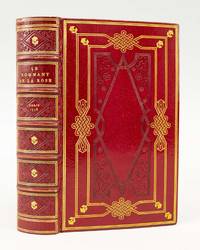
1538ST14933<p>Paris: Jehan Masse Jean Macé 1538. Fourth Edition. 182 x 91 mm. 6 3/8 x 3 3/4". 8 p.l. ccciii 1 blank leaves.Edited by Clément Marot. <br />ELEGANT SCARLET MOROCCO BY LORTIC stamp-signed on front turn-in covers tooled in gilt and blind in a Grolieresque strapwork design raised bands spine compartments with central gilt rose surrounded by blind tooling gilt titling turn-ins richly gilt marbled endpapers all edges gilt. With title page vignette and 49 impressions of 26 CHARMING WOODCUTS in the text. Front pastedown with engraved bookplate of P. Grandsire. Brunet III 1175; Bourdillon "Early Editions of the Roman de la Rose" the "S" version pp. 62-63. ◆Leaves lightly washed and pressed following the bibliophilic fashion at the time of binding occasional mild browning or small marginal stains but still A LOVELY COPY clean and still crisp IN A SPARKLING BINDING.<br /><br />Beautifully bound this is a most attractive copy of the last early edition of this classic of courtly love perhaps the most influential work in Medieval French literature. An allegorical love poem that unfolds as a dream vision the "Romance of the Rose" is the work of two authors Guillaume de Lorris who composed the first 4000 or so lines around 1230 and Jean de Meun who contributed an additional 18000 lines 40 years later. Our version was edited by the poet Clément Marot 1496-1544 to make the language more accessible to 16th century French readers and his efforts contributed to a renewed popularity for the tale. Marot did four recensions of the text; this is the final one. After our printing no other edition appeared until 1735. According to Bourdillon the woodcuts here are copied from the "very pretty" series in the 1529 edition. The scenes are impressive in the level of detail especially considering their diminutive size. Pierre Marcellin Lortic 1822-92 was one of the great binders of 19th century Paris known for his superb interpretations of traditional styles as in the present binding. According to Flety "at once artisan and artiste intelligent and conscientious an expert and a lover of his metier he knew how to give his work the finish the brilliance that very few practitioners of his time could attain." Our copy comes from the library of French bibliophile Paul Grandsire of Nogenten-Bassigny Haute-Marne whose notable collection of French imprints from the 15th to the 18th centuries was sold in 1930. All early versions of the "Romance of the Rose" are sought after and this is especially true of well-preserved copies of those editions with charming illustrations and in fine bindings favored by discriminating bibliophiles.</p> Jehan Masse [Jean Macé]
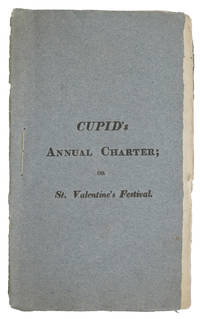
18207617London: Published by W. Perks 1820. SOLE EDITION 12mo pp. 24 hand-coloured frontispiece. Partly unopened and stitched as issued in original blue paper wrappers front wrapper printed in black. A little light soiling slight creasing to title-page. Wrappers split at spine. A scarce little collection of verse mostly in address-and-answer format between ‘Valentine’ and various types: faithless lover gentleman miser coquette old batchelor etc. Various catalogues guess a date between 1798 and 1830 but BBTI puts the publisher’s active period at 1820-1826 and the printer George Smeeton at 139 St Martin’s Lane between 1808 and 1839. The Yale catalogue attributes the frontispiece to Isaac Cruikshank. Published by W. Perks unknown
1247618250.Gpaperback. Good. Access codes and supplements are not guaranteed with used items. May be an ex-library book. paperback
16761317824O.O. o. Vlg (iuxta exemplar Coloniae Ubiorum impressum), 1676. Gestoch. Titelporträt, illustr. Kupfertitel, 6 Bl., 352 S., 8 Bl. Schweinsldrbd d. Zeit auf Holzdeckeln mit Blindprägung u. 2 Schließen (Einbd mit Wasserschaden, hinterer Deckel gebrochen u. Lederbezug gelöst, durchgehend etwas feuchtwellig u. mit schwachem Nässerand, Titel mit altem Besitzvermerk u. Stempel auf Rückseite).
17871310040Venedig, Zatta, 1787. 4 Bl., 280 S. m. 14 gestochenen Vignetten (Parnaso Italiano 27). Hldr d. Zeit m. Rückenvergoldung, 2 schwarzen Rückenschildchen u. allseitigem Farbschnitt (etwas beschabt, Vorsätze leimschattig, kaum braunfleckig, streckenweise oben gering nässerandig).
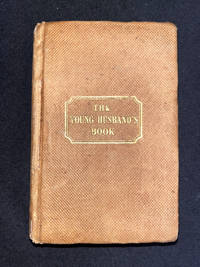
1836004867Philadelphia: Carey Lea & Blanchard 1836. 1st Edition . Hardcover. Good. Cooney Barbara. 288pp. Brown cloth gilt lettering engraved frontispiece and title page. Corners rubbed light wear and soiling contents are lightly foxed former owners' names on front endpapers. Early 19th century advice to recently married men regarding their duties and responsibilities of marriage. <br/> <br/> Carey, Lea & Blanchard hardcover
18571312723Paris, J. Tardieu, 1856 - 1857. 16 S. (Extraits des journaux), 2 Bl., 204 S.; 1 Bl., 228 S. Roter Lwdbd d. Zeit m. Gold- u. Blindprägung u. allseitigem Goldschnitt (Einbd u. Vorsätze leicht fleckig).
621174Verschiedene Druckorte u. Verlage. Leder d. Zeit mit 2 Rückenschildern "Voltaire 53" u. "Mélanges" (berieben u. bestoßen, Rücken am Kopf mit großer Fehlstelle). [3 Warenabbildungen]
1658621021Paris, D. Thierry, 1658. 4to. 8 Bl., 561 S., 1 Bl. Moderner Pappband.
19812110502150415333Sutairu-sha 1981. Soft Cover. Fine. Volume: 1 Sutairu-sha paperback
In 8, pp.XX + 143. (Francese e trad. in italiano). Br. ed. ill (xilografia di N. F. Pestarino ai piatti e al frontesp.). Dorso rifatto. Intonso.
8vo., Second Edition, with an engraved frontispiece, illustrated title in red and black, 6 fine wood-engraved plates FINELY COLOURED BY HAND and 26 engraved illustrations in the text, wanting front free endpaper, frontispiece and title lightly spotted; original pictorial red coarse-grain cloth, upper board elaborately blocked with multiple frame border in gilt and blind enclosing jester and title all in gilt, gilt back, gilt edges, bevelled boards, yellow endpapers, covers moderately age-soiled, corners scuffed, joints somewhat rubbed with one short tear, gathering cracked at F6-7 (but binding wholly sound) else a firm, tight copy. With Westley's binder's ticket on rear paste-down. Mackenzie's version of the German mediaeval classic was first published in 1860 as a Christmas volume, but stocks were swiftly exhausted and a second edition prepared to meet continuing demand. Mackenzie produced a lengthy additional preface to this second edition, attributing the success of the venture partly to 'the generous and unanimous verdict of the press' but also, surely, to the wonderful illustrations by 'Alfred Crowquill' (A.H. Forrester). Many would-be Christmas readers must have been disappointed for Mazkenzie dates his preface Christmas Eve, but scholars of mediaeval romance and fantasy will find this a most useful edition replete with extensive historical preface and bibliographical and other scholarly appendices. The US edition (T&F of Boston) of the same year is the first American edition of the tale in English. Scarce.
190964260New York: Frderick A. Stokes 1909. 4to. xv 1 172 2 pp. Colour frontisp. 6 colour plates title pages & chapter initials all decorated in lavender-coloured Celtic knotwork illustrations and borders. Black publisher’s cloth blue Celtic design borders gilt lettering colour plate mounted front cover black topstain as issued minor shelfwear light rubbing slight bumping to couple corners still a VG copy w/ former ownership marking on ffep. First edition of this translation and recounting of the epic Wagnerian opera set against the backdrop of the Arthurian myth surrounding Tristan and Isolde including music scene movements and details on the development and early performances. Williams 1875-1932 began his career in New Jersey while running a large engineering business without formal instruction and began his illustration career with St. Nicholas Magazine and later Century. He illustrated works by Smollet Defoe and would later receive the Silver Medal at the 1915 Panama-Pacific International Exposition. Frderick A. Stokes, hardcover
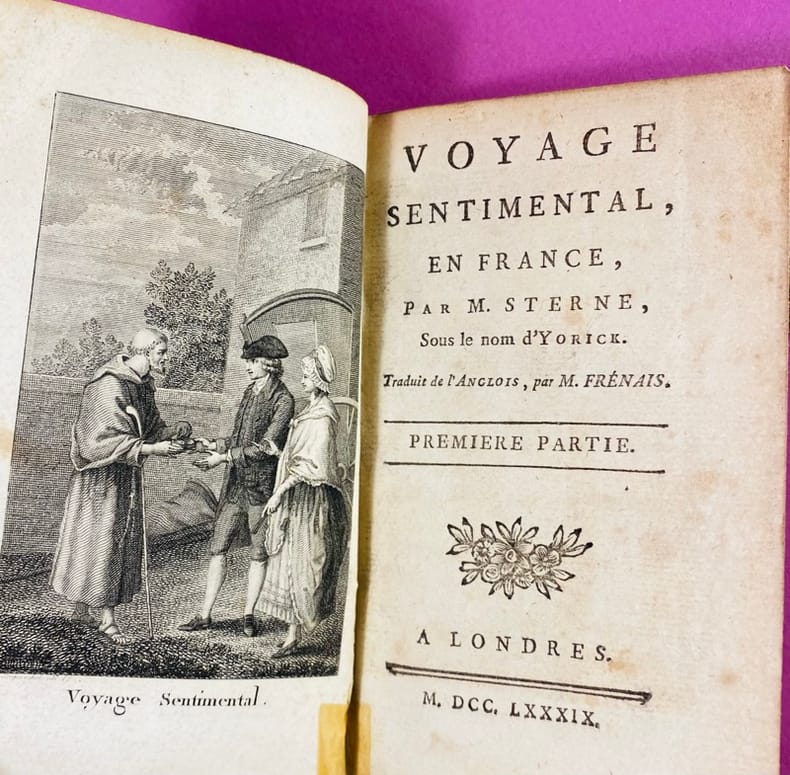
178917001789 Couverture rigide Londres [Paris], [Cazin], 1789. Deux volumes in-18 (12,5 x 8 cm), reliure plein veau fauve de l'époque, pièce de titre en maroquin olive, dos lisses ornés de fleurons dorés, triple filet d'encadrement sur les plats, filet doré sur les coupes, roulette dorée aux contreplats, tranches dorées, signet, petit manque à la coiffe supérieure du tome I, quelques frottements marginaux et épidermures sur les plats, coins légèrement émoussés, petite galerie de vers aux dos. Tome I : frontispice, 248 pages ; tome 2 : frontispice, 252 pages ; les 2 frontispices gravés sont signés Duponchel, petit renfort de scotch en pied à la page de titre du tome I intérieur du 1er volume légèrement jauni avec quelques brunissures sur les premiers feuillets au coin supérieur (sans atteinte au texte), intérieur frais pour le tome 2 . Après une première édition par Cazin en 1784 en un volume unique, une seconde vit le jour en 1789, en deux tomes, et avec les 2 gravures de l'édition de 1784 en frontispice de chaque volume (manuel du cazinophile, LXXII bis, p.126). En 1765, Sterne voyage à travers la France et l'Italie, poussant jusqu'à Naples et, à son retour, décide de décrire son voyage dans une optique "sentimentale". Le roman jouit d'un très grand succès et d'une très grande influence et contribua à faire du récit de voyage un des genres dominants de la seconde moitié du 18ème siècle. Traduction française par Frénais. Bon exemplaire.
193058329New York: Jacobsen Publishing Co. Inc. 1930. 8vo. 335 5 pp. Tan cloth black Art Deco lettering black ruling uniform interior toning as usual w/ d.j. Art Deco fadeaway cover art of woman in print dress on red background artist initial “H†minor edgewear creasing still VG/VG copy. First American edition of this Flapper Era romance novel set against the backdrop of contrived marriages land swindles and more in the new British suburbs. Wilson 1878-1965 wrote over 30 romance novels following World War I through World War II most under the name “Diana Patrick†and is perhaps best remembered as mother of Romilly Cavan Isabel Wilson who published her debut novel Heron at 21 years old. Jacobsen Publishing Co., Inc., hardcover
217590Japan.: No publication details. Colour woodblock folding map 37.3 x 50cm. Some occasional worming some staining at upper corners else in good bright condition. Colour woodblock pictorial map showing the castle of Zhuge Liang famed statesman military comander and strategist well known to those familiar with The Romance of the Three Kingdoms. The map shows cannons around the castle. The lengths of both the outer and the inner wall are also given. . No publication details. unknown