299 résultats
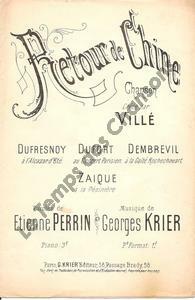
73812Partitions sur les Lettres et poste,Partitions sur l'adultère et le divorce Krier Georges
190313444Partitions sur l'adultère et le divorce Krier Georges 1903 approx.
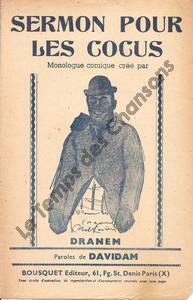
192014115Partitions sur l'adultère et le divorce Bousquet 1920 approx.
189518626Partitions sur l'adultère et le divorce Tralin 1895 approx.
190180397Partitions sur l'adultère et le divorce Propriété de L'Auteur 1901 approx.
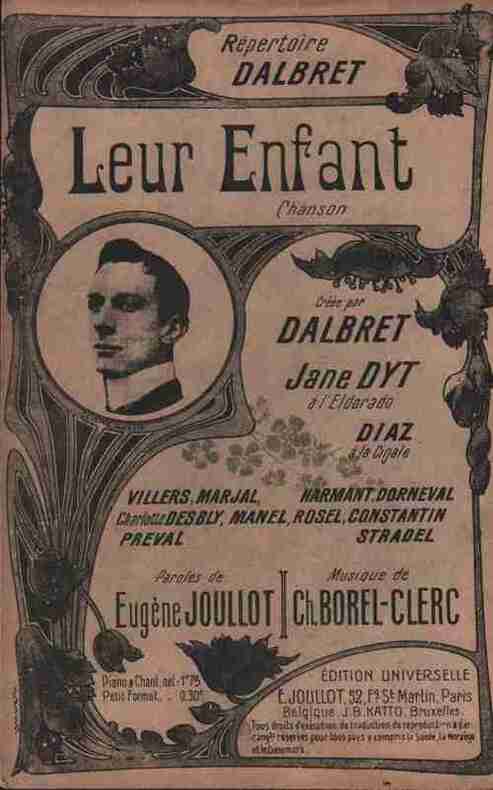
190493472Partitions sur l'adultère et le divorce Edition universelle 1904 approx.
189312104Partitions sur le Métier,Partitions sur la Justice,Partitions sur l'adultère et le divorce Ménestrel 1893 approx.
189518613Partitions sur l'adultère et le divorce Ondet 1895 approx.
14522Partitions sur l'adultère et le divorce Bourgès 1888 approx.
19294886Partitions sur l'adultère et le divorce Salabert 1929
187118617Partitions sur l'adultère et le divorce Joubert 1871 approx.
189518627Partitions sur l'adultère et le divorce Voiry G. 1895 approx.
189513031Partitions sur l'adultère et le divorce Chanson Moderne 1895 approx.
192913081Partitions sur l'adultère et le divorce Labbé Marcel 1929
193313086Partitions sur l'adultère et le divorce Labbé Marcel 1933 approx.
189914965Partitions sur l'adultère et le divorce Benoit Emile 1899 approx.
189718620Partitions sur l'adultère et le divorce Benoit Emile 1897
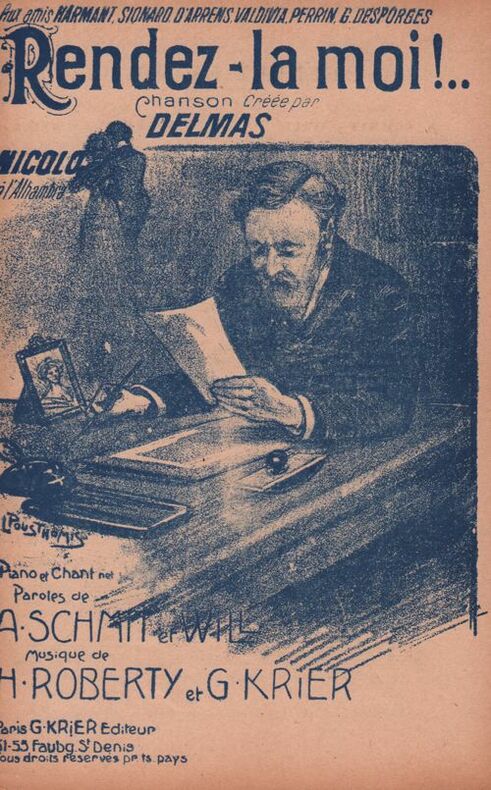
1884113768Partitions sur le Prénom,Partitions sur l'adultère et le divorce Bleu Blanc Rouge 1884 approx.
In 16, pp. VIII + 39 + (1b). Br. rifatta con carta d'epoca. Opuscolo che si inserisce nel dibattito relativo alla tanto contestata legge francese sul divorzio riportando il discorso ad una maggiore misura e moderazione e rifacendosi alla costituzione dell'anno III in cui si dichiarava che nessuno puo' dirsi un bravo cittadino se non e' un buon figlio, un buon padre, un buon fratello, un buon amico e un buon marito.
In 16, pp. 19 + 81b). Br. rifatta con carta d'epoca.
118913In Villafranca [Amsterdam], [Daniel ELZEVIR], 1666, 1 volume in-12 de 70x130 mm environ, (12) ff., 70 pages, (1) f., 588 pages. Plein cuir granité, dos à nerfs portant titres dorés et caissons ornés, roulette dorée sur les coupes, tranches mouchetées, gardes de papier marbré. Reliure restaurée (coiffes, nerfs, mors et coins), ex libris tamponné sur la page de titre, traces de mouillures sur les 70 premières pages, bon état général.
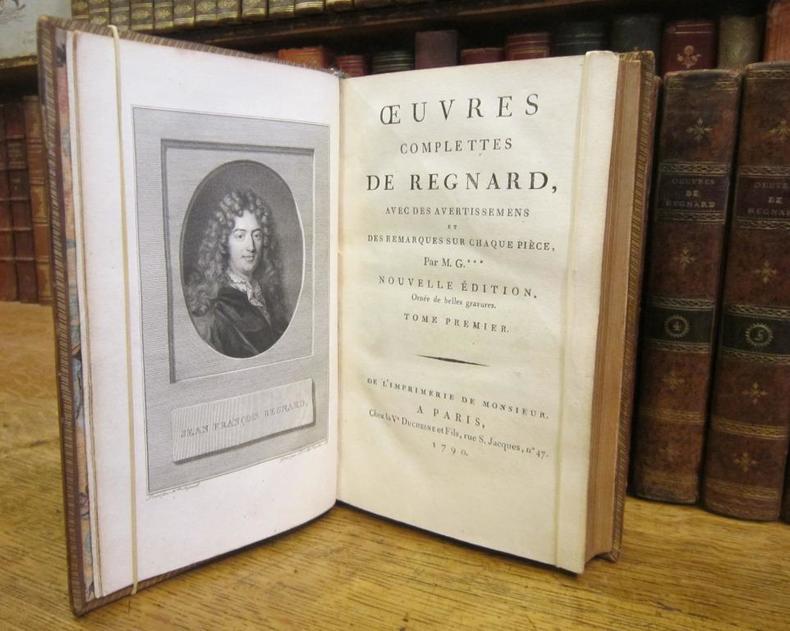
1790000261Paris Veuve Duchesne et Fils, de l'Imprimerie de Monsieur 1790
61143Sans lieu, ni date (vers 1800), 16 pages ; sans couverture.
18015554London: J. Wright; Philanthropic Reform 1801. First editions. Two pamphlets bound together in modern quarter calf over marbled boards with morocco label to spine. Measuring 203 x 120mm and both collating complete: 4 136; 27 1 blank. Toning throughout both tracts with closed tears to pages 69-70 and 77-80 with no loss of text; contemporary pencil annotations throughout the first tract documenting one reader's responses to the controversial claims. Numbers 2 and 4 in ink to headers of each title suggest these were part of a larger compilation of legal tracts likely the set of four that were offered for sale in the 1923 Walpole Galleries sale which bear matching marks. Each scarce OCLC reports approximately 20 copies of the first title and ESTC locates 3 copies of the second title; they are the only examples currently in trade. <br /> <br /> Two scarce pamphlets engaging in a longstanding debate about whether how and when divorce should be socially and legally acceptable. These two take up the issue of women's sexual agency and Thoughts on the Propriety specifically espouses the notion that women who have engaged in adultery should not be allowed to divorce an existing spouse in order to marry a man with whom they've been unfaithful. Biblical justifications for this ban are presented throughout; but the hypocrisy woven into the argument makes it clear that its author is manufacturing a problem in order to punish and shame the few women for whom this circumstance even exists. <br /> <br /> Marriages at the time could only be dissolved through divorce in an Act of Parliament; thus divorces were only available to the titled and the wealthy. Additionally at the time of Thoughts on the Propriety's publication in 1800 no woman had ever successfully petitioned Parliament for divorce and been granted one. This landmark would come in 1801 the year of publication for Nuptiae Sacra when Jane Campbell successfully petitioned to divorce Edward Addison on the grounds of abuse. "Of the 314 divorce Acts issued before 1857 all but five were initiated by men. Of the five women who petitioned for divorce Jane Campbell was the first to successfully unbind herself from her husband" History of Parliament. Whether the author of Thoughts anticipated such a ruling or not it is clear that the issue at stake was not so much women gaining divorces as women more openly at the turn of the century engaging in pre and extra marital sexual relationships or even in some cases paid sex work. This was in fact occurring; and it was the subject of numerous satires erotic works and religious diatribes dealing with cuckoldry and whoredom. The desire to shame and control women who expressed sexual subjecthood and the impulse to position them as the sinning parties rather than the men who equally engaged in the behavior with them is telling and predicts how future divorce laws would unfold. J. Wright; Philanthropic Reform unknown
83118aafLausanne, Société d’Histoire de la Suisse romande, 1989, gr. in-8vo, 504 p., brochure originale.