Trotsky LéonLivre Rare Book
596 résultats
1970R240152755François Maspero. 1970. In-8. Broché. Etat d'usage, Couv. convenable, Dos satisfaisant, Intérieur acceptable. 42 pages.. . . . Classification Dewey : 947-Europe de l'Est, URSS
1980R300318396Gallimard. 1980. In-8. Broché. Etat d'usage, Coins frottés, Dos satisfaisant, Intérieur acceptable. 178 pages.. . . . Classification Dewey : 891.7-Littérature russe (slave)
1993RO80020580LUTTE OUVRIERE. 29 janvier 1993. In-12. Broché. Etat d'usage, Couv. convenable, Dos satisfaisant, Intérieur frais. 55 pages. Nombreuses photos en noir et blanc dans le texte et hors-texte. Nombreux traits de stylo rouge dans le texte.. . . . Classification Dewey : 364.1-Délits et fraudes
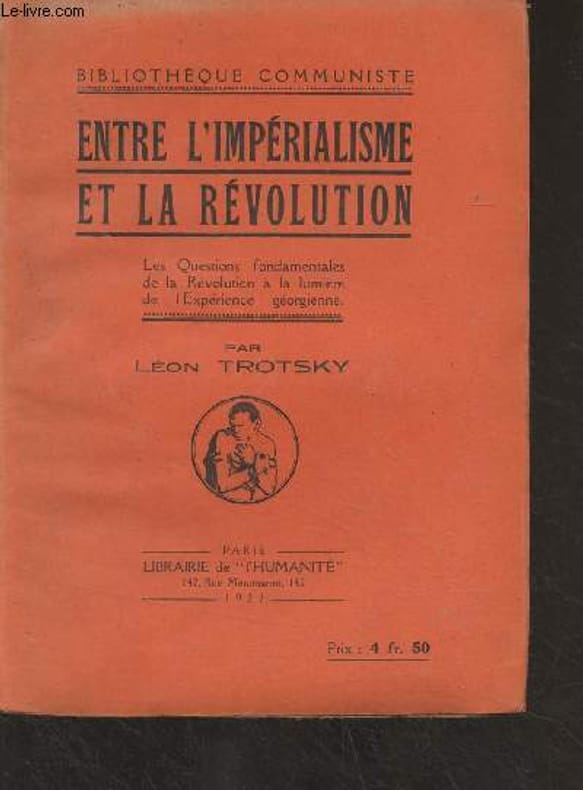
1922R300328147Lib. de l'humanité. 1922. In-8. Broché. Etat d'usage, Couv. légèrement passée, Dos fané, Papier jauni. 176 pages. Ex libris à l'encre sur le 1er contreplat.. . . . Classification Dewey : 320-Science politique
1966RO80119281CHEZ L'AUTEUR. Janvier 1966. In-12. Broché. Bon état, Couv. convenable, Dos satisfaisant, Intérieur acceptable. 38 pages.. . . . Classification Dewey : 320-Science politique
1971R300276893François Maspero. 1971. In-12. Broché. Etat d'usage, Couv. convenable, Agrafes rouillées, Intérieur frais. 38 pages agrafées.. . . . Classification Dewey : 944.0811-Guerre et révolution de 1870/1871
1974R240149433Edtions Tête de feuilles. 1974. In-8. Broché. Etat d'usage, Couv. convenable, Dos satisfaisant, Papier jauni. 245 + 337 pages. Plats contrepliés en un rabat.. . . . Classification Dewey : 947-Europe de l'Est, URSS
1974R300273194François Maspero. 1974. In-8. Broché. Bon état, Couv. convenable, Dos satisfaisant, Intérieur frais. 262 pages. Plats contrepliés en un rabat. Rousseurs sur le 2e plat.. . . . Classification Dewey : 947-Europe de l'Est, URSS
1974R300278260Tête de Feuilles. 1974. In-8. Broché. Bon état, Couv. convenable, Dos satisfaisant, Intérieur frais. 337 pages. Plats contrepliés en un rabat.. . . . Classification Dewey : 947-Europe de l'Est, URSS
1970R100059968Presses Universitaires de France. 1970. In-8. Broché. Etat d'usage, Couv. légèrement passée, Coiffe en pied abîmée, Intérieur frais. 214 pages - couverture contrepliée - coiffes abîmées.. . . . Classification Dewey : 923-Politiciens, economistes, juristes, enseignants
1979R100073741Les éditions de minuit. 1979. In-8. Broché. Etat d'usage, Couv. légèrement passée, Dos satisfaisant, Papier jauni. 787 pages - couverture légèrement jaunie.. . . . Classification Dewey : 946-Espagne, Portugal
1966R300268411Jean-Jacques Pauvert. 1966. In-12. Broché. Etat d'usage, Couv. convenable, Dos satisfaisant, Papier jauni. 129 pages. Nom écrit à l'encre en page de garde.. . . . Classification Dewey : 891.7-Littérature russe (slave)
1970R100060372Presses Universitaires de France. 1970. In-12. Broché. Etat d'usage, Coins frottés, Coiffe en pied abîmée, Intérieur frais. 278 pages - étiquette collée sur le 2eme plat.. . . . Classification Dewey : 923-Politiciens, economistes, juristes, enseignants
1966R300325262Gallimard. 1966. In-12. Broché. Etat d'usage, Couv. légèrement pliée, Dos plié, Papier jauni. 692 pages. Tranche rouges.. . . . Classification Dewey : 923-Politiciens, economistes, juristes, enseignants
1971R240148915Denoël/Gonthier. 1971. In-12. Broché. Etat d'usage, Couv. légèrement passée, Dos fané, Intérieur acceptable. 218 pages.. . . . Classification Dewey : 947-Europe de l'Est, URSS
1922R300328146Lib. de l'humanité. 1922. In-8. Broché. Etat d'usage, Couv. légèrement passée, Dos fané, Papier jauni. 142 pages. Ex libris à l'encre sur le 1er contreplat. Quelques passages annotés et soulignés à l'encre et au crayon de couleurs dans le texte.. . . . Classification Dewey : 320-Science politique
1974R300276702Seuil. 1974. In-8. Broché. Etat d'usage, Couv. légèrement passée, Dos satisfaisant, Intérieur acceptable. 217 pages. Quelques rousseurs sur les plats.. . . . Classification Dewey : 940.53-Seconde Guerre mondiale 1939-1945
1970R300276894François Maspero. 1970. In-12. Broché. Etat d'usage, Couv. convenable, Agrafes rouillées, Intérieur frais. 42 pages agrafées.. . . . Classification Dewey : 947-Europe de l'Est, URSS
1969R100064306François Maspero. 1969. In-12. Broché. Etat d'usage, Coins frottés, Agrafes rouillées, Intérieur frais. 42 pages agrafées.. . . . Classification Dewey : 947-Europe de l'Est, URSS
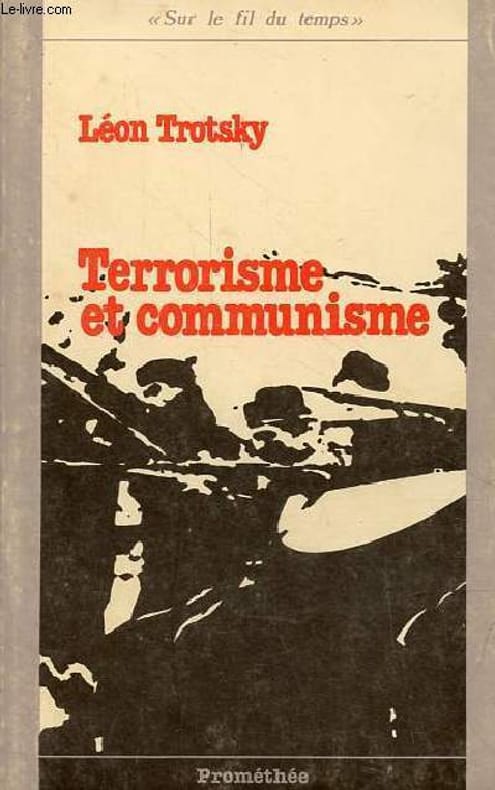
1980R100066253Prométhée. 1980. In-8. Broché. Bon état, Couv. convenable, Dos satisfaisant, Intérieur frais. 201 pages.. . . . Classification Dewey : 303.62-Terrorisme
1955198100Colombo Ceylon: Lanka Samasamaja 1955. 14p. staplebound wraps toned and edgeworn. Lanka Samasamaja unknown books
1971008255Random House. First Printing. DJ in archival cover. Stated first edition with a full number line starting with 1. . Fine. Hardcover. 1st Edition. 1971. Random House hardcover
1971ANAIS-0394471776Random House 1971-01-01. First Edition. hardcover. Good. 23.9x16x3.8. Buy with confidence. Excellent Customer Service & Return policy. Random House hardcover
1969H-429-116editions de minuit 1969. Good. No dust jacket. Different cover. Edition 1969. Ammareal gives back up to 15% of this item's net price to charity organizations. editions de minuit unknown
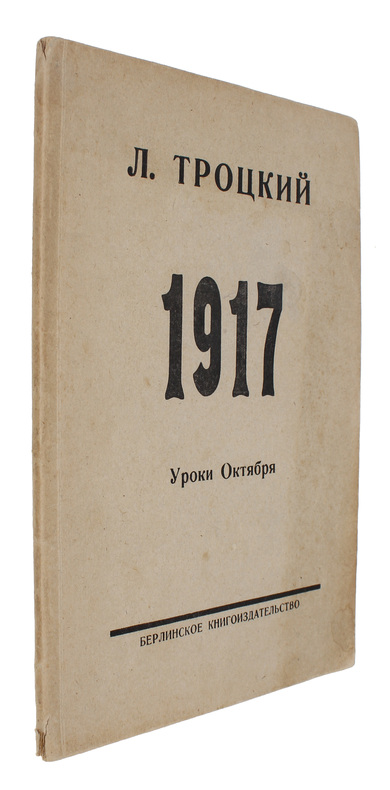
192458185(Berlin, 1924). Original printed wrappers. A bit of browning to wrappers and a bit loose at the inner hinges. But overall in very nice condition. 59pp.