Fugger, Markus (Marx)Biblio.com
1 résultat
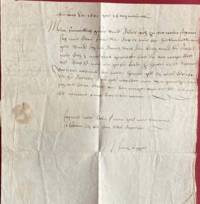
15403134Leuven 1540 1540. Autograph letter on paper in brown ink signed and dated 28 May 1540. Features a seal with a lily emblem. Text in German. In fine condition. Autograph letter on paper in brown ink signed and dated 28 May 1540. Features a seal with a lily emblem. Text in German. 1 page approx. 230 × 220 mm. <p><br /> An early letter from Markus Fugger reporting unrest in Hungary.<br /> <p><p><br /> This letter written by the eleven-year-old Markus Fugger is addressed to his "Segam" possibly a servant or caregiver in his father’s household. Markus greets them warmly inquires about a young lady named Jacobina thanks her for her ring and reflects on a recent accident involving a carriage expressing gratitude for emerging unharmed. He also reports troubling news from Hungary and Bohemia describing the unrest with the striking phrase: "They want to take our lives.â€<br /> <p><p><br /> Markus Fugger 1529–1597 the eldest son of Anton Fugger was heir to the family’s vast financial empire which dominated European banking trade and mining during the Renaissance. A humanist bibliophile and later a prominent figure in Augsburg’s civic life Markus was also known for his scholarly pursuits and cultural interests. The Fugger family renowned as the "Bankers of Kings" played a crucial role in financing major European powers including the Holy Roman Empire.<br /> <p><p><br /> At the time this letter was written Hungary was in turmoil caught between Ottoman expansion and Habsburg control which threatened the Fugger family’s mining and trade interests in the region. The letter reflects Markus’s early exposure to the complexities of his family’s business and the challenges they faced during this period of instability.<br /> <p><p><br /> Believed to be the earliest known letter from Markus Fugger this document offers rare insight into his youth the Fugger family’s history and the political tensions of 16th-century Europe. A transcription and biographical details are included with the transcriber speculating that it may have been written in Leuven during Markus’s studies though no evidence in the text confirms this.<br /> <p>. unknown