J B SalazarBiblio.com
2 069 résultats
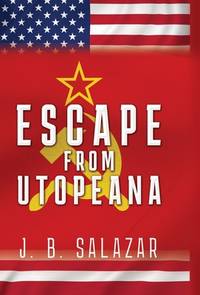
B9781662899324Hardback. New. hardcover
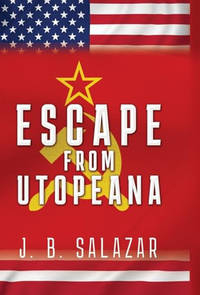
2024x-1662899327Liberty Hill Publishing 2024. Hardcover. New. 254 pages. 5.50x0.69x8.50 inches. Liberty Hill Publishing hardcover
1662899327.Ghardcover. Good. Access codes and supplements are not guaranteed with used items. May be an ex-library book. hardcover
6205286483.Gpaperback. Good. Access codes and supplements are not guaranteed with used items. May be an ex-library book. paperback
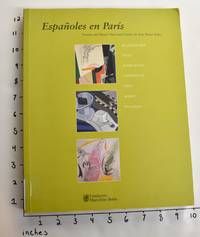
1999163032Santander: Fundacion Marcelino Botin 1999. Paperback. Contents VG clean bright and tight; covers have some light shelf wear; copy is art museum ex-lib. with a few marks but none to text. Color-illustrated chartreuse wraps with black lettering on spine. French flaps. 285 pp. with color and bw images throughout. Text in Spanish. Catalogue from the exhibition held July to September 1999. "This exhibition presents an overview of seven Spanish artists working in Paris in the early twentieth century and whose work contributes to the renewal and creation of new languages in Contemporary Art. Of the selected artists the first to move to Paris in 1899 is Julio González who was followed by Pablo Picasso in 1900 Pablo Gargallo in 1903 Juan Gris in 1906 and MarÃa Blanchard in 1909. After the First World War another wave of Spanish artists chose France as their home including Joan Miró in 1920 and Salvador Dalà in 1926. All works in this exhibition at the Marcelino BotÃn Foundation belong to the Museo Nacional Centro de Arte Reina SofÃa funds. The selection is made from those pieces in the collection that are not currently exhibited in the museum but which are representative of such a prolific period in Spanish Art. By Julio González there are three paintings from his early works in this discipline: Mujer peinando a una joven 1914-1918 La recolección de manzanas 1920-1925 and Dos mujeres 1920-1928. In 1910 he produces the first of his embossed metal masks; this moment belongs to Máscara inquietante 1913-1914. A few years later he produces pieces in cut and wrought iron such as Masque aceré 1929-1930. His work evolves into abstraction without abandoning figurative references like in Petite maternité assise 1933-1934 and El pie 1934-1936. For Gonzalez drawings are an essential part of his creative process. Exhibited are: Mujer con niña en malva 1906 Personaje de pie amarillo y blanco 1937 Personaje con velo largo nº I 1941 and El grito 1939 which lay the foundations for the Montserrat which González presents in the Spanish Pavilion at the Universal Exhibition in Paris in 1937 to which the Reina SofÃa Museum dedicates an exhibition in 1987. The contribution of Pablo Picasso is overwhelming. On this occasion eleven preparatory studies to the Guernica 1937 are exhibited a work that exemplifies the Reina SofÃa Museum Collection. Following the bombing of Guernica Picasso works on this monumental piece specifically for the aforementioned Spanish Pavilion. The horse is one of the first figures he drafts along with Cabeza llorando an image of the suffering of a mother. These exhibited drawings and canvasses refer to these reasons in addition to Estudio de composición VI 1937. Pablo Gargallo received by Picasso on his arrival in Paris is along with Julio González the most important Spanish sculptor from the early twentieth century. By him the pieces Torse de gitan 1923 La dormeuse 1924 Porteuses d’eau 1925 and Tête de prophète 1926 are exhibited accompanied by three drawings which are the basis for his sculptures ArlequÃn a la guitarra 1927 and Bailarina. Teresina Boronat 1927 in two different versions. By Juan Gris creator of Synthetic Cubism the paintings El violón 1916 y Guitarra con incrustaciones 1925 were chosen as well as drawings Naturaleza muerta a la guitarra 1925 and Hombre a la guitarra 1925-1926. These last two are the original drawings and drafts for lithographs that Gris produces for Gertrude Stein’s Book: A Book Concluding with As a Wife Has a Cow: A Love Story 1926. The Museo Reina SofÃa has a large collection of works by MarÃa Blanchard partly acquired in 1932 from her sister Carmen. They include: Mujer con abanico 1915-1916 and Composición Cubista 1916 from her cubist period and Niña peinándose 1926-1927 La bordadora 1926 and Niños 1930-31 from her return to figuration. The second group is made up of those artists who return to Paris in the Twenties like Joan Miró and Salvador DalÃ. The paintings by Miro include: Personnage oiseaux 1974 Paisaje 1974 Femme oiseau I 1977 Paysage 1976 and Personnages oiseaux constellations 1976 accompanied by sculptures such as Femme soleil 1966 Torse de femme 1967 Tête dans la nuit 1968 Tête de taureau 1970 Jeune fille rêvant de l’evasion 1971 and Femme et oiseau 1971. Dalà presents an untitled canvas from 1928 a study to Premonición de la Guerra Civil 1935 the unfinished painting of his muse and companion Busto de Gala 1939 the canvas: A propósito del “Discurso sobre la forma cúbica†de Juan de Herrera 1960 inspired by the renowned architect a painting that reveals his interest in science Ãrabes. Ãcido desoxirribonucleico 1963 and the first version of El Camino del Enigma 1981 one of his final compositions." - from the museo reina sofia web site. Fundacion Marcelino Botin paperback
1999163032Santander: Fundacion Marcelino Botin 1999. Paperback. Contents VG clean bright and tight; covers have some light shelf wear; copy is art museum ex-lib. with a few marks but none to text. Color-illustrated chartreuse wraps with black lettering on spine. French flaps. 285 pp. with color and bw images throughout. Text in Spanish. Catalogue from the exhibition held July to September 1999. "This exhibition presents an overview of seven Spanish artists working in Paris in the early twentieth century and whose work contributes to the renewal and creation of new languages in Contemporary Art. Of the selected artists the first to move to Paris in 1899 is Julio González who was followed by Pablo Picasso in 1900 Pablo Gargallo in 1903 Juan Gris in 1906 and María Blanchard in 1909. After the First World War another wave of Spanish artists chose France as their home including Joan Miró in 1920 and Salvador Dalí in 1926. All works in this exhibition at the Marcelino Botín Foundation belong to the Museo Nacional Centro de Arte Reina Sofía funds. The selection is made from those pieces in the collection that are not currently exhibited in the museum but which are representative of such a prolific period in Spanish Art. By Julio González there are three paintings from his early works in this discipline: Mujer peinando a una joven 1914-1918 La recolección de manzanas 1920-1925 and Dos mujeres 1920-1928. In 1910 he produces the first of his embossed metal masks; this moment belongs to Máscara inquietante 1913-1914. A few years later he produces pieces in cut and wrought iron such as Masque aceré 1929-1930. His work evolves into abstraction without abandoning figurative references like in Petite maternité assise 1933-1934 and El pie 1934-1936. For Gonzalez drawings are an essential part of his creative process. Exhibited are: Mujer con niña en malva 1906 Personaje de pie amarillo y blanco 1937 Personaje con velo largo nº I 1941 and El grito 1939 which lay the foundations for the Montserrat which González presents in the Spanish Pavilion at the Universal Exhibition in Paris in 1937 to which the Reina Sofía Museum dedicates an exhibition in 1987. The contribution of Pablo Picasso is overwhelming. On this occasion eleven preparatory studies to the Guernica 1937 are exhibited a work that exemplifies the Reina Sofía Museum Collection. Following the bombing of Guernica Picasso works on this monumental piece specifically for the aforementioned Spanish Pavilion. The horse is one of the first figures he drafts along with Cabeza llorando an image of the suffering of a mother. These exhibited drawings and canvasses refer to these reasons in addition to Estudio de composición VI 1937. Pablo Gargallo received by Picasso on his arrival in Paris is along with Julio González the most important Spanish sculptor from the early twentieth century. By him the pieces Torse de gitan 1923 La dormeuse 1924 Porteuses d'eau 1925 and Tête de prophète 1926 are exhibited accompanied by three drawings which are the basis for his sculptures Arlequín a la guitarra 1927 and Bailarina. Teresina Boronat 1927 in two different versions. By Juan Gris creator of Synthetic Cubism the paintings El violón 1916 y Guitarra con incrustaciones 1925 were chosen as well as drawings Naturaleza muerta a la guitarra 1925 and Hombre a la guitarra 1925-1926. These last two are the original drawings and drafts for lithographs that Gris produces for Gertrude Stein's Book: A Book Concluding with As a Wife Has a Cow: A Love Story 1926. The Museo Reina Sofía has a large collection of works by María Blanchard partly acquired in 1932 from her sister Carmen. They include: Mujer con abanico 1915-1916 and Composición Cubista 1916 from her cubist period and Niña peinándose 1926-1927 La bordadora 1926 and Niños 1930-31 from her return to figuration. The second group is made up of those artists who return to Paris in the Twenties like Joan Miró and Salvador Dalí. The paintings by Miro include: Personnage oiseaux 1974 Paisaje 1974 Femme oiseau I 1977 Paysage 1976 and Personnages oiseaux constellations 1976 accompanied by sculptures such as Femme soleil 1966 Torse de femme 1967 Tête dans la nuit 1968 Tête de taureau 1970 Jeune fille rêvant de l'evasion 1971 and Femme et oiseau 1971. Dalí presents an untitled canvas from 1928 a study to Premonición de la Guerra Civil 1935 the unfinished painting of his muse and companion Busto de Gala 1939 the canvas: A propósito del "Discurso sobre la forma cúbica" de Juan de Herrera 1960 inspired by the renowned architect a painting that reveals his interest in science Árabes. Ácido desoxirribonucleico 1963 and the first version of El Camino del Enigma 1981 one of his final compositions." - from the museo reina sofia web site. Fundacion Marcelino Botin paperback books
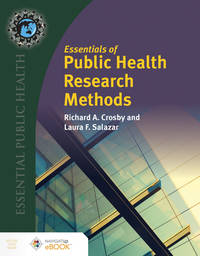
2003SKU0472091Jones & Bartlett Learning 2020-03-30. Paperback. Good. Textbook May Have Highlights Notes and/or Underlining BOOK ONLYNO ACCESS CODE NO CD Ships with Emailed Tracking Jones & Bartlett Learning paperback
20202-1284175464Jones & Bartlett Learning 2020. Paperback. New. 1st pap/psc edition. 243 pages. 10.75x8.50x0.50 inches. Jones & Bartlett Learning paperback
ria9781284175462_inpPaperback / softback. New. New Book; Fast Shipping from UK; Not signed; Not First Edition; N/A paperback
2020BN204542Jones and Bartlett Publishers Inc 2020. 2020. Softcover. Essentials of Public Health Research Methods <br/><br/>Essentials of Public Health Research Methods Salazar Laura F. Jones and Bartlett Publishers, Inc paperback
1284175464.Gpaperback. Good. Access codes and supplements are not guaranteed with used items. May be an ex-library book. paperback
2012DADAX3847358308Eae Editorial Academia Espanola 2012-07-25. paperback. New. 5.91x0.22x8.66. Buy with confidence. Excellent Customer Service & Return policy. Eae Editorial Academia Espanola paperback
3847358308.Gpaperback. Good. Access codes and supplements are not guaranteed with used items. May be an ex-library book. paperback
ria9789999312530_inpPaperback. New. New Book; Fast Shipping from UK; Not signed; Not First Edition; N/A paperback
47060455-nnew. unknown
47060455like new. unknown
3845494263.Gpaperback. Good. Access codes and supplements are not guaranteed with used items. May be an ex-library book. paperback
20182-6202168420Editorial Académica Española 2018. Paperback. New. 112 pages. Spanish language. 8.66x5.91x0.26 inches. Editorial Académica Española paperback
ria9786203035100_inpPaperback. New. New Book; Fast Shipping from UK; Not signed; Not First Edition; N/A paperback
20171-363953879XEditorial Académica Española 2017. Paperback. New. 76 pages. Spanish language. 8.66x5.91x0.18 inches. Editorial Académica Española paperback
20192-6138981723Editorial Académica Española 2019. Paperback. New. 68 pages. Spanish language. 8.66x5.91x0.16 inches. Editorial Académica Española paperback
6209037216.Gpaperback. Good. Access codes and supplements are not guaranteed with used items. May be an ex-library book. paperback
6203035106.Gpaperback. Good. Access codes and supplements are not guaranteed with used items. May be an ex-library book. paperback
20191-3848478080Editorial Académica Española 2019. Paperback. New. 164 pages. Spanish language. 8.66x5.91x0.37 inches. Editorial Académica Española paperback
6200380236.Gpaperback. Good. Access codes and supplements are not guaranteed with used items. May be an ex-library book. paperback