1 résultat
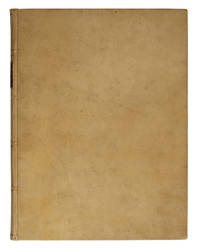
1479ABC_49714Colophon on i6v: Gouda: Geraert Leeu 1479. Modern vellum sewn on 4 vellum tapes laced through the joints gold-tooled spine with a burgundy morocco title label lettered in gold. Small folio ca. 26 x 20 cm. The text is set in Gothic type in double columns of 35 lines to a page with large manuscript initials in red ink at the start of every chapter rubricated throughout. Further with Geraert Leeu's printer's device and his initials below the colophon on i5v. Extremely rare early Dutch incunable edition of Dat scaecspel printed by Geraert Leeu in Gouda; one of the earliest editions of the Dutch translation of the celebrated classic work titled De ludo scachorum by the Italian Dominican friar Jacobus de Cessolis ca. 1250-ca. 1322. It is likely the earliest precisely dated edition of this text in Dutch. The colophon clearly states the date of printing: "Int iaer ons heren dusent vier-hondert ende neghentseventich op ten anderden dach van october ." = 2 October 1479. Another early edition exists which was printed in Zwolle ca. 1478-1480 but this edition is not clearly dated and thus could have been printed after the present edition. We have not been able to trace any other copies of the present 1479 edition in sales records of the last 100 years.De ludo scachorum is a moral allegory in which the rules and pieces of the game of chess serve as a framework for reflections on society duty and governance. It had already become one of the most popular didactic texts of the later Middle Ages and with the publication of De Cessolis' text in print in several European languages it definitively became a classic in European literary tradition. The present work is the first book in the Dutch language to concern the game of chess and the first printed edition of the Latin text was also produced in the Netherlands by the printers Nicolaus Ketelaer and Gerardus de Leempt in Utrecht in 1474.The original text in Latin consisted of four parts each divided into chapters. The first part discusses the origins of chess and the purposes behind its creation: to reform the misconduct of rulers to ward off idleness and melancholy and to provide endless novelty through the games variety. The next two parts interpret the chess pieces as symbols of the different social estates with each class illustrated through stories and examples. The final part turns to the game itself: the board is likened to the city of Babylon the starting positions of the pieces are described and their movements are explained in detail. The present Dutch translation mainly focuses on the first 3 parts which are here divided into 14 chapters. It focuses more on the moralising allegory of the text than on the way game of chess itself is played. It does include an epilogue by the adapter/translator named Franco leaf i5v.With a manuscript annotation in reddish-brown pencil on the recto of the first leaf "Dat Scaecspell". The blank spaces before each chapter except the first are filled with manuscript summaries of that chapter in a 17th-century hand. Further with some contemporary in red and 17th-century in brown annotations in the margins mostly numbers and small asterisks etc. The first and last leaves are somewhat browned some minor restorations to the paper in the margins not affecting the text and some dust soiling and minor foxing throughout. Otherwise in very good condition. A rare copy of a captivating 14th-century allegorical treatise on the game of chess that became a classic in European literary tradition.l BMC IX pp. 32-33; Campbell-Kronenberg 419; Elloitt-Loose 318; Gesamt Kat. Wiegendrucke 06535; Goff C411; Hain-Copinger 4904; Heel De Goudse drukkers en hun uitgaven. I Gerard Leeu p. 8; ISTC ic00411000 8 copies incl. 2 incomplete; Pellechet 3507; Polain 2158; Proctor 8917; Thienen IDL 1217; Thienen & Goldfinch ILC 553; USTC 435433 7 copies; WorldCat 1079782638 7450101 1415095142 5 copies. Geraert Leeu, hardcover