202 résultats
In March of 1921, journalist Kostas Faltaits arrived in Asia Minor (today’s Turkey) sent by newspaper Embros to cover Greece’s movements in the Greco-Turkish War. By the time he arrived in the region of Nicomedia (today’s Izmit) - a region inhabited by a large number of Greek, Armenian and Circassian communities - Kemalist forces had set fire to many of the villages, leaving behind a trail of death and destruction. Faltaits came face to face with the fleeing survivors of these massacres, and was able to collect these valuable and graphic eye-witness testimonies which were published in both Greek and French at the time. Translated for the very first time in English and with a prologue by Tessa Hofmann, this edition will shed some light into just one of the many chapters of the Greek Genocide, a genocide which claimed the life of approximately one million Greeks living in the former Ottoman Empire.The accounts by Greek survivors in The Genocide of the Greeks in Turkey, of massacres, torture, rape, theft, and the destruction of villages, and the brutalizers’ sheer pleasure in inflicting such suffering on fellow humans, attests to the depths to which humans are capable of descending. However, these accounts by survivors also attest to human courage and the sheer will to survive, even after enduring and witnessing such unspeakable depravity. That this kind of depravity has been repeated around the world since this blight occurred in Ottoman Turkey almost 100 years ago, reminds us how important it is to record these heinous crimes against humanity, demand acknowledgement from the responsible governments, and bring the perpetrators to justice. It also reminds us that powerful nations that stand by and witness these genocides without taking meaningful action to stop them should also be denounced as complicit in the genocides. Such was the case in ttoman Turkey when the Allies knew of the depravity taking place against the Ottoman Greeks and Armenians, but chose to silence relief workers and missionaries in order to ensure future trade with Mustapha Kemal’s emerging Nationalist government.....Countless other examples can be found since the Ottomans and Kemal destroyed the three and four millennia old Greek, Armenian, and Assyrian communities of Asia Minor between 1914 and 1923." Details Category: Asia Minor CatastropheCode: 10041ISBN: Binding: Paperback Pages: 156 Publication Date: 2016 Publisher: Published In: USA Translator: Ellene S. Phufas-Jousma, Aris Tsilfidis Language: English
Smyrna, one of the wealthiest cities and the most advanced civilizations in the Middle East (present-day Turkey) with a unique mixture of many nationalities-Greek, Armenian, Jewish, Turkish, European, and American-perished into ashes in September 1922. The Smyrniots became victims through the orders of Mustafa Ataturk, who was responsible for one of the largest purges of humanity known to man. This eradication led to the loss of 3.5 million Greek and Armenian Orthodox Christians who had occupied Asia Minor since the time of Alexander the Great. In September 1922, Ataturk led his troops into Smyrna (now Izmir), a predominantly Greek Christian City that was known as the City of Infidels to the Turks. The Turks then proceeded to indulge in an orgy of pillage, rape, and slaughter. This City of Infidels was cleansed and destroyed and with it the last hub of Christians in Turkey. The Whispering Voices of Smyrna is proof of the horrible atrocities the Turks, whether private citizens or government officials, committed by plundering, torturing, mutilating, burning alive, and massacring women, children, and aged people. The book details these brutal acts that were decided, planned, and directed by the Turkish central authorities and were aimed at cleansing lands under Turkish control of non-Muslim citizens. The Whispering Voices of Smyrna combines history and storytelling so that readers understand how the decision by government and military leaders of the victorious Allied powers affected the people of Smyrna. Through the eyes of the Samithakis family, one lives the cataclysmic events that determined the fate of Asia Minor following World War I. The Samithakis family lived a life of luxury among the different nationalities in Smyrna, until the Turks forced them to flee with other Greek, Armenian and European residents of Smyrna. In the course of their struggle to save themselves from the fire, the massacres, rapes, mutilations and plundering, they lost one another and became refugees, beggars and exiles. The reader also lives through the stages of destruction of a civilization centered on the once-thriving and beloved city of Smyrna. 350p.
196910291Fleuve Noir 1969 collection anticipation n° 389. 1969. Le roman 'Demain le froid' de Jean-Louis et Doris Le May publié en 1969 traite de l'établissement sur Terre d'une nouvelle période glaciaire causée par la traversée d'un champ de poussières cosmiques. Il suit le personnage de François Alandin dans une métropole parisienne futuriste confrontée à cette catastrophe climatique. Le récit est structuré en deux parties au style distinct mais avec les mêmes protagonistes
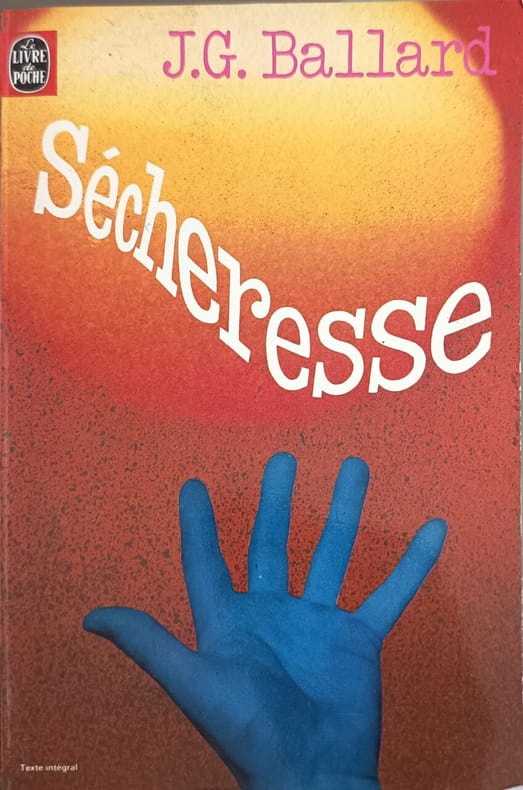
19777320Le Livre De Poche 1977 316 pages poche. 1977. broché. 316 pages. Dans un futur où la pollution et la radioactivité ont stoppé les pluies depuis une décennie la Terre subit une sécheresse apocalyptique. Le roman suit des personnages apathiques face à cette catastrophe environnementale qui transforme radicalement la société et la psyché humaine alors que l'eau devient une denrée rare et que la vie s'éteint progressivement
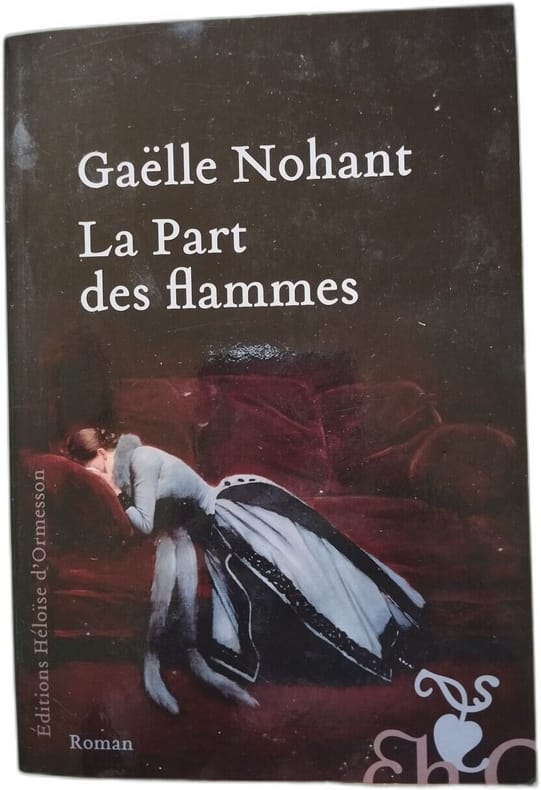
2015500254665H D ORMESSON 2015 492 pages 14x20 4x3 7cm. 2015. Broché. 492 pages.
500322598Sans date. Niourk est un roman de science-fiction publié en 1957 qui raconte l'histoire d'un enfant noir rejeté par sa tribu dans un monde dévasté par une catastrophe nucléaire. Il entreprend une quête vers la ville mythique de Niourk (ancienne New York) peuplée de ruines de radiations et de machines étranges dans l'espoir de trouver un moyen de redonner vie à la Terre. Ce court roman au style accessible suit son périple semé d'embûches où il doit affronter des créatures mutantes et s'allier avec un ours
500326467Filmedia 13 76x1 48x18 03cm. Sans date. blu_ray.
500366370Filmedia 13 76x1 48x18 03cm. Sans date. blu_ray.
1966500329857Editions magnard 1966 1966. Berthe une jeune sourde-muette découvre dans une forêt dévastée un bébé unique rescapé d'une catastrophe aérienne. Elle le ramène à sa mère qui décide de l'adopter. Maïe grandit heureuse dans la maison de la forêt mais son identité reste un mystère
1992143673Couverture souple. Brochure de 48 pages.
1992143802Couverture souple. Brochure de 48 pages.
1996143728Couverture souple. Brochure de 48 pages.
1996143810Couverture souple. Brochure de 48 pages.
1983142186Couverture souple. Brochure de 32 pages.
in-16, 477 pp., broché, couv. ill. Bon état. [LP-5]
11133broché - x- 452pp - 1992 - edition° 1
20152417Albin Michel 2015 300 pages in8. 2015. broché. 300 pages.
8562broché - 15,5x23,5 - 351 pp - 1975 - Grasset, Paris
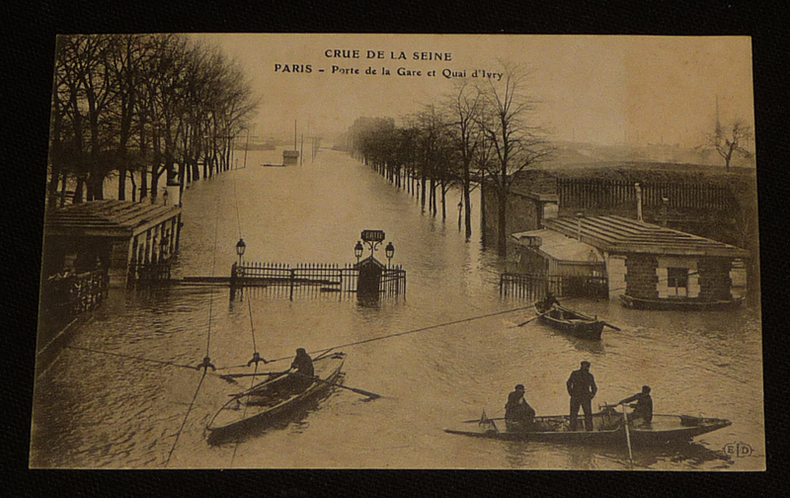
ad142Carte postale Carte postale ancienne en noir et blanc (14 x 9 cm), photographie de la Seine en crue ; message manuscrit daté de 1910 au verso, par ailleurs bon état. Livraison a domicile (La Poste) ou en Mondial Relay sur simple demande.
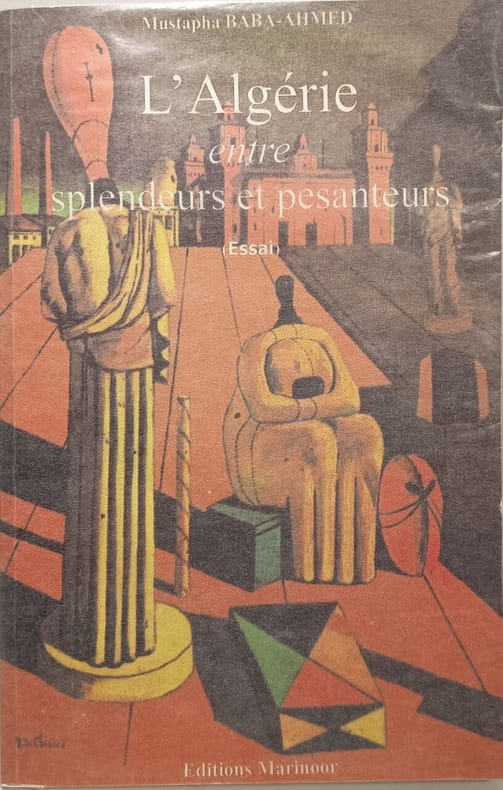
19978344Editions Marinoor 1997 288 pages in8. 1997. broché. 288 pages. Cet essai de Mustapha Baba-Ahmed analyse la situation de l'Algérie en particulier sa faillite économique et le désastre social qui en découle en examinant les éléments relevant du déterminisme historique. L'ouvrage explore la tension entre les potentialités du pays (ses 'splendeurs') et les obstacles qui l'entravent (ses 'pesanteurs')
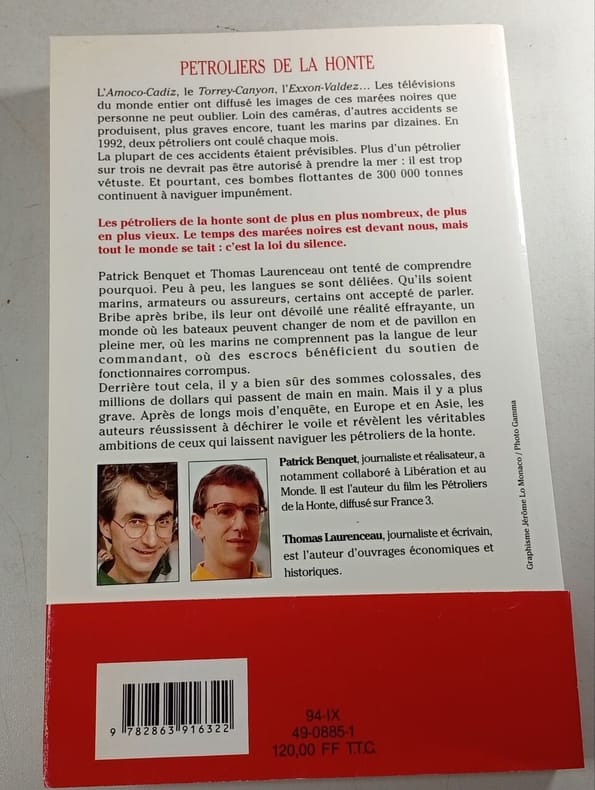
500370481Édition 1 Sans date. Ce livre enquête sur le phénomène des pétroliers vétustes et dangereux qui provoquent des marées noires souvent ignorés par les médias et les autorités. Les auteurs Patrick Benquet et Thomas Laurenceau dénoncent la loi du silence qui entoure ces catastrophes et révèlent les dessous de ce scandale maritime
ad141Carte postale Carte postale ancienne en noir et blanc (14 x 8,8 cm) représentant les inondations de Paris, janvier 1910 - Esplanade des Invalides : Passerelle construite par le Génie militaire ; message manuscrit et rousseurs au verso, par ailleurs bon état. Livraison a domicile (La Poste) ou en Mondial Relay sur simple demande.
500301125Filmedia 13 76x1 48x18 03cm. Sans date. dvd.
ad147Carte postale "Carte postale ancienne en noir et blanc (13,8 x 9 cm), légendée ""Lyon - La crue du Rhône (janvier 1910) - Bateaux amarrés au Quai de Retz"" ; message manuscrit au verso, timbre et cachet de la poste au recto, carte inégalement brunie, par ailleurs assez bon état. Livraison a domicile (La Poste) ou en Mondial Relay sur simple demande."
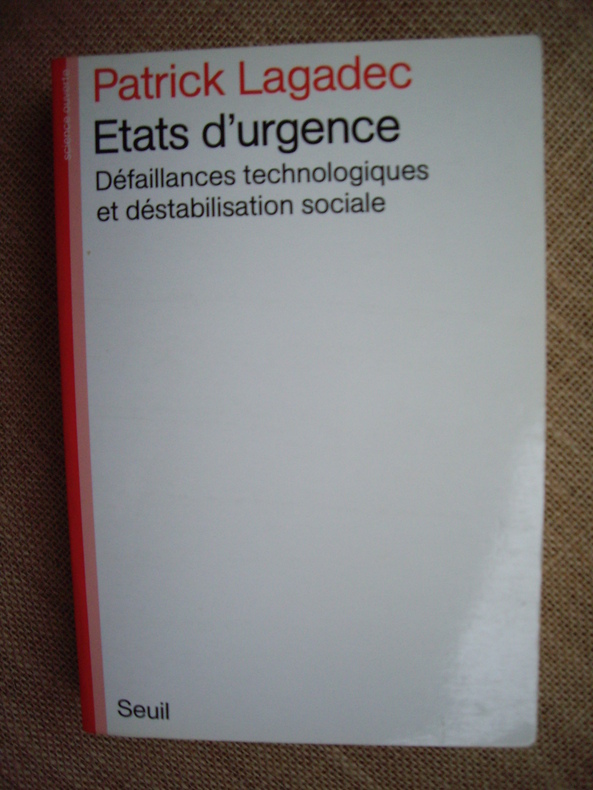
6445Paris, Editions du Seuil, 1988, broché, 14x20,5 cm, 298 pages.