MARTIN EtienneLivre Rare Book

170 résultats
1905108258Berger Levrault Broché Paris, Berger Levrault 1905. In-4 broché de XIV + 324 + 48 pages. Dos cassé, sinon bon état
26200A Aix, Chez André Adibert, Imprimeur du Roi, vis-à-vis le College, 1782. Five works on one volume. 46 pp.; 46 pp.; 31, (1) pp.; 24 pp.; 9, (1) pp. Small folio. Modern boards. None of these items in Conlon. Each work has a very nice engraved head-piece, and the place, name of printer and date are printed in these head-pieces. The head-piece of the fourth work depicts a castle and a house. Deals with the right of tax collecting (tax-farming) by Chabert and the predicted amounts of money to be collected. Chabert won the right to collect the taxes among the members of the guild, and for which right he paid the guild of cobblers, but revenues fell far behind what was predicted/expected. At least one of the reasons was the emigration of vast numbers of "garçons" as a response to measures taken by the guild itself, another the departure of many cobblers after a large fleet had left Marseille. The question here is if Chabert is entitled to discounts or refunds of money he already paid to the guild and if he is to be held accountable for failing to collect the predicted/expected sums of money.The first text is preceded by a handwritten summary of the entire matter of two pages, the second piece has handwritten annotations at the end stating the Chambre de Tournelle affirmed the verdict by arret of 16 july 1782: the second piece finds the guild (the Maîtres Cordonniers) guilty.
7095Paris, Groupe d'action des contribuables parisiens, 1934. In-12, broché.
2510420 Mars 1745. 20 pp. 4to. Modern boards. Concerning the new taxes on merchandise and the 'centieme denier', the tax of one percent per 100 levied on all movement of property or use of buildings (immeuble). Interesting manuscript, a bit difficult to read due to the handwriting.
17357Londres, 1787. 88 pp. 8vo. Modern half morocco. Kress B.1266 (other edition); Goldsmiths 13454 (other edition); Einaudi 3412 (other edition); INED 2915 (other edition); Stourm, pp. 145-146 (other edition). One of three editions from the same year, no priority has been established. The French crown faced bankruptcy when the Controller-General, Calonne, presented a financial scheme to end the crisis. The keystone in his program was a tax to be levied on all property owners without discrimination of estate. Calonne also proposed liberating commerce in grains from all internal tariffs. When Calonne was unable to pass this in the Assembly of Notables, he was replaced by Loménie de Brienne. 'Linguet lent the support of his publicity to the Calonne property tax and published this work just after the Notables had turned down Calonne's master plan. (.....) Linguet viewed it as a means by which the government, provisioned in grains, could compete with entrepreneurs, control the market price of wheat, and in that way guarantee the lives of an impoverished and progressively more restless population of dispossessed persons. Linguet saw the unpopular tax program as a key government stratagem for warding off two spectres: bankruptcy and a people's revolution' (D. Gay Levy, The Ideas and Careers of Simon-Nicolas-Henri Linguet, p. 240). - Name on title.
17358No place, (1788). 2 works in 1 volume. 144, (2) pp.; 12 pp. 8vo. Modern boards. First work: Kress B.1266 (other edition); Goldsmiths 13454 (other edition); Einaudi 3412 (other edition); INED 2915 (other edition); Stourm, pp. 145-146 (other edition). One of three editions from the same year, no priority has been established. The French crown faced bankruptcy when the Controller-General, Calonne, presented a financial schem to end the crisis. The keystone in his program was a tax to be levied on all property owners without discrimination of estate. Calonne also proposed liberating commerce in grains from all internal tariffs. When Calonne was unable to pass this in the Assembly of Notables, he was replaced by Loménie de Brienne. 'Linguet lent the support of his publicity to the Calonne property tax and published this work just after the Notables had turned down Calonne's master plan. (.....) Linguet viewed it as a means by which the government, provisioned in grains, could compete with entrepreneurs, control the market price of wheat, and in that way guarantee the lives of an impoverished and progressively more restless population of dispossessed persons. Linguet saw the unpopular tax program as a key government stratagem for warding off two spectres: bankruptcy and a people's revolution' (D. Gay Levy, The Ideas and Careers of Simon-Nicolas-Henri Linguet, p. 240).Second work: Not in Kress; not in Goldsmiths; not in Einaudi; not in INED; not in Stourm.Calonne's reforms failed, Brienne's attempts failed, and the King gave in, recalled Jacques Necker to face the acute financial crisis, recalled the parlements and annulled all judicial reforms. Linguet answered with number 116 of his Annales again proposing fiscal reform. The parlements answered by ordering this number 116 to be lacerated and burned. The present work is Linguet's protest against these decisions by the parlement. - Inner margin of the first title and last leaf of the second work strengthened.
188010593Paris, Librairie Générale, 1880 ; in-8, broché ; (4), 75 pp., couverture jaune imprimée.
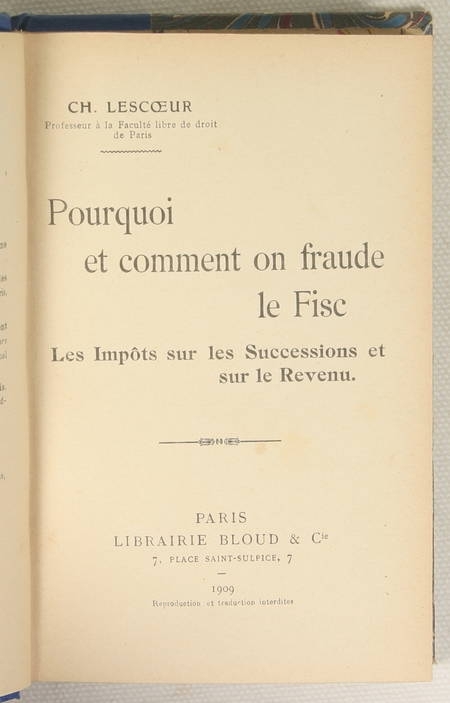
19096495Paris, Librairie Bloud, 1909. 525 g In-12, demi percaline bleue, [2] ff., 277-[3] pp.. Cachet ex-libirs D. Maray. . (Catégories : Impôts, )
190021863Lyon, Imprimerie Emmanuel Vitte, 1900 ; in-8 (274 mm), demi-maroquin à coins vert-malèze, dos à quatre nerfs, tirte doré (reliure de l'époque) ; 210 pp., X illustrations de Rogatien Le Nail gravées sur bois.
5690217e année - N° 821 - Vendredi 13 mars 1936 - 10, rue J.-Récamier. Lyon 6me - grand in-8 broché - revue illustrée
18596A Caen, Chez Gilles le Roi, 1765. (2), 57, (1) pp. 4to. Modern marbled boards. INED 2728; not in Kress; not in Goldsmiths; not in Einaudi; not in Conlon. First edition. 'Mémoire historique et économique exprimant la misère des curés 'portionnaires' et les moyens d'y remédier' (INED). - Two small holes in inner margin of title-page.
1636GF328431636 Paris - Jean Bessin - 1636 - 1 volume in8 de 26 - 639 - 35 pages - Reliure plein vélin d'époque - quelques piqures et rousseurs mais bon exemplaire -
45237P., Juris-Classeurs, sans date, grand in 8° broché, XVIII-185 pages.
191942967- 43 x 60 cm. 4 pages. Replié pour envoi sous bande.
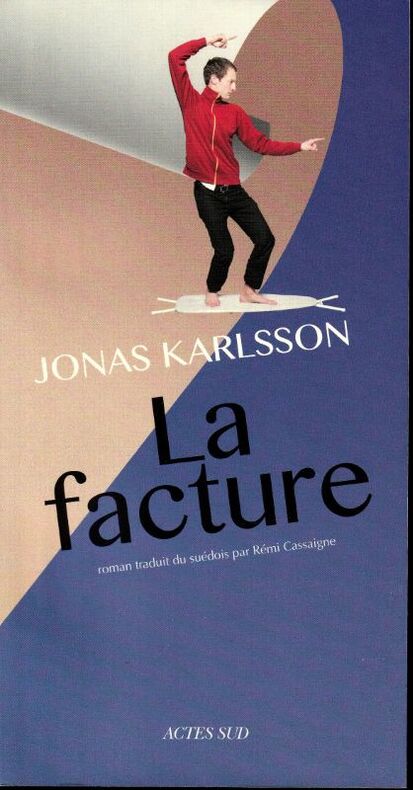
17132Actes Sud, 2015. Broché au format 19 x 10 cm, 164 pages. Très bel exemplaire
1972010189Paris Gallimard NRF 1972 In-12 Broché, couverture à rabats Ed. originale
18329A Paris, Chez Durand Neveu, 1775. (4), 457, (1, blank), (6) pp. 12mo. Contemporary marbled calf, spine gilt with raised bands and gilt lettering, lightly rubbed and shaved along extremities. Goldsmiths 11324; Higgs 6218; not in Kress (citing the 1751 edition 5127); not in Einaudi; not in INED. Last and best edition. Louis-François de Jouy specialized in canonical law and gained a reputation of such high learning that the clergy of France nominated him into one of their councils. The present work is a detailed survey of the history of the Dîme, its various definitions such as the Dîmes ecclésiastiques, the Dîmes inféodées, the Dîmes personelles, etc., etc.
64982Le 2e texte est édité par Momoro, pas de mention d'éditeur pour les 2 autres, 1788,1789, de 13x20.5 cm environ, (1) ff., viij pp., 248 pp., iii pp., 160 pp., 75 pp., (1) ff., pleine reliure d'époque, dos lisse avec pièce de titre rouge, orné de fleurons dorés, chasses dorées et coupes dorées, tranches finement mouchetées, gardes de couleurs. Galerie de ver sur un mors sur 5 cm avec petit manque de cuir sur la coiffe, 1 coupe frottée, rares rousseurs, bon état pour le reste.
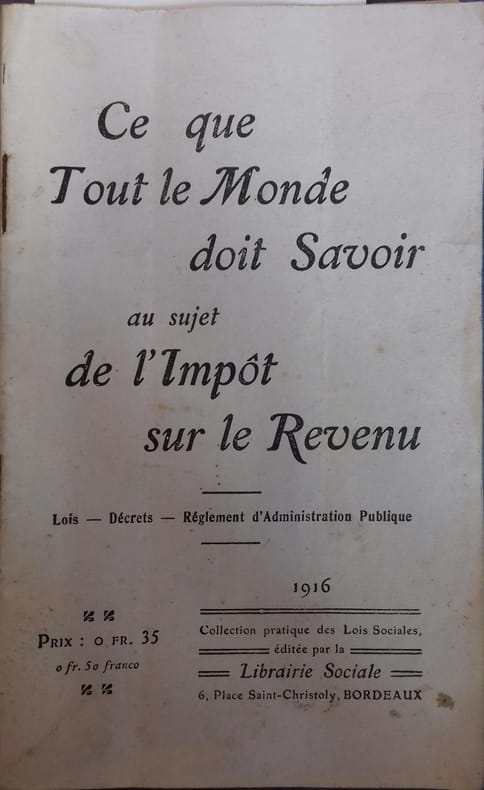
191672934Couverture souple. Brochure. 40 pages. Couverture légèrement défraîchie.
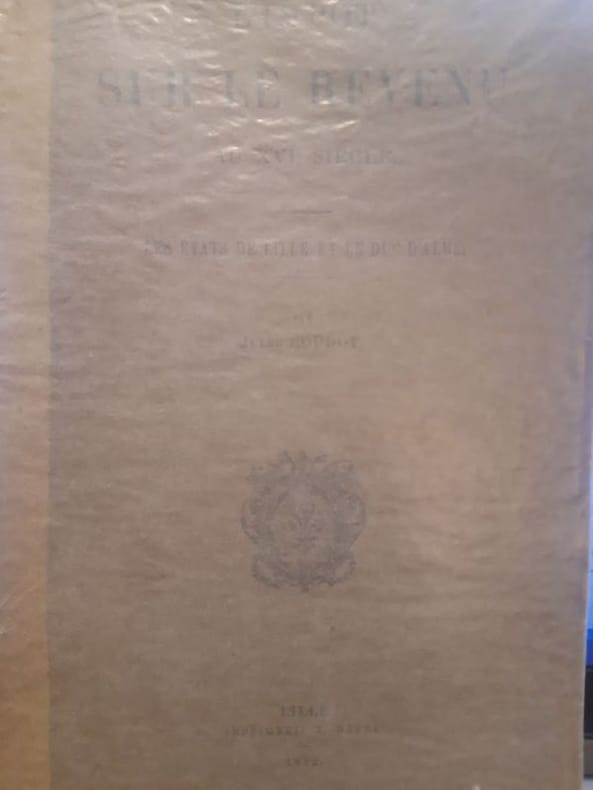
1872LCI-4216Lille Imprimerie Danel 1872 1 Grand in -8 Broché couverture Illustrée 87[p.p]
191199919664Poitiers Librairie Administrative P Poitiers Librairie Administrative P. Oudin 1911, fort In-8 cartonnage de l'éditeur, 1023 pages + errata et addenda. Bon état.
1631PHO-1968Paris, chez Toussainct Quinet, 1631. In-8 (173x114mm), 7ff.-872pp.-8ff., vélin époque, manque au dos, travail de ver avec atteinte à qlqs lettres sur une trentaine de feuillets, petites rousseurs.
16024, Amsterdam, De Walburg Pers / Kluwer, 1989, Gebonden, zwart leder met goudopdruk, geiIllustreerde stofomslag, frontispice in kleur, 205 x 295mm., 407pp., zeer uitvoerige illustratie in kleur en z/w. ISBN 902001273890601.
43692Paris Librairie Générale de Droit et de Jurisprudence. R. Pichon et R. Durand-Auzias 1946 in 8 (22,5x14) 1 volume broché, 369 pages [1]. Bon exemplaire ( Photographies sur demande / We can send pictures of this book on simple request )
26118Bourg (Ain), Chez Janinet, Imprimeur-Libraire du Roi, 1819. 64 pp. 8vo. Stab-sewn in original pale yellow covers, a bit frayed at edges. Not in Kress; not in Goldsmiths; not in Einaudi; not in Mattioli; Louandre & Bourquelot, iv, p. 153 for other works by the author but not this one; Quérard, iii, p. 451, listing the third edition published in 1821. First edition. The author, inhabitant of Treffort in the department l'Ain, was a prolific philantropist. In this curious work he exposes with much details a revolutionary financial project which he would like to see implemented in all civilized nations. The gist of the project is no less than the abolition of all taxes: they will be replaced by a voluntary contribution: "C'est sur l'orgueil, le luxe et l'amour-propre que je vais proposer d'établir un impôt." The method is simple and clear: no-one is allowed to decorate his horses, carriages, clothes, furniture, harness, etc. etc. unless a license has been bought. Granier's argument is based on human nature: if something is dear to someone, he will want it; if it distinguishes it is appreciated and desired, and the more it is wanted. Hence, many will pay to be able to obtain what they want and what will distinguish them from others. Granier also deals with possible objections to his project, gives calculations of income generated through his project, and exposes clearly the unjust and uneven division of taxes in existence: a day-worker pays 15 % taxes on his glass of wine, whereas those who can afford to purchase wine "en gros" pay only 5%!Granier is the author of various other works: Moyen d'améliorer l'état social en diminuant l'excès de la fréquentation des cafés, billards, ...., Moyen d'éteindre la mendicité, d'améliorer le sort des pauvres .... and of Moyen pour produire spontanément et à peu de frais un moteur capable de suppléer aux pompes de feu ..... A very nice copy, a bit spotted, uncut.