Louis XVILivre Rare Book
1 040 résultats
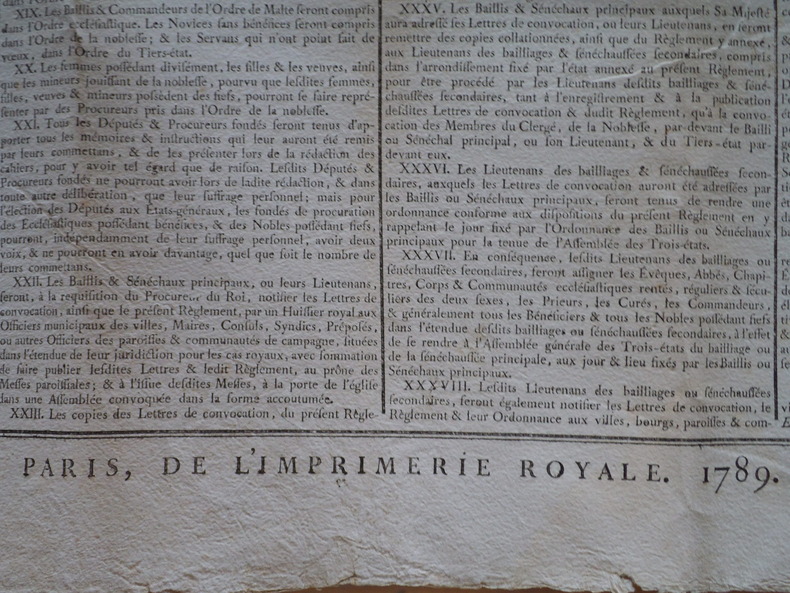
8525Paris, de l’imprimerie Royale, le 24 janvier 1789. Placard in folio, 565x860mm.Sur papier fort. Texte sur 4 colonnes séparées par un filet noir. Pliures, ainsi qu’une mouillure (sans gravité). Il s’agit de l’acte initial de la Révolution Française. La détresse financière à la veille de la Révolution. Il ne se trouve plus personne qui veuille prêter au ROI et les privilèges résistent opiniâtrement à toute création d’impôt les atteignant dans leur privilège ; le gouvernement de Louis XVI se trouve ainsi acculé à la nécessité de s’adresser à la Nation pour en obtenir de l’argent et convoquer pour cela, les Etats-Généraux. Cette convocation, aboutissement d’un conflit d’ordre fiscal entre le ROI et les privilégiés, est l’acte décisif qui ouvre l’ère Révolutionnaire. Les privilégiés, en la réclamant, le ROI en l’accordant, fournissent à la Nation l’instrument nécessaire avec lequel elle va faire la REVOLUTION. Cette grande affiche règle les modalités d'élection des députés aux Etas-Généraux et la confection des cahiers de doléances. Rare et précieux document
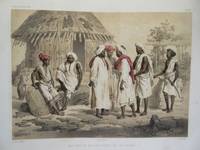
16-6143Paris: Arthus Bertrand 1845-1848. . Folio. 32 x 48.2 cm.; half blue contemporary percaline. The historical ethnological and archaeological atlas is composed of a large folding map 13 archaeological plates out of 14 missing no. 13 and 44 plates out of 45 missing plate 16 numerous watercolor plates some foxing some defects of use in the bindings; atlas partly unboundOCLC Number / Unique Identifier:742725696; Nissen ZBI 2420 & BBI 1663; Graesse IV 141. Pankhurst 25. Gay 2653. Wood p. 430. Wood C. Vertebrate zoology 2420. .In-folio demi-percaline bleue; L’atlas historique ethnologique et archéologique est composé d'une grande carte dépliante de 13 planches d'archéologie sur 14 manque n°13 et de 44 planches sur 45 manque pl.16 nombreuses planches aquarellées quelques rousseurs quelques défauts d’usage aux reliures l’atlas historique en partie dérelié. Paris: Arthus Bertrand, 1845-1848. unknown
15244376Lyon: Claude Nourry 1524. Small 8vo 131 x 93 mm.  16 leaves. Collation: A-B8 A1r title A1v blank A2r text B8r explicit Explicit iste liber gemmis qui charior extat B8v blank. Title in two lines Cura clericalis in very large type / Lege relege in the larger of the two text types title woodcut of a scribe at his pulpit 54 x 70 mm. break in left border; the cut worn or poorly printed. Rounded French gothic types in two sizes. Text type G76 27 lines and headline. One 5-line white on black floral initial. Printing flaw on B4v obscuring a couple of letters; traces of adhesion on same page opening else in fine condition. 19th-century dark blue morocco by Cuzin sides and spine blind-paneled with gilt fleurons spine lettered in gilt turn-ins gilt gilt edges ribbon marker. Provenance: Fernand Gaulthier armorial bookplate.<br /> <br /> A rare Lyonese edition of a popular pocket guidebook for priests.<br /> <br /> A succinct survey of every aspect of the priesthood the text opens with the meaning of sacerdos priest a definition of the job: the care and salvation of human souls and the requirements for fulfilling this office: basic literacy and the ability to express oneself correctly. From abstract concepts to practical applications the fundamental tenets of the Christian Church are methodically reviewed: the articles of faith seven deadly sins cardinal and theological virtues three keys of the church three parts of penitence etc. as are the different kinds of sacraments the materials used for them and their meanings and the various clerical offices. The telegraphically short entries with abundant use in this small format edition of abbreviations permitted the inclusion of a vast amount of indispensable knowledge for the practicing priest. The last third of the text is devoted to an equally condensed introduction to the Computus with headline Abbreviatio compoti the all-important calculation of time based on the yearly date of Easter; it includes mnemonic verses and syllables. <br /> <br /> “The Cura clericalis reflecting the received wisdom on the subject defined four rules for the priest. He was to be a celebrant of Masses and so needed to understand the basic texts and to be able to pronounce the Latin grammatically and clearly. He must be a minister of the other sacraments and so needed to know what and how many they were to grasp the essential matter of the sacrament and be able to distinguish it from the peripheral features and to know the proper mode of administration. He was to be a confessor and so must above all be able to distinguish venial from deadly sin . Finally he was to be a ‘plebis doctor’ the teacher of his people able to instruct them in the articles of faith and the other precepts of God†E. Duffy The Stripping of the Altars: Traditional Religion in England 1400–1580 New Haven 2005 p. 57. <br /> <br /> Dozens of editions are recorded most surviving in one or two copies and some with no currently known locations. ISTC records nine incunable editions printed from ca. 1492-4 to 1500 all but one undated of which 8 from Germany and one printed in Paris. In the next century the earliest editions appeared in the northern Rhine and France and later in England and Italy. Pettegree and Walsby list 30 editions printed in France from ca. 1511 to 1580 French Books III & IV: Books Published in France Before 1601 in Latin and Languages Other Than French 2011 637490-63778. <br /> <br /> The anonymous printer of this edition of which one other copy is known Besançon Municipal Library was Claude Nourry as recently identified by Dr. Helwi Blom whom we thank for her kind assistance. Much of Nourry’s output was published without his name and he printed many editions without the place or date of printing. He issued another edition with full colophon in 1524 Baudrier 12 129; Gültlingen 1 86: 113; USTC 130305 but no present locations for that edition are known. The title woodblock was used in other Nourry editions including his 1523 Beroaldo Carmen lugubre de dominicae Passionis die USTC 130303 and the initial C on A2r appeared in editions from 1520.<br /> <br /> Not in Baudrier Gültlingen or USTC. Helwi Blom “Le Profil du Prince: Tendances et évolutions dans la production imprimée de Claude Nourry d’après un nouveau recensement bibliographique†in H. Blom M. Clément F. Montorsi editors Du Calendrier des bergers au Pantagruel Geneva: Droz 2024 p. 53 no. 27. Claude Nourry unknown
In-4° grande; pp. 80, (18), ai due frontespizi grande e bello stemma della famiglia De Nigris inciso su legno; a p. 80 colophon e marca tipografica incisa su legno.. Cartonato. Opera di diritto canonico del giureconsulto campano Antonio De Nigris, (1502-1570). Molto rare sono le edizioni cinquecentesche stampate a Campagna, città in provincia di Salerno. Fumagalli p. 60-61. Foro di tarlo passante alle prime carte; 3 carte hanno una parte di testo mancante reintegrata con testo manoscritto; bruniture. campania campagna salerno diritto canonico tonsura clero clemente VII giurisprudenza
In -12°, pp. (8), 86, 2 cbb, 60, 248, 80, (2), 58. Quattro opere legate assieme in pergamena, tagli rossi, titolo manoscritto al dorso. Composita raccolta di opere: la prima edizione di una raccolta di romanzi considerati alle origini della letteratura americana legata con un’insieme di opere di carattere anticattolico e severamente critiche nei confronti dello strapotere francese nella seconda metà del XVII secolo: tutte stampate probabilmente ad Amsterdam. Il trattatello che apre l’insieme (“L’Europa schiava se l’Inghilterra non divincola [dalla Francia]”), stampato in prima edizione nel ’77, circolava in varie lingue alla fine del XVII secolo per le corti d’Europa, attribuito a uno pseudonimo Jean-Paul Comte de Cerdan. A sua volta di tenore fortemente antifrancese è anche il trattato seguente (“Mauvaise foy...”): entrambi gli scritti portano un luogo di stampa e uno stampatore fittizio. In prima edizione i tre romanzi che compongono le “Nouvelles de l’Amerique” e trattano storie di pirati, fra i primi esempi di letteratura narrativa americana. Chiude la raccolta una biografa anch’essa anonima (Nella dedica l’autore si firma come “Troussière”) e anch’essa di spirito anticattolico: François D’Usson, funzionario e militare di una blasonata famiglia francese, è descritto come “ardente calvinista”. A various gathering of different works, the first edition of a novels’ collection considered an earliest exemple of American litterature, bound with political and anticatholic works, strongly against French power in XVII century. The opening work is (“Europe slave if England doesn’t break chains [from France]”) was widely circulating around Europe at the end of the Century. Strongly against France is also the following booklet (“Mauvaise foy…”): both scripts bring a false printer and place (probably it was Amsterdam). In first edition the “Nouvelles de l’Amerique”, stories about pirates and freebooters, are between the first examples of american narrative litterature. An anticatholic biography closes the collection: François D’Usson, an important military french man, has been described as a “fiery calvinist”.
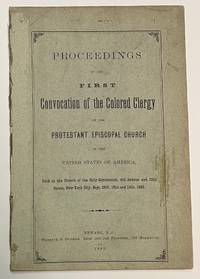
188312658Newark: Starbuck & Dunham Book and Job Printers 1883. 24pp. Octavo. Original printed wrappers. Moderate wear and soiling some tape residue along spine of upper wrapper spine chipped. Ex-General Theological Library with small ink stamp in upper margin on verso of title page. Overall still very good. Following swiftly on the heels of the Suwanee Convention of Southern Bishops in late July 1883 a large gathering of clergy and laymen met in New York City to organize the work of the Afro-American clergy of the Protestant Episcopal Church. It was a historic moment and "of the forty-two Colored Clergy of the United States only four had responded to the call in the negative and three others had failed to respond." A Committee was formed chaired by Alexander Crummell to draft a statement to the Church in America. Here the Committee calls attention "to the moral disasters which have come to our race through slavery – how family life parental authority and marriage integrity have been broken down by servitude" and issues a call for "an extraordinary effort for the erection of Churches throughout the South" especially in the large urban centers. In addition to the proceedings the work includes a "Sermon on Church Work by the Colored People" by Rev. Thomas A. Starkey the Bishop of Northern New Jersey a brief Finance Committee Report and concludes with the "Regulations of the Women's Auxiliary of the Convocation of the Colored Clergy." The latter is comprised of five articles and an addendum plus a listing of twenty women belonging to the New York and Newark branches of the organization. A scarce work with just over a dozen institutional copies. Not in Blockson.<br /> <br /> Library Company Afro-Americana 8507A. Starbuck & Dunham, Book and Job Printers unknown
In-8 (mm. 239x175), importante legat. alle armi in p. vitellino coevo, preziosa cornice dorata e stemma cardinalizio della Famiglia Borromeo ai piatti con il motto “humilitas”, dorso a cordoni con decoraz. e titolo oro, tagli dorati, pp. (2),XVI,425,(3). "Edizione originale". Cfr. Melzi,II, p. 285 - De Backer,II, p. 7: “Gonzalve Adorno Hinojosa (1751-1812), de l’illustre famille de ce nom, entra dans la Compagnie en 1766. A l’expulsion des Jésuites de l’Espagne, il suivit courageusement ses confrères dans l’exil, passa plusieurs année en Italie, s’occupant de l’étude et du saint ministère”. Con due firme di apparten. al risg., lieve uniforme arross. su tutto il testo ma complessivam. buon esemplare.
1161808981New. Brand new and still unused unknown
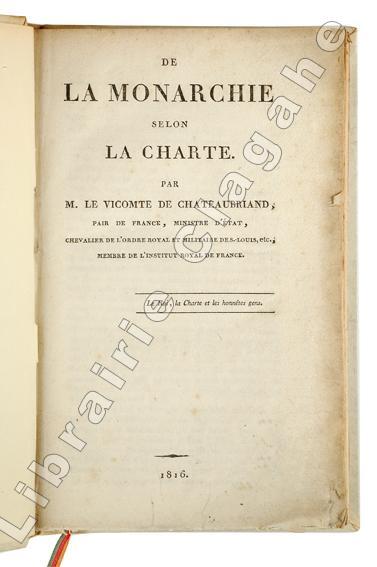
19830S.l, s.n., 1816 ; grand in 8, bradel cartonnage simili velin ivoire, pièce de titre rouge, tête arasée, tranches non rognées (reliure du XIXe), 176 pp.
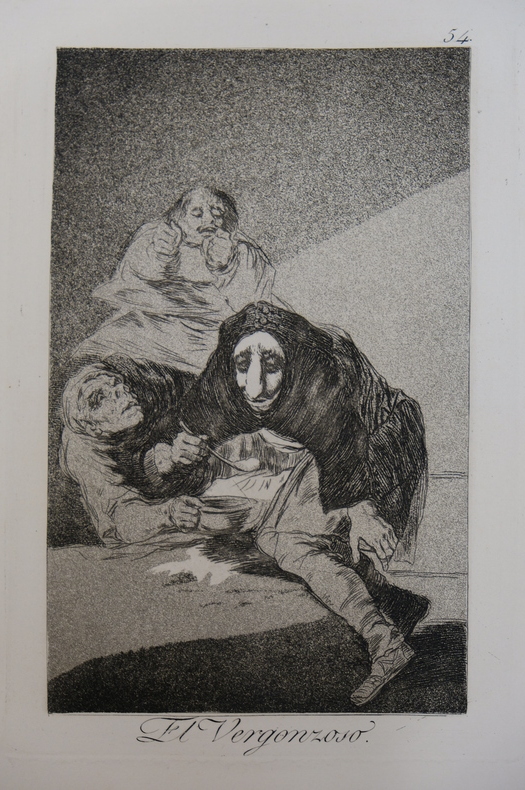
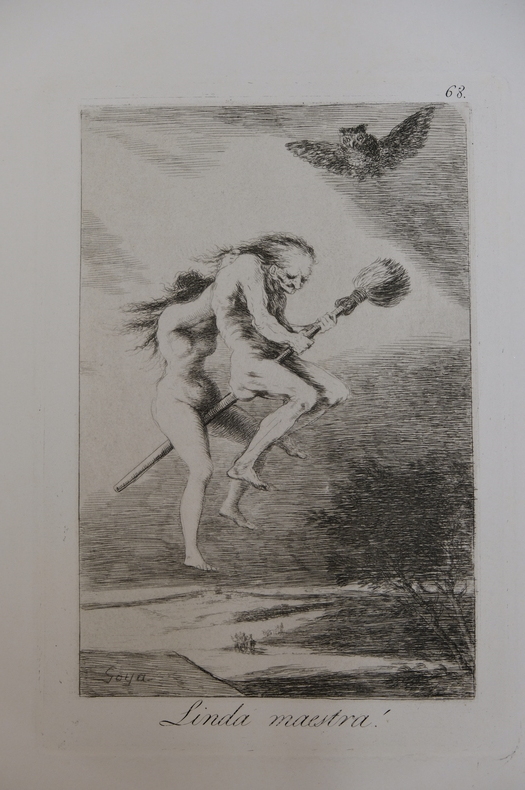
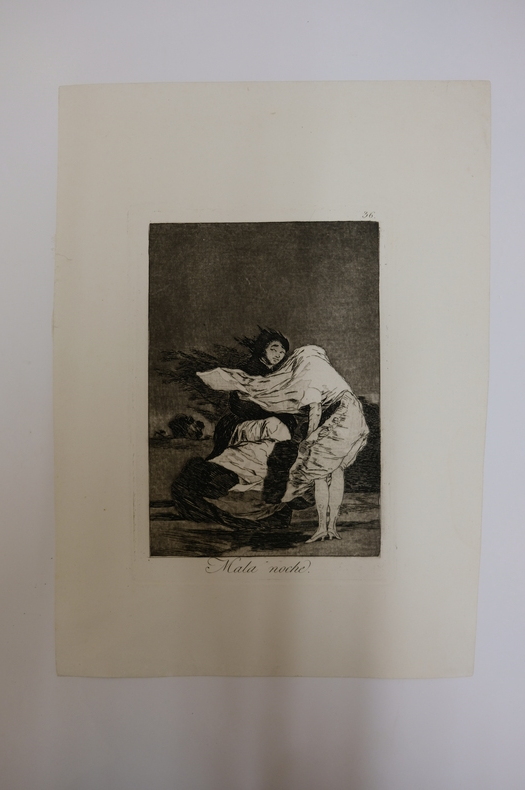
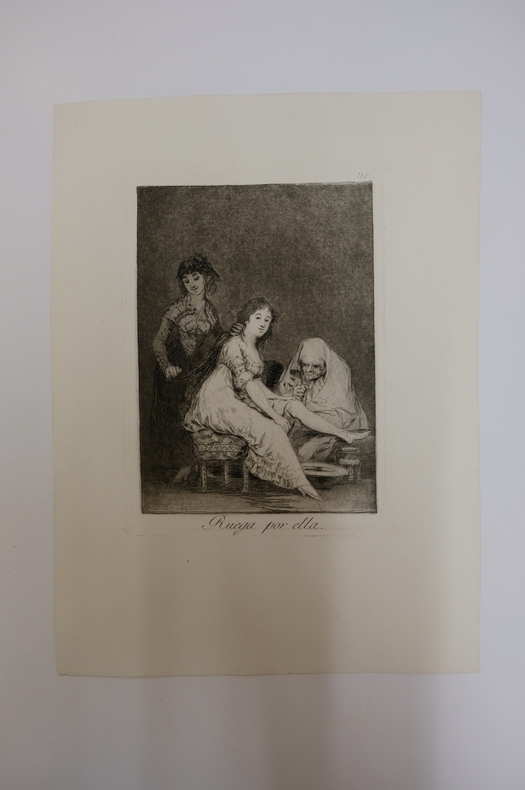
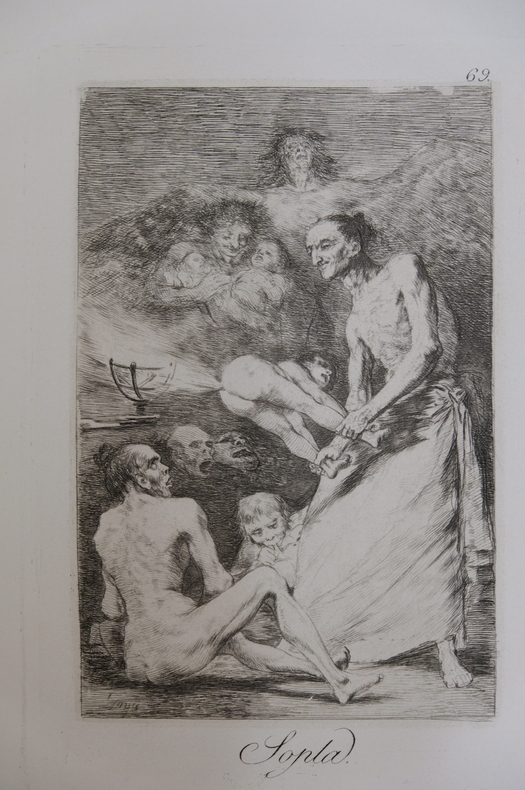
1799est152b2Dimension extérieur 34,5 x 26 cm, cuvette 21,5 x 16,5 cm. Magnifique eau-forte réalisée par le très célèbre Francisco de Goya en 1799. Elle est en parfait état. Dimensión externa 34,5 x 26 cm, cuenco 21,5 x 16,5 cm. Hermoso grabado del famosísimo Francisco de Goya en 1799. Está en perfecto estado.
1799est149b2Dimension extérieur 35 x 25,9 cm, cuvette 21,5 x 15 cm. Magnifique eau-forte réalisée par le très célèbre Francisco de Goya en 1799. Elle est en parfait état. Dimensión externa 35, x 25,9 cm, cuenco 21,5 x 15 cm. Hermoso grabado del famosísimo Francisco de Goya en 1799. Está en perfecto estado.
1799est150b2Dimension extérieur 35,5 x 26 cm, cuvette 21,5 x 15 cm. Magnifique eau-forte réalisée par le très célèbre Francisco de Goya en 1799. Elle est en parfait état. Dimensión externa 35,5 x 26 cm, cuenco 21,5 x 15 cm. Hermoso grabado del famosísimo Francisco de Goya en 1799. Está en perfecto estado.
1799est148b2Dimension extérieur 34,3 x 24,2, cuvette 21,5 x 15 cm. Magnifique eau-forte réalisée par le très célèbre Francisco de Goya en 1799. Elle est en parfait état. Dimensión externa 34,3 x 24,2, cuenco 21,5 x 15 cm. Hermoso grabado del famosísimo Francisco de Goya en 1799. Está en perfecto estado.
1799est147b2Dimension extérieur 33 x 24,2, cuvette 20,5 x 15 cm. Magnifique eau-forte réalisée par le très célèbre Francisco de Goya en 1799. Elle est en parfait état. Dimensión externa 33 x 24,2, cuenco 20,5 x 15 cm. Hermoso grabado del famosísimo Francisco de Goya en 1799. Está en perfecto estado.
1799est151b2Dimension extérieur 34,5 x 26 cm, cuvette 21,5 x 15 cm. Magnifique eau-forte réalisée par le très célèbre Francisco de Goya en 1799. Elle est en parfait état. Dimensión externa 34,5 x 2- cm, cuenco 21,5 x 15 cm. Hermoso grabado del famosísimo Francisco de Goya en 1799. Está en perfecto estado.
HIS7261MÀ Paris, l’an Ier, Imprimé l’An II, s.n. In-8, reliure retouchée, cahiers collés, XXIV-254 pp.. Bien complet des fameuses 26 planches de costumes monastiques colorées à la main. Intérieur d’une grande fraîcheur. Reliure à reprendre. Exemplaire enviable malgré tout
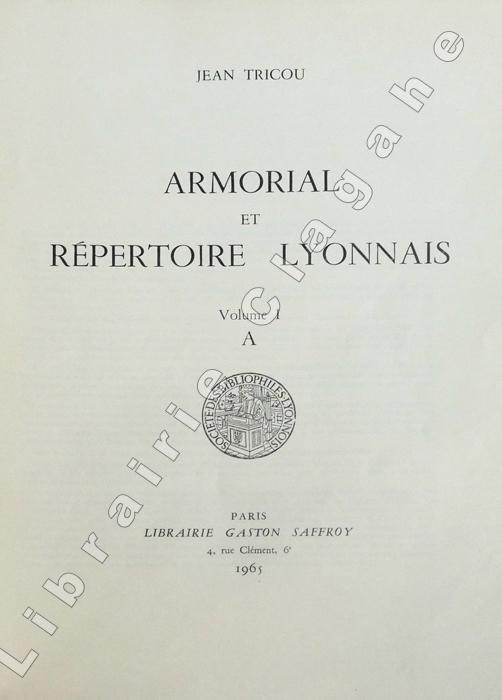
12335Paris, Librairie Gaston Saffroy, 1965-1976 ; 7 tomes grand in-8, brochés ; tome 1 : XXI, (1), 176 pp. ; tome 2 : (4), 201, (1) pp. ; tome 3 : (4), 202 pp. ; tome 4 : (4), 202 pp. ; tome 5 : (4), 202, (2) pp. ; tome 6 : (4), 198, (2) pp. ; tome 7 (Premier supplément. Sources utilisées et Bibliographie) : (4), VII, 203, (1) pp., couverture imprimée en rouge et noir, texte sur deux colones.
15565Paris, Germer Baillière (Tomes 1 à 3), puis Félix Alcan (Tomes 4 à 6), 1869-1888 ; 6 tomes in-8 (21,8 x 14 cm) ; demi-chagrin vert-empire, dos à nerfs soulignés de pointillés et filets dorés, titre et tomaison dorés (reliure de l'époque) ; VIII, 604 ; 512 ; 532 ; 502 ; 461, (1) errata ; 458, (2) pp. catalogue.
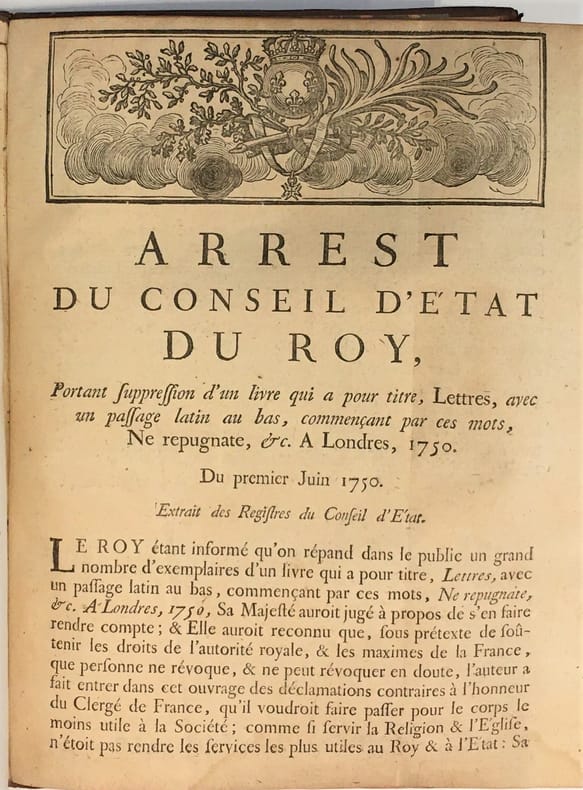
1750263Londres [Paris], 1750 ; in-8 de [2] ff., 25 pp. ; 195 pp. ; 24 pp. ; [2] ff., 28 pp. ; 38 pp., reliure de l'époque veau marbré, dos à nerfs orné, pièce rouge, tranches rouges.
8749Récit des séances des Députés des Communes depuis le 5 mai 1789 jusqu’au 12 juin suivant, époque à laquelle la rédaction des Procès-verbaux a commencé. 177 pages puis depuis le 12 juin 1789,jour de la Constitution en Assemblée Nationale, 104 pages. Chez Baudoin Imprimeur de l’assemblée Nationale. Relié à la suite Procès-verbal des conférences sur la vérification des pouvoirs, tenues par MM les commissaires du Clergé, de la Noblesse & des Communes, tant en la salle du Comité des Etats Généraux, qu’en présence de MM les commissaires du Roi. Conformément au dessin de sa Majesté. Titre, 216 pages. A Paris chez Baudoin imprimeur de l’Assemblée Nationale 1789. L’ensemble en un volume in 8, reliure d’époque demi-cuir fauve à nerfs et à petits coins, pièce de titre cuir clair, filets dorés. Ces deux parties décrivent le déroulement des séances dans ce qui était encore les Etats Généraux juste avant qu’ils deviennent l’Assemblée Nationale. Seule la première partie a été réimprimée en 1895 par les soins de François Alphonse AULARD
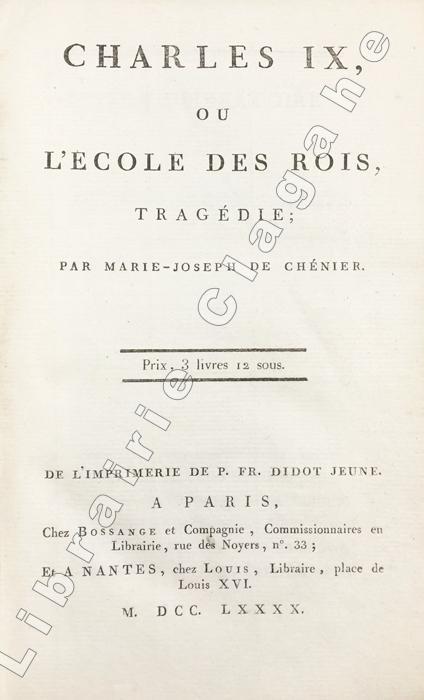
17906385Paris, Bossange (Imprimerie de P. Fr. Didot Jeune) et Nantes, Louis, 1790 ; (2) ff., 262 pp., (1) p.La pièce Charles IX est suivie de : Discours prononcés devant M.M. les Représentants de la Commune, le vingt-trois aoust 1789 ; De la liberté du théâtre en France ; de huit lettres ; Épître aux manes de Voltaire.Suivi de : [Dulaure, Jacques-Antoine] Crimes et forfaits de la Noblesse et du Clergé, depuis le commencement de la Monarchie jusqu'à nos jours. Paris, sans nom, sans date (1793) ; VI, 164 pp. et frontispice satirique gravé. Deux volumes reliés en un tome in-8 ; plein veau marbré, dos lisse orné et doré, pièce de titre en maroquin vert, tranches jaspées (reliure de l'époque).
Sans lieu, 1789 - Edition Originale - Complet des 3 tomes en 1 volume - comprend les listes des députés - XCII-363, XXXIX6418 & 596 pages - Reliure 1/2chagrin de l'époque (frottée, léger manque)- Dos lisse orné, avec mentionné G. Bordillon en queue - Tranches de tête & de queue marbrée - Tranche de face tricolore (bleu, blanc & rouge) - Ex-libris Guillaume Bodinier, Angers - Envoi rapide et soigné Sous l'Ancien Régime, les cahiers de doléances sont des écrits que les Français remettent à leurs représentants élus aux États généraux convoqués par le roi pendant l'année 1789. Les cahiers sont rédigés séparément et avec des conditions différentes selon les trois ordres (clergé, noblesse et tiers état) composant alors la société française. Ils contiennent les plaintes (doléances) et les vœux que chaque ordre exprime pour améliorer la situation du royaume. En 1789, tous les cahiers accordent leur confiance au roi Louis XVI pour réformer le royaume. Quasiment tous condamnent la monarchie absolue. Mais les cahiers du tiers-état revendiquent l'égalité d'accès aux fonctions publiques, l'égalité fiscale, le vote de l'impôt par les représentants élus de la population. S'y ajoutent la suppression des impôts et privilèges de la noblesse et du clergé catholique et beaucoup demandent la liberté d'opinion et d'expression des idées.
054958Sl se trouve chez les principaux libraires du Royaume 1789 in 8 (20x13) 1 volume reliure pleine basane fauve de l'époque, dos lisse orné de caissons dorés avec fleuron central, roulette dorée sur les coupes, pièce de titre de cuir beige, tranches teintées rouge, 136 pages. Toussaint Castan de La Courtade, abbé et poète français, , aumonier de la légion de Béziers, esprit révolutionnaire et républicain, pamphlétaire, défenseur de la justice pour le Peuple, critique de la transmission du patrimoine, de la spéculation, il prône la redistribution des richesses, auteur du Mémoire sur la Réforme du Clergé. Relié à la suite: 1°/ POEME Composé à Béziers, dans une promenade, appellée la Promenade des Poètes, en Juillet 1789, pendant la tenue des Etats-généraux (Paris, 1789, 61 pages). 2°/ RÉFLEXIONS SUR LA FAMEUSE MOTION (8 pages). 3°/ AUX AMES PIEUSES DE FRANCE SUR LES OPÉRATIONS DE L'ASSEMBLÉE NATIONALE (1790, 132 pages). Très rare recueil de 4 pièces de l'époque révolutionnaire française dûes à Toussaint Castan de La Courtade. Très bel exemplaire
18858Paris, Pierre Emery & Michel Brunet, 1703. In-4, [16]-683-[1] pp., veau granité brun, dos à nerfs orné de caissons et de fleurons dorés, tranches mouchetées de rouge (quelques petites épidermures, trous de ver, manque au titre sans atteinte, quelques petites taches et rousseurs éparses).