194 résultats
Sophocles Oedipus trilogy, in the "Complete Greek Tragedies" series edited by David Grene and Richmond Lattimore Contains : Oedipus the King (trans.David Grene) Oedipus at Colonus (trans.Robert Fitzgerald) Antigone (trans Elizabeth Wyckoff) Book
Minor shelfwear. Scholars' bookplate to inner cover. ; Cambridge Greek and Latin Classics; 282 pages; 'Sophocles, in a play that won only second prize, created a masterpiece that in the eyes of posterity has overshadowed every other achievement in the field of ancient drama. In it he played on certain latent terrors that are part of man's nature in all kinds of societies and at all epochs; terrors whose influence may pervade our lives in ways we scarcely guess ...' These words come from the introduction to Dr Dawe's edition of Oedipus Rex. In an attempt to analyse why this play '...has exercised such a powerful and long-lasting fascination on the human mind' Dr Dawe devotes his introduction to an examination of the content of the story and to the technique displayed by Sophocles in the unfolding of the plot. The commentary deals authoritatively with problems of language and expression. This is an edition for classical scholars, undergraduates, and students in the upper forms of schools. The Introduction requires no knowledge of Greek and may be read by anyone interested in Greek literature and drama.
Wraps are browned. Light chipping to 2 corners of wraps. ; Cambridge Greek and Latin Classics; 282 pages; 'Sophocles, in a play that won only second prize, created a masterpiece that in the eyes of posterity has overshadowed every other achievement in the field of ancient drama. In it he played on certain latent terrors that are part of man's nature in all kinds of societies and at all epochs; terrors whose influence may pervade our lives in ways we scarcely guess ...' These words come from the introduction to Dr Dawe's edition of Oedipus Rex. In an attempt to analyse why this play '...has exercised such a powerful and long-lasting fascination on the human mind' Dr Dawe devotes his introduction to an examination of the content of the story and to the technique displayed by Sophocles in the unfolding of the plot. The commentary deals authoritatively with problems of language and expression. This is an edition for classical scholars, undergraduates, and students in the upper forms of schools. The Introduction requires no knowledge of Greek and may be read by anyone interested in Greek literature and drama.
Minor shelfwear. Small chip to 1 corner. Scholars' name to ffep (Mark Golden). ; Cambridge Greek and Latin Classics; 282 pages; 'Sophocles, in a play that won only second prize, created a masterpiece that in the eyes of posterity has overshadowed every other achievement in the field of ancient drama. In it he played on certain latent terrors that are part of man's nature in all kinds of societies and at all epochs; terrors whose influence may pervade our lives in ways we scarcely guess ...' These words come from the introduction to Dr Dawe's edition of Oedipus Rex. In an attempt to analyse why this play '...has exercised such a powerful and long-lasting fascination on the human mind' Dr Dawe devotes his introduction to an examination of the content of the story and to the technique displayed by Sophocles in the unfolding of the plot. The commentary deals authoritatively with problems of language and expression. This is an edition for classical scholars, undergraduates, and students in the upper forms of schools. The Introduction requires no knowledge of Greek and may be read by anyone interested in Greek literature and drama.
Former owner's name on ffep. Pencil notes to Greek text. ; Cambridge Greek and Latin Classics; 282 pages; 'Sophocles, in a play that won only second prize, created a masterpiece that in the eyes of posterity has overshadowed every other achievement in the field of ancient drama. In it he played on certain latent terrors that are part of man's nature in all kinds of societies and at all epochs; terrors whose influence may pervade our lives in ways we scarcely guess ...' These words come from the introduction to Dr Dawe's edition of Oedipus Rex. In an attempt to analyse why this play '...has exercised such a powerful and long-lasting fascination on the human mind' Dr Dawe devotes his introduction to an examination of the content of the story and to the technique displayed by Sophocles in the unfolding of the plot. The commentary deals authoritatively with problems of language and expression. This is an edition for classical scholars, undergraduates, and students in the upper forms of schools. The Introduction requires no knowledge of Greek and may be read by anyone interested in Greek literature and drama.
18663087578Hildburghausen: Verlag des Bibliographischen Instituts 1866. 248 Seiten. Frakturdruck. 8° (17,5-22,5 cm). Privater Halblederband der Zeit mit goldgeprägtem Rückentitel. [Hardcover / fest gebunden].
Books have been rebound in brown boards with gilt lettering Minor shelfwear. Light pencilling to a few pages. Former owner's name to vol. 1 titlepage (A. Merriman). Minor corner creasing to a few pages. ; 8 books in 2 volumes: Vol I: (1913) Aias 196 pp; König Oedipus (1910) 239 pp; Oidipus auf kolonos (1909) 202 pp; Antigone (1913) 221 pp; Elektra (1912) 213 pp; Trachinierinnen (1914) 186 pp; Philoktetes (1911) 159 pp; Anhang (1899) 170 pp. Text is in Ancient Greek and German ; 8 Books Bound in 2 Volumes
Light bumping to bottom boards. Light rubbing to boards. ; Volume 2 Only. ; Vol. 2; 210 pages
1898K113122Traiecti ad Rhenum [Utrecht], Breijer 1898 140pp., 24cm., with a short handwritten dedication by the author, text in Latin, Doctoral Dissertation (University of Utrecht, the Netherlands), bound in red cloth with gilt lettering, all edges gilt, small stamp at verso of title page, K113122
140pp., 24cm., with a short handwritten dedication by the author, text in Latin, Doctoral Dissertation (University of Utrecht, the Netherlands), bound in red cloth with gilt lettering, all edges gilt, small stamp at verso of title page, K113122
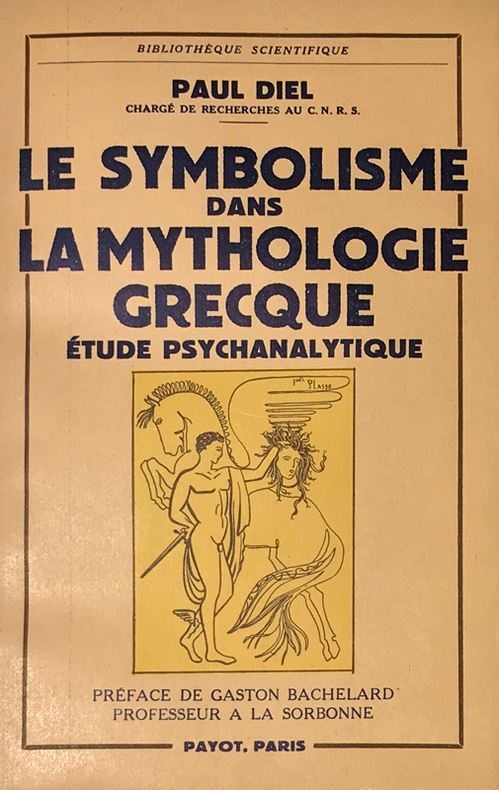
195214978Paris, Payot, 1952 ; in-8, broché ; 310 pp., (4) ff. de catalogue, couverture illustrée d'un dessin de Joel Plasse imprimée en jaune, brun et bleu marine.
620898159X.Gpaperback. Good. Access codes and supplements are not guaranteed with used items. May be an ex-library book. paperback
6208986214.Gpaperback. Good. Access codes and supplements are not guaranteed with used items. May be an ex-library book. paperback
FRANCO ANGELI 2004 LIEVI SEGNI DEL TEMPO, VOLUME PRESSOCHé PERFETTO. Il testo risponde all'esigenza di indicare nella salute uno dei fondamenti dell’organizzazione sociale. Siamo abituati a pensare alla nascita delle società umane attraverso azioni economiche, giuridiche, naturalistiche, religiose, spesso oscurando il contesto di organizzazione che ogni gruppo umano, evolvendosi, ha prodotto per il mantenimento della salute. Da tali esordi, invece, nasce una struttura di base che intreccia un particolare tipo di azioni sociali, le azioni di cura, lo sviluppo scientifico, il rapporto tra curante ed utente, i quali segmenti lentamente confluiscono nella creazione di istituzioni dedicate alla cura. Tale struttura inerente le cure è socialmente generata e rappresenta bene l’idea che, alla base della società, il mantenimento in salute dei membri sia l’esigenza primaria, al punto tale da generare organizzazione. L’idea viene sviluppata in più modi, incrociando argomenti di antropologia dei miti, dati di ricerche empiriche, e analisi teoriche. Inoltre partendo da questo aspetto, centrale e strutturale della salute nelle società antiche e moderne, viene offerta un’analisi dei mutamenti sociali, collegandoli direttamente al mutamento che la struttura di base della vita (rapporto medico-paziente, sviluppo tecnico scientifico telematico e azioni di cura) sta avendo oggi. Innovazioni cliniche e grandi accessi alle tecnologie di trattamento più avanzate stanno modificando i rapporti tra figure curanti e i pazienti/utenti, altra prova indiziaria che vi è un collegamento stretto tra la struttura della salute e quella organizzativa del sociale. Andando a modificare il ciclo della vita e della morte, come ci stanno permettendo spettacolari tecniche di cura, dobbiamo prendere coscienza che siamo entrati in una società diversa da quella nella quale fino a ora abbiamo vissuto. Questo evento nuovo può avere conseguenze non sempre gestibili. Il lavoro, infine, avanza ipotesi e crea scenari critici per gli operatori della salute e per i sociologi, avendo l’intenzione di rappresentare una piattaforma di base sulla quale fissare il lavoro di oggi e quello di domani. Paola Maria Fiocco è professore associato di Sociologia generale presso la Facoltà di Scienze della Formazione dell’Università di Verona, insegna Sociologia della salute nel corso di laurea per Educatori socio-culturali e Sociologia nel corso di laurea in Scienze del servizio sociale. È coordinatrice scientifica della redazione veneta della rivista Salute e società (FrancoAngeli) e referente nazionale per la sezione tematica Formazione e servizi sociosanitari per la Società Italiana di Sociologia della Salute. Si occupa di epistemologia della cura sociale e sanitaria. Collabora con diversi Enti locali e promuove azioni di ricerca sulla progettazione e valutazione sociale e sanitaria al fine di ampliarne le prospettive culturali. È direttore scientifico del Master Esperto in cultura della sicurezza, della salute presso l’Ateneo di Verona. Tra le pubblicazioni più recenti si segnalano: (a cura di), Vicini e lontani. Una proposta sul passaggio generazionale nelle aziende , Imprimitur, Padova, 2003; (con Cipolla C., Troiani M.); Qualità della vita e qualità della morte. L’esperienza del servizio di assistenza domiciliare oncologica dell’Ulss 20 di Verona , FrancoAngeli, Milano, 2003; La ricerca-progetto per la formazione , in AA.VV., Progetto di vita, orientamento e successo formativo. Esperienze ed azioni di orientamento svolte da reti di scuole della provincia di Verona , (Enaip Veneto, Agenzia di Verona, 2003). Indice La medicina iniziale: il viaggio di apprendistato (Introduzione; Il percorso delle azioni di cura; I meccanismi di coesione delle società; Alcune premesse sugli inizi; Nel passato profondo della cura; Miti, residui di sacrifici ed astrazioni; I precursori della medicina; Le azioni sacrificali come atti di conoscenza; Dèi, malati e malattie; Le azioni di cura; Frames naturalistici per l’antichità) La medicina, le cure nel passato prossimo e nel presente (Il rapporto medico-paziente; Medicina e cure come nodo della rete sociale; Dalle epidemie alla ricerca della salute sociale; L’antropologia medica, l’offerta sanitaria alle società in via di sviluppo; Dal chirurgo alle figure medico-sanitarie: una proiezione nel sociale e nelle reti di cura; I paradossi della morte; Il nuovo giuramento di Ippocrate: la medicina cambia?; Uno strumento di lavoro per la medicina e le cure: la qualità sociale; La conoscenza medica attuale e futura: strumenti e tecnologie; Un modello sociale di medicina: ricerca, relazioni e regole; Codici deontologici ed ampiezza sociale delle richieste di salute; Le tecnologie e le azioni di cura) I rischi della medicina (I nuovi scenari della cura: crisi delle società post-moderne, salute ed organizzazione; Il rapporto medico-pazienti nelle professioni di cura; L’identità dei curanti nella società dei controlli; Il ruolo della formazione alla comunicazione per il riequilibrio delle tendenze in atto; Il caso della ricerca sui bisogni formativi dei medici veneti di medicina generale; Per una nuova cultura sociale medica: l’imprevedibilità) Conclusioni
96 pages. Features: Reports on Wasthington, North Africa, and Israel - David Ben-Gurion becomes Minister of Defense; Owen Wister's Journals - the unpublished journals; Russia's Calamity, by Edward Crankshaw; The Grand Trunk Road to Agra, by Vice Admiral Leslie C. Stevens; Streams (poem), by W.H. Auden; A Patron of the Arts, story by Donald Heiney; Have we Conquered the Business Cycle?, by Sumner H. Slichter; The Diamond Cutters (poem), by Adrienne Cecile Rich; The Oedipus Myth, by Robert Graves; The Under-Educated, by Robert C. Wilson; What Happened to the Girl Scouts?, by Ben H. Bagdikian; Twenty Years of Writing, by William Saroyan; Teaching Creative Writing, by Roy Cowden; Styrian Festivities, by Merloyd Lawrence. Color ad for the Tennessee Gas Transmission Company inside front cover. Color ad for Old Charter Straight Bourbon Whisky on back cover. Average wear. Unmarked. A quality copy. Book
Sophocles Oedipus trilogy : Oedipus Rex (trans Dudley Fitts & Robert Fitzgerald) Oedipus at Colonus (trans.Robert Fitzgerald) Antigone (trans Dudley Fitts & Robert Firzgerald) Book
Translation by Paul Roche of Sophocles Oedipus trilogy Contains : Oedipus the King, Oedipus at Colonus, Antigone.224p. Book
book has been rebound in maroon buckram. Ex-library copy with usual stamps, call numbers and pocket. 4 pages are loose but present. ; English translation; 48 pages
19672143593Leiden: E. J. Brill 1967. XII, (1), 272 Seiten. Gr. 8° (22,5-25 cm) Orig.-Leinenband mit goldgeprägtem Rückentitel. [Hardcover / fest gebunden].
Scholar's name to ffep and stamp to titlepage. Top of back strip has slight damage. Slight staining to foreedge of textblock. Internally fine. ; Extensive English commentary. ; Vol. 4; 272 pages
Scholar's name to ffep in pencil (E. Kerr Borthwick). Corners bumped. Spine a little sunned with lettering a little faded. ; Extensive English commentary. ; Vol. 4; 272 pages
Spine is a bit sunned and faded. 1 corner a bit edgeworn. Rounds slightly rounded. Former owner's name to ffep in pencil. Very faint foxing starting to textblock. ; Extensive English commentary. ; Vol. 4; 272 pages
Scholars' name to titlepage (Mark Golden). Else book is fine. ; By imaginatively recreating the play's original staging and debunking the interpretations of various critics, including Aristotle, Ulrich von Wilamowitz-Moellendorff, E. R. Dodds, Frederick Ahl, and John Peradotto, Griffith shows that Apollo is a constant, powerful presence throughout the play. He contends that although we can sympathize with Oedipus because of his sufferings, he is still morally responsible for murdering his father and sleeping with his mother. Apollo is therefore not indifferent and his actions are not unjust. Griffith focuses on Apollo's commandment "know thyself," a commandment Oedipus belatedly and tragically fulfils, to stress both the need for self-understanding in the study of ancient literature and the usefulness of ancient literature in achieving self-understanding. ; 160 pages
Oedipus the King, Oedipus at Colonus and Antigone.Translation by E.F.Watling .Vintage original Penguin edition (# L3) the third title in the Penguin Classics Series 1947 Book