999 résultats
204 pages, jacket art by Terry Pastor. eng
(A Peter McGarr Mystery). Size: 8vo - over 7¾" - 9¾" tall eng
175 pages, previous owner name on inside front cover. eng
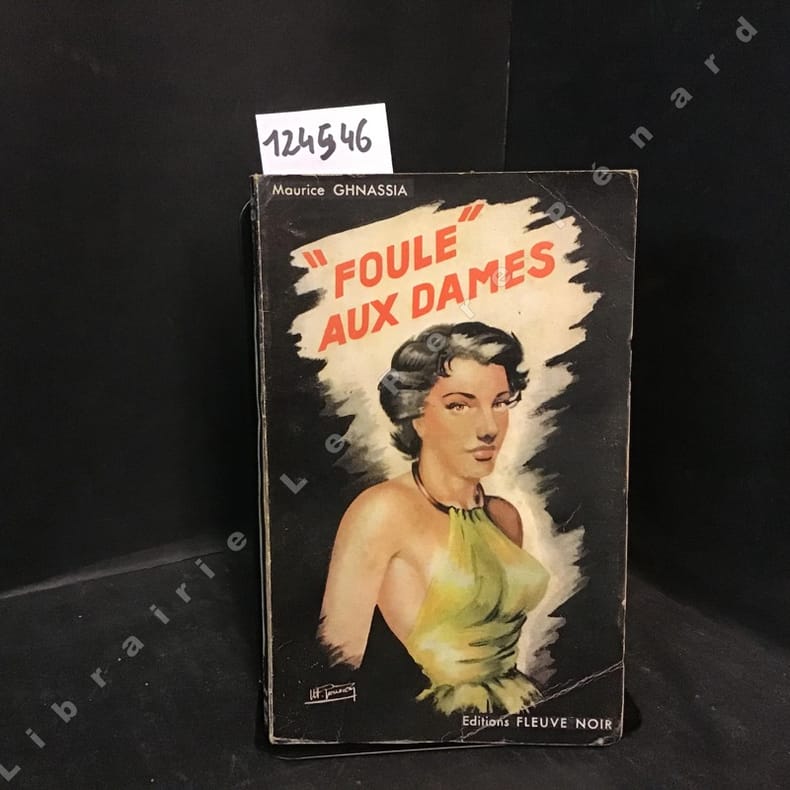
19511245461951 Editions Fleuve Noir - N°22 de la collection "Spécial Police" - 1951 - Edition originale - In-12 broché, couverture illustrée signée Gourdon - 220 pages
491 pages. eng
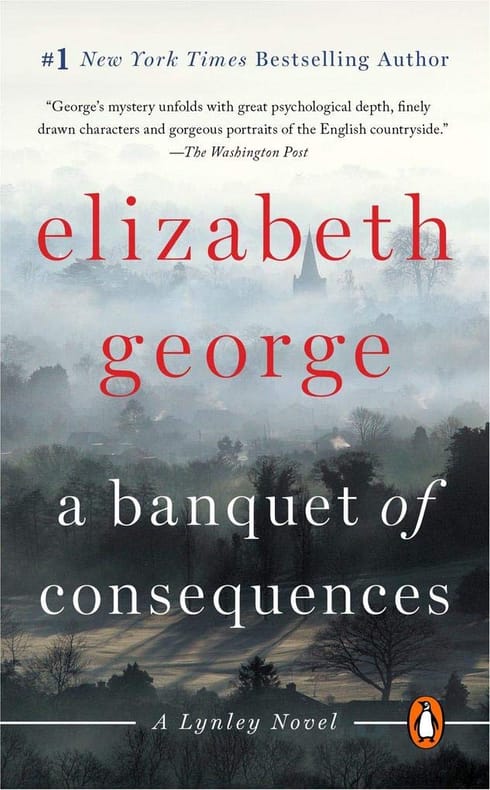
2016500084516Penguin Books 2016 784 pages 10 6x16 8x4 6cm. 2016. Broché. 784 pages.
500368829Gallimard Sans date. Paul Fournier prête ses papiers à un Italien nommé Luigi amoureux de sa sœur Christiane. Peu après Christiane est tuée par un automobiliste et Paul découvre que le conducteur est Luigi
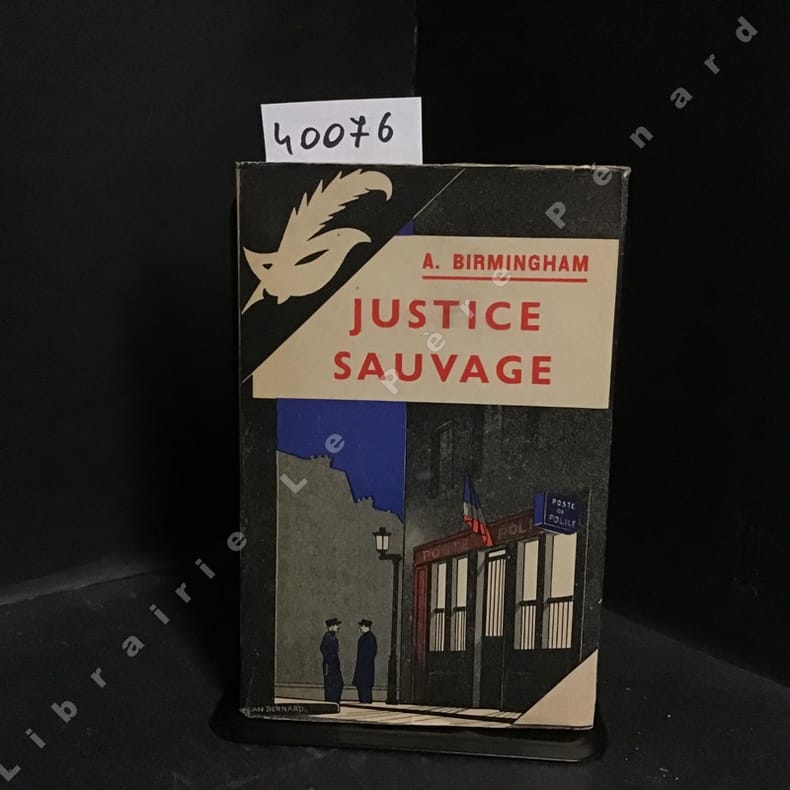
1934400761934 Paris, Librairie des Champs-Elysées - Collection "Le Masque" - 1934 - In-12 relié, sous jaquette illustrée - 249 pages
1952100150277FAYARD 1952 in12. 1952. Broché. Le commissaire Maigret enquête sur le meurtre d'une riche Américaine et de sa femme de chambre. Il doute de la culpabilité de l'homme condamné à mort le trouvant trop parfait comme coupable et mène une enquête psychologique risquant sa carrière pour découvrir la vérité
500355299Presses Pocket Sans date. La Nuit du carrefour est un roman policier de Georges Simenon publié en 1931 mettant en scène le commissaire Maigret enquêtant sur le meurtre d'un diamantaire au carrefour des Trois Veuves. L'histoire se déroule lors d'un interrogatoire de dix-sept heures du suspect Carl Andersen
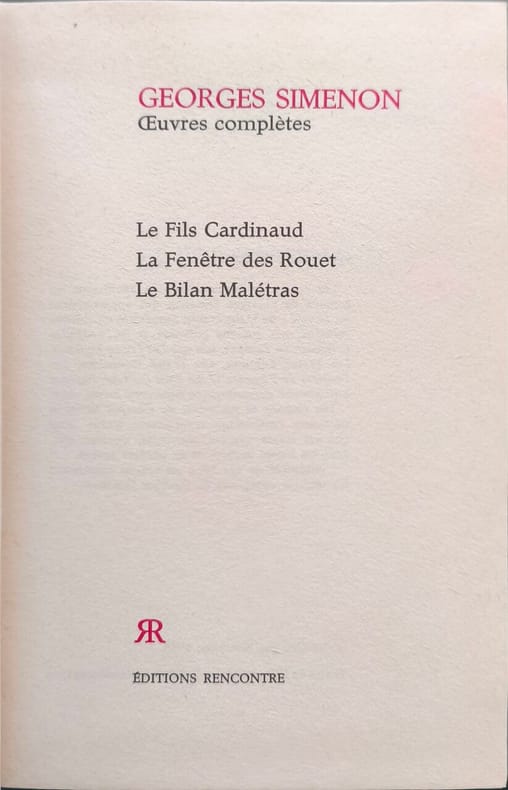
196813995ÉDITIONS RENCONTRE 1968 474 pages in8. 1968. broché. 474 pages. Ce contenu regroupe des informations sur les œuvres complètes de Georges Simenon publiées par les Éditions Rencontre incluant notamment la série des enquêtes du commissaire Maigret. Il mentionne également des romans durs de Simenon qui explorent la psychologie humaine en dehors du cadre policier
186436882np 1864. 4to. Written in ink and signed at the end by Royce on the verso of a single leaf. Several small holes text unaffected a few closed tears two archival tape repairs. Good. <br/><br/> This unusual insightful document illuminates the laws of war applicable during the bitter American Conflict. Royce's Petition seeking justice for Gurley is directed to the Confederate Commission of Exchange. Its author Confederate Captain Moses Strong Royce was captured in Tennessee and imprisoned at Nashville. His cell-mate Captain Frank R. Gurley had allegedly murdered Union General Robert McCook of Ohio near Huntsville Alabama in August 1862. In October 1863 Gurley was captured and charged with the murder. Gurley Union officials claimed was a guerrilla who shot McCook while the General was lying in an ambulance. Southerners claimed that Gurley was not a guerrilla but a regular soldier in the Confederacy's 4th Alabama Cavalry; and that he killed McCook according to the laws of war. <br/> The pages of Harper's Weekly and Frank Leslie's Illustrated Newspaper fanned the flames claiming that guerrillas or lawless Confederate cavalrymen caused the general's death; feelings ran high. "US General Grant wrote CS General Hardee in December of 1863 and said that although Gurley was a member of the Confederate army that did not preclude him from being tried for having committed a foul murder" online Huntsville-Madison County Public Library essay 'Frank B. Gurley's 1866 Diary'.<br/> Royce advises that he escaped from prison "on the 1st of March." War Department Records claim Royce was a still a prisoner at Nashville on April 6 1864. That Record doubtless relied on outdated information. Having escaped in March 1864. Royce pleads Captain Gurley's case. "He was confined in a cell for sixty-eight days and allowed only about one hour a day for exercise and was put upon trial for the killing of Genl. McCook. He was obliged to employ counsel to defend himself at an expense of 2500 dollars in greenbacks. The evidence produced completely exonerated him of anything like MURDER and the argument of his counsel was a complete vindication of his RIGHT as a soldier and an officer to do all that he did in bringing Genl. McCook to his death. When the trial was nearly ended four communications by flag of truce were sent to the court and were there read - one from Lt. Col. Hambrick one from Genl. Forrest one from Genl. Hardee and one from Genl. Johnston" assuring that Gurley was not a guerrilla but a duly enrolled member of the Confederate military forces. Nevertheless Gurley was found guilty and sentenced to death. original italics are printed here in capital letters.<br/> "The undersigned believes that if an effort were to be made by the Confederate Commission of Exchange to have Capt. Gurley exchanged the Federal authorities would immediately send him forward for that purpose and as a friend of Capt. Gurley the undersigned respectfully requests General Johnston to use his influence in procuring the exchange of Capt. Gurley. Respectfully submitted M. S. Royce." <br/> Even after War's end the dispute continued. Gurley having been released from prison in an administrative snafu was re-arrested charged but finally released and placed on parole in April 1866. unknown books
175 pages, previous owner name on inside front cover, light creasing to covers, page edges browned. eng
8vo, 216 pages, not illustrated. eng
242 pages, translated by Benjamin Moser. eng
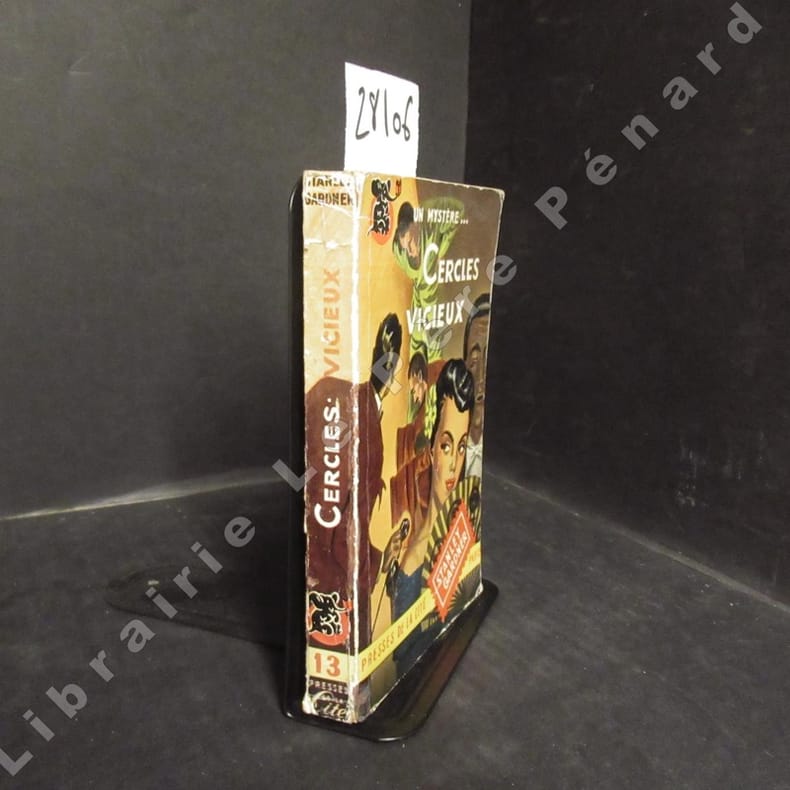
1950281061950 Editions Presses de la Cité, Collection "Un Mystère", n° 13 - 1950 - In-12, broché, couverture illustrée - 223 p.
1950281091950 Editions Presses de la Cité, Collection "Un Mystère", n°12 - 1950 - In-12, broché, couverture illustrée - 223 p.
1950281271950 Editions Presses de la Cité, Collection "Un Mystère", n°3 - 1950 - In-12, broché, couverture illustrée - 228 p.
1950182081950 N° 19 - In-12 broché, couverture illustrée - 1950 - 227p - Ed. Presses de la Cité - coll. Un Mystère...
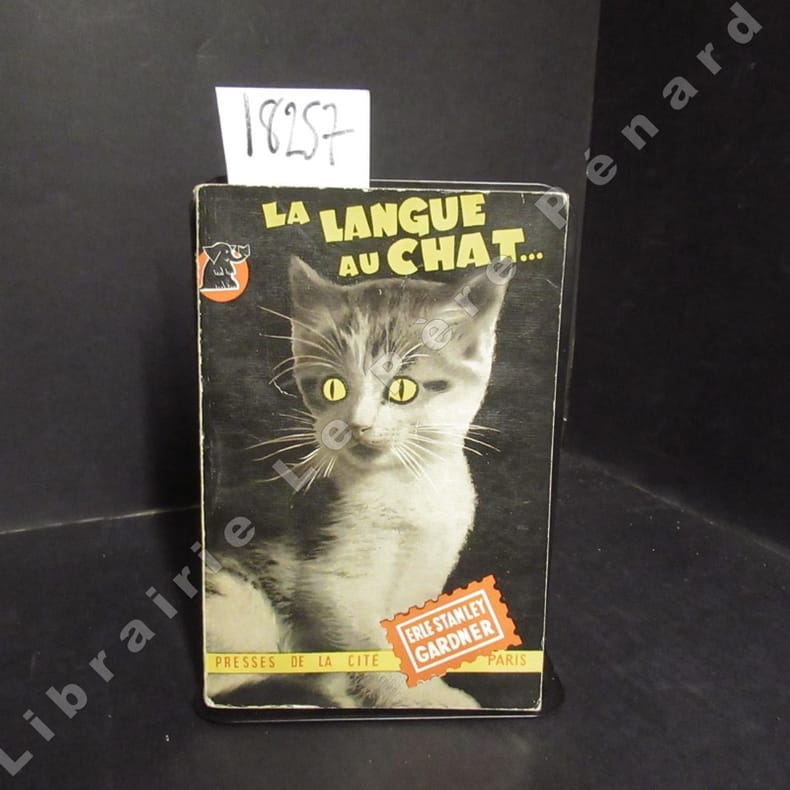
1952182571952 Editions Presses de la Cité, Collection "Un Mystère", n°90 - 1952 - In-12, broché, couverture illustrée - 224 p.
19491186841949 Editions Presses de la Cité, Collection "Un Mystère", n°6 - 1950 - In-12, broché, couverture illustrée - 221 p.
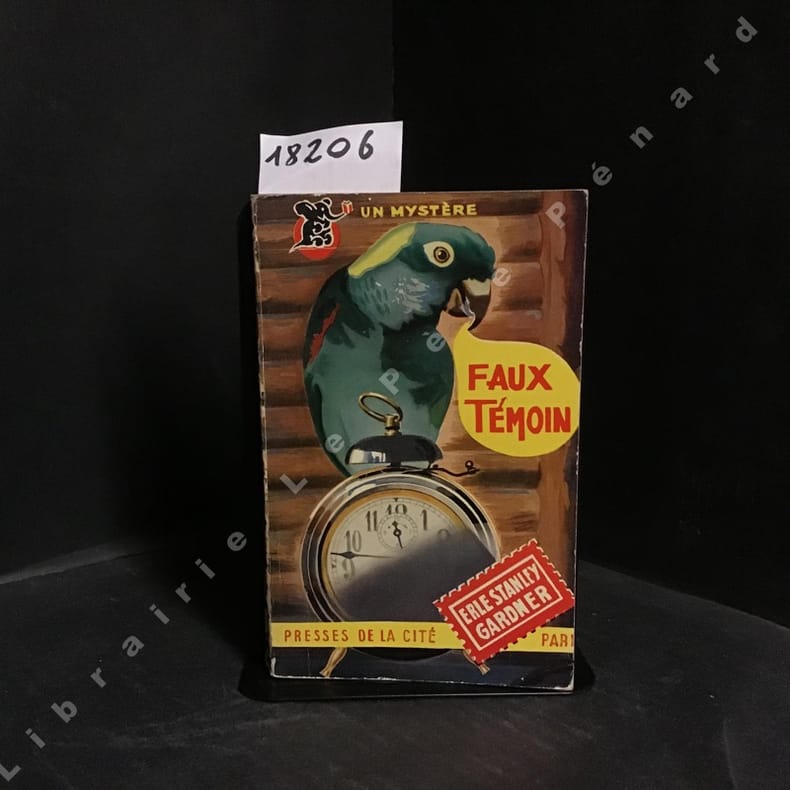
1950182061950 Éditions Presses de la Cité - N)17 de la collection "Un Mystère... " - 1950 - In-12 broché - 221 pages
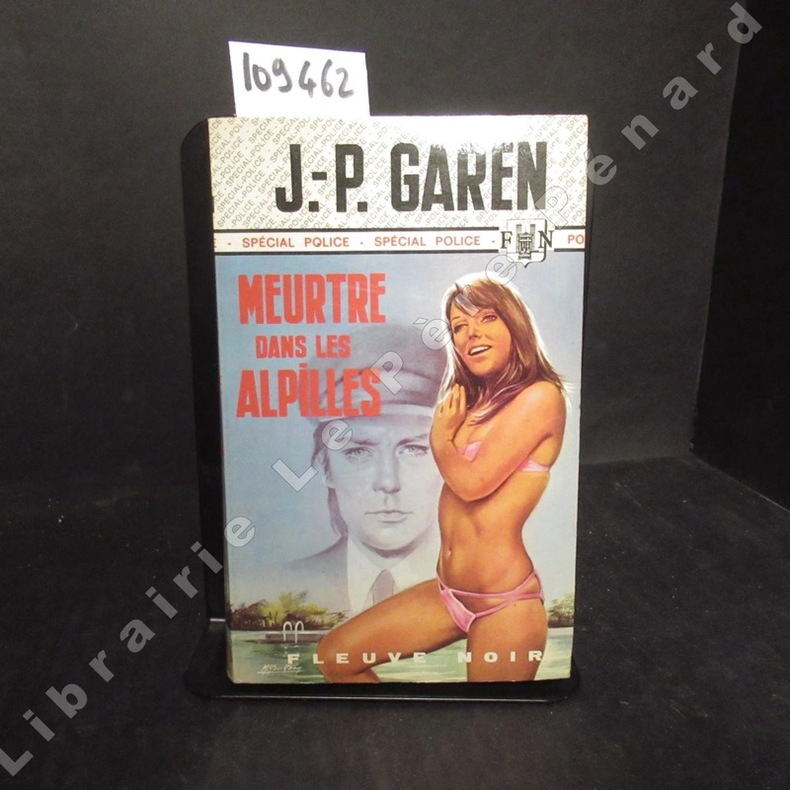
19761094621976 Editions Fleuve Noir, Collection "Spécial Police" - 1976 - In-12, broché, couverture illustrée - 221 p.
1950281261950 Editions Presses de la Cité, Collection "Un Mystère", n°1 - 1953 - In-12, broché, couverture illustrée - 226 p.
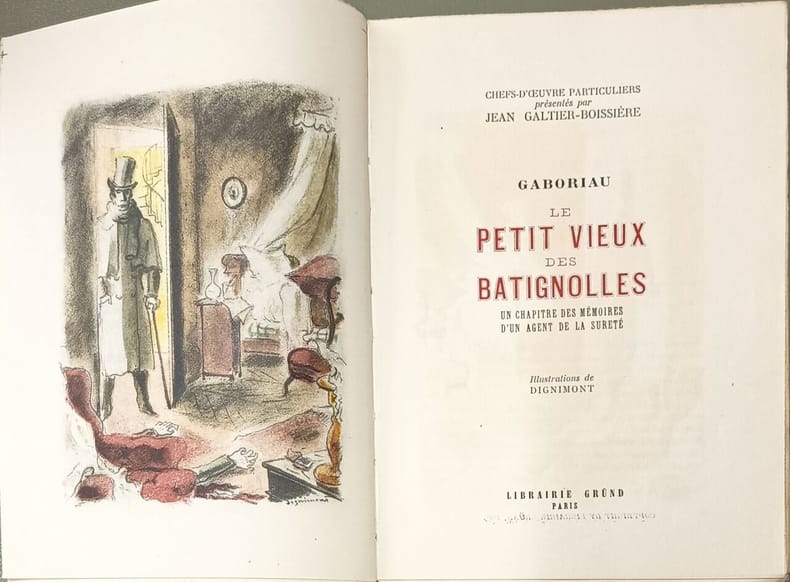
194613869Librairie Grund 1946 108 pages in8. 1946. broché. 108 pages. Le Petit Vieux des Batignolles est une nouvelle policière d'Émile Gaboriau parue en 1870 puis en volume en 1876. L'histoire débute par la découverte d'un petit vieux assassiné chez lui dans le quartier des Batignolles à Paris ; la victime a tracé avec son sang les premières lettres du nom de son meurtrier mais l'enquête menée par le détective Méchinet (ou Lecoq selon les sources) se heurte à des indices rares et à des suspects contradictoires