Romanov, Ivan NBiblio.com
87 résultats
19492145Stockholm: P.A. Norstedt & Söner 1949. 5.75" x 8.5" pp. 199 1. Text in the Swedish language. Hardcover quarter bound in red cloth and illustrated paper boards. Board corners are slightly bent with light scuffing at corners overall present very well. Ex Libris plate on the front paste down. End paper is lightly toned. All else good and sound. Very good. . P.A. Norstedt & Söner unknown
1918002706Winnipeg Canada: Nakladom "Ruskoi knyharni" 1918. First Edition. Very good. First Ukrainian edition translated from Russian n. d. ca 1918; 7 x 5 1/2; pp. 1 4-64; green wraps printed and ruled in black; a few nicks to fore-edge and a small chip to corner of front wrap; thin strip of foxing to margin of back wrap; overall in very good condition. Allegedly written by the the last Emperor of Russia Nikolai II Romanov as an explanation to the events and reasons for his "abdication of the throne" it was sharply criticized and labeled "not entirely but predominantly conscious lies" by the anonymous author of the preface to the point where one could wonder if the "cofession" was really written by the tsar. Chapters included the history of the Romanovs with Rasputin Tsarina Alexandra's contempt for the Russian people etc. Nakladom "Ruskoi knyharni" paperback books
1918002706Winnipeg Canada: Nakladom "Ruskoi knyharni" 1918. First Edition. Very good. First Ukrainian edition translated from Russian n. d. ca 1918; 7 x 5 1/2; pp. 1 4-64; green wraps printed and ruled in black; a few nicks to fore-edge and a small chip to corner of front wrap; thin strip of foxing to margin of back wrap; overall in very good condition. Allegedly written by the the last Emperor of Russia Nikolai II Romanov as an explanation to the events and reasons for his "abdication of the throne" it was sharply criticized and labeled "not entirely but predominantly conscious lies" by the anonymous author of the preface to the point where one could wonder if the "cofession" was really written by the tsar. Chapters included the history of the Romanovs with Rasputin Tsarina Alexandra's contempt for the Russian people etc. Nakladom "Ruskoi knyharni" paperback
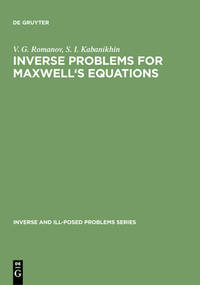
1994__3110354993De Gruyter 1994. Hardcover. New. reprint edition. 252 pages. 6.69x0.63x9.61 inches. De Gruyter hardcover
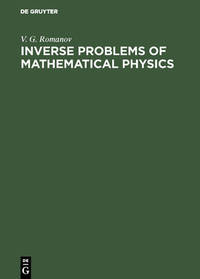
1986__3110460556De Gruyter 1986. Hardcover. New. 247 pages. 6.69x0.63x9.61 inches. De Gruyter hardcover
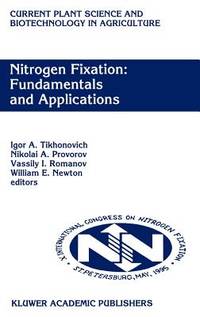
1995x-0792337077Kluwer Academic Pub 1995. Hardcover. New. 1st edition. 822 pages. 10.00x6.75x1.50 inches. Kluwer Academic Pub hardcover
1995021856Paramus: Backbone Publishing Company 1995. Paramus: Backbone Publishing: 1995. 4to x 16" wide. Second edition revised and expanded. 277 pp. Dr. Ilya P. Romanov was a true Polarman. In more than forty years of Arctic expedition and observational science Dr. Romanov experienced all aspects of Arctic field operations and Arctic science: airborne hydrographic and sea ice surveys; drifting ice station science and logistics; and shipbased oceanography and ice navigation. Early in his career he recognized the scientific merit of a long-term systematic program to measure geometric properties of sea ice and snow cover throughout the Arctic Basin and marginal seas. Maps and diagrams throughout. Repaired tears to dust jacket some soiling on pages edges. Very good in very good dust jacket protected with a fresh archival-quality mylar cover. Second Edition Revised and Expanded. Hard Cover. Very Good/Very Good. Illus. by Illustrated. 4to - over 9¾ - 12" tall. Backbone Publishing Company Hardcover
191839666Петроград Petrograd: ИздательÑтво «Свободное ИÑкуÑÑтво» Liberal Arts 1918. Limited First edition. Hardcover. poor to vg. 1/1000. Folio.157 1pp. Original printed dust-jacket over half green cloth and decorative paper covered boards. Pictorial endpapers. Decorative head- tailpieces and initials. <br /> <br /> Lavishly illustrated with 101 duo-tone photographic reproductions mounted onto heavy paper this handsome volume documents the amazing true story of a wealthy family's contribution to the arts and architecture in a little town of northern Russia. Solvychegodsk is located on the north bank of the Vychegda River not far from its confluence with the Northern Dvina. Despite its sleepy appearance Solvychegodsk contains two of the most elaborate examples of religious architecture and applied arts in all Russia. Founded in the 14th century Solvychegodsk was called the Stroganov town due to the rich local salt works owned by the Stroganov family. The family created a salt monopoly which brought them enormous wealth and Solvychegodsk became the center of a private empire. The family's achievements placed them in positions of exceptional influence both political and cultural. The family’s lavish patronage of the arts started with the patriarch of the dynasty Anika Ioanniky Stroganov 1497-1570 whose primary contribution to Russian architecture is the Annunciation Cathedral begun in 1560 and apparently concluded in the early 1570s. <br /> <br /> The Cathedral contains a grandiose gilded iconstasis which was carved in Moscow by a team led by Grigori Ivanov and transported here in 1693. The origins of the famed Stroganoff school of iconography and the decorative arts can be seen here in opulent examples of enamel painting and other applied arts on display in the cathedral. Another architectural jewel built by the Stroganov family is the Presentation Cathedral whose soaring interior is created by a vaulting system of paired arches that support the large structure and its five cupolas. The magnificent icons within the Presentation Cathedral were painted on canvas instead of treated boards in a western style by a Stroganov painter Stepan Narykov. The striking photographs depict in detail all these splendors exterior and interior views of all the brick churches as well as frescoes icons and other artwork including some which were later destroyed by the Soviets. Written before the Bolshevik Revolution and published in its immediate aftermath this book is the last remaining testimony of the town's architectural and artistic jewels. Indeed the Soviet period would inflict much damage on the cultural heritage of Solvychegodsk. Of the town's twelve brick churches at the beginning of the 20th century eight were destroyed and two others left in ruined state. However the two Stroganov cathedrals still stand in their monumental glory. One of 1000 numbered copies of which this is No. 887.<br /> <br /> Dust-jacket partly creased and torn along edges. Head of spine slightly age-toned. Minor soiling along edges of covers. Text in Russian. DJ in overall poor to fair binding in good interior in very good condition. ИздательÑтво «Свободное ИÑкуÑÑтво» (Liberal Arts) hardcover
191462465СПб.: тип. "СельÑкого веÑтника" 1914. Hardcover/Hardback. Fair. <p>Драма в четырёх дейÑтвиÑÑ… и пÑти картинах. ВладельчеÑкий новый переплёт. ПÑтна ÑыроÑти на первых Ñтраницах. ДарÑÑ‚Ð²ÐµÐ½Ð½Ð°Ñ Ð½Ð°Ð´Ð¿Ð¸ÑÑŒ.</p><p>ПьеÑу К. Ð . на евангельÑкий Ñюжет «Царь ИудейÑкий» и авторÑкие Ð¿Ñ€Ð¸Ð¼ÐµÑ‡Ð°Ð½Ð¸Ñ Ðº ней Ðœ. Ð. Булгаков иÑпользовал как материал Ð´Ð»Ñ Ñ€Ð¾Ð¼Ð°Ð½Ð° «МаÑтер и Маргарита».</p><p> Ðвтор драмы «Царь ИудейÑкий» – Великий КнÑзь КонÑтантин КонÑтантинович Романов 1827-1892 двоюродный дÑÐ´Ñ ÐÐ¸ÐºÐ¾Ð»Ð°Ñ II президент ПетербургÑкой Ðкадемии наук пиÑавший под пÑевдонимом К.Ð . ÐеÑÐ¼Ð¾Ñ‚Ñ€Ñ Ð½Ð° выÑокий художеÑтвенный и нравÑтвенный уровень и положительные отзывы пьеÑа была запрещена руÑÑким Синодом по причине неÑоответÑÑ‚Ð²Ð¸Ñ Ð¾Ñ‚Ð´ÐµÐ»ÑŒÐ½Ñ‹Ñ… трактовок образов героев Ñ ÐºÐ°Ð½Ð¾Ð½Ð¸Ñ‡ÐµÑкими предÑтавлениÑми. По разрешению Ð¦Ð°Ñ€Ñ Ð¿ÑŒÐµÑа была поÑтавлена любительÑким придворным театром Ðрмитажа и ÑоÑтоÑлоÑÑŒ только неÑколько показов ÑÐ¿ÐµÐºÑ‚Ð°ÐºÐ»Ñ Ð¿Ñ€ÐµÐ¸Ð¼ÑƒÑ‰ÐµÑтвенно Ð´Ð»Ñ Ð²Ñ‹ÑокопоÑтавленной публики. Музыку к пьеÑе напиÑал Ð.К. Глазунов руководил поÑтановкой режиÑÑер Ð.Ð. Ðрбатов. ИоÑифа ÐримафейÑкого тайного ученика ХриÑта Ñыграл Ñам автор КонÑтантин Романов.</p><p>С великим кнÑзем вели перепиÑку И. Ð. Гончаров Я. П. ПолонÑкий Ð. Ð. Фет ценивший его Ð²ÐºÑƒÑ Ð¸ даже поручавший ему иÑправлÑÑ‚ÑŒ Ñвои Ñтихи. О поÑтичеÑком творчеÑтве К. Ð . воÑторженно отзывалÑÑ ÐŸ. И. ЧайковÑкий которому великий кнÑзь поÑвÑтил одно из Ñвоих Ñтихотворений `О люди вы чаÑто Ð¼ÐµÐ½Ñ Ñзвили так больно.`.Принадлежал к так называемой Ñтарой школе был продолжателем клаÑÑичеÑких традиций. ПервоклаÑÑным талантом поÑÑ‚ К. Ð . не обладал но занÑл Ñвое меÑто в иÑтории руÑÑкой литературы. Многие его ÑÑ‚Ð¸Ñ…Ð¾Ñ‚Ð²Ð¾Ñ€ÐµÐ½Ð¸Ñ Ð¾Ñ‚Ð»Ð¸Ñ‡Ð°Ð»Ð¸ÑÑŒ мелодичноÑтью и были положены на музыку Ñамое извеÑтное — Ñ€Ð¾Ð¼Ð°Ð½Ñ Â«Ð Ð°Ñтворил Ñ Ð¾ÐºÐ½Ð¾â€¦Â» Ñ Ð¼ÑƒÐ·Ñ‹ÐºÐ¾Ð¹ П. И. ЧайковÑкого Ñочинившего музыку также на «Я Ñначала Ñ‚ÐµÐ±Ñ Ð½Ðµ любила…» «Вот миновала разлука» и другие ÑÑ‚Ð¸Ñ…Ð¾Ñ‚Ð²Ð¾Ñ€ÐµÐ½Ð¸Ñ Ðš. Ð . Сам напиÑал неÑколько романÑов на Ñтихи Ð’. Гюго «Луч денницы блеÑнул дорогаÑ» Ð. К. ТолÑтого «Ðе верь мне друг когда в избытке горÑ» «О не пытайÑÑ Ð´ÑƒÑ… унÑÑ‚ÑŒ тревожный» и «Горними тихо летела душа небеÑами» Ð. Ð. Майкова «Он уж ÑнилÑÑ Ð¼Ð½Ðµ когда-то» и «Далеко на Ñамом море» — впервые они были напечатаны в 1880 году в Германии; в 1889 году нотоиздательÑтво П. ЮргенÑона выпуÑтило их в МоÑкве.</p> СПб.: тип. "СельÑкого веÑтника" hardcover
1922001842Saint-Briac: By the author 1922. Softcover. First edition; 18 ½â x 12 ¼â ; newsprint single sheet recto only; folded with intersecting crease lines; a few small nicks and cuts to edges; light uniform age-toning; ruled with an intricate border and a stylized drawing of a crown; illustrated with two large photographs of Kirill and his wife Victoria Melita of Saxe-Coburg and Gotha â Feodorovna; very good condition. An apparently unrecorded piece of the Russian Imperial Familyâs history the broadside was published by Kirill himself in France where he lived in exile after the October Revolution. Kirill Vladimirovich Romanov 1876 â 1938 was the son of Grand Duke Vladimir Alexandrovich Romanov and the grandson of Tsar Alexander II. His wife whom he married in 1905 without Tsar Nicholas IIâs consent was his first cousin and the granddaughter of Queen Victoria. The marriage caused an uproarious scandal throughout the courts of the European nobility for the union was in open defiance of the Russian Orthodox Churchâs ruling that first cousins could not marry and furthermore for the fact that Victoria Feodorovna had just divorced her first husband also a first cousin. During the February Revolution of 1917 Kirill swore allegiance to the Russian Provisional Government in hopes of ingratiating himself and possibly becoming a regent after Nicholas IIâs impending abdication. Shortly after in June of 1917 the family escaped to Finland then Germany and finally to the tiny village of Saint-Briac in France. In 1922 four years after Nicholas IIâs execution and two years before a London court order declared Nicholasâ brother Mikhail II legally dead Kirill published his current âdeclarationâ to his compatriots stating that he did not believe the news of Nicholasâ death and that he hoped his cousin would return to the throne but in the meantime the Russian people needed a âperson in chargeâ to lead them. He continued on to state that until a definitive proof of the whereabouts of Mikhail Nicholas and his son Aleksei was presented or a Zemskii Sobor an assembly summoned by a tsar or a patriarch chose a new ruler he would appoint himself Guardian of the Sovereignâs Throne. His statement was endorced at the bottom of the broadside by his relative Prince Dmitrii Golitsyn-Muravlin. His aspirations were rivaled by Grand Duke Nikolai Nikolaevich Romanov grandson of Nicholas I but with the formerâs death in 1929 Kirill would indeed become the undisputed leader of the monarchists. After claiming the throne he would become known as the âSoviet Tsarâ for his sympathies for the regime and his biggest support would come from an émigré monarchist organization styling itself âThe Legitimists.â After his death Kirill was succeeded by his son Vladimir Kirilovich who proclaimed himself âHead of the Romanovsâ but this was never accepted by any other member of the Romanov family. Saint-Briac: By the author paperback books
19281653211928. ROMANOV M. Kluby Metallistov: Proekty tipovye i utverzhdennye k postroike v 1928 godu Metal Workers' Clubs: Standard Projects Approved for Construction in 1928. 85 3 pp. Illustrated throughout with architectural plans. Folio 285 x 220 mm bound in original constructivist style printed wrappers preserved in a new linen cloth folding box. Moscow: Tsentralnyi komitet Vsesoiusoznogo soiuza rabochikh metallistov 1928. A book dedicated to one of the architectural phenomenon of the Soviet era - Soviet workers' clubs and specifically metal workers' clubs. The book itself has a constructivist design and layout. The mass construction of workers' clubs which began in 1926 resulted in almost 3500 being built. The Metal workers' union of Moscow and the Moscow region was one of the biggest in the country and was able to allocate massive funds for the construction which resulted in the publication of this book. Very rare. OCLC lists copies at Columbia British Library and ETH. hardcover books
1922001842Saint-Briac: By the author 1922. Softcover. First edition; 18 ½â x 12 ¼â ; newsprint single sheet recto only; folded with intersecting crease lines; a few small nicks and cuts to edges; light uniform age-toning; ruled with an intricate border and a stylized drawing of a crown; illustrated with two large photographs of Kirill and his wife Victoria Melita of Saxe-Coburg and Gotha â Feodorovna; very good condition. An apparently unrecorded piece of the Russian Imperial Familyâs history the broadside was published by Kirill himself in France where he lived in exile after the October Revolution. Kirill Vladimirovich Romanov 1876 â 1938 was the son of Grand Duke Vladimir Alexandrovich Romanov and the grandson of Tsar Alexander II. His wife whom he married in 1905 without Tsar Nicholas IIâs consent was his first cousin and the granddaughter of Queen Victoria. The marriage caused an uproarious scandal throughout the courts of the European nobility for the union was in open defiance of the Russian Orthodox Churchâs ruling that first cousins could not marry and furthermore for the fact that Victoria Feodorovna had just divorced her first husband also a first cousin. During the February Revolution of 1917 Kirill swore allegiance to the Russian Provisional Government in hopes of ingratiating himself and possibly becoming a regent after Nicholas IIâs impending abdication. Shortly after in June of 1917 the family escaped to Finland then Germany and finally to the tiny village of Saint-Briac in France. In 1922 four years after Nicholas IIâs execution and two years before a London court order declared Nicholasâ brother Mikhail II legally dead Kirill published his current âdeclarationâ to his compatriots stating that he did not believe the news of Nicholasâ death and that he hoped his cousin would return to the throne but in the meantime the Russian people needed a âperson in chargeâ to lead them. He continued on to state that until a definitive proof of the whereabouts of Mikhail Nicholas and his son Aleksei was presented or a Zemskii Sobor an assembly summoned by a tsar or a patriarch chose a new ruler he would appoint himself Guardian of the Sovereignâs Throne. His statement was endorced at the bottom of the broadside by his relative Prince Dmitrii Golitsyn-Muravlin. His aspirations were rivaled by Grand Duke Nikolai Nikolaevich Romanov grandson of Nicholas I but with the formerâs death in 1929 Kirill would indeed become the undisputed leader of the monarchists. After claiming the throne he would become known as the âSoviet Tsarâ for his sympathies for the regime and his biggest support would come from an émigré monarchist organization styling itself âThe Legitimists.â After his death Kirill was succeeded by his son Vladimir Kirilovich who proclaimed himself âHead of the Romanovsâ but this was never accepted by any other member of the Romanov family. Saint-Briac: By the author paperback