MareMagnum

170 résultats
Lexicon of words, symbols, signs and phrases used in the American subculture of the 1960's. — Testi: Landy Eugene E.. pagg. 208; rileg. rigida. Editore: MacGibbon & Kee, London, 1972.
dalla quarta di copertina: “... la questione della comune e quella più generale della crisi della famiglia è preceduta da una storia critica del movimento comunitario, dalle prime esperienze religiose e utopistiche della nuova frontiera americana a quelle anarchiche della guerra di Spagna e dei contadini rivoluzionari ucraini di Nestor Machno. Seguono i documenti delle comuni giovanili italiane ed europee e, completa il libro, una parte specifica dedicata al problema più delicato della vita in comune: l’esperienza sessuale, sia essa monogamica che di gruppo, mista o omosessuale.... le numerose interviste con le loro contraddizioni, ma anche con la loro disperata ricerca di felicità costituiscono un documento unico, vivo ed attuale.” — Testi: Cevro-Vukovic Emina. pagg. 240; BN; rileg. brossura. Editore: Arcana Editrice, Roma, 1974.
F.to: 13x20; pagg. 210; BN; rileg. brossura. Editore: City Light Books, San Francisco, 1971.
F.to: 24,5x30,5; pagg. 160; COL; rileg. rigida. Editore: Van Holkema & Warendorf, Bussum, 1977.
Book shows considerable wear with stained and mottled covers, bumped and worn corners, sun faded spine, super just barely showing at pre-title page, occasional stain to pages, otherwise text/interior is clean and free of marking. Contents include: Black shiny FBI shoes, Rusky-dusky neon dust, The bus, Unauthorized acid, The crypt trip, The unpoken thing, The bust, The Hell's Angels,Cosmo's Tasmanian deviltry, The Mexican bust, Ken Kesey and the Merry Pranksters, a drug saturated group of hippies, trouble with the law. 416 pages. pushing, ballooning heart of the matter , Vibrating dazzle; "[a]mong journalists, Wolfe is a genuine poet; what makes him so good is his ability to get inside, to not merely describe (although he is a superb reporter), but to get under the skin of a phenomenon and transmit its metabolic rhythm" -- (Newsweek).
48 pages. A very 'sixties' publication complete with cover photo of young girl wearing coonskin cap. Authentic "off the record" arrangements. Songs include: A Little Bit Me, A Little Bit You; Black is Black; Born Free; Day Tripper; Eleanor Rigby; Hungry; Kicks; Last Train to Clarksville; Michelle; Nineteen Days; 96 Tears; Penny Lane; Pipeline; Rain; Secret Agent Man; She; Strawberry Fields Forever; Taxman; Tijuana Taxi; Time Won't Let Me; Ups and Downs; (We Ain't Got) Nothin' Yet. Average wear. Minimal markings. Binding intact. A sound and copy of this uncommon compilation of great 60's hits. Very nostalgic. Book
pagg. 32; BN; rileg. Punto metallico. Editore: , 1972.
pagg. 32; BN; rileg. Punto metallico. Editore: , 1972.
pagg. 32; BN; rileg. Punto metallico. Editore: , 1972.
pagg. 32; BN; rileg. Punto metallico. Editore: , 1973.
Testi: Kriyananda Swami. pagg. 104; BN; rileg. brossura. Editore: Ananda Publications, Nevada City, 1968.
Testi: de Solier René. F.to: 7,5x20; pagg. 78; rileg. brossura. Editore: Jean-Jacques Pauvert, Paris, 1965.
Testi: Di Prima Diane. pagg. 12; BN; rileg. Punto metallico. Editore: New York City Poets Press, New York, 1968.
Testi: Kunzle David, Nizza Enzo. F.to: 19,5x26; BN; rileg. brossura. Editore: Edizioni la Pietra, Milano, 1970.
Testi: Metzner Ralph, Leary Timothy. F.to: 20x20; pagg. 96; BN; rileg. brossura. Editore: Psychedelic Review, New York, 1967.
Testi: De Loach Allan. pagg. 328; BN; rileg. brossura. Editore: UniversityPress, Buffalo, 1968.
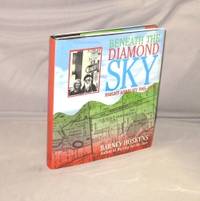
199729261<p>New York::: Simon & Schuster 1997. First Printing of the First US Edition. A Fine tight copy in a Fine bright dust jacket with the cut-out window not torn. Beneath the Diamond Sky tells the story of Haight-Ashbury San Francisco in the years 1965-1970 the years "the Haight" emerged as the mecca of the countercultural scene. Hoskyns begins his history of this 8-block-wide area during the Beat period which created the aesthetic for the psychedelic period that followed. He goes on to document the era's end with the defining moment of Altamont. Between these signal events he analyzes the place & the people that became the catalyst for the greatest social revolution of 20th-century America. Includes more than 100 reproductions of the great bands the fashions & the psychedelic posters/artwork. Fully illustrated with photos of period musicians and key players of the movement.</p> Simon & Schuster,, hardcover
19782090502113717855Not Available 1978. Soft Cover. Fine. The book is in fine condition. Not Available paperback
19832090502113717941Not Available 1983. Soft Cover. Fine. The book is in fine condition. Not Available paperback
Unrivalled collection of over 250 colour photographs, incl. the Haight-Ashbury, light shows, The Grateful Dead, Janis Joplin, Millbrook, head shops, the Print Mint, The Fugs, Bobby Beausoleil, Michael Hollingshead, Allen Cohen, Ira Cohen, the Living Theatre, Hetty MacLise, psychedelic projections on nude dancers at the Electric Circus, Kusama's 'orgy creations', skinny-dipping hippies, and much more. — Testi: Snyder Don. F.to: 21x28; pagg. 110; COL e BN; rileg. brossura. Editore: Liveright Publishing, New York, 1979.
Tom Bender is an architect who was at the forefront of the sustainability movement. This book, published in 1973, is a scrapbook collection of musings, quotes, images, and philosophies culled from a myriad of sources. The book is a starting place for Bender’s personal investigation of how we can live lightly, in harmony with the land. The book is a relevant document of thoughts in the environmental and sustainability movements of today, and it is easy to get lost in the wandering collage like style of the book’s design. — Testi: Bender Tom. pagg. 208; rileg. brossura. Editore: Schocken Books, 1976.
F.to: 17x24; pagg. 48; BN; rileg. brossura. Editore: Savelli-stampa alternativa, Roma, 1975.
Testi: Esam John. pagg. 80; COL e BN; rileg. Punto metallico. Editore: Ian Duncan, London, 1968.
"Se di un happening si può tenere un diario, questo libro è un diario. Il diario di una farsa tragica in un atto che copre l'arco di due anni. Do it!/Fallo, il precedente libro di Jerry Rubin, era la sceneggiatura della rivoluzione. Con Siamo tanti assistiamo alla rappresentazione di questa sceneggiatura. Il prologo dell'azione sono i fatti dell'agosto 1968 durante i quali Chicago, amministrata dal brutale e tirannico sindaco Daley, viene messa a soqquadro da cinque giorni di combattimenti al Lincoln Park e attorno all'Hilton, l'albergo dei delegati della Convenzione democratica. Ne seguì, nel settembre del '69, un processo famoso che durò cinque mesi e mezzo. L'aula del tribunale divenne teatro: gli accusati, i Sette, ai quali va aggiunto Bobby Seale, "ospite d'onore" di questo drammatico ed incredibile play, assistono o partecipano all'azione scenica; fra essi primeggia Jerry che chiama sul palcoscenico i vari personaggi: gli Weatherman, le White Panther, le Pantere Bianche, e il loro "capo", John Sinclair, e poi Timothy Leary, evaso e ricercato dalla polizia, Allen Ginsberg che renderà una testimonianza che è anche un insegnamento. Contro di essi muovo il Sistema dell'ingiustizia, l'FBI, la CIA, il Grande Capitale, le Polizie Parallele, mentre allo scontro assistono i media, servi di due padroni. Nell'epilogo, la scena si sposta in Europa: dall'Olanda con i Kabouters, agli yippie londinesi, ai Provisionals di Belfast. E quando le luci si spengono, quando anche l'ultima azione svanisce, resta l'amarezza di un silenzio che da allora ancora nessuno ha rotto." — Testi: Rubin Jerry, Quadri Franco. F.to: 14x20; pagg. 204; COL; rileg. brossura. Editore: Arcana Editrice, Roma, 1973.
Testi: Copeland Alan, Arai Nikki. BN; rileg. brossura. Editore: Ballantine Books, New York, 1969.