RÉGIS (J.B., Traducteur), MOHL (Julius, Éditeur)Livre Rare Book
406 résultats
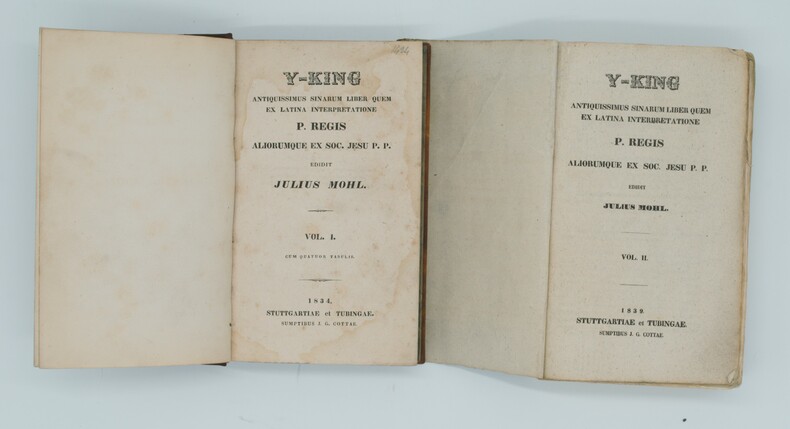
1834PHO-1520Stuttgart & Tubingue, Cotta, 1834-1839. 2 volumes in-8 de [1] f., xvi-474-[1] pp., 4 planches dépliantes ; [1] f., 588 pp. Premier tome relié en demi-basane brune, dos lisse, titre doré, date en queue (reliure moderne) et second tome broché, couverture d’attente, inscriptions manuscrites sur la couverture ("à Monsieur M. Barucchi - Directeur du Musée égyptien, professeur d'histoire à l'Université de Turin), dos usé avec qqs fentes. Les deux volumes réunis dans un emboîtage toilé bleu moderne. Très légères mouillures claires par endroits.
"In-8°piccolo, (4cc), 643pp, (33cc), legatura in piena pergamena coeva con unghiature, titolo manoscritto al dorso. Prima edizione, curata da Peiresc. Raguseo, un chierico che arrivò a Padova come secondo professore ordinario di filosofia,diventando amico di Galileo, fu uno dei maggiori esponenti di quella corrente contraria all'astrologia, così in voga in quel periodo. Questo volume contiene le sue lettere sulla divinazione e sull'astrologia, che condanna assieme ad altre scienze occulte quali la chiromanzia, la fisiognomica e la geomanzia. ""Inizialmente coltivò l'eloquenza, quindi la filosofia e teologia, poi si dedicò interamente alla medicina e alla matematica...E non si fermò qui, ché diventò presto seguace dell'arte di Lullo...Possedeva una famosa biblioteca, che sfortunatamente venne venduta dopo la sua morte"" (Thorndike, VI, pp 201-02) Riccardi I. 336. Cantamessa 3693. In-8 ° small, (4cc), 643pp, (33cc), contemporary full vellum binding with overlapping fore-edges, handwritten title on the spine. First edition, published by Peiresc. Raguseo, a cleric who arrived in Padua as a second professor of philosophy, becoming a friend of Galileo, was one of the leading exponents of that current contrary to astrology, so in vogue at that time. This volume contains his letters on divination and astrology, which he condemns along with other occult sciences such as palmistry, physiognomy and geomancy. ""Initially he cultivated eloquence, then philosophy and theology, then he devoted himself entirely to medicine and mathematics ... And he didn't stop there, as he soon became a follower of Llull's art ... He owned a famous library, which unfortunately was sold after his death ""(Thorndike, VI, pp 201-02) Riccardi I. 336. Cantamessa 3693. "
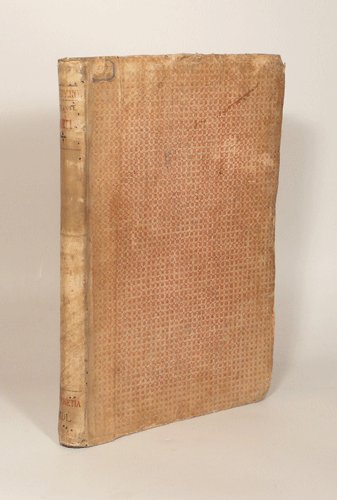
15500033071550 Venise, Francesco Marcolini, juillet 1550. Petit in-folio (225 X 322) demi-vélin ivoire, plats de papier dominoté, auteur, titre, lieu d'édition et date calligraphiés au dos en rouge et noir (reliure XVIIIe) ; A-Z4, Aa-Cc4 : 104 feuillets. A partir des figures des philosophes (page 64) il est donné un même numéro pour deux pages. Nombreuses restaurations aux premiers feuillets, l'encadrement architectural du portrait de l'auteur est masqué par un feuillet de doublure, marges du feuillet 43/44 rognées.
15561835Lugduni, apud Joannem Frellonium, [marque N°1] 1556 ; petit in-8 ; vélin à recouvrements, titre manuscrit au dos (reliure de l'époque) ; 664 pp., (2) ff. (au recto de l'avant-dernier feuillet, marque de Du Bois N°1, Lugduni, ex officina typographica Michaelis Sylvii, MDLVI, dernier feuillet blanc), caractères italiques, manchettes ; nombreuses figures (édition partagée entre Jean Frellon et A. Vincent).
22024201China ca. 20th century. A hanging scroll very good 34 x 95 cm. image 32.5 x 21.5 cm. mounted on buff silk small mend on lower part of silk image not affected else solid 3 cinnabar chops/seal. OBSCURE AND RARE WORK The work shows two faces: one female right one male left and are both woodblock printed on two joined sheets then the whole is mounted on an attractive hanging scroll with silk additions. This exact work was used to illustrated item 110 p. 127-8 in Ecke's work: CHINESE FOLK ART II: see below for bibliographic citation. We now quote and summarize what she stated about this work: "The woman's face is divided in half vertically by thirteen horizontally placed sections of Chinese characters which vary in the number of individual characters they contain. The characters are terms of physiognomy and a reading of the history of the woman's life past present and future can be taken from the sections. The characters on the man's face also denote a reading. Around the center of his face between the eyes & above the bridge of the nose are twelve sections which encircled the words. The physiognomic terms for this man are numbered. From the placement of the characters on his face one can read about the people in his life including his relatives and about his own health and fortune. Below the facial diagrams are definitions of the terms." PROVENANCE: The work was acquired directly from Prof. Richard C. Rudolph 1909-2003 the late great author professor and scholar of Chinese studies at the University of California Los Angeles. His cinnabar chop is found in the lower center. As per Ecke this work was mounted as a hanging scroll or Kakejiku in the Japanese style. It has delicate pale yellow silk brocade mounting with a beige silk above that. It is likely that Prof. Rudolph collected these silks in China during his 1948-49 collecting trip. Google him for copious details. ABOUT THE SEALS OR CHOPS: This copy was loaned to Ecke for her book and used in the exhibition at LACMA see below for more details. Our copy is the actual one exhibited in the book Prof. Rudolph affixed his seals to it prior to sale as was his habit. THE SCROLL & MOUNTING: As per Ecke this work was mounted as a hanging scroll or Kakejiku in the Japanese style it is 34 cm. wide 95 cm. long in all. The actual image is 31.5 x 32 cm. and consists of actually two images joined together. The mounting silk is a pale yellow brocade with beige silk above that a very clean nice mounting. It is likely that Prof. Rudolph collected these silks in China during his 1948-49 book buying trip. Google him for copious details. For a more in-depth discussion of this Chinese medical practice see Lessa below who illustrates a similar male face on p.51 fig. #5 and throughout several very similar examples. He explains the thirteen parts in much detail. The whole of chapter 4 is on the face and head he also offers much valuable insight to the significance of reading the face and its associated meanings. The Chinese have reduced the reading of facial attributes to a medical science per Lessa: "No people have exceeded the Chinese in their efforts to determine character and destiny by the very scrutiny of the body itself. In China the documentation is ancient and begins at the time before that of Confucius 220 B.C." He also discusses the "Six Treasuries Three Forces and Three Sections;" also the "Five Planets Six Stars Five Mountains and Four Rivers;" the "Twelve Temples and Five Senses;" in facial line reading. The "Thirteen Parts" resembles our example in that half of the face is covered with explanatory text covering these "parts." All were extracted from Ku China 1728. He further details on pp.54-55 the meanings of lines on the face marks and significance. Moles ear eye nose eye brow and forehead also has their various readings. This text supports the information found on this set of prints we now offer. BIBLIOGRAPHY: Tseng Yu-ho Ecke: CHINESE FOLK ART I see #58 p.90 91 which again cites and illustrates this exact work. Tseng Yu-ho Ecke: CHINESE FOLK ART II: page 127 illustrates this exact item offered see our scan for a copy of this article and example her # 110. Another identical example is found illustrated & described in the Los Angeles County Museum of Art Member's Calendar July 1977 vol.14 no.7. This example is again the one used in the Ecke book loaned to her by Prof. Rudolph ergo this item offered. William A. Lessa: CHINESE BODY DIVINIATION: Its Forms Affinities and Functions. This resource is valuable as it illustrates and discusses in much detail this sort of print and its significance. See chapter 4 pp.41-88 and figures plates 1-17. A very fascinating item and unusual subject seldom found on the market. The current example is an obscure 20th century reprint of the Sung Dynasty original. Suitable for library display. . unknown
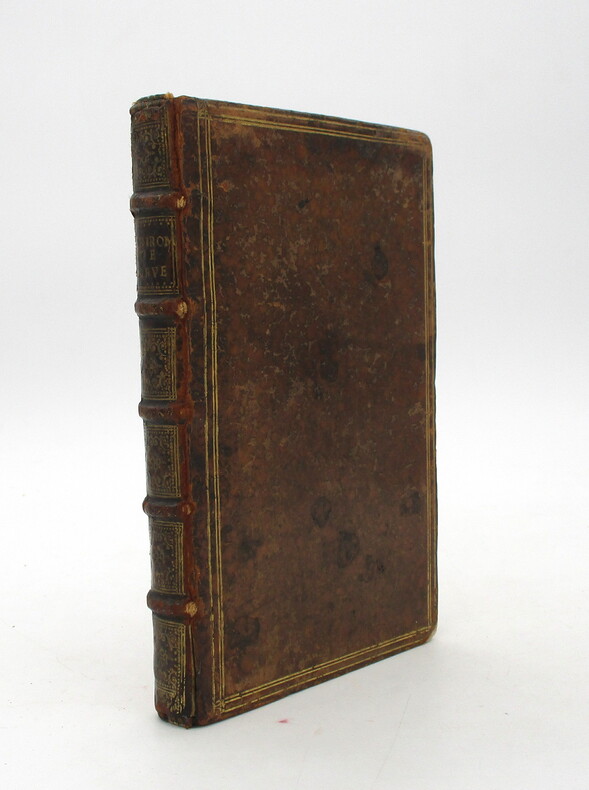
19175[Paris, Pierre Drouart, 1549 ?]. In-8, non paginé [110] ff., a2-o8 (o8 f. bl.), veau marbré brun de l'époque, triple filet doré en encadrement sur les plats cantonnés de fleurons dorés, dos à nerfs orné de caissons et fleurons dorés, tranches mouchetées (coiffes arasées, coins émoussés, épidermures, 2 petites mouillures angulaires, quelques rousseurs et taches, a1 manquant - titre - pas de marque typographique en fin de volume).
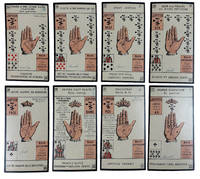
1900138<p>CARDS TO PREDICT "THE PAST THE PRESENT AND THE FUTURE"<br />A COMPLETE DECK BELONGING TO AUSTRIAN TAROCK PATTERN TYPE C</p><p>THE MOST BEAUTIFUL OF THE "WORK AND PLAY" TAROTS PRODUCED IN EUROPE.</p><p>54/54 tarot cards 114 x 62 mm chromolithography backs of the cards enriched by a double-ended neoclassical decoration round corners French suits. Tax stamp and printer's device with "Ferd. Piatnik & Söhne Ag – Wien – Registrirte Schutzmarke" on the Ace of Hearts "Ferd. Piatnik & Söhne Ag" on the Jacks of Diamonds.</p><p>The deck belongs to the pattern called Austrian Tarock pattern Type c. Four suits of 8 cards each King Queen Knight Jack and Hearts and Diamonds Ace–4 and Spades and Clubs 7–10 plus twenty-two trump cards. The trump cards depict scenes of outdoor life in various countries. The trumps and court cards are double-ended and the trumps display a different scene at each end. They are numbered with Roman numerals. Trump number II invariably has at one end the picture of a crowned eagle sword in claw perched on a rock inscribed with "Industrie Und Glück" Trump No. I the Fool is always portrayed as a stage musician.</p><p>Provenance: Tax stamp known as <em>Kartenstempel</em> named after the inscription on the upper part of the stamp which is commonly found on antique decks of playing cards particularly in Austria and the territories of the Austrian Empire. The stamp guaranteed that the deck had been legally produced and that taxes had been paid. The type of stamp present on this deck was in use between 1900 and 1920 and the value of 60 Heller indicated "a deck of more than 36 cards not lacquered not washable."</p><p>Conditions: Perfectly preserved.</p><p>REFERENCE: KATHLEEN WOWK Playing Cards of The World Lutterworth Press 1983 pp. 137-140; Peter Endebrock Playing-card Pages website 2000; SYLVIA MANN Collecting Playing cards Arco Publications 1966 pp. 105-108</p> Ferdinand Piatnik & Söhne
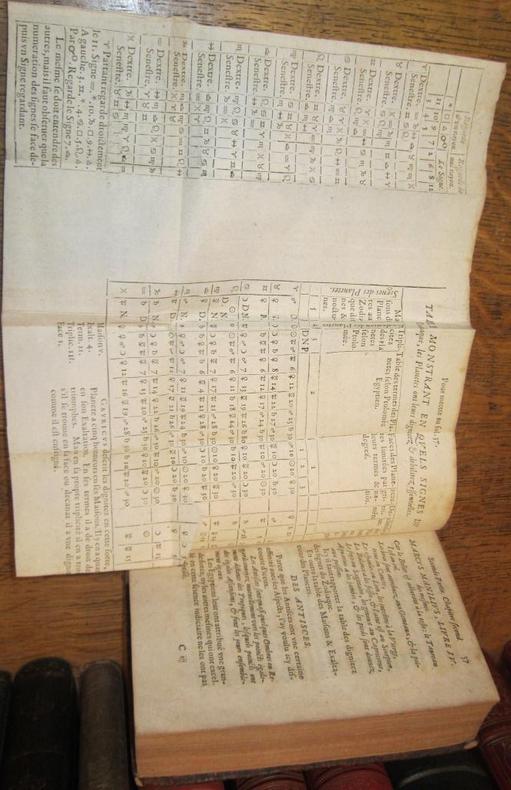
1770PHO-1193Paris: Chez N.M. Tilliard, 1770. in-4 , (24x20) , cxliv-474pp-1ff , illustré de 4 planches , relié demi cuir époque , pièce de titre (petit manque) , papier des plats refait , tranches rouges , vieille mouillure ,début de fente, coiffe de pied courte , 2 planches détachées.
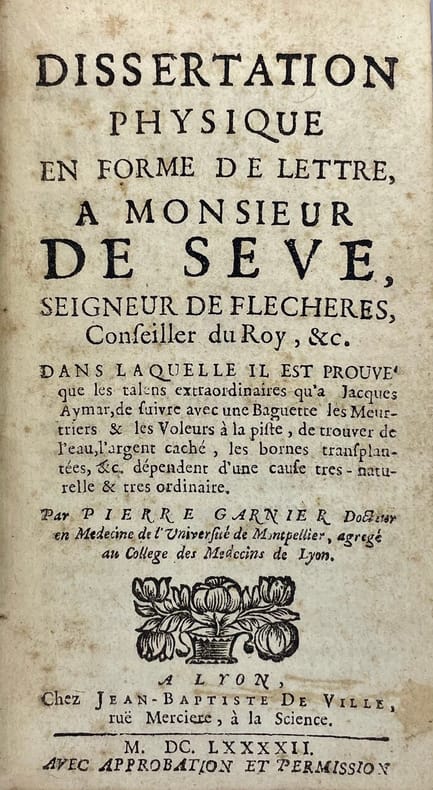
16921193Lyon, Jean-Baptiste de Ville, 1692 ; in-12 de 108 – [3] pp., reliure de l’époque veau moucheté, dos lisse couvert d’une pièce de maroquin bordeaux avec titre doré en long, tranches dorées sur mouchetures rouges.
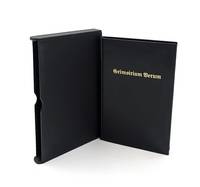
199770893Seattle WA: Trident Books 1997. Second edition of the limited edition facsimile reprint. Leather Bound. 86pp. Octavo 23.5 cm Bound by the studios of Ars Obscura in full black leather with the title stamped in gilt on the spine and front cover. Publisher's black text block edges. Marbled-patterned endpapers. Black silk ribbon page marker. With just a few faint scratches to the covers. In the black cloth covered slipcase. Both the book and slipcase are in better than very good condition. Near fine in a very good plus slipcase. Number 130 in an edition limited to 500 copies. Originally published by Alibeck the Egyptian at Memphis in 1517.<br /> <br /> The first part concerns the characters of Demons. The subject of the second part is natural and supernatural secrets for example how to make a girl come to you "However Modest She May Be." The third part is the Key of the Work the Magical Knife Lancet Sacrificial Knife etc. The fourth part consists of the Sanctum Regnum ie: Conjurations for Lucifer Beelzebub and Astraroth and the manner of licensing the devils to depart unto their abodes.<br /> <br /> Known as "The True Grimoire" this is one of the most renowned handbooks of black magic. Trident Books unknown
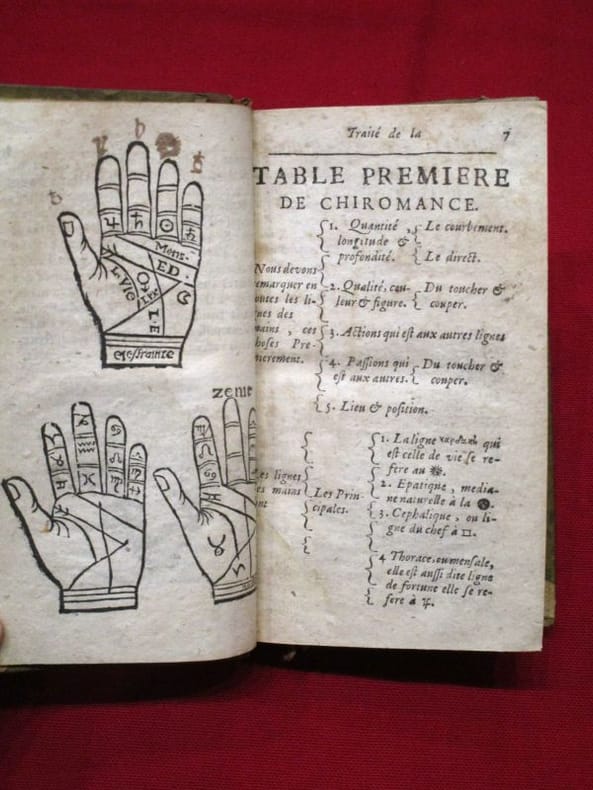
1667000496Paris: Francois Clovsier 1667. Second Edition. . Hardcover. See Description. 8vo. pp. 8 212. With 90 engraved plates most of which contain 16 palmistry figures. Several plates contain a whole palm illustrated. Bound in full period calf; re-backed preserving original gilt spine. Boards show rubbing and wear; board corners are neatly restored. Top edge of book block is a bit rubbed. Interior contains some marginal soiling and foxing; several areas of marginal worming and worm tracks are present in the upper and lower margins interrupting the running title on a couple of pages. The upper portion of the book also contains some damp staining which is generally mild. A tear part way across one plate is professionally sealed and hardly noticeable. Some plates contain light printers smudging. This treatise first printed in 1665 has been called one of the most comprehensive 17th century books on palmistry. Cette ouvrage lun des meilleurs traités de chiromancie du XVIIe siècle " - Dorbon. The book was published anonymously however Sabattini attributes the work to the 16th century polymath and occultist Jean Taisnier. Sabattini 589; Caillet 10053; De Guaita 2109; Dorbon-Aine 4478; Krivatsy NLM 11671. <br/> <br/> Francois Clovsier hardcover
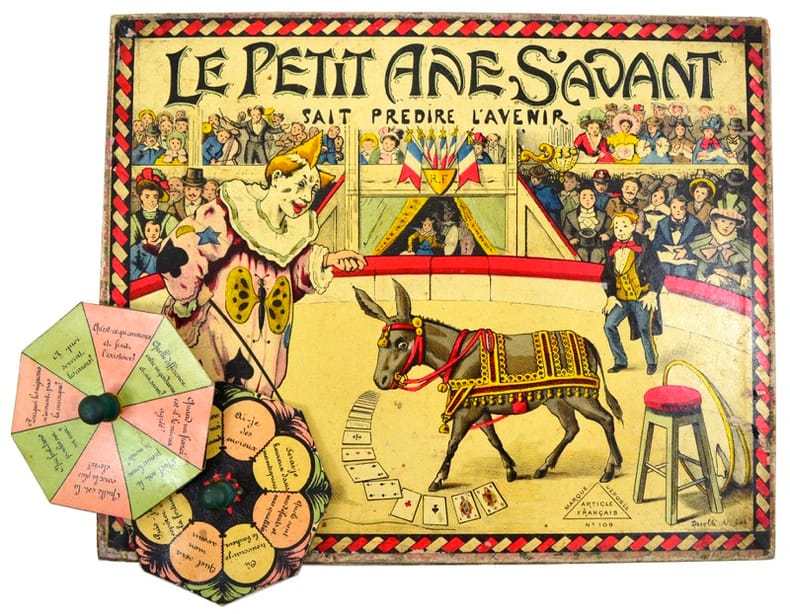
190012632Léon Saussine, [Circa 1900]. Boîte (22 x 27 x 5,5 cm) Boîte bois-carton, chromolithographie sur le couvercle.
ORD-2452La Haye. Abraham Troyel. 1694. Suivi de: PARIBONNA Innocentio Libro delle finte sorti, Ouero Indouinala Grillo, nel quale per opera di versi compartiti per Aritmetica, si risponde à molte curiose dimande. Inventione, la qual serve per trastullarsi, e passar il tempo i, ogni honorevole conversatione du Dame, e Cavalieri...In Venetia et in Bassano. Remondini. 1679 (sur la dernière page). 2 ouvrages en 1 volume in-12 (90 x 142mm) plein vélin écru à rabats, titre du 1er ouvrage manuscrit sur le dos, tranches mouchetées de bleu, Titre frontispice gravé par Caspar Luyken, titre imprimé en rouge et noir avec vignette légendée Indefessus. Agendo. 18ff.n.ch., 169 pages et 4 pages de catalogue de l'éditeur pour le 1er ouvrage. Pour le second: titre en noir orné d'une vignette, 4ff.n.ch., entre le 3e et le 4e feuillet une feuille doublée de papier fort porte une table circulaire chiffrée de 1 à 18 et percée au centre d'un petit trou ou l'on devait sans doute placer une aiguille mobile, 71, (1) pages. Bel exemplaire de ces 2 ouvrages de numérologie qui donnent des réponses à toutes sortes de questions.
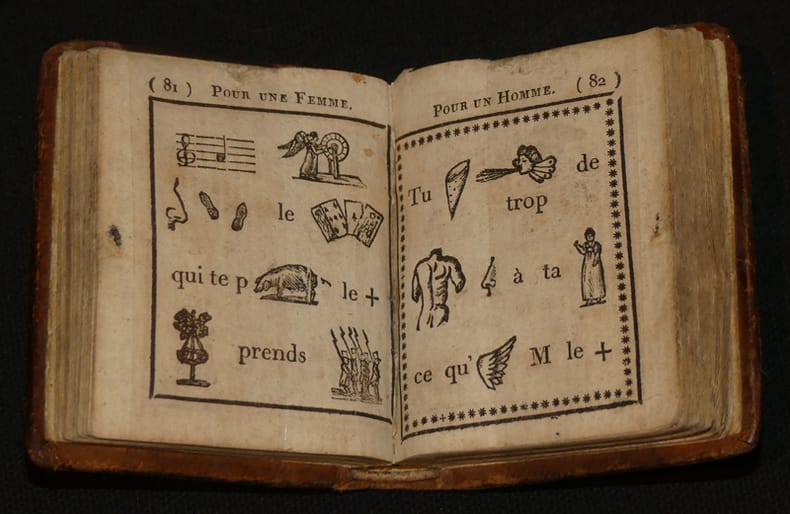
vd1412A Lille, chez Castiaux, Libraire Relié Très curieux minuscule (5.5 * 7 cm) relié pleine basane brune, dos lisse orné, pièce de titre, comprenant 7 pages non chiffrées contenant le frontispice (Les oracles de l'amour sont fait pour divertir), la page de titre, la manière de se servir du petit oracle des amans et l'avis au lecteur, puis 154 pages paginées contenant les rébus, puis 25 pages non paginées contenant la signification de quelques figures peu usitées, puis l'explication des oracles (traduction des rébus). Sans date. La British Library décrit une autre édition datant de 1822 et contenant un calendrier grégorien pour 1823, tout comme le CCFR d'ailleurs. Nous pouvons donc dire sans trop se tromper et en compte tenu de l'aspect des bois gravés que ce livre date des années 1820. Est-il sorti avant ou après l'autre édition ? L'ouvrage a été imprimé chez de Blocquel à Lille ; reliure portant les marques du temps, rare ouvrage bien conservé. Livraison a domicile (La Poste) ou en Mondial Relay sur simple demande.
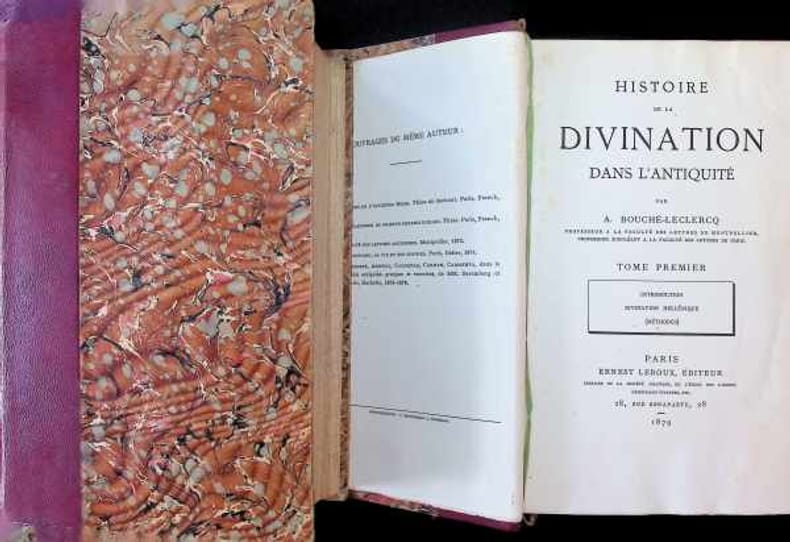
1879027983Paris 1879 Ernest Leroux Half-Leather (Hardcover)
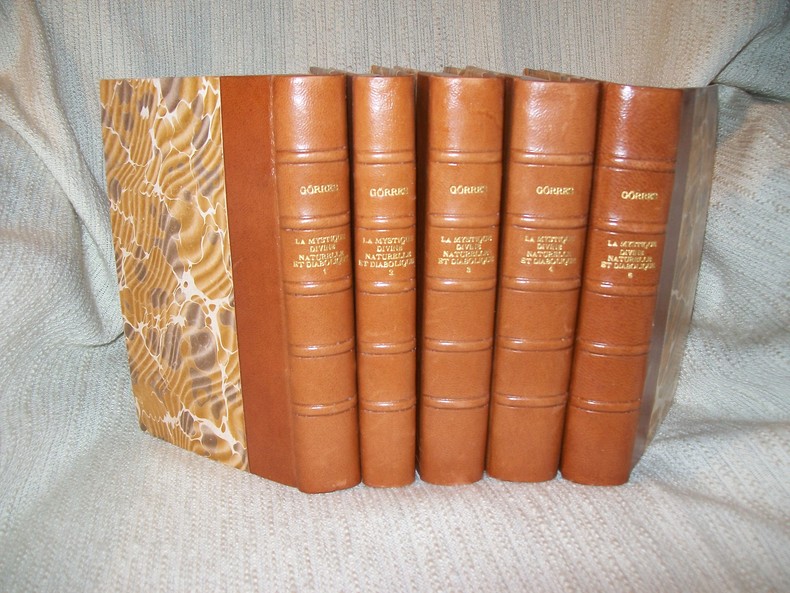
1861GITf392Paris Librairie de Mme Ve Poussielgue-Rusand 1861-1862. 5 volumes in-12 496, 414, 535, 619 et 584pp. Demi basane fauve, dos à nerfs, plats de la couverture conservés, reliure postérieure. Quelques rousseurs par endroits. Bel exemplaire bien complet des volumes et de leur texte, dans une reliure sobre postérieure de bonne qualité et en très bon état.
1972110930New Hyde Park, N. Y., University Books Inc. 1972 In-8 21 x 14 cm. Reliures éditeur toile vert pâle, sous jaquettes blanches imprimées, XII-249-XIV-277 pp., sommaires. Tampons et traces de ruban adhésif en pages de garde. Exemplaires en bon état.
19801233021980 Editions Club du Livre, Paris - 1980 - Fort in-quarto, pleine basane lie-de-vin estampée de l'éditeur, avec des représentation des signes astrologiques, tranche de tête dorée, reliure sous chemise demi basane, plats toilés noirs, dans un emboitage toilé noir avec ourlets en cuir sur l'ouverture - Exemplaire numéroté sur Arches 98/313, exemplaire signé par Jacquot - Sans pagination - Lithographies originales de Jacquot hors-texte en couleurs
1704118802streel 1704 A Liege, Chez H. Streel, 1704, 1 volume in-12 de 85x150 mm environ, (5) ff., 523 pages, (2) ff. (nombreuses erreurs de pagination, sans manque). Demi basane, dos long long portant titres dorés sur pièce de cuir vert, gardes blanches. Reliure frottée, cuir abimé, feuillets courts de marge en fin de volume, trace de mouillure, 1 feuillet de table intercalé p. 515, sinon état convenable.
399 pages plus fold-out maps at back. Three black and white photographic plates. Glossarial index. Inscribed and signed atop half-title page using wording which suggests it is in the author's hand, yet the signature does not appear to match. No other markings. Average wear. Binding intact. A sound copy. Book
Generously illustrated with black and white photos and illustrations. Features: America's Murder Gangs Unmasked - A striking revelation of the forces at work behind the "murder-gangs," or organized criminal syndicates, of New York, Chicago, and other large American cities; My Menagerie - Photo-illustrated article about D. Maule and his odd experiences with his collection of animals, acquired in the wilds of Rhodesia; "Square-Pegs" - Part III of a story which should be studied by everyone considering settling in Canada - in this case a London family purchases a prairie farm; The Crowing Cock - How two Buddhist priests unmasked a cunning thief by a clever piece of 'divination'; on the outskirts of Colombo, Ceylon; Room Forty-Nine - A dangerous experience for an Englishman in Mexico; "Kruger's" Day Out - A bold, bad baboon is unfastened by mischievous troopers in South Africa; Hunting the "Moonshiners" - Interesting stories from the officers tasked with suppressing the flow of illegal liquor in the Prohibition-era United States - with photos; Photo of communal bakery in Brittany; "Tiger" - After 11 years in Malaya William Hodge saw his first live tiger; Two Girls on the Frontier - Part I - Two city-bred sisters take up homesteading in South Dakota - with photos; Nik's Homecoming - Life and death in a remote Albanian village last August is described, with photos, by Lieut-Colonel P.T. Etherton; Mart Dayton's Grizzly - It took him a year but he finally took revenge on the bear that killed his young partner in the remote MacGregor country in British Columbia; The Bridge-Builders - Two men knowing nothing of the business take on a contract to build a bridge across an obscure river in the wilds of Africa; Fire-Walkers of Mauritius - A Photo-illustrated account of an extraordinary ceremony; In Quest of Gold - Part II - Two young Americans in search of buried treasure are forced to turn around by the dreaded Yaqui Indians. 84 pages plus 16 pages of nostalgic ads. Unmarked with average wear. A sound copy of this fascinating vintage issue. Book
19812091502135413297Hubangi Publishing House 1981. Soft Cover. Fine. Number of books: 5 Hubangi Publishing House paperback
175795185Paris, Chez les Frères Estienne 1757 2 volumes. In-12 17,5 x 10 cm. Reliures de l’époque plein veau havane marbré, dos à nerfs encadrés de fers dorés, pièces de titre cuir grenat, XXXVII-518-515 pp., 24 planches, toutes dans le volume I. Reliures frottées, manque 2 pièces de titre sur 4, intérieur frais.
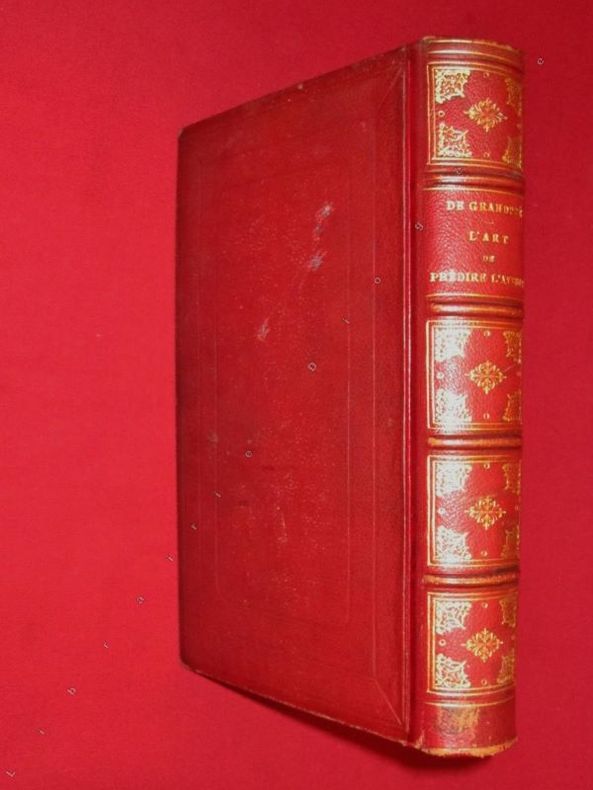
98335A. Fayard, Paris, 1880, 1 volume in-8 de 245x155 mm environ, 512 pages, demi-chagrin rouge d'époque, dos à nerfs portant titres dorés, orné de caissons à motifs dorés, gardes marbrées. Avec des illustrations dans le texte. Plats salis, internes fendus, des rousseurs sur certaines pages, quelques petits défauts de marges, 2 feuillets détachés (339-342), déchirure sans manque p. 362.