Comic Opera in Three ActsBiblio.com
1 196 résultats
1334481091.Gpaperback. Good. Access codes and supplements are not guaranteed with used items. May be an ex-library book. paperback
1334379114.Gpaperback. Good. Access codes and supplements are not guaranteed with used items. May be an ex-library book. paperback
0266094651.Gpaperback. Good. Access codes and supplements are not guaranteed with used items. May be an ex-library book. paperback
195664860San Francisco: San Francisco Opera 1956. USA INSCRIBED BY Boris Christoff to page 33 tea or coffee spill to pages 33/ 34 thus Good used copy. Paper cover with notes by previous owner in ink to cover side stapled 64pp. Local ads. This season's prgramme feature Falstaff starring Leonard Warren and Elisabeth Swchwarzkopf Francesca da Rimini with Leyla Gencer and Ricard Martell Boris Godounoff with Rosalind Nadel and Boris Christoff. 1.2 JM ITF2 DOCKET 22. Inscribed By Artist. Paperback. Good. 8vo - over 7¾" - 9¾". San Francisco Opera Paperback
9909Edinburgh le 6 Décembre 1869.' On Nadar's carte de visite 'Nadar 35 Boulevart sic des Capucines PARIS.'. Albumen printh 8.5 x 5.5 cm laid down on card 10.5 x 6 cm. In fair condition: lightly faded on slightly-aged card. Card printed in red on both sides with Nadar's address and facsimile signature on reverse and his initial within the border containing the photograph on the other side. Head and shoulders shot of the singer staring at the viewer in a dark dress attached at the neck. Beneath the image on both print and card Nilsson has written 'offert à Mr Montiguani par signed Christine Nillson Edinburgh le 6 Décembre 1869.' An apparently-uncommon portrait for both sitter and photographer. See Image. Edinburgh le 6 Décembre 1869.' On Nadar's carte de visite, 'Nadar | 35, Boulevart [sic] des Capucines | PARIS.' unknown
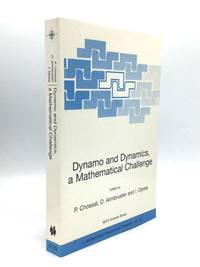
200174689Dordrecht: Kluwer Academic Publishers 2001. Trade paperback. Fine. Nato Science Series II: Mathematics Physics and Chemistry Volume 26. Octavo: 390 p. with textual figures. Original paper wrappers. A fine copy. Kluwer Academic Publishers unknown
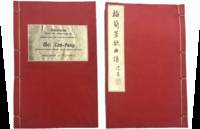
1929AG20057<p><br /></p><p><b>SELECTIONS FROM REPERTOIRE OF OPERATIC SONGS AND TERPSICHOREAN MELODIES OF MEI LAN-FANG - by Professor Liu T</b><b>'</b><b>ien. Hua </b><b>梅兰芳æŒæ›²è°±</b></p><p>Published in 1929 specially edited and printed for Mei Lan-Fang's performance in the United States. Mei Lan-Fang was invited by America in the winter of 1929 to help the people better understand Chinese Opera the master of Chinese songs Liu Tianhua produced two volumes of books one in Chinese 126pp. and the other in English 118pp. which includes 18 Kunqu Opera with music script and score. Signed and stamped by the Author on the English version 1050 copies printed and only 50 copies were signed this is No. 43 on Chinese art paper 4to matching red silk sewn thread binding with printed gold paper labels very fine condition. </p><p><br /></p><p>本套书å°åˆ·äºŽ1929年,共分为2册,精装,æ¤ä¹¦ä¸ºæ¢…兰芳赴美演出特制,共1050部,其ä¸çš„50部为æˆåŒ–宣纸å°åˆ¶ï¼Œåˆ—有编å·ï¼Œç¬¬ä¸€å·ä»·æ ¼äº”百美元,二至五åå·ä¸€ç™¾ç¾Žå…ƒï¼Œæ¤å¥—为50部ä¸çš„第43å·ï¼Œæœ‰åˆ˜å¤©åŽäº²å°å¹¶è‹±æ–‡ç¾å。两套书分别为ä¸è‹±æ–‡ç‰ˆï¼Œå…±æ”¶å½•äº†18æ¡æ˜†æ›²çš„å”±è¯ã€å”±è…”工尺谱和五线谱,历ç»æ•°æœˆå®Œæˆ å“相如新,ä¿å˜å¦‚æ¤å®Œå¥½çš„éžå¸¸å°‘è§ã€‚</p> paperback
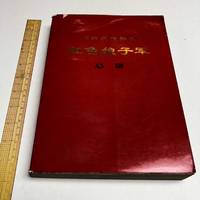
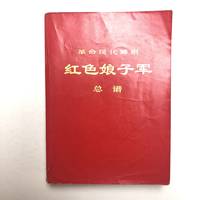
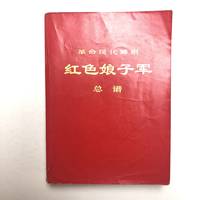
1970AG-10062<p><b><i>Red Detachment of Women full Score </i></b><b><i>红色娘å军总谱</i></b><b><i> Hong Se Niang Zi Jun</i></b><br /></p><p>Beijing: Published by People's Publishing House printed by Beijing Xinhua Printing Factory distributed by Xinhua Bookstore December 1970<b> FIRST EDITION</b>. The July 1970 Script Revised and Performed Collectively by Shanghai Peking Opera Troupe. 25×18 cm. xiv 534 1 pp. Colophon. Quotations from Chinaman Mao on the second and third page printed red tilted wrappers <i>minor tear to the cover slight tears to the foot of the binding else very fine condition.</i></p><p>北京:人民出版社,1970å¹´12月第一版,新åŽä¹¦åº—å‘行。本总谱由上海京剧演出团于1970年演出本集体改编,å‰ä¸¤é¡µå¸¦æœ‰æ¯›ä¸»å¸è¯å½•ï¼Œä¹¦çš®æœ‰è½»å¾®ç£¨æŸï¼Œå…¶ä»–å“相éžå¸¸å¥½ã€‚</p><p>In China revolutionary operas or model operas Chinese: yangban xi æ ·æ¿æˆ were a series of shows planned and engineered during the Cultural Revolution 1966–1976 by Jiang Qing the wife of Chairman Mao Zedong. They were considered revolutionary and modern in terms of thematic and musical features when compared with traditional Chinese operas. Many of them were adapted to film.</p><p>Originally eight revolutionary operas Chinese: Ba Ge Yangban Xi å…«ä¸ªæ ·æ¿æˆ were produced eighteen by the end of the period. Instead of the "emperors kings generals chancellors maidens and beauties" of the traditional Peking opera which was banned as "feudalistic and bourgeois" they told stories from China's recent revolutionary struggles against foreign and class enemies. They glorified the People's Liberation Army and the bravery of the common people and showed Mao Zedong and his thought as playing the central role in the victory of socialism in China. Although they originated as operas they soon appeared on LPs in comic books lianhuanhua on posters postcards and stamps; on plates teapots wash basins cigarette packages vases and calendars. They were performed or played from loudspeakers in schools factories and fields by special performing troupes. The Eight Model Operas dominated the stage in all parts of the country during these years leading to the joke "Eight hundred million people watched eight shows."</p><p>本组剧本属于文é©æ—¶æœŸçš„å…«å¤§æ ·æ¿æˆï¼Œç”±æ¯›ä¸»å¸å¤«äººæ±Ÿé’负责制作和演出。很多被æ‹æˆäº†ç”µå½±ã€‚</p><p>最åˆæœ‰å…«ä¸ªæ ·æ¿æˆï¼ŒåŽæ¥åœ¨æ–‡é©æ—¶æœŸçš„åŽæœŸå‘展到了18个。ä¸åƒå› å°å»ºå’Œèµ„产阶级的被ç¦äº†çš„ä¼ ç»Ÿäº¬å‰§ï¼Œé‡Œé¢å‡ºçŽ°çš„ä¸çš„国王大臣少女和美人,é©å‘½çŽ°ä»£äº¬å‰§ä¸»è¦è®²è¿°ä¸å›½è¿‘å¹´æ¥çš„抗战故事,宣扬人民解放军的光辉è£è€€å’Œæ¯›ä¸»å¸çš„英勇。虽然是京剧,很快就å˜æˆäº†å„ç§å½¢å¼å‡ºçŽ°åœ¨è¿žçŽ¯ç”»ã€æµ·æŠ¥ã€æ˜Žä¿¡ç‰‡ã€é‚®ç¥¨ã€é¦™çƒŸã€èŠ±ç“¶ã€æ—¥åŽ†ç‰å„ç§åœ°æ–¹ï¼Œç”¨æ‰©éŸ³å–‡å在å¦æ ¡ã€å·¥åŽ‚ç‰åœ°æ–¹ï¼Œç”±æ¼”出团进行表演。8ä¸ªæ ·æ¿æˆä¸»å¯¼äº†å…¨å›½æ‰€æœ‰çš„舞å°ï¼Œå› æ¤æœ‰äº†8亿人看8个剧的笑è¯ã€‚</p> People’s Publishing House paperback
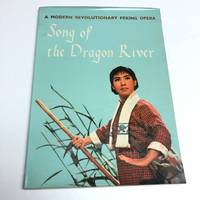
1972AG-10060<p>Beijing: Published by Foreign Language Press 1972 <b>FIRST EDITION</b> the January 1972 Script Revised by the Song of the Dragon River Group of Shanghai. Started with Quotation from Chairman Mao on the first page large 8vo xii 44 pp. 12 colophon fine condition <i>fine condition</i><br /></p><p>北京:外è¯å‡ºç‰ˆç¤¾å‡ºç‰ˆï¼Œ1972年第一版,由上海《龙江颂》改编,开头带有毛主å¸è¯å½•ã€‚本册共44页12页彩色舞å°ç…§ç‰‡ï¼Œå“相éžå¸¸å¥½ã€‚</p><p>In China revolutionary operas or model operas Chinese: yangban xi æ ·æ¿æˆ were a series of shows planned and engineered during the Cultural Revolution 1966–1976 by Jiang Qing the wife of Chairman Mao Zedong.1 They were considered revolutionary and modern in terms of thematic and musical features when compared with traditional Chinese operas. Many of them were adapted to film.</p><p>Originally eight revolutionary operas Chinese: Ba Ge Yangban Xi å…«ä¸ªæ ·æ¿æˆ were produced eighteen by the end of the period. Instead of the "emperors kings generals chancellors maidens and beauties" of the traditional Peking opera which was banned as "feudalistic and bourgeois" they told stories from China's recent revolutionary struggles against foreign and class enemies. They glorified the People's Liberation Army and the bravery of the common people and showed Mao Zedong and his thought as playing the central role in the victory of socialism in China. Although they originated as operas they soon appeared on LPs in comic books lianhuanhua on posters postcards and stamps; on plates teapots wash basins cigarette packages vases and calendars. They were performed or played from loudspeakers in schools factories and fields by special performing troupes. The Eight Model Operas dominated the stage in all parts of the country during these years leading to the joke "Eight hundred million people watched eight shows."</p><p>本剧本属于文é©æ—¶æœŸçš„å…«å¤§æ ·æ¿æˆï¼Œç”±æ¯›ä¸»å¸å¤«äººæ±Ÿé’负责制作和演出。很多被æ‹æˆäº†ç”µå½±ã€‚</p><p>最åˆæœ‰å…«ä¸ªæ ·æ¿æˆï¼ŒåŽæ¥åœ¨æ–‡é©æ—¶æœŸçš„åŽæœŸå‘展到了18个。ä¸åƒå› å°å»ºå’Œèµ„产阶级的被ç¦äº†çš„ä¼ ç»Ÿäº¬å‰§ï¼Œé‡Œé¢å‡ºçŽ°çš„ä¸çš„国王大臣少女和美人,é©å‘½çŽ°ä»£äº¬å‰§ä¸»è¦è®²è¿°ä¸å›½è¿‘å¹´æ¥çš„抗战故事,宣扬人民解放军的光辉è£è€€å’Œæ¯›ä¸»å¸çš„英勇。虽然是京剧,很快就å˜æˆäº†å„ç§å½¢å¼å‡ºçŽ°åœ¨è¿žçŽ¯ç”»ã€æµ·æŠ¥ã€æ˜Žä¿¡ç‰‡ã€é‚®ç¥¨ã€é¦™çƒŸã€èŠ±ç“¶ã€æ—¥åŽ†ç‰å„ç§åœ°æ–¹ï¼Œç”¨æ‰©éŸ³å–‡å在å¦æ ¡ã€å·¥åŽ‚ç‰åœ°æ–¹ï¼Œç”±æ¼”出团进行表演。8ä¸ªæ ·æ¿æˆä¸»å¯¼äº†å…¨å›½æ‰€æœ‰çš„舞å°ï¼Œå› æ¤æœ‰äº†8亿人看8个剧的笑è¯ã€‚</p><p><br /></p> Foreign Language Press
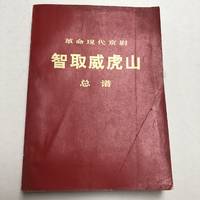
1971AG10051<p>Beijing: Published by People's Publishing House printed by Beijing Xinhua Printing Factory distributed by Xinhua Bookstore August 1971<b> FIRST EDITION</b>. The July 1970 Script Revised and Performed Collectively by Shanghai Peking Opera Troupe. 8vo. xii 425 3 pp. Colophon. Quotations from Chinaman Mao on the second and third page. Printed red tilted wrappers <i>minor crease to the cover minor tear to the foot of the binding else fine condition.</i><br /></p><p>《智å–å¨è™Žå±±ã€‹æ€»è°±</p><p>北京: 人民出版社出版,å‰2页带有毛主å¸è¯å½•ï¼Œ1971å¹´8月出版,由上海京剧团《智å–å¨è™Žå±±ã€‹å‰§ç»„改å˜é›†ä½“演出,1970年演出本。第一版第一å°ã€‚å°çš®ç¨å¾®æœ‰åˆ’痕,其他完好。</p><p>In China revolutionary operas or model operas Chinese: yangban xi æ ·æ¿æˆ were a series of shows planned and engineered during the Cultural Revolution 1966–1976 by Jiang Qing the wife of Chairman Mao Zedong.1 They were considered revolutionary and modern in terms of thematic and musical features when compared with traditional Chinese operas. Many of them were adapted to film.</p><p>Originally eight revolutionary operas Chinese: Ba Ge Yangban Xi å…«ä¸ªæ ·æ¿æˆ were produced eighteen by the end of the period. Instead of the "emperors kings generals chancellors maidens and beauties" of the traditional Peking opera which was banned as "feudalistic and bourgeois" they told stories from China's recent revolutionary struggles against foreign and class enemies. They glorified the People's Liberation Army and the bravery of the common people and showed Mao Zedong and his thought as playing the central role in the victory of socialism in China. Although they originated as operas they soon appeared on LPs in comic books lianhuanhua on posters postcards and stamps; on plates teapots wash basins cigarette packages vases and calendars. They were performed or played from loudspeakers in schools factories and fields by special performing troupes. The Eight Model Operas dominated the stage in all parts of the country during these years leading to the joke "Eight hundred million people watched eight shows."</p><p>本剧是文é©æ—¶æœŸçš„å…«å¤§æ ·æ¿æˆä¹‹ä¸€ã€Šæ™ºå–å¨è™Žå±±ã€‹ï¼Œç”±æ¯›ä¸»å¸å¤«äººæ±Ÿé’负责制作和演出。很多被æ‹æˆäº†ç”µå½±ã€‚</p><p>最åˆæœ‰å…«ä¸ªæ ·æ¿æˆï¼ŒåŽæ¥åœ¨æ–‡é©æ—¶æœŸçš„åŽæœŸå‘展到了18个。ä¸åƒå› å°å»ºå’Œèµ„产阶级的被ç¦äº†çš„ä¼ ç»Ÿäº¬å‰§ï¼Œé‡Œé¢å‡ºçŽ°çš„ä¸çš„国王大臣少女和美人,é©å‘½çŽ°ä»£äº¬å‰§ä¸»è¦è®²è¿°ä¸å›½è¿‘å¹´æ¥çš„抗战故事,宣扬人民解放军的光辉è£è€€å’Œæ¯›ä¸»å¸çš„英勇。虽然是京剧,很快就å˜æˆäº†å„ç§å½¢å¼å‡ºçŽ°åœ¨è¿žçŽ¯ç”»ã€æµ·æŠ¥ã€æ˜Žä¿¡ç‰‡ã€é‚®ç¥¨ã€é¦™çƒŸã€èŠ±ç“¶ã€æ—¥åŽ†ç‰å„ç§åœ°æ–¹ï¼Œç”¨æ‰©éŸ³å–‡å在å¦æ ¡ã€å·¥åŽ‚ç‰åœ°æ–¹ï¼Œç”±æ¼”出团进行表演。8ä¸ªæ ·æ¿æˆä¸»å¯¼äº†å…¨å›½æ‰€æœ‰çš„舞å°ï¼Œå› æ¤æœ‰äº†8亿人共看8个剧的笑è¯ã€‚</p> People’s Publishing House paperback
1971AG-10054<p>Beijing: Published by People's Publishing House printed by Beijing Xinhua Printing Factory distributed by Xinhua Bookstore January 1971 <b>FIRST EDITION</b>. The July 1970 Script Revised and Performed Collectively by Shanghai Peking Opera Troupe. 8vo vi 397 pp. colophon consists of scripts stage photos selected theme score stage action instruction and the stage design started with quotations from Chairman Mao on the second and third page printed color stage photos and instructions inside printed pictorial wrappers <i>slightly curled at the head and foot of the wrappers else very good condition.</i><br /></p><p><i>北京:人民出版社出版,1971年第一版,由上海京剧团《智å–å¨è™Žå±±ã€‹å‰§ç»„集体改编åŠæ¼”出。本书包括了剧本ã€ä¸»æ—‹å¾‹ã€å‰§ç…§ã€åŠ¨ä½œæŒ‡å¯¼ã€èˆžå°ç¾Žæœ¯ç‰å†…容。包括éžå¸¸å¤šçš„照片。书皮上下ç¨å¾®å·èµ·ï¼Œæ— ç ´æŸï¼Œå“相éžå¸¸å¥½ã€‚</i></p><p>In China revolutionary operas or model operas Chinese: yangban xi æ ·æ¿æˆ were a series of shows planned and engineered during the Cultural Revolution 1966–1976 by Jiang Qing the wife of Chairman Mao Zedong.1 They were considered revolutionary and modern in terms of thematic and musical features when compared with traditional Chinese operas. Many of them were adapted to film.<br /></p><p>Originally eight revolutionary operas Chinese: Ba Ge Yangban Xi å…«ä¸ªæ ·æ¿æˆ were produced eighteen by the end of the period. Instead of the "emperors kings generals chancellors maidens and beauties" of the traditional Peking opera which was banned as "feudalistic and bourgeois" they told stories from China's recent revolutionary struggles against foreign and class enemies. They glorified the People's Liberation Army and the bravery of the common people and showed Mao Zedong and his thought as playing the central role in the victory of socialism in China. Although they originated as operas they soon appeared on LPs in comic books lianhuanhua on posters postcards and stamps; on plates teapots wash basins cigarette packages vases and calendars. They were performed or played from loudspeakers in schools factories and fields by special performing troupes. The Eight Model Operas dominated the stage in all parts of the country during these years leading to the joke "Eight hundred million people watched eight shows."</p><p>本剧是文é©æ—¶æœŸçš„å…«å¤§æ ·æ¿æˆä¹‹ä¸€ã€Šæ™ºå–å¨è™Žå±±ã€‹ï¼Œç”±æ¯›ä¸»å¸å¤«äººæ±Ÿé’负责制作和演出。很多被æ‹æˆäº†ç”µå½±ã€‚</p><p>最åˆæœ‰å…«ä¸ªæ ·æ¿æˆï¼ŒåŽæ¥åœ¨æ–‡é©æ—¶æœŸçš„åŽæœŸå‘展到了18个。ä¸åƒå› å°å»ºå’Œèµ„产阶级的被ç¦äº†çš„ä¼ ç»Ÿäº¬å‰§ï¼Œé‡Œé¢å‡ºçŽ°çš„ä¸çš„国王大臣少女和美人,é©å‘½çŽ°ä»£äº¬å‰§ä¸»è¦è®²è¿°ä¸å›½è¿‘å¹´æ¥çš„抗战故事,宣扬人民解放军的光辉è£è€€å’Œæ¯›ä¸»å¸çš„英勇。虽然是京剧,很快就å˜æˆäº†å„ç§å½¢å¼å‡ºçŽ°åœ¨è¿žçŽ¯ç”»ã€æµ·æŠ¥ã€æ˜Žä¿¡ç‰‡ã€é‚®ç¥¨ã€é¦™çƒŸã€èŠ±ç“¶ã€æ—¥åŽ†ç‰å„ç§åœ°æ–¹ï¼Œç”¨æ‰©éŸ³å–‡å在å¦æ ¡ã€å·¥åŽ‚ç‰åœ°æ–¹ï¼Œç”±æ¼”出团进行表演。8ä¸ªæ ·æ¿æˆä¸»å¯¼äº†å…¨å›½æ‰€æœ‰çš„舞å°ï¼Œå› æ¤æœ‰äº†8亿人看8个剧的笑è¯ã€‚</p><p><i><br /></i></p> People’s Publishing House paperback
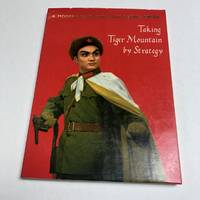
1971AG-10059<p>Beijing: Published by Foreign Language Press 1971 <b>FIRST EDITION.</b> The July 1970 Script Revised by "The Taking Tiger Mountain by Strategy" Group of Peking Opera Troupe of Shanghai. Large 8vo. XXX 113 6 pp. colophon with 3 pages Quotations from Chairman Mao. Printed pictorial wrappers <i>minor tear to the foot edge of the front cover minor curled at the head edge of the front cover else very good condition.</i><br /></p><p>北京:外文出版社出版,1971年第一版,由ä¸å›½äº¬å‰§å›¢æ ¹æ®1970年剧本è”åˆæ”¹ç¼–。å‰é¡µå¸¦æœ‰æ¯›ä¸»å¸è¯å½•ã€‚å°çš®é¡¶éƒ¨ç¨æœ‰ç£¨æŸï¼Œå…¶ä»–部分å“相éžå¸¸å¥½ã€‚</p><p><br /></p><p>In China revolutionary operas or model operas Chinese: yangban xi æ ·æ¿æˆ were a series of shows planned and engineered during the Cultural Revolution 1966–1976 by Jiang Qing the wife of Chairman Mao Zedong.1 They were considered revolutionary and modern in terms of thematic and musical features when compared with traditional Chinese operas. Many of them were adapted to film.</p><p>Originally eight revolutionary operas Chinese: Ba Ge Yangban Xi å…«ä¸ªæ ·æ¿æˆ were produced eighteen by the end of the period. Instead of the "emperors kings generals chancellors maidens and beauties" of the traditional Peking opera which was banned as "feudalistic and bourgeois" they told stories from China's recent revolutionary struggles against foreign and class enemies. They glorified the People's Liberation Army and the bravery of the common people and showed Mao Zedong and his thought as playing the central role in the victory of socialism in China. Although they originated as operas they soon appeared on LPs in comic books lianhuanhua on posters postcards and stamps; on plates teapots wash basins cigarette packages vases and calendars. They were performed or played from loudspeakers in schools factories and fields by special performing troupes. The Eight Model Operas dominated the stage in all parts of the country during these years leading to the joke "Eight hundred million people watched eight shows."</p><p>本组剧本属于文é©æ—¶æœŸçš„å…«å¤§æ ·æ¿æˆï¼Œç”±æ¯›ä¸»å¸å¤«äººæ±Ÿé’负责制作和演出。很多被æ‹æˆäº†ç”µå½±ã€‚</p><p>最åˆæœ‰å…«ä¸ªæ ·æ¿æˆï¼ŒåŽæ¥åœ¨æ–‡é©æ—¶æœŸçš„åŽæœŸå‘展到了18个。ä¸åƒå› å°å»ºå’Œèµ„产阶级的被ç¦äº†çš„ä¼ ç»Ÿäº¬å‰§ï¼Œé‡Œé¢å‡ºçŽ°çš„ä¸çš„国王大臣少女和美人,é©å‘½çŽ°ä»£äº¬å‰§ä¸»è¦è®²è¿°ä¸å›½è¿‘å¹´æ¥çš„抗战故事,宣扬人民解放军的光辉è£è€€å’Œæ¯›ä¸»å¸çš„英勇。虽然是京剧,很快就å˜æˆäº†å„ç§å½¢å¼å‡ºçŽ°åœ¨è¿žçŽ¯ç”»ã€æµ·æŠ¥ã€æ˜Žä¿¡ç‰‡ã€é‚®ç¥¨ã€é¦™çƒŸã€èŠ±ç“¶ã€æ—¥åŽ†ç‰å„ç§åœ°æ–¹ï¼Œç”¨æ‰©éŸ³å–‡å在å¦æ ¡ã€å·¥åŽ‚ç‰åœ°æ–¹ï¼Œç”±æ¼”出团进行表演。8ä¸ªæ ·æ¿æˆä¸»å¯¼äº†å…¨å›½æ‰€æœ‰çš„舞å°ï¼Œå› æ¤æœ‰äº†8亿人看8个剧的笑è¯ã€‚</p> Foreign Language Press paperback
1972203FOREIGN LANGUAGE PRESS PEKING 1972. Soft cover. As New/As New. RARE.; Book <br/> <br/> FOREIGN LANGUAGE PRESS PEKING paperback
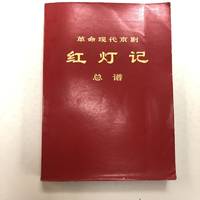
1971AG-10050<p><b><i>The Red Lantern Full Score</i></b><b><i>红ç¯è®°</i></b><b><i> Hong Deng Ji</i></b></p><p>Beijing: Published by People's Publishing House printed by Beijing Xinhua Printing Factory distributed by Xinhua Bookstore Beijing Distributing Agency,August 1971<b> FIRST EDITION</b>. The May 1970 Script Created Collectively by the China Peking Opera troupe. Quotations from Chinaman Mao on the second and third page 8vo. xii 380 2 pp. colophon printed titled wrappers <i>crease to the cover very slight tear to the foot of the binding else fine condition.</i></p><p>In China revolutionary operas or model operas Chinese: yangban xi æ ·æ¿æˆ were a series of shows planned and engineered during the Cultural Revolution 1966–1976 by Jiang Qing the wife of Chairman Mao Zedong. They were considered revolutionary and modern in terms of thematic and musical features when compared with traditional Chinese operas. Many of them were adapted to film.</p><p>京剧《红ç¯è®°ã€‹æ€»è°±</p><p>北京:人民出版社出版,ä¸å›½äº¬å‰§å›¢é›†ä½“制作,基于1970年五月演出本,第一版,书的å‰ä¸¤é¡µæœ‰æ¯›ä¸»å¸è¯å½•ï¼Œå…±380页主体内容。书皮ç¨æœ‰ä¸€é“上下方å‘折痕,其他å“相éžå¸¸å¥½ã€‚</p><p>In China revolutionary operas or model operas Chinese: yangban xi æ ·æ¿æˆ were a series of shows planned and engineered during the Cultural Revolution 1966–1976 by Jiang Qing the wife of Chairman Mao Zedong.1 They were considered revolutionary and modern in terms of thematic and musical features when compared with traditional Chinese operas. Many of them were adapted to film.</p><p>Originally eight revolutionary operas Chinese: Ba Ge Yangban Xi å…«ä¸ªæ ·æ¿æˆ were produced eighteen by the end of the period. Instead of the "emperors kings generals chancellors maidens and beauties" of the traditional Peking opera which was banned as "feudalistic and bourgeois" they told stories from China's recent revolutionary struggles against foreign and class enemies. They glorified the People's Liberation Army and the bravery of the common people and showed Mao Zedong and his thought as playing the central role in the victory of socialism in China. Although they originated as operas they soon appeared on LPs in comic books lianhuanhua on posters postcards and stamps; on plates teapots wash basins cigarette packages vases and calendars. They were performed or played from loudspeakers in schools factories and fields by special performing troupes. The Eight Model Operas dominated the stage in all parts of the country during these years leading to the joke "Eight hundred million people watched eight shows."</p><p>本剧是文é©æ—¶æœŸçš„å…«å¤§æ ·æ¿æˆä¹‹ä¸€ã€Šçº¢ç¯è®°ã€‹ï¼Œç”±æ¯›ä¸»å¸å¤«äººæ±Ÿé’负责制作和演出。很多被æ‹æˆäº†ç”µå½±ã€‚</p><p>最åˆæœ‰å…«ä¸ªæ ·æ¿æˆï¼ŒåŽæ¥åœ¨æ–‡é©æ—¶æœŸçš„åŽæœŸå‘展到了18个。ä¸åƒå› å°å»ºå’Œèµ„产阶级的被ç¦äº†çš„ä¼ ç»Ÿäº¬å‰§ï¼Œé‡Œé¢å‡ºçŽ°çš„ä¸çš„国王大臣少女和美人,é©å‘½çŽ°ä»£äº¬å‰§ä¸»è¦è®²è¿°ä¸å›½è¿‘å¹´æ¥çš„抗战故事,宣扬人民解放军的光辉è£è€€å’Œæ¯›ä¸»å¸çš„英勇。虽然是京剧,很快就å˜æˆäº†å„ç§å½¢å¼å‡ºçŽ°åœ¨è¿žçŽ¯ç”»ã€æµ·æŠ¥ã€æ˜Žä¿¡ç‰‡ã€é‚®ç¥¨ã€é¦™çƒŸã€èŠ±ç“¶ã€æ—¥åŽ†ç‰å„ç§åœ°æ–¹ï¼Œç”¨æ‰©éŸ³å–‡å在å¦æ ¡ã€å·¥åŽ‚ç‰åœ°æ–¹ï¼Œç”±æ¼”出团进行表演。8ä¸ªæ ·æ¿æˆä¸»å¯¼äº†å…¨å›½æ‰€æœ‰çš„舞å°ï¼Œå› æ¤æœ‰äº†8亿人看8个剧的笑è¯ã€‚</p><p><i><br /></i></p> People’s Publishing House paperback
1972AG-10053<p>Beijing: Published by C printed by Beijing Xinhua Printing Factory distributed by Xinhua Bookstore Beijing Distributing Agency February 1972 <b>FIRST EDITION</b> 8vo. The May 1970 Script Revised Collectively by the China Peking Opera Troupe. iv 374 pp. colophon consists of scripts stage photos selected theme score stage action instruction and the stage design started with quotations from Chairman Mao on the second and third page printed pictorial wrappers <i>slightly curled at the head and foot of the wrappers minor tears to the edge of the wrappers else fine condition.</i></p><p>北京:人民出版社出版。本书å‰ä¸¤é¡µå¸¦æœ‰æ¯›ä¸»å¸è¯å½•ï¼Œå†…容包括了剧本ã€å‰§ç…§ã€ä¸»æ—‹å¾‹ã€åŠ¨ä½œè¯´æ˜Žç‰è¯¦ç»†å†…容,由照片和文å—çš„å½¢å¼ç»„æˆï¼Œç…§ç‰‡å›¾ç‰‡å¾ˆå¤šï¼Œä¹Ÿæ˜¯æœ¬ä¹¦çš„一大特色。书皮上下两段ç¨å¾®å·èµ·ï¼Œå…¶ä»–部分å“相éžå¸¸å¥½ã€‚</p><p>In China revolutionary operas or model operas Chinese: yangban xi æ ·æ¿æˆ were a series of shows planned and engineered during the Cultural Revolution 1966–1976 by Jiang Qing the wife of Chairman Mao Zedong.1 They were considered revolutionary and modern in terms of thematic and musical features when compared with traditional Chinese operas. Many of them were adapted to film.</p><p>Originally eight revolutionary operas Chinese: Ba Ge Yangban Xi å…«ä¸ªæ ·æ¿æˆ were produced eighteen by the end of the period. Instead of the "emperors kings generals chancellors maidens and beauties" of the traditional Peking opera which was banned as "feudalistic and bourgeois" they told stories from China's recent revolutionary struggles against foreign and class enemies. They glorified the People's Liberation Army and the bravery of the common people and showed Mao Zedong and his thought as playing the central role in the victory of socialism in China. Although they originated as operas they soon appeared on LPs in comic books lianhuanhua on posters postcards and stamps; on plates teapots wash basins cigarette packages vases and calendars. They were performed or played from loudspeakers in schools factories and fields by special performing troupes. The Eight Model Operas dominated the stage in all parts of the country during these years leading to the joke "Eight hundred million people watched eight shows."</p><p>本剧是文é©æ—¶æœŸçš„å…«å¤§æ ·æ¿æˆä¹‹ä¸€ï¼Œç”±æ¯›ä¸»å¸å¤«äººæ±Ÿé’负责制作和演出。很多被æ‹æˆäº†ç”µå½±ã€‚</p><p>最åˆæœ‰å…«ä¸ªæ ·æ¿æˆï¼ŒåŽæ¥åœ¨æ–‡é©æ—¶æœŸçš„åŽæœŸå‘展到了18个。ä¸åƒå› å°å»ºå’Œèµ„产阶级的被ç¦äº†çš„ä¼ ç»Ÿäº¬å‰§ï¼Œé‡Œé¢å‡ºçŽ°çš„ä¸çš„国王大臣少女和美人,é©å‘½çŽ°ä»£äº¬å‰§ä¸»è¦è®²è¿°ä¸å›½è¿‘å¹´æ¥çš„抗战故事,宣扬人民解放军的光辉è£è€€å’Œæ¯›ä¸»å¸çš„英勇。虽然是京剧,很快就å˜æˆäº†å„ç§å½¢å¼å‡ºçŽ°åœ¨è¿žçŽ¯ç”»ã€æµ·æŠ¥ã€æ˜Žä¿¡ç‰‡ã€é‚®ç¥¨ã€é¦™çƒŸã€èŠ±ç“¶ã€æ—¥åŽ†ç‰å„ç§åœ°æ–¹ï¼Œç”¨æ‰©éŸ³å–‡å在å¦æ ¡ã€å·¥åŽ‚ç‰åœ°æ–¹ï¼Œç”±æ¼”出团进行表演。8ä¸ªæ ·æ¿æˆä¸»å¯¼äº†å…¨å›½æ‰€æœ‰çš„舞å°ï¼Œå› æ¤æœ‰äº†8亿人看8个剧的笑è¯ã€‚</p> People’s Publishing House paperback
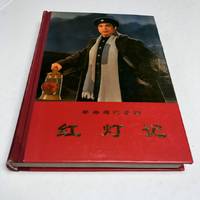
1972AG-10057<p><b><i>The Red Lantern Script</i></b><b><i>红ç¯è®°</i></b><b><i> Hong Deng Ji</i></b><br /></p><p>Beijing: Published by People's Publishing House printed by Beijing Xinhua Printing Factory distributed by Xinhua Bookstore Beijing Distributing Agency February 1972 <b>FIRST EDITION</b> 8vo. The May 1970 Script Revised Collectively by the China Peking Opera Troupe. iv374 pp. colophon consists of scripts stage photos selected theme score stage action instructions and designs beginning with quotations from Chairman Mao on the second and third pages printed pictorial stiff cover wrappers <i>fine condition.</i></p><p>京剧《红ç¯è®°ã€‹å‰§æœ¬</p><p>北京:人民出版社出版,ä¸å›½äº¬å‰§å›¢é›†ä½“制作,基于1970年五月演出本,1970å¹´12月第一版,书的å‰ä¸¤é¡µæœ‰æ¯›ä¸»å¸è¯å½•ï¼Œå…±374页主体内容。精装,å“相éžå¸¸å¥½ã€‚</p> People’s Publishing House hardcover
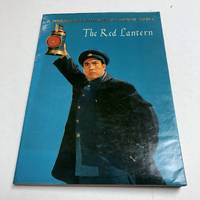
1972AG-10058<p>Beijing: Published by Foreign Language Press 1972 <b>FIRST EDITION</b>. The May 1970 Script Revised Collectively by China Peking Opera Troupe. Started with Quotation from Chairman Mao on the first page. Large 8vo. vii 98 1 pp. colophon printed pictorial wrappers<i> very good condition.</i><br /></p><p><i>北京:外文出版社出版,</i><i>1972</i><i>年第一版,由ä¸å›½äº¬å‰§å›¢æ ¹æ®</i><i>1970</i><i>年剧本è”åˆæ”¹ç¼–。å‰é¡µå¸¦æœ‰æ¯›ä¸»å¸è¯å½•ã€‚å“相éžå¸¸å¥½ã€‚</i></p><p>In China revolutionary operas or model operas Chinese: yangban xi æ ·æ¿æˆ were a series of shows planned and engineered during the Cultural Revolution 1966–1976 by Jiang Qing the wife of Chairman Mao Zedong.1 They were considered revolutionary and modern in terms of thematic and musical features when compared with traditional Chinese operas. Many of them were adapted to film.</p><p>Originally eight revolutionary operas Chinese: Ba Ge Yangban Xi å…«ä¸ªæ ·æ¿æˆ were produced eighteen by the end of the period. Instead of the "emperors kings generals chancellors maidens and beauties" of the traditional Peking opera which was banned as "feudalistic and bourgeois" they told stories from China's recent revolutionary struggles against foreign and class enemies. They glorified the People's Liberation Army and the bravery of the common people and showed Mao Zedong and his thought as playing the central role in the victory of socialism in China. Although they originated as operas they soon appeared on LPs in comic books lianhuanhua on posters postcards and stamps; on plates teapots wash basins cigarette packages vases and calendars. They were performed or played from loudspeakers in schools factories and fields by special performing troupes. The Eight Model Operas dominated the stage in all parts of the country during these years leading to the joke "Eight hundred million people watched eight shows."</p><p>本剧本属于文é©æ—¶æœŸçš„å…«å¤§æ ·æ¿æˆï¼Œç”±æ¯›ä¸»å¸å¤«äººæ±Ÿé’负责制作和演出。很多被æ‹æˆäº†ç”µå½±ã€‚</p><p>最åˆæœ‰å…«ä¸ªæ ·æ¿æˆï¼ŒåŽæ¥åœ¨æ–‡é©æ—¶æœŸçš„åŽæœŸå‘展到了18个。ä¸åƒå› å°å»ºå’Œèµ„产阶级的被ç¦äº†çš„ä¼ ç»Ÿäº¬å‰§ï¼Œé‡Œé¢å‡ºçŽ°çš„ä¸çš„国王大臣少女和美人,é©å‘½çŽ°ä»£äº¬å‰§ä¸»è¦è®²è¿°ä¸å›½è¿‘å¹´æ¥çš„抗战故事,宣扬人民解放军的光辉è£è€€å’Œæ¯›ä¸»å¸çš„英勇。虽然是京剧,很快就å˜æˆäº†å„ç§å½¢å¼å‡ºçŽ°åœ¨è¿žçŽ¯ç”»ã€æµ·æŠ¥ã€æ˜Žä¿¡ç‰‡ã€é‚®ç¥¨ã€é¦™çƒŸã€èŠ±ç“¶ã€æ—¥åŽ†ç‰å„ç§åœ°æ–¹ï¼Œç”¨æ‰©éŸ³å–‡å在å¦æ ¡ã€å·¥åŽ‚ç‰åœ°æ–¹ï¼Œç”±æ¼”出团进行表演。8ä¸ªæ ·æ¿æˆä¸»å¯¼äº†å…¨å›½æ‰€æœ‰çš„舞å°ï¼Œå› æ¤æœ‰äº†8亿人看8个剧的笑è¯ã€‚</p> Foreign Language Press paperback
1971AG10052<p>Beijing: Published by People's Publishing House printed by Beijing Xinhua Printing Factory distributed by Xinhua Bookstore May 1971 <b>FIRST EDITION.</b> The May 1970 Script Revised and Performed Collectively by China Ballet Troupe. 8vo. xiv 534 2 pp. colophon printed titled red wrappers <i>slight tears to the foot of the binding.</i></p><p>In China revolutionary operas or model operas Chinese: yangban xi æ ·æ¿æˆ were a series of shows planned and engineered during the Cultural Revolution 1966–1976 by Jiang Qing the wife of Chairman Mao Zedong.1 They were considered revolutionary and modern in terms of thematic and musical features when compared with traditional Chinese operas. Many of them were adapted to film.</p><p>Originally eight revolutionary operas Chinese: Ba Ge Yangban Xi å…«ä¸ªæ ·æ¿æˆ were produced eighteen by the end of the period. Instead of the "emperors kings generals chancellors maidens and beauties" of the traditional Peking opera which was banned as "feudalistic and bourgeois" they told stories from China's recent revolutionary struggles against foreign and class enemies. They glorified the People's Liberation Army and the bravery of the common people and showed Mao Zedong and his thought as playing the central role in the victory of socialism in China. Although they originated as operas they soon appeared on LPs in comic books lianhuanhua on posters postcards and stamps; on plates teapots wash basins cigarette packages vases and calendars. They were performed or played from loudspeakers in schools factories and fields by special performing troupes. The Eight Model Operas dominated the stage in all parts of the country during these years leading to the joke "Eight hundred million people watched eight shows."</p><p>本剧是文é©æ—¶æœŸçš„å…«å¤§æ ·æ¿æˆä¹‹ä¸€ã€Šçº¢è‰²å¨˜å军》,由毛主å¸å¤«äººæ±Ÿé’负责制作和演出。很多被æ‹æˆäº†ç”µå½±ã€‚</p><p>最åˆæœ‰å…«ä¸ªæ ·æ¿æˆï¼ŒåŽæ¥åœ¨æ–‡é©æ—¶æœŸçš„åŽæœŸå‘展到了18个。ä¸åƒå› å°å»ºå’Œèµ„产阶级的被ç¦äº†çš„ä¼ ç»Ÿäº¬å‰§ï¼Œé‡Œé¢å‡ºçŽ°çš„ä¸çš„国王大臣少女和美人,é©å‘½çŽ°ä»£äº¬å‰§ä¸»è¦è®²è¿°ä¸å›½è¿‘å¹´æ¥çš„抗战故事,宣扬人民解放军的光辉è£è€€å’Œæ¯›ä¸»å¸çš„英勇。虽然是京剧,很快就å˜æˆäº†å„ç§å½¢å¼å‡ºçŽ°åœ¨è¿žçŽ¯ç”»ã€æµ·æŠ¥ã€æ˜Žä¿¡ç‰‡ã€é‚®ç¥¨ã€é¦™çƒŸã€èŠ±ç“¶ã€æ—¥åŽ†ç‰å„ç§åœ°æ–¹ï¼Œç”¨æ‰©éŸ³å–‡å在å¦æ ¡ã€å·¥åŽ‚ç‰åœ°æ–¹ï¼Œç”±æ¼”出团进行表演。8ä¸ªæ ·æ¿æˆä¸»å¯¼äº†å…¨å›½æ‰€æœ‰çš„舞å°ï¼Œå› æ¤æœ‰äº†8亿人看8个剧的笑è¯ã€‚</p> People’s Publishing House paperback
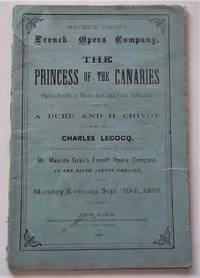
1883005670New York NY: Metropolitan Printing and Engraving Establishment. Offered is "The Princess of the Canaries: Opera Bouffe in Three Acts and Four Tableaux - Libretto by A. Duru and H. Chivot Music by Charles Lecocq - As Originally Performed for the First Time in America by Mr. Maurice Grau's French Opera Company at the Fifth Avenue Theatre on Monday Evening Sept. 10th 1883" published in 1883 by the Metropolitan Printing and Engraving Establishment out of New York City. A left-stitched soft cover measuring 6-1/2" by 9-7/8" and containing 76 pages including interior paginated pages as well as blue covers. Printed directly following the first performance in the United States by Maurice Grau's French Opera Company at the Fifth Avenue Theatre New York on Monday evening September 10 1883 it contains a list of Characters on the first inside page; the remaining pages contain the complete opera in three acts with dialogue and lyrics no music in both French and English with the French version appearing on the left page and the English version appearing on the right page. The rear cover contains a splendid vintage ad with illustration of "Weber Grand Square and Upright Pianos" "Most Delicate and Impressive Effect". Condition: the front cover is nearly detached but present; narrow chips along outer fold; covers lightly soiled; short closed edge tear and a few corner creases; closed tear to mid-rear cover; interior pages lightly foxed. Exceptionally rare. . Good. Wraps. 1st Edition. 1883. Metropolitan Printing and Engraving Establishment paperback
189967598The American Theatre January 1899. Hardcover. Good/No Jacket. Inscribed on blank facing page ' To Homer Bassford Esq St. Louis Oct 21st 1899. Compliments M.Southwell Manager C.S.Op. Co. Bassford was general manager of the St. Louis Times. book has some dusting to cover and spine edges otherwise tight and clean The American Theatre hardcover
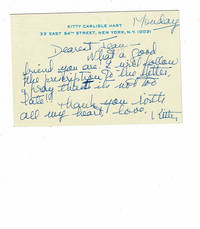
1985100069<p>New York October 8 1985. 1985. Fine. - Over 30 words penned on her embossed 4-1/8 inch high by 6-1/8 inch wide personal postcard stock. The actress Kitty Carlisle thanks her good friend City Center producer Jean Dalrymple "What a good friend you are! I will follow the prescription to the letter & pray that its sic not too late!!" Signed "Kitty". The card is addressed in her hand on the verso and postmarked from New York on October 8 1985. Fine.</p><p>Inducted into the American Theater Hall of Fame in 1999 Kitty Carlisle Hart 1910-2007 was an American stage & screen actress opera singer and television personality. A spokesperson for the arts she served on the New York State Council for the Arts for 20 years. Kitty Carlisle played the leading lady opposite Groucho in the Marx Brothers movie "A Night at the Opera" and regularly appeared on "To Tell the Truth".</p><p>Jean Dalrymple 1902-1998 was the dynamic producer and director of theater and light-opera at Manhattan's City Center. Dalrymple began her career in Vaudeville appearing with James Cagney and Cary Grant in the early 1930s. She was a founding member of the American Theatre Wing the theatre service organization. She worked over the years as a personal manager for the likes of Leopold Stokowski Mary Martin Jose Iturbi Andre Kostalanetz Nathan Milstein and Lily Pons. She began her work at City Center with its founding in 1943 serving as a board member producer and publicist. Her productions there from the 1940s through the 1960s were a revitalizing influence on the whole New York theatre scene. In 1951 Jean Dalrymple married Major-General Philip deWitt Ginder commander of the Thunderbirds in Korea. She was a friend to Presidents and entertainment personalities throughout the world.</p> New York, (October 8), 1985.
238167 January 1886; on letterhead of 17 Westbourne Street Hyde Park W. See his entry in the Oxford DNB. 1p 12mo. In fair condition lightly aged. Folded once. In a loose untidy hand. He is ‘much obliged for the note of the 4th.’ and as she wishes has sent instructions to ‘Davy’ to whom he asks her to ‘send all communications’. He is ‘very sorry indeed’ to ‘loose sic’ her as a tenant. 7 January 1886; on letterhead of 17 Westbourne Street, Hyde Park, W. unknown
906318Mississauga Ontario: Performance Media Group Ltd A Very Solid Clean Book. Published To Support The Performance Of Wagner's Ring By The Canadian Opera Company. In Near Fine Condition No Marks Or Inscriptions. Black Boards With Pictures Of Trees Silhouetted By A Prismatic Colour Circle. No Shelf Or Reading Wear. In Excellent Condition. Performance Media Group Ltd hardcover
26791Headed 75 Charing Cross Road London WC2 17 Oct. 1945. One page 8vo. He apologises for not having responded sooner but he's been "overwhelmed with work" some urgent. "I need hardly say I am delighted to become a subscriber to 'Theatre Notebook' and wish you and your colleagues every success in your venture. If I can be of help at any time in elucidating any ballet difficulty please call on me . . ." [Headed] 75 Charing Cross Road, London, WC2, 17 Oct. 1945. unknown
1528595033.Gpaperback. Good. Access codes and supplements are not guaranteed with used items. May be an ex-library book. paperback