Atlantis ( revue) -Livre Rare Book
21 résultats
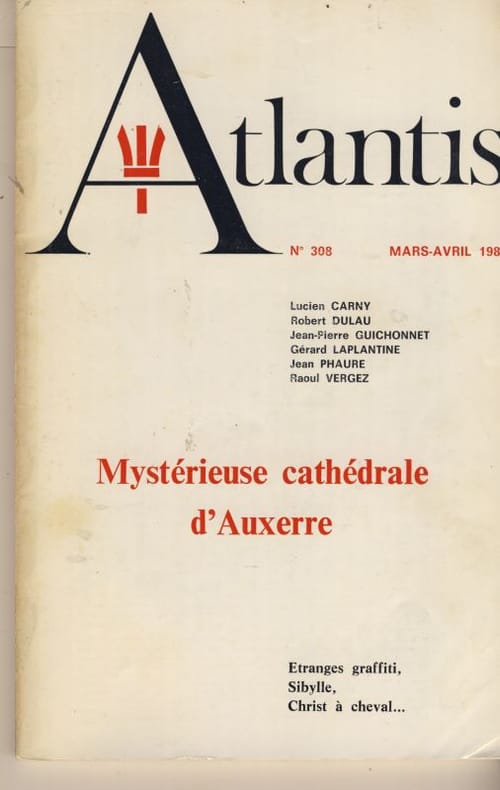
155256361552 Broché , bon état, 155 x240, 159 gr, 92 pages, N° 308, fondateur Paul Le Cour, 54 ème année, illustrations N&B : des articles de Lucien Carny, Robert Dulau, Jean-Pierre Guichonnet, Gérard Laplantine, Jean Phaure et Raoul Vergez -
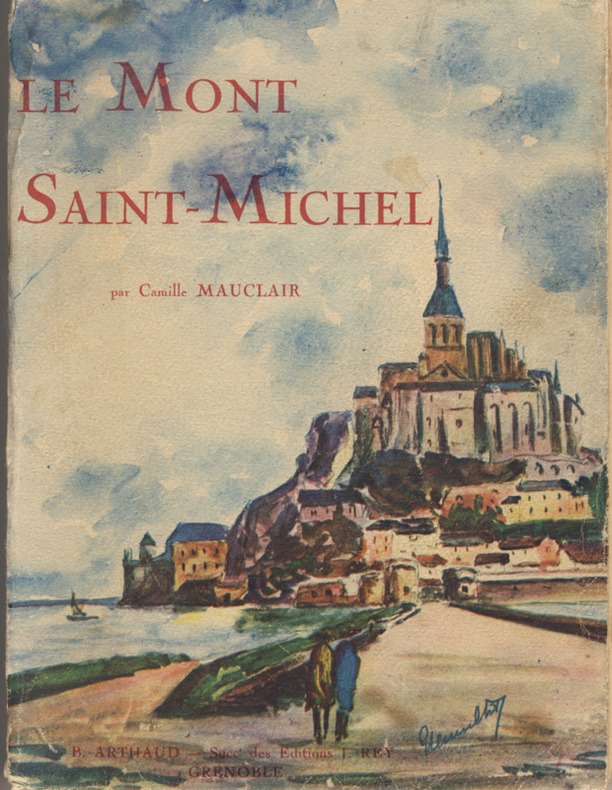
152041531520 15x20 cm, broché, 146 pages, état moyen, tout de même assez bon pour l'époque, manque un morceau au bas du dos sur 2 centimètres, couverture à rabat signée Gabriel Ducultit (aquarelliste de petit renom après-guerre), ouvrage orné de 107 héliogravures sépia, beau papier, relevés photographiques dus essentiellement à l'Abbé Gabriel Bretocq (de Rosay)
150254911502 Broché, bon état, beaucoup d'annotations crayon de papier, 150x240, 258 gr ,143 pages, Revue dirigée par Marc de smedt en hommage à Le corbusier et aux bâtisseurs des cathédrales, illustrations N&B, ISBN : 2226031138
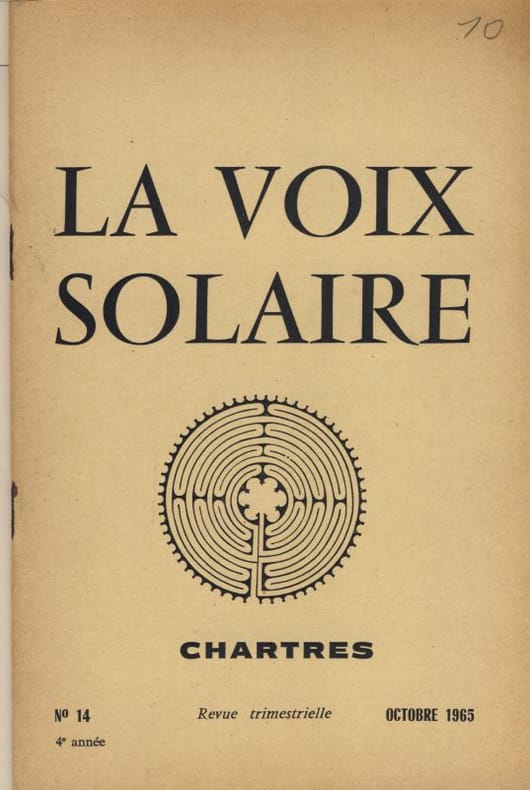
155254371552 Broché papier cartonné, excellent état, 155x235, 137 gr, 76 pages, Revue trimestrielle numéro 14, illustrations N&B.
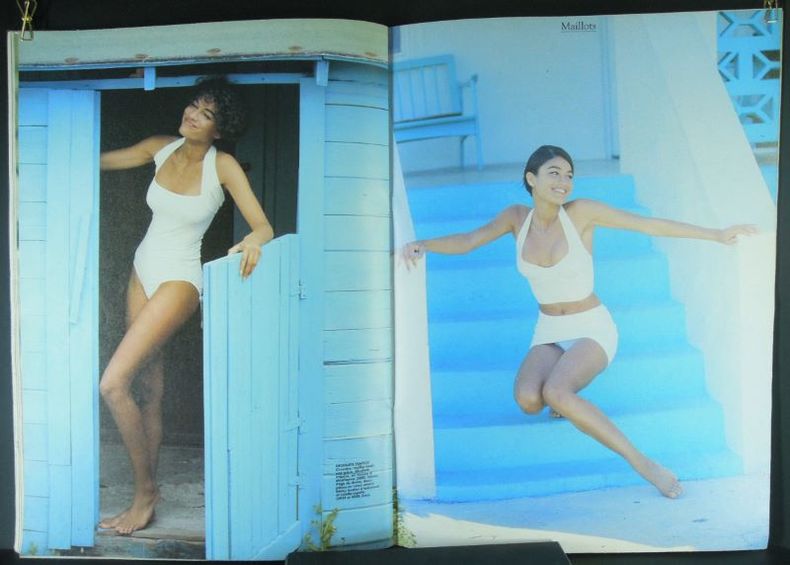
1501311501 Paris, N° 150, juin-juillet 1991, revue mensuelle Jardin des modes, 1 vol. in-folio (37,2 x 27 cm), 106 p., intitulée Ouvrez l'oeil. Au sommaire : Julie Delpy, Maryline VIgouroux, Christian Poitevin, Bernard Blistene, Jean-Michel Wilmotte, mode féminine et masculine.Le jardin des modes est fondé en 1922 par Lucien Vogel, pionnier de la presse illustrée en France. Le jardin des modes ne fait pas exception : l'image, d'abord dessinée, puis photographique à partir des années 50, tient une place centrale dans la publication. Servies par des compositions magistrales, bien souvent sur double-page, des couleurs assumées comme part inhérante de la qualité visuelle, les images sont soutenues et complétées par un travail de graphisme remarquable, également pensé comme un aspect prépondérant du plaisir de l'oeil. Textes et images font de Jardin des modes, une revue spectacle où chaque double-page est une surprise graphique. Cela est renforcé par le passage au grand format (à partir de 1979), format que nous lui connaissons encore jusqu'en 1997, année d'arrêt de la publication. Les principaux acteurs de ces choix visuels sont : Maïmé Arnodin, Jean Widmer, Jacques Moutin, Franck Horvat, Jeanloup Sief, Helmut Newton, Jean Cocteau, Louise de Vilmorin, Jean d'Ormesson à titre de directeur artistique ou collaborateur artistique. Jardin des modes se fait l'écho de la mode vestimentaire (couture et prêt-à-porter) certes, mais aussi de l'architecture, du design dans divers domaines d'application (meuble, objet, mobilier urbain...), des expositions de créateurs offrant ainsi un regard sur les avant-gardes d'où qu'elles viennent.
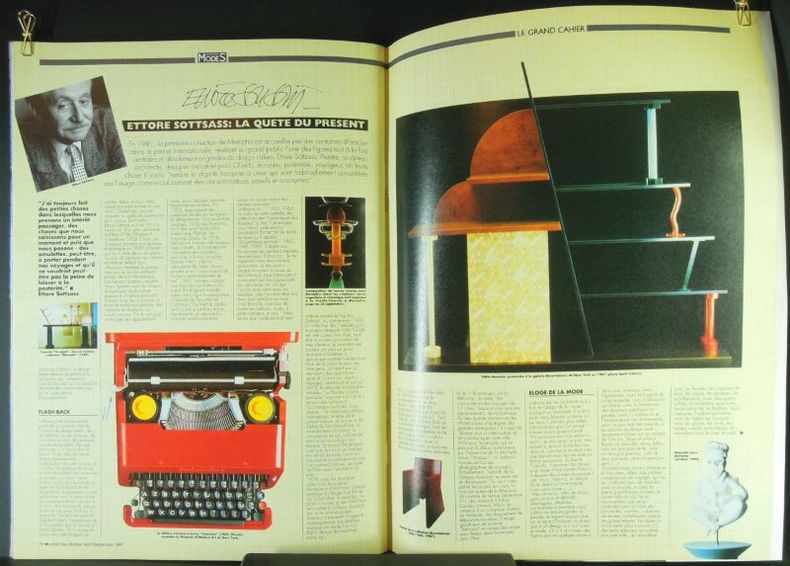
1511361511 Paris, N° 151, août-septembre 1991, revue mensuelle Jardin des modes, 1 vol. in-folio (37,2 x 27 cm), 90 p., intitulée Anne Sinclair solaire. Au sommaire : Anne Sinclair, Daniel Auteuil, le bleu, l'orange, mode féminine et masculine, Ettore Sottsass.Le jardin des modes est fondé en 1922 par Lucien Vogel, pionnier de la presse illustrée en France. Le jardin des modes ne fait pas exception : l'image, d'abord dessinée, puis photographique à partir des années 50, tient une place centrale dans la publication. Servies par des compositions magistrales, bien souvent sur double-page, des couleurs assumées comme part inhérante de la qualité visuelle, les images sont soutenues et complétées par un travail de graphisme remarquable, également pensé comme un aspect prépondérant du plaisir de l'oeil. Textes et images font de Jardin des modes, une revue spectacle où chaque double-page est une surprise graphique. Cela est renforcé par le passage au grand format (à partir de 1979), format que nous lui connaissons encore jusqu'en 1997, année d'arrêt de la publication. Les principaux acteurs de ces choix visuels sont : Maïmé Arnodin, Jean Widmer, Jacques Moutin, Franck Horvat, Jeanloup Sief, Helmut Newton, Jean Cocteau, Louise de Vilmorin, Jean d'Ormesson à titre de directeur artistique ou collaborateur artistique. Jardin des modes se fait l'écho de la mode vestimentaire (couture et prêt-à-porter) certes, mais aussi de l'architecture, du design dans divers domaines d'application (meuble, objet, mobilier urbain...), des expositions de créateurs offrant ainsi un regard sur les avant-gardes d'où qu'elles viennent.
157020511venetia, Franceschi, 1570 (Facsimile Milano a Cura di Ulrico Hoepli, 1968). Folio. Orig. full fabrikoid. with dustjacket. Having all the plates and illustr. of the original.
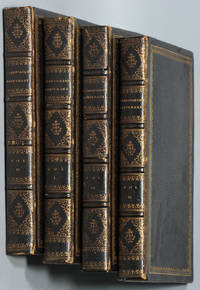
151835103London: Published for the Propietors Wm. Clark Et Al. Very Good with no dust jacket. 1815-1816. First Edition. Hardcover. B&W Illustrations; Complete IN 4 VOLS8vo full contemp gilt floral & double-fillet paneled brown strait-grained morocco richly gilt spine compartments inner dentelles gilt a. E. G. ; corners & joints occasionally rubbed. Approx 200 copper-engraved plates wood-engraved illus; moderate offsetting. 8" x 5.75". There were 3 additional volumes printed in 1817-1818. . Published for the Propietors Wm. Clark Et Al. hardcover
151953022Pittsburgh PA: Hall & Williams Studio 210 State Theatre Building 1915-1932. Oblong 4to. 10 silver gelatin linen-backed photos each w/ printed caption within negative on lower fore-edge 1 sepia-tinted several w/ photographer’s stamp on verso preserved in mylar sleeves. Recent black limp cloth post-binder gilt lettering stamped on front cover NF. This set of architectural photographs of public school projects in Pittsburgh PA document the changing city and landscape in the first three decades of the 20th century. The first image documents the Glenwood School and its annex located at 2nd Ave. and Alluvian and constructed in 1888 in the Richardson Romanesque style with brick facade and updates in 1896 and again in 1916 and demolished after World War II. The next three photos show the different expansion projects for the Larimer School originally designed in the Richardson Romanesque style by Ulysses J. Lincoln Peoples and shows the excavation in 1918 for the addition and then the George Rowland 400 seat auditorium which featured a streamlined Art Deco exterior and was completed in 1932. There are two images showing the excavation and site preparation for the Greenfield School which was delayed by World War I and construction would not be restarted until 1922 and completed in 1923. In addition there are a trio of photographs showing the new building for the Gladstone Elementary School which would turn it into a Junior High School adding 14 classrooms two recreation rooms a swimming pool and two gyms. The building was recently sold by the Pittsburgh School District for $ 250000 to be converted into apartments. The last image shows the beginning construction work on what would eventually become the Taylor Allderdice High School located in Squirrel Hill in 1924. The Hall & Williams Studio would operate until 1947 and are best remembered for their architectural photos in Pittsburgh and Philadelphia PA. See: Historic Pittsburgh University of Pittsburgh Library Archive; Sherman Cahal Larimer School Abandoned 2016. [Hall & Williams Studio, 210 State Theatre Building, hardcover
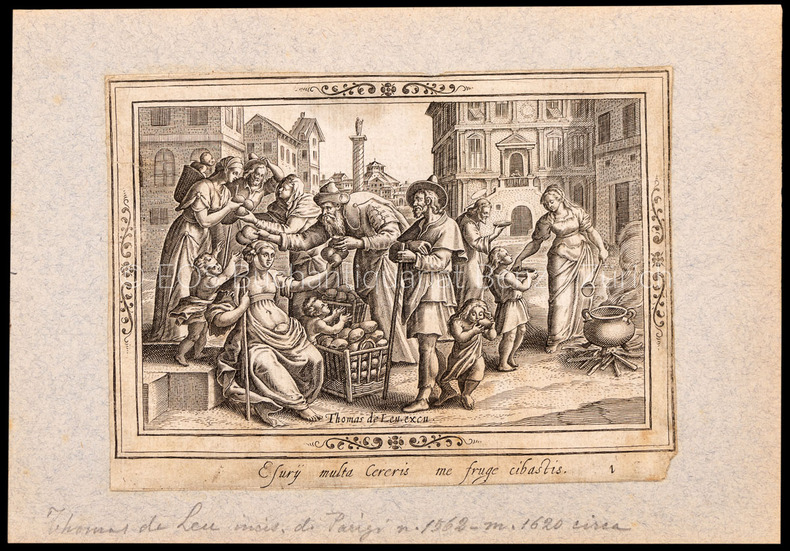
15765129CB(Paris), Thomas de Leu excu(dit), (ca. 1576-1614?). Quer-8°. (8) Bl. mit 7 num. Kupferstichen, ca. 12,3 x 16,5 cm), ausgeschnitten und am obern Rand auf der Unterlage befestigt. Pappbd. mit Buntpapierbezug, hs. Rückenschild.
15765129CB(Paris), Thomas de Leu excu(dit), (ca. 1576-1614?). Quer-8°. (8) Bl. mit 7 num. Kupferstichen, ca. 12,3 x 16,5 cm), ausgeschnitten und am obern Rand auf der Unterlage befestigt. Pappbd. mit Buntpapierbezug, hs. Rückenschild. + Wichtig: Für unsere Kunden in der EU erfolgt der Versand alle 14 Tage verzollt ab Deutschland / Postbank-Konto in Deutschland vorhanden +, A|B|C [3 Warenabbildungen]
15886821CBFlorenz, Filippo Giunti, 1588. Kl.-4°. (4) Bl., 186 S., (9) Bl. Mit Holzschnitt-Portrait, 2 versch. Holzschnittdruckermarken und zahlr. Holzschnitt-Initialen. Flexibler Pergamentband der Zeit mit 2 Schliessbändern (2 Seiten ausgerissen), handschr. Rückentitel und Papierrückenschild.
156622986Venetia Francesco Senese, & Zuane Krùger 1566 -in-4 plein-VELIN 2 OEUVRES DE SERLIO : LIBRO PRIMO [-QUINTO] D'ARCHITETTURA en 5 parties + LIBRO ESTRAORDINARIO reliées en un volume, reliure janséniste d'époque en plein vélin ivoire parcheminé in-quarto (jansenist's binding full vellum in-4) (25,5 x 18,5 cm), dos long (spine without raised band), Auteur et Titre manuscrit à l'encre brune en haut du dos (handwritten title on the spine), coins écornés, tranches lisses (smooth edges), texte en italien, LIBRO PRIMO [-QUINTO] D'ARCHITETTURA est divisé en 5 parties, orné d'un titre-frontispice gravé sur bois en noir et de 219 planches hors-texte gravées sur bois en noir par Z. Krugher (Chrieger), Traces de mouillures claires + taches brunes sur les 2 premières pages, pagination commune pour les 5 parties au feuillet : 219 Feuillets (438 pages), 1556 In Venetia, : Appresso Francesco Senese, & Zuane Krùger Alemano compagni, + LIBRO ESTRAORDINARIO, orné d'un titre-frontispice gravé sur bois en noir et de 52 planches hors-texte gravées sur bois en noir avec la description en italique en regard, Traces de mouillures claires + taches brunes en marge basse sur les 20 dernières pages, pagination au feuillet : 52 feuillets (104 pages), 1556 In Venetia, : Appresso Francesco Senese, & Zuane Krùger Alemano compagni,
156741679Venetiis, apud Franciscum Franciscium Senensem, & Joan. Crugher Germanum, 1567. In-folio de (20 dont la dernière blanche)-375- (1) pp., feuillet Q4 replié, demi-parchemin, dos lisse, pièces de titre rouge et noire (reliure du XIXe siècle).
15886821CBFlorenz, Filippo Giunti, 1588. Kl.-4°. (4) Bl., 186 S., (9) Bl. Mit Holzschnitt-Portrait, 2 versch. Holzschnittdruckermarken und zahlr. Holzschnitt-Initialen. Flexibler Pergamentband der Zeit mit 2 Schliessbändern (2 Seiten ausgerissen), handschr. Rückentitel und Papierrückenschild. + Wichtig: Für unsere Kunden in der EU erfolgt der Versand alle 14 Tage verzollt ab Deutschland / Postbank-Konto in Deutschland vorhanden +, A|B|C|D [4 Warenabbildungen]
155941682In Venetia, appresso Gio. Battista, et Marchio Sessa, fratelli, 1559. In-folio de 18 ff.Recueil de deux ouvrages reliés en un volume in-folio, parchemin, dos lisse avec titre à l'encre, tranches mouchetées de rouge (reliure moderne).
152354212(Lyon, Huyon), 1523. Small 8vo. Bound in contemp. full vellum manuscript (text on verso of vellum). remains of ties. Contemp. handwritten title on spine. Title printed in red within broad woodcut border. FF 195, (1) pp. (i.e. 179, as ff 81-96 omitted, but complete),(30) pp. + FF 22, (1) pp. (Frontinus). With ca. 150 textillustrations in woodcut, mostly half-page, but also full-page. A few leaves with contemporary annotations. 3 leaves strenghtened in outer margins, no loss of text. Light toning and faint dampstain on the first ca. 40 leaves.
1559ARCHITEC001139Benoit Prevost Lutetiae Parisiorum; Andr� Wechel Paris. 1559; 1561. First editions the first-named being the Latin issue of the French original. Large quarto. pp 32 woodcut initials full complement of 69 copper engraved plates; 4 59 of 66 plates. Period binding of full vellum. Androuet du Cerceau was among the first architects to introduce Renaissance design to France with this his first book. He founded a dynasty of architects and designers which lasted for almost two hundred years.Signs of damp to bottom margins of a number of plates in the first section. Early ownership signature scored out on front pastedown. Covers slightly rubbed. Very good indeed. [Benoit Prevost], Lutetiae Parisiorum; Andr� Wechel, Paris. hardcover
1572007446Paris Jérôme de Marnef et Guillaume Cavellat, à l'enseigne du Pelican 1572 In-Folio cuir Bon
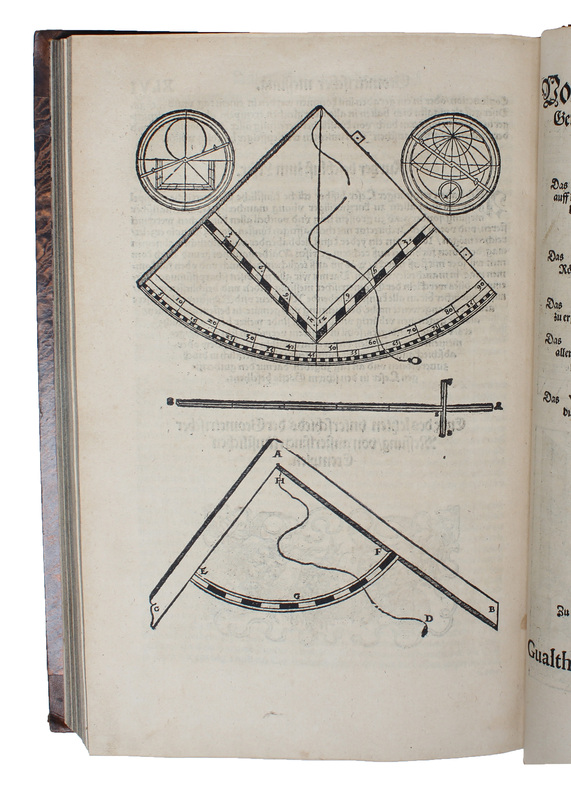
155856142Nürmberg, Gabriel Heyn, 1558. Folio. Bound in a nice later (around 1840) hcalf. Raised double bands. Gilt spine. Gilt lettering. Marbled endpapers. Stamps on foot of title-page. A sort of frontispiece (full-page) is printed on the verso of the title-page, depicting the Putto as the spirit of architecture.Title-page printed in red and black. Dedication and content (4 unnumb.lvs.) - Geometry & Perspective (Ff I-C ) - Geometrischen Büchsenmeisterei (Ff I-XLVIII.) - Befestigung (Ff I-XLIIII ) - Geometrischen Messung (Ff (4),I-XLVI,(3)) - Wag und Gewicht (Ff I-XVII) - Schnelwagen (Ff I-X) ending with colophon and woodcut printer's device. Having more than 300 (many full- and half page) fine wood-engravings executed by V. Solis, G. Pencz, H. Brosamer and Peter Floetner. Internally in extraordinary fine clean condition with only a few minor scattered brownspots. 3 leaves with a minor repair to upper right corner.
159652658Venice, Girolamo Franceschi, 1596. Folio (400x260 mm). Two parts bound in one later (presumably 19th century) sprinkled full calf with blindstamped geometrical ornamentations to boards. Leather on back board renewed. Engraved title-page neatly restored at inner margin, far from affecting imprint" old owner's inscription (""""Ex libris Ludovici A. la...""), crossed-out previous owner's name, and traces after a stamp to title-page. With Medici arms at the top and those of Sirigatti at foot of title-page, repeated on title-page of part two. As with all other copies we have been able to locate, the title-page is trimmed, affecting approximately 1 cm of the allegorical depictions in margin. Large woodcut printer's device at the end of the volume. Light occassional discolouring, but overall in very fine condition. 1 f. (allegorical frontispiece), 3 ff. (of dedication and index), 43 plates numbered with parallel text, 1 f. (large woodcut printer's device), 22 copper engraved plates (including the title-page of the second part) numbered 44-65. I.e. 65 plates in total - fully complete.