Heimann, Jim (editor)MareMagnum

323 résultats
A clean, unmarked book with a tight binding. 5 5/8"w x 7 7/8"h. 192 pages.
A clean, unmarked book with a tight binding. 6 5/8"w x 9 3/4"h. 278 pages.
1992LFA-126732639Un ouvrage de 94 pages, format 240 x 165 mm, illustré, broché couverture couleurs, publié en 1992, Editions Saint-Paul, bon état
Incisione tratta dalla celebre Icones principum, virorum, doctorum, pictorum, chalcographorum, di Anton van Dyck, edita per la prima volta ad Anversa nel 1645. Opera celebre ed importante, vero monumento dell’arte incisoria fiamminga del sec. XVIII, contiene le biografie ed i ritratti degli uomini illustri che Van Dyck aveva conosciuto e con i quali aveva avuto importanti rapporti. L’artista ne eseguì le effigi in numerosi dipinti e disegni che poi decise di pubblicare, affidandone la trasposizione calcografica ai migliori incisori del suo tempo, come Bolswert, Pontius, Vorsterman, de Jode, Hollar, molti dei quali aveva avuto come condiscepoli nell’atelier di Rubens. Acquaforte con ritocchi al bulino, stampata su carta vergata coeva, con margini, in ottimo stato di conservazione. Etching and engraving, circa 1645, signed on plate at lower edge. A fine impression, printed on contemporary laid paper, with margins, very good condition. From Icones principum, virorum, doctorum, pictorum, chalcographorum by Anton van Dyck, printed for the first time in Antwerp, 1645. A famous and important work, a real monument of the Flemish engraving art of the XVIII century, containing the biographies and portraits of the famous artists Van Dyck had met and with whom he had worked. Following the success of his portrait paintings and in the tradition of Italian and Flemish portrait series, Van Dyck decided to organise a print publication containing portraits of the most prominent men during his lifetime, divided into three categories: princes, politicians and soldiers (16), statesmen and scholars (12), artists and art connoisseurs (52). The initial idea could have been that Van Dyck would etch the faces (a process possibly learnt from Vorsterman) while others would finish the plates in engraving. Designs were needed for the plates and several drawings and oil sketches (grisailles, sometimes in different versions) have survived. Van Dyck only etched 17 plates himself, while he commissioned others to complete the set, overseen by Lucas Vorsterman I (especially after Van Dyck settled in England in the Spring of 1632). Although this project was started by Van Dyck around 1630, he never saw it completed. The Antwerp publisher Maarten van den Enden may have been involved from the start as eighty early impressions bear Van den Enden's address. They are engraved by Paulus Pontius (30 plates), Lucas Vorsterman I (22), Pieter de Jode II (12), Schelte a Bolswert (7), Robert van Voerst (4), Willem Hondius (2), Willem Jacobsz Delff (1), Cornelis Galle (1), and Nicolaes Lauwers (1). It is known that Van den Enden was in debt to Gillis Hendricx around 1644, the Antwerp publisher who must have obtained Van den Enden's plates which he published in 1645 in the first edition of these plates (containing between 100 and 104 portrait plates). Hendricx continued to publish these plates until his death in 1677 when they were auctioned off by the St Luke guild (keeping the Iconography plates together). It is not clear who bought these plates but they re-appeared around 1720 when they were published by Hendrick and Cornelis Verdussen in Antwerp.
20013927ABMünchen - London - New York, Prestel, 2001. 31 cm. 176 S. Mit 300 exzellenten Farbabbildungen. Original Pappband (Hardcover), Fadenheftung. Kopfschnitt minimal braunfleckig, sonst neuwertiges Exemplar.
1997213623Holy Apostles Convent Pubns December 1997. Hardcover. New. Holy Apostles Convent Pubns hardcover
1997214260Holy Apostles Convent Pubns December 1997. Hardcover. New. Holy Apostles Convent Pubns hardcover
Incisione tratta dalla celebre raccolta Icones principum, virorum, doctorum, pictorum, chalcographorum, di Anton van Dyck, edita per la prima volta ad Anversa verso il 1640. Opera celebre ed importante, vero monumento dell’arte incisoria fiamminga del sec. XVIII, contiene le biografie ed i ritratti degli uomini illustri che Van Dyck aveva conosciuto e con i quali aveva avuto importanti rapporti. L’artista ne eseguì le effigi in numerosi dipinti e disegni che poi decise di pubblicare, affidandone la trasposizione calcografica ai migliori incisori del suo tempo, come Bolswert, Pontius, Vorsterman, de Jode, Hollar, molti dei quali aveva avuto come condiscepoli nell’atelier di Rubens. "Sir Anthony Van Dyck stands out as the solitary great etcher of the school. Portrait etching had scarcely had an existence before his time, and in his work it suddenly appears at the highest point ever reached in the art" (Hind, p. 165). "The plan of this publication took shape after Van Dyck returned from Italy (1626) and before he went to England (1632). He made careful preparatory drawings in chalk and brush for the publication. He directed and revised the work of the engravers, the best of the Rubens circle; he collaborated with his etching needle in some of the plates and himself etched the most beautiful set, mainly portraits of artists. One of the most brilliant in human characterization is the portrait of Peter Brueghel the Younger, son of the great Peasant Brueghel. It is remarkable that the etching appeared in this sketchy form in the book, proving that the master regarded it as finished. All interest is focussed on the wonderful had. The first edition was published in Antwerp in 1635-1636. Yet it was not complete, and the title-page did not appear before the Gillis Hendricx edition of 1645, engraved by Jacob Neels" (Benesch, Artistic and Intellectual Trends, p. 32.) Hofer, Baroque Book Illustrations 132. Acquaforte con ritocchi al bulino, stampata su carta vergata coeva, filigrana del “giullare”, con margini, in ottimo stato di conservazione. Etching and engraving, circa 1645, signed on plate at lower edge. A fine impression, printed on contemporary laid paper, with margins, very good condition. From Icones principum, virorum, doctorum, pictorum, chalcographorum by Anton van Dyck, printed for the first time in Antwerp, 1645. A famous and important work, a real monument of the Flemish engraving art of the XVIII century, containing the biographies and portraits of the famous artists Van Dyck had met and with whom he had worked. Following the success of his portrait paintings and in the tradition of Italian and Flemish portrait series, Van Dyck decided to organise a print publication containing portraits of the most prominent men during his lifetime, divided into three categories: princes, politicians and soldiers (16), statesmen and scholars (12), artists and art connoisseurs (52). The initial idea could have been that Van Dyck would etch the faces (a process possibly learnt from Vorsterman) while others would finish the plates in engraving. Designs were needed for the plates and several drawings and oil sketches (grisailles, sometimes in different versions) have survived. Van Dyck only etched 17 plates himself, while he commissioned others to complete the set, overseen by Lucas Vorsterman I (especially after Van Dyck settled in England in the Spring of 1632). Although this project was started by Van Dyck around 1630, he never saw it completed. The Antwerp publisher Maarten van den Enden may have been involved from the start as eighty early impressions bear Van den Enden's address. They are engraved by Paulus Pontius (30 plates), Lucas Vorsterman I (22), Pieter de Jode II (12), Schelte a Bolswert (7), Robert van Voerst (4), Willem Hondius (2), Willem Jacobsz Delff (1), Cornelis Galle (1), and Nicolaes Lauwers (1). It is known that Van den Enden was in debt to Gillis Hendricx around 1644, the Antwerp publisher who must have obtained Van den Enden's plates which he published in 1645 in the first edition of these plates (containing between 100 and 104 portrait plates). Hendricx continued to publish these plates until his death in 1677 when they were auctioned off by the St Luke guild (keeping the Iconography plates together). It is not clear who bought these plates but they re-appeared around 1720 when they were published by Hendrick and Cornelis Verdussen in Antwerp.
This is a fine softcover copy, with no wear. Completely clean. Text in English and Norwegian. This catalog was prepared to accompany the exhibition in New York in 2014 at the Open House Gallery in Soho. Comprehensive survey of mid-century (20th) Norwegian design. Illustrated in color and black & white, lots of works by lesser known designers. There is a small (4" X 7") illustrated gallery invitation card for Open House at 201 Mulberry Street, New York on May 23, 2014, laid in. 10" high X 8" wide, 345 pages. Heavy book, foreign shipping will cost extra. (Shipping to Europe, as of summer 2020, will be $62.) This book will be securely packed and shipped with tracking.
1986107056Artbook International 1986, In Artbook International 1986, In-4 cartonnage éditeur. 18 pages de texte + 48 planches couleurs légendées. Très bon état.
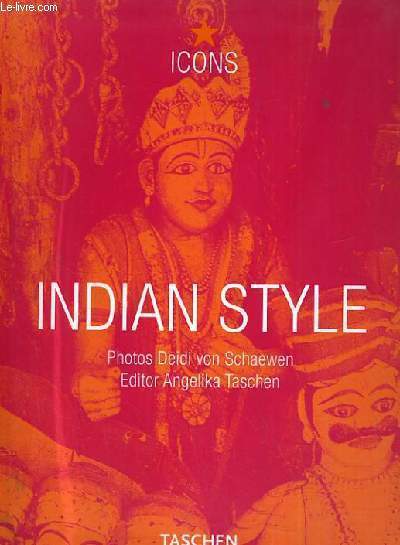
RO20147932TASCHEN. NON DATE. In-8. Broché. Bon état, Couv. fraîche, Dos satisfaisant, Intérieur frais. 191pages. Nombreuses illutrations et photographies couleur hors texte.. . . . Classification Dewey : 910.4-Voyages
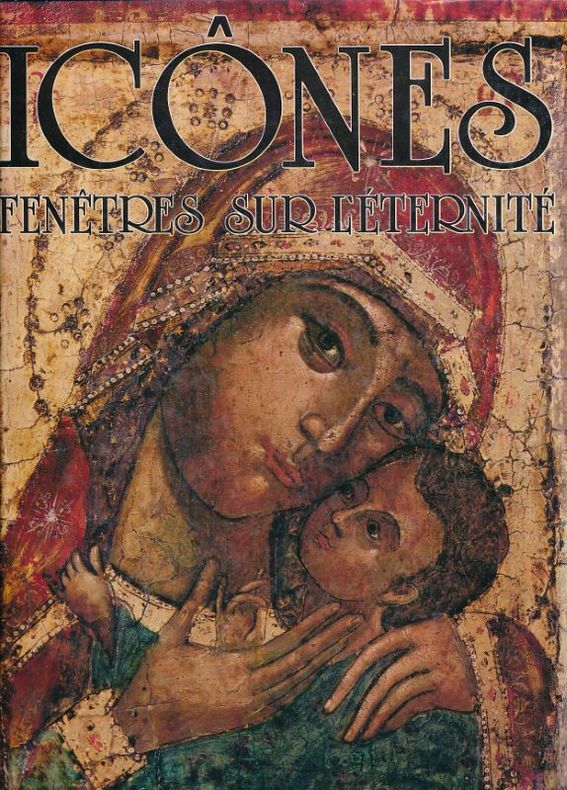
14964Fernand Nathan, 1982. Hardcover In 4 . Reliure toilée de l'éditeur, sous jaquette illustrée. 417 pages imprimées sur triple colonnage. Très nombreuses illustrations photographiques en noir et en couleurs, in et hors texte. Cet ouvrage, oeuvres de spécialistes, a l"originalité de regrouper et d'étudier les icones selon leur provenance et non, comme c"est souvent le cas, d"aprés les collections dans lesquelles elles sont aujourd"hui conservées. Les auteurs retracent très clairement l"histoire de la tradition byzantine de l"icone et de sa diffusion dans l'Orient chrêtien.
Artbook International 1986, In-4 cartonnage éditeur. 18 pages de texte + 48 planches couleurs légendées. Très bon état.
48326760-nnew. unknown
Albus, Volker, Reyer KrasNot in perfect condition. unknown
A9782960038538Paperback / softback. New. paperback
B9782960038538Paperback / softback. New. paperback
2960038533.Gpaperback. Good. Access codes and supplements are not guaranteed with used items. May be an ex-library book. paperback
0944359175.Ghardcover. Good. Access codes and supplements are not guaranteed with used items. May be an ex-library book. hardcover
1978AUB-8385Ed. Siloé 1978. Bel exemplaire relié, reliure pleine toile avec titres dorés, jaquette conservée, in-4, n. p. (plus de 120 pages).
1982AUB-8384Ed. Nagel 1982. Bel exemplaire relié, jaquette conservée, in-4, 227 pages avec notes.
1983AUB-8386Paris, éd. Kogan 1983. Grand in-4 (32 x 28) relié, reliure pleine toile avec jaquette, dos avec titres dorés d'orig., 240 pages sur papier cartonné avec présentation, planches, légendes, notices, glossaire, notes hagiographiques, biographies des auteurs.
This is a very good hardcover copy with a very good dust jacket with just light wear. Completely clean inside and out. Text completely in Russian. Russian Moscovite icon painting from the 14th and 15th centuries featuring Theophanes the Greek and Andrei Rublev. 98 plates including 26 full-page color plates. 11" high X 8" wide, 173 pages. This book will be securely packed and shipped with tracking.
Dybdahl, Lars, edIn Pristine Condition. unknown
101622Pierre Gianadda Fondation Pierre Gianadda, 2000, 191 p., broché, quelques rares frottements en bordure de couverture, bon état et intérieur très propre.