POIRET-ROSINE. LEPAPE (Georges).Livre Rare Book
258 résultats
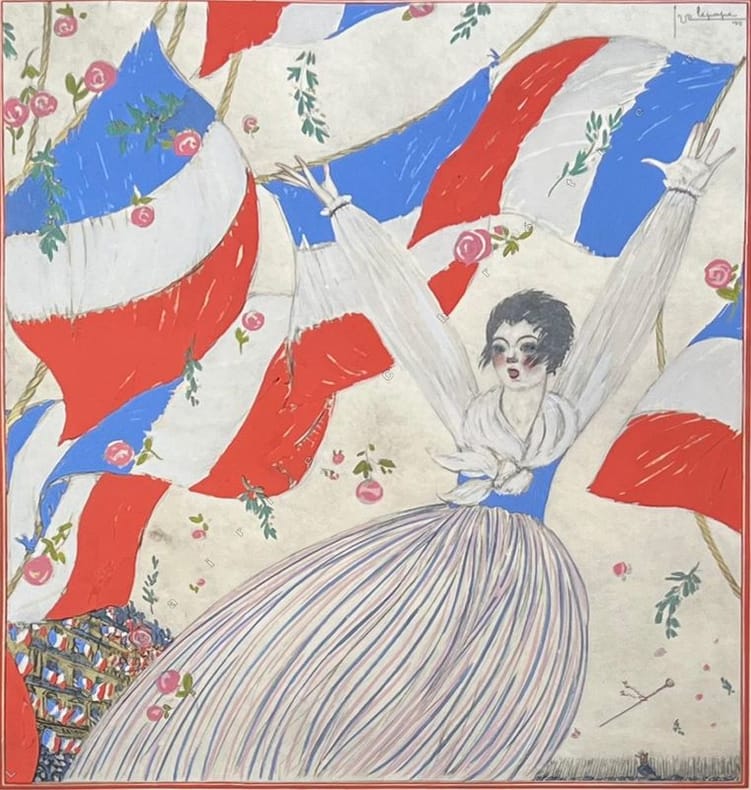
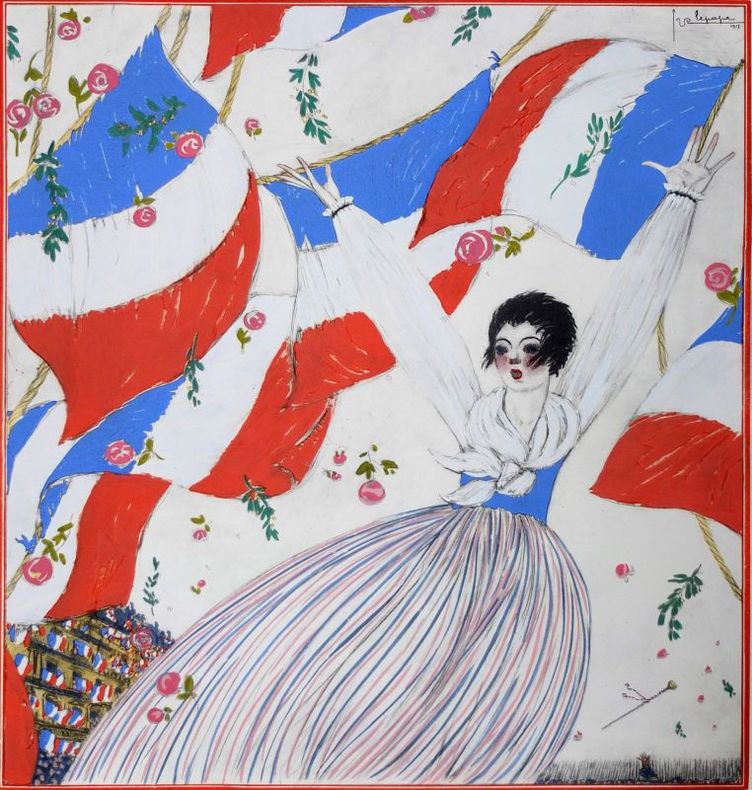
1917202621917 1 Pochoir (phototypie réhaussée de gouache) signé en haut à droite et daté, justifié et numéroté en bas à droite, 1917, 36 x 31.5 cm., cadre.
1996221491996 Dessin à l'encre sur papier, compléments et reprises sur papier calque superposés, 1996, 14 x 94 cm (format à vue), 20 x 94 (format de la feuille).
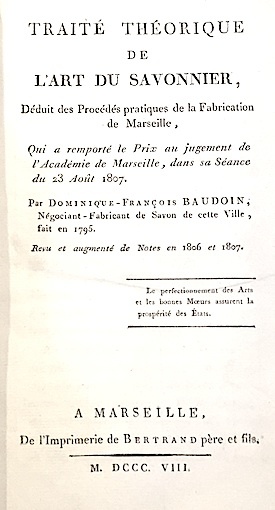
180813085Bertrand Marseille 1808 1 vol. In-8 de XIV 1 f.n.ch. (errata) 334 pp., pleine basane fauve racinée de l'époque, dos lisse orné, pièces de titre, tranches jaspées.
1917247801917 1 Estampe aquarellée au pochoir sur Japon signée et datée en haut à droite dans la planche, signée et numérotée en bas à droite à la mine de plomb, 1917, 65 x 50 cm.
1917246701917 4 Estampe aquarellée au pochoir sur Japon signée et datée en haut à droite dans la planche, signé et numéroté en bas à droite à la mine de plomb, 1917, 65 x 50 cm., cadre.
In-folio, (25cc), 2-1155 col, (80cc); legatura in piena pergamena coeva con nervi e titolo al dorso. Sui piatti anteriore e posteriore sigillo di Minerva Dordracena. Seconda edizione 1. Dedicato a Urbano VIII Barberini, con occhiello, antiporta frontespizio , stampato in rosso e nero. Nel testo numerose incisioni su rame raffiguranti svariate tipologie di lumi e lucerne ad olio di varie epoche, oltre a strumenti tipo piccoli imbuti per il riempimento di questi, a candelabri ebraici e a monete. 2. Dedicato al Cardinale Francesco Barberini, numerose illustrazioni su legno nel testo che rappresentano oggetti cultuali ebraici, cristiani e pagani. 3. Dedicato al Cardinale Antonio Barberini, in cui si tratta diffusamente delle cerimonie pubbliche israelitiche, le adorazioni e le acclamazioni. Fortunato Scacchi, dotto filologo e antiquario, nacque intorno al 1573 a Fano, dove morì nel 1643. La sua opera più importante è proprio la presente, un trattato di profonda erudizione, in cui l’autore raccoglie le notizie e i dati storici sugli aromi impiegati dagli ebrei antichi negli unguenti e nei profumi e sulla loro composizione e utilizzo nelle cerimonie sacre. Il testo è ricco di riferimenti ai libri dell’Antico Testamento e a quelli degli autori del mondo greco e romano antico, ma anche all’Arca Santa e alla ‘menorah’ e alle suppellettili per il culto divino. Scacchi parla di ogni sorta di unzione menzionata nelle Sacre Scritture, dalle lampade degli antichi, all’imbalsamazione, ai bagni. Dal cap. XXX al XXXIV del libro I si tratta diffusamente dei Balnea, delle tipologie degli edifici, distinti tra quelli pubblici e quelli privati, degli effetti benefici sul corpo, dei tipi di acque consigliate per i diversi scopi; il bagno preludeva in particolare, per gli atleti, al rituale dell’unzione del corpo, prima della lotta nella sabbia delle arene, ma in genere era anche praticato dopo ogni tipo di attività fisica, sia il gioco della palla che la corsa, per defatigare il corpo ed eliminare il sudore. Nel libro si trova anche ampio spazio dato ai tipi di essenze e alle fasi della composizione vera e propria di questi olii ed unguenti utilizzati dagli atleti. L’autore riporta a proposito l’abitudine di uomini e giovani di stare nudi nelle palestre e nei ginnasi, alcuni passi in cui si sosteneva che questo fosse un incitamento all’amore omosessuale e un preludio al lupanare. Brunet 662 In-folio, (25cc), 2-1155 col, (80cc); coeval full vellum binding with bands and title on the spine. On the upper and back covers seal of Minerva Dordracena. Second edition. 1. Dedicated to Urban VIII Barberini, with half-title, title page with elegant allegorical border engraved in copper, printed in red and black. In the text, numerous copper engravings depicting various types of lamps and oil lamps of various eras, as well as instruments such as small funnels for filling these, with Jewish candlesticks and coins. 2. Dedicated to Cardinal Francesco Barberini, numerous illustrations on wood in the text representing Jewish, Christian and pagan cult objects. 3. Dedicated to Cardinal Antonio Barberini, in which it deals widely with Jewish public ceremonies, adorations and cheers. Fortunato Scacchi, a expert philologist and antiquarian, was born around 1573 in Fano, where he died in 1643. His most important work is the present one, a treatise of profound erudition, in which the author collects news and historical data on the aromas used by ancient Jews in ointments and perfumes and on their composition and use in sacred ceremonies. The text is full of references to the books of the Old Testament and to those of the authors of the ancient Greek and Roman world, but also to the Holy Ark and the 'menorah' and furnishings for divine worship. Scacchi speaks of all sorts of anointments mentioned in the Holy Scriptures, from the lamps of the ancients, to embalming, to the baths. From chap. XXX to XXXIV of book I, the author deals widely with the Balneas, the types of buildings, distinguished between public and private ones, the beneficial effects on the body, the types of water recommended for the various purposes; the bath preluded in particular, for the athletes, to the body anointing ritual, before the fight in the sand of the arenas, but in general it was also practiced after any type of physical activity, both the game of the ball and the races, to defatigate the body and eliminate the sweat. In the book there is also ample space given to the types of essences and the phases of the actual composition of these oils and ointments used by athletes. By the way, the author reports the habit of men and young people to be naked in gyms and gymnasiums, which was claimed as an incitement to homosexual relations and a prelude to brothels. Brunet 662
LCS-8503Rare et luxueux catalogue de vente d’un fabricant de parfums et produits cosmétiques abondamment illustré de plus de 775 échantillons en couleurs et rehaussés d’or. Francfort, 1898. [CATALOGUE DE PARFUMS ET COSMETIQUES]. J.G. Mouson & Cie. Parfumerien & Toiletteseifen. Francfort, [1898]. In-folio de (1) feuillet de titre, xii pp., 106 pp. Relié en demi-chagrin bordeaux à coins, plats de percaline verte, nom de l’entreprise frappé au centre du plat supérieur, dos lisse. Reliure du XXe siècle. 430 x 310 mm.
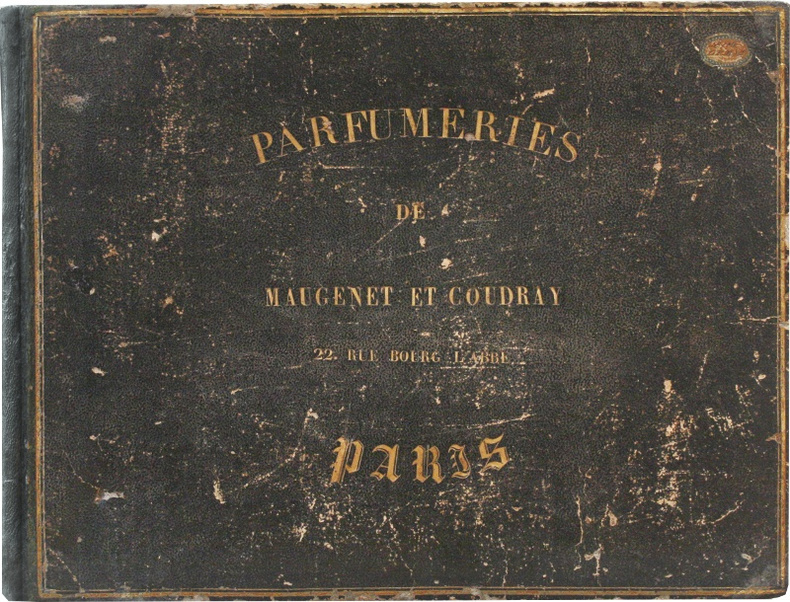
LCS-17410Rare et luxueux catalogue de vente d’un fabricant de parfums et produits cosmétiques parisien abondamment illustré de plus de 400 échantillons en couleurs et rehaussés d’or. Paris, milieu du XIXe siècle. Paris, [v. 1840-1856].In-4 oblong de 20 double-pages numérotées. Relié en chagrin vert, double filet or encadrant les plats, nom de l’entreprise de parfumerie ainsi que son adresse frappés or sur le plat supérieur. Reliure de l’époque présentant quelques traces d’usure.237 x 305 mm.