8 977 résultats
189817642Paris Aux bureaux de La Plume, 1898 1 in-folio Paris, Aux bureaux de La Plume, (1898), in-folio, 10 planches en feuilles, sous porte-folio ocre.
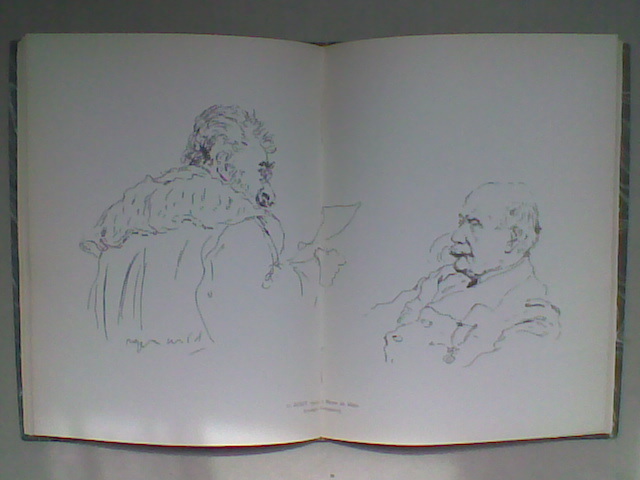
QWA-3044Editions du Tambourinaire, 1953, n.p., in-8 cartonnage 1/2 toile (28 x21), un des 998 exemplaires numérotés sur vélin d'alfa, 26 planches de portraits, cartonnage récent, couverture conservée, dos muet, très bon état
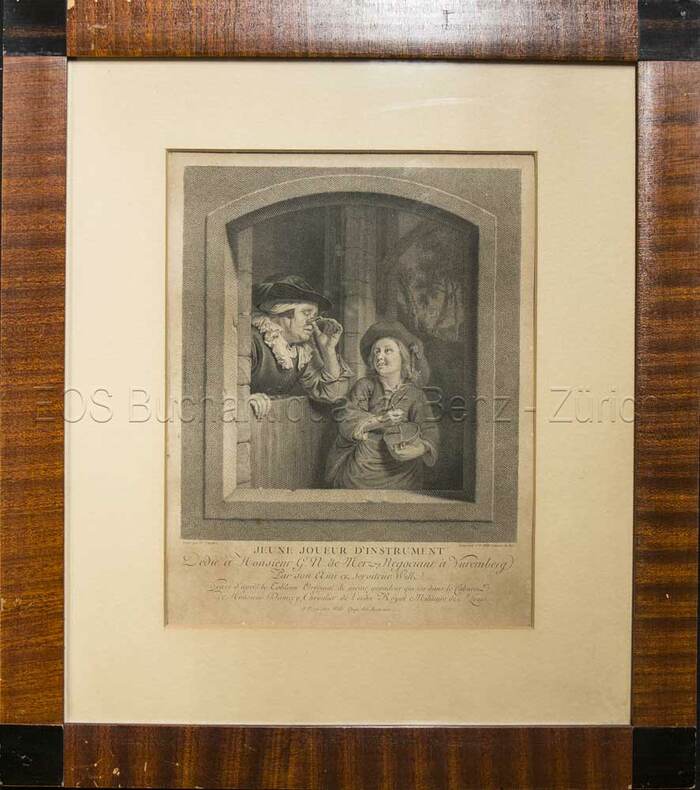
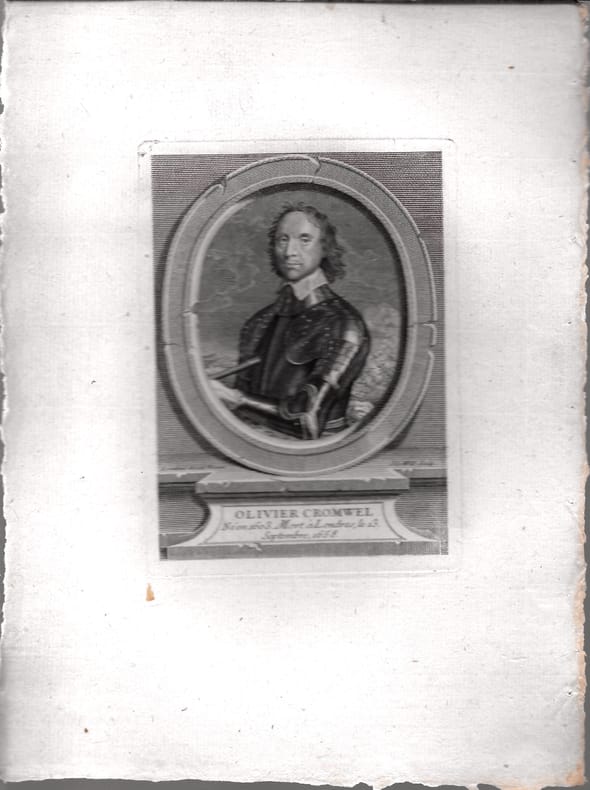
1760670DGParis, chez l'auteur, (um 1760). Kupferstich von J. G. Wille. Bildausschnitt: 28,5 x 22 cm. Rahmen: 48 x 42 cm.
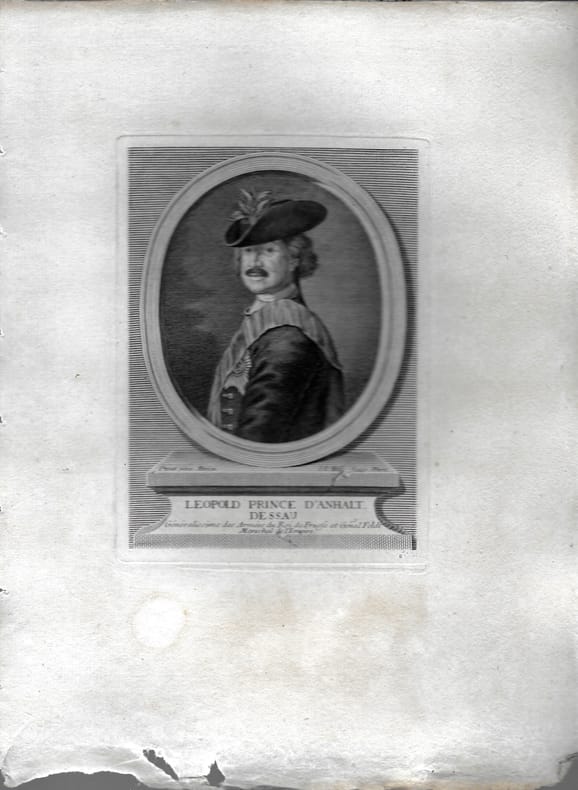
11465Généralissime des armées du roi de Prusse En feuille Très bon XVIIIè Feuille 27 x 21 cm
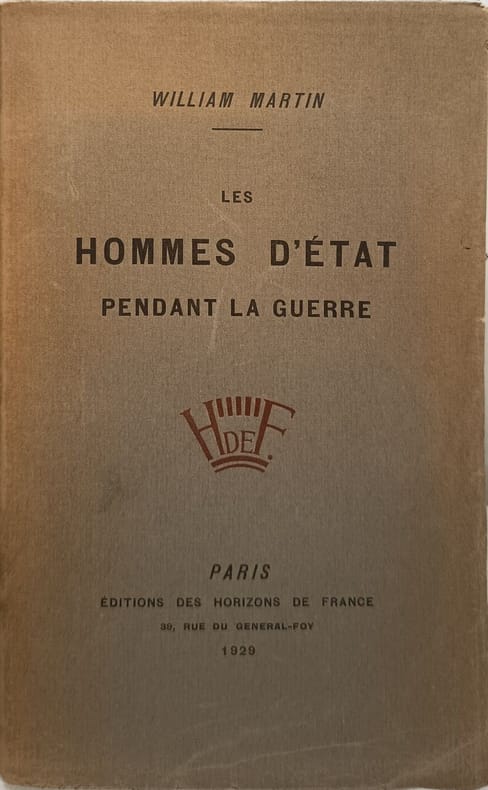
19297639ÉDITIONS DES HORIZONS DE FRANCE 1929 382 pages in8. 1929. broché. 382 pages. Ouvrage publié en 1929-1930 par William Martin journaliste au Journal de Genève qui présente des portraits biographiques des principaux hommes d'État impliqués dans la Première Guerre mondiale. Le livre contient 380-384 pages avec des portraits
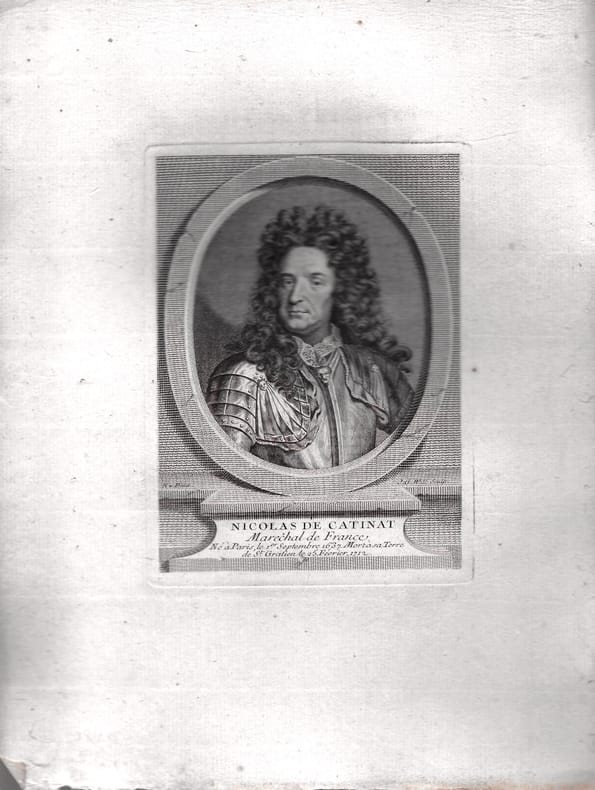
11482Maréchal de France En feuille Très bon XVIIIè Feuille 27 x 21 cm
11493En feuille Très bon XVIIIè Feuille 27 x 21 cm
17398Paris, Londres, New York, The Studio, 1910. In-8 broché (couv. souple bleue). VIII+31 p. (texte) + LVI p. (illustrations). Nombreuses reproductions de miniatures en couleur et en noir. Excellent état (petites pliures sur le dos).
197312363Galerie nationale du Canada Petit in-4 carré Couverture souple Ottawa 1973
1930654AGWien, Fayer, (um 1930). Photographie (Portrait). Format: 17,7 x 12,8 cm.
465p., illus. Hardcover Very good condition
198887225ABWeinheim u. Berlin, Quadriga 1988. 177, (3) S., OKt. Tadelloses Exemplar. EA. OKt. Tadelloses Exemplar. EA.
Format (Bildbereich): 190 x 190 mm. Blattgröße: 405 x 295 mm. *Joseph Wieser (1828-1899) war ein österreichischer Geistlicher, Politiker und Reichsratsabgeordneter. - Leicht gebräunt, insgesamt gut erhalten. Graphiken de
Format (Bildbereich): 185 x 190 mm. Blattgröße: 405 x 295 mm. *Adolf Wiesenburg (1838-1920) war ein österreichischer Unternehmer und Reichsratsabgeordneter. - Leicht gebräunt, insgesamt gut erhalten. Graphiken de
19963131104Freiburg, Basel & Wien: Herder 1996. 360 Seiten. 8° (17,5-22,5 cm). Illustrierte Orig.-Broschur. [Softcover / Paperback].
1775862911775. Ovales Bruststück im Dreiviertelprofil, nach rechts gewandt, mit Wappenkartusche. 12,5 x 11,5 cm. (Blattgröße 22 x 18 cm). Passepartout mit Farblinieneinfassung.
Bulino, 1572 circa, tratta da Pictorum Aliquot Celebrium Germaniae Inferioris Effigies. Primo stato. La prima edizione viene pubblicata dalla vedova di Hieronymus Cock ad Anversa nel 1572.Pictorum aliquot celebrium Germaniae inferioris effiges, una serie di 23 ritratti di artisti dei Paesi Bassi, è pubblicato nel 1575 con imprint “In de Vier Winden”, una delle principali stamperie di Amsterdam. Sebbene alcuni abbiano suggerito che la serie è stata concepita dall'umanista Dominicus Lampsonius, che ha composto versi per accompagnare i ritratti, è più probabile che l'autore sia stato Hieronymus Cock, il fondatore della tipografia con sede “In de Vier Winden”. La serie è apparsa in un momento in cui l'interesse per la vita degli artisti stava crescendo e di conseguenza ha attraversato diverse edizioni e interpretazioni di altri editori. Ottime condizioni. Engraving, 1572 circa, from Pictorum Aliquot Celebrium Germaniae Inferioris Effigies. First state. The first edition published by the widow of Hieronymus Cock in Antwerp in 1572. The Pictorum aliquot celebrium Germaniae inferioris effiges, a series of 23 portraits of artists from the Low Countries, published in 1575 by In de Vier Winden, a leading Amsterdam printing house. Although some have suggested that the series was conceived by the humanist Dominicus Lampsonius, who composed verses to accompany the portraits, the author is more likely to have been Hieronymus Cock, the founder of In de Vier Winden. The series appeared at a time when interest in the lives of artists was growing and consequently went through multiple editions and reinventions by other publishers. Very good condition.
Bulino, 1572 circa, tratta da Pictorum Aliquot Celebrium Germaniae Inferioris Effigies. Primo stato. La prima edizione viene pubblicata dalla vedova di Hieronymus Cock ad Anversa nel 1572. Pictorum aliquot celebrium Germaniae inferioris effiges, una serie di 23 ritratti di artisti dei Paesi Bassi, è pubblicato nel 1575 con imprint “In de Vier Winden”, una delle principali stamperie di Amsterdam. Sebbene alcuni abbiano suggerito che la serie è stata concepita dall'umanista Dominicus Lampsonius, che ha composto versi per accompagnare i ritratti, è più probabile che l'autore sia stato Hieronymus Cock, il fondatore della tipografia con sede “In de Vier Winden”. La serie è apparsa in un momento in cui l'interesse per la vita degli artisti stava crescendo e di conseguenza ha attraversato diverse edizioni e interpretazioni di altri editori. Ottime condizioni. Engraving, 1572 circa, from Pictorum Aliquot Celebrium Germaniae Inferioris Effigies. First state. The first edition published by the widow of Hieronymus Cock in Antwerp in 1572. The Pictorum aliquot celebrium Germaniae inferioris effiges, a series of 23 portraits of artists from the Low Countries, published in 1575 by In de Vier Winden, a leading Amsterdam printing house. Although some have suggested that the series was conceived by the humanist Dominicus Lampsonius, who composed verses to accompany the portraits, the author is more likely to have been Hieronymus Cock, the founder of In de Vier Winden. The series appeared at a time when interest in the lives of artists was growing and consequently went through multiple editions and reinventions by other publishers. Very good condition.