8 979 résultats
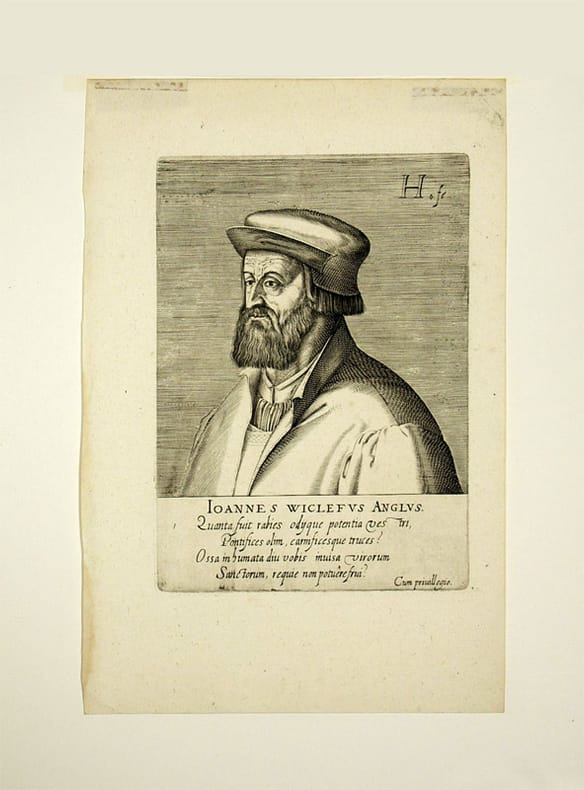
Bulino, 1572 circa, tratta da Pictorum Aliquot Celebrium Germaniae Inferioris Effigies. Primo stato. La prima edizione viene pubblicata dalla vedova di Hieronymus Cock ad Anversa nel 1572. Pictorum aliquot celebrium Germaniae inferioris effiges, una serie di 23 ritratti di artisti dei Paesi Bassi, è pubblicato nel 1575 con imprint “In de Vier Winden”, una delle principali stamperie di Amsterdam. Sebbene alcuni abbiano suggerito che la serie è stata concepita dall'umanista Dominicus Lampsonius, che ha composto versi per accompagnare i ritratti, è più probabile che l'autore sia stato Hieronymus Cock, il fondatore della tipografia con sede “In de Vier Winden”. La serie è apparsa in un momento in cui l'interesse per la vita degli artisti stava crescendo e di conseguenza ha attraversato diverse edizioni e interpretazioni di altri editori. Ottime condizioni. Engraving, 1572 circa, from Pictorum Aliquot Celebrium Germaniae Inferioris Effigies. First state. The first edition published by the widow of Hieronymus Cock in Antwerp in 1572. The Pictorum aliquot celebrium Germaniae inferioris effiges, a series of 23 portraits of artists from the Low Countries, published in 1575 by In de Vier Winden, a leading Amsterdam printing house. Although some have suggested that the series was conceived by the humanist Dominicus Lampsonius, who composed verses to accompany the portraits, the author is more likely to have been Hieronymus Cock, the founder of In de Vier Winden. The series appeared at a time when interest in the lives of artists was growing and consequently went through multiple editions and reinventions by other publishers. Very good condition.
Bulino, 1572 circa, tratta da Pictorum Aliquot Celebrium Germaniae Inferioris Effigies. Primo stato. La prima edizione viene pubblicata dalla vedova di Hieronymus Cock ad Anversa nel 1572. Pictorum aliquot celebrium Germaniae inferioris effiges, una serie di 23 ritratti di artisti dei Paesi Bassi, è pubblicato nel 1575 con imprint “In de Vier Winden”, una delle principali stamperie di Amsterdam. Sebbene alcuni abbiano suggerito che la serie è stata concepita dall'umanista Dominicus Lampsonius, che ha composto versi per accompagnare i ritratti, è più probabile che l'autore sia stato Hieronymus Cock, il fondatore della tipografia con sede “In de Vier Winden”. La serie è apparsa in un momento in cui l'interesse per la vita degli artisti stava crescendo e di conseguenza ha attraversato diverse edizioni e interpretazioni di altri editori. Ottime condizioni. Engraving, 1572 circa, from Pictorum Aliquot Celebrium Germaniae Inferioris Effigies. First state. The first edition published by the widow of Hieronymus Cock in Antwerp in 1572. The Pictorum aliquot celebrium Germaniae inferioris effiges, a series of 23 portraits of artists from the Low Countries, published in 1575 by In de Vier Winden, a leading Amsterdam printing house. Although some have suggested that the series was conceived by the humanist Dominicus Lampsonius, who composed verses to accompany the portraits, the author is more likely to have been Hieronymus Cock, the founder of In de Vier Winden. The series appeared at a time when interest in the lives of artists was growing and consequently went through multiple editions and reinventions by other publishers. Very good condition.
Bulino, 1572 circa, tratta da Pictorum Aliquot Celebrium Germaniae Inferioris Effigies. Primo stato. La prima edizione viene pubblicata dalla vedova di Hieronymus Cock ad Anversa nel 1572. Pictorum aliquot celebrium Germaniae inferioris effiges, una serie di 23 ritratti di artisti dei Paesi Bassi, è pubblicato nel 1575 con imprint “In de Vier Winden”, una delle principali stamperie di Amsterdam. Sebbene alcuni abbiano suggerito che la serie è stata concepita dall'umanista Dominicus Lampsonius, che ha composto versi per accompagnare i ritratti, è più probabile che l'autore sia stato Hieronymus Cock, il fondatore della tipografia con sede “In de Vier Winden”. La serie è apparsa in un momento in cui l'interesse per la vita degli artisti stava crescendo e di conseguenza ha attraversato diverse edizioni e interpretazioni di altri editori. Ottime condizioni. Engraving, 1572 circa, from Pictorum Aliquot Celebrium Germaniae Inferioris Effigies. First state. The first edition published by the widow of Hieronymus Cock in Antwerp in 1572. The Pictorum aliquot celebrium Germaniae inferioris effiges, a series of 23 portraits of artists from the Low Countries, published in 1575 by In de Vier Winden, a leading Amsterdam printing house. Although some have suggested that the series was conceived by the humanist Dominicus Lampsonius, who composed verses to accompany the portraits, the author is more likely to have been Hieronymus Cock, the founder of In de Vier Winden. The series appeared at a time when interest in the lives of artists was growing and consequently went through multiple editions and reinventions by other publishers. Very good condition.
Bulino, 1572 circa, tratta da Pictorum Aliquot Celebrium Germaniae Inferioris Effigies. Primo stato. La prima edizione viene pubblicata dalla vedova di Hieronymus Cock ad Anversa nel 1572. Pictorum aliquot celebrium Germaniae inferioris effiges, una serie di 23 ritratti di artisti dei Paesi Bassi, è pubblicato nel 1575 con imprint “In de Vier Winden”, una delle principali stamperie di Amsterdam. Sebbene alcuni abbiano suggerito che la serie è stata concepita dall'umanista Dominicus Lampsonius, che ha composto versi per accompagnare i ritratti, è più probabile che l'autore sia stato Hieronymus Cock, il fondatore della tipografia con sede “In de Vier Winden”. La serie è apparsa in un momento in cui l'interesse per la vita degli artisti stava crescendo e di conseguenza ha attraversato diverse edizioni e interpretazioni di altri editori. Ottime condizioni. Engraving, 1572 circa, from Pictorum Aliquot Celebrium Germaniae Inferioris Effigies. First state. The first edition published by the widow of Hieronymus Cock in Antwerp in 1572. The Pictorum aliquot celebrium Germaniae inferioris effiges, a series of 23 portraits of artists from the Low Countries, published in 1575 by In de Vier Winden, a leading Amsterdam printing house. Although some have suggested that the series was conceived by the humanist Dominicus Lampsonius, who composed verses to accompany the portraits, the author is more likely to have been Hieronymus Cock, the founder of In de Vier Winden. The series appeared at a time when interest in the lives of artists was growing and consequently went through multiple editions and reinventions by other publishers. Very good condition.
Bulino, 1572 circa, tratta da Pictorum Aliquot Celebrium Germaniae Inferioris Effigies. Primo stato. La prima edizione viene pubblicata dalla vedova di Hieronymus Cock ad Anversa nel 1572. Pictorum aliquot celebrium Germaniae inferioris effiges, una serie di 23 ritratti di artisti dei Paesi Bassi, è pubblicato nel 1575 con imprint “In de Vier Winden”, una delle principali stamperie di Amsterdam. Sebbene alcuni abbiano suggerito che la serie è stata concepita dall'umanista Dominicus Lampsonius, che ha composto versi per accompagnare i ritratti, è più probabile che l'autore sia stato Hieronymus Cock, il fondatore della tipografia con sede “In de Vier Winden”. La serie è apparsa in un momento in cui l'interesse per la vita degli artisti stava crescendo e di conseguenza ha attraversato diverse edizioni e interpretazioni di altri editori. Ottime condizioni. Engraving, 1572 circa, from Pictorum Aliquot Celebrium Germaniae Inferioris Effigies. First state. The first edition published by the widow of Hieronymus Cock in Antwerp in 1572. The Pictorum aliquot celebrium Germaniae inferioris effiges, a series of 23 portraits of artists from the Low Countries, published in 1575 by In de Vier Winden, a leading Amsterdam printing house. Although some have suggested that the series was conceived by the humanist Dominicus Lampsonius, who composed verses to accompany the portraits, the author is more likely to have been Hieronymus Cock, the founder of In de Vier Winden. The series appeared at a time when interest in the lives of artists was growing and consequently went through multiple editions and reinventions by other publishers. Very good condition.
Bulino, 1572 circa, tratta da Pictorum Aliquot Celebrium Germaniae Inferioris Effigies. Primo stato. La prima edizione viene pubblicata dalla vedova di Hieronymus Cock ad Anversa nel 1572. Pictorum aliquot celebrium Germaniae inferioris effiges, una serie di 23 ritratti di artisti dei Paesi Bassi, è pubblicato nel 1575 con imprint “In de Vier Winden”, una delle principali stamperie di Amsterdam. Sebbene alcuni abbiano suggerito che la serie è stata concepita dall'umanista Dominicus Lampsonius, che ha composto versi per accompagnare i ritratti, è più probabile che l'autore sia stato Hieronymus Cock, il fondatore della tipografia con sede “In de Vier Winden”. La serie è apparsa in un momento in cui l'interesse per la vita degli artisti stava crescendo e di conseguenza ha attraversato diverse edizioni e interpretazioni di altri editori. Ottime condizioni. Engraving, 1572 circa, from Pictorum Aliquot Celebrium Germaniae Inferioris Effigies. First state. The first edition published by the widow of Hieronymus Cock in Antwerp in 1572. The Pictorum aliquot celebrium Germaniae inferioris effiges, a series of 23 portraits of artists from the Low Countries, published in 1575 by In de Vier Winden, a leading Amsterdam printing house. Although some have suggested that the series was conceived by the humanist Dominicus Lampsonius, who composed verses to accompany the portraits, the author is more likely to have been Hieronymus Cock, the founder of In de Vier Winden. The series appeared at a time when interest in the lives of artists was growing and consequently went through multiple editions and reinventions by other publishers. Very good condition.
Bulino, 1572 circa, tratta da Pictorum Aliquot Celebrium Germaniae Inferioris Effigies. Primo stato. La prima edizione viene pubblicata dalla vedova di Hieronymus Cock ad Anversa nel 1572. Pictorum aliquot celebrium Germaniae inferioris effiges, una serie di 23 ritratti di artisti dei Paesi Bassi, è pubblicato nel 1575 con imprint “In de Vier Winden”, una delle principali stamperie di Amsterdam. Sebbene alcuni abbiano suggerito che la serie è stata concepita dall'umanista Dominicus Lampsonius, che ha composto versi per accompagnare i ritratti, è più probabile che l'autore sia stato Hieronymus Cock, il fondatore della tipografia con sede “In de Vier Winden”. La serie è apparsa in un momento in cui l'interesse per la vita degli artisti stava crescendo e di conseguenza ha attraversato diverse edizioni e interpretazioni di altri editori. Ottime condizioni. Engraving, 1572 circa, from Pictorum Aliquot Celebrium Germaniae Inferioris Effigies. First state. The first edition published by the widow of Hieronymus Cock in Antwerp in 1572. The Pictorum aliquot celebrium Germaniae inferioris effiges, a series of 23 portraits of artists from the Low Countries, published in 1575 by In de Vier Winden, a leading Amsterdam printing house. Although some have suggested that the series was conceived by the humanist Dominicus Lampsonius, who composed verses to accompany the portraits, the author is more likely to have been Hieronymus Cock, the founder of In de Vier Winden. The series appeared at a time when interest in the lives of artists was growing and consequently went through multiple editions and reinventions by other publishers. Very good condition.
Bulino, 1572 circa, tratta da Pictorum Aliquot Celebrium Germaniae Inferioris Effigies. Primo stato. La prima edizione viene pubblicata dalla vedova di Hieronymus Cock ad Anversa nel 1572. Pictorum aliquot celebrium Germaniae inferioris effiges, una serie di 23 ritratti di artisti dei Paesi Bassi, è pubblicato nel 1575 con imprint “In de Vier Winden”, una delle principali stamperie di Amsterdam. Sebbene alcuni abbiano suggerito che la serie è stata concepita dall'umanista Dominicus Lampsonius, che ha composto versi per accompagnare i ritratti, è più probabile che l'autore sia stato Hieronymus Cock, il fondatore della tipografia con sede “In de Vier Winden”. La serie è apparsa in un momento in cui l'interesse per la vita degli artisti stava crescendo e di conseguenza ha attraversato diverse edizioni e interpretazioni di altri editori. Ottime condizioni. Engraving, 1572 circa, from Pictorum Aliquot Celebrium Germaniae Inferioris Effigies. First state. The first edition published by the widow of Hieronymus Cock in Antwerp in 1572. The Pictorum aliquot celebrium Germaniae inferioris effiges, a series of 23 portraits of artists from the Low Countries, published in 1575 by In de Vier Winden, a leading Amsterdam printing house. Although some have suggested that the series was conceived by the humanist Dominicus Lampsonius, who composed verses to accompany the portraits, the author is more likely to have been Hieronymus Cock, the founder of In de Vier Winden. The series appeared at a time when interest in the lives of artists was growing and consequently went through multiple editions and reinventions by other publishers. Very good condition.
Bulino, 1572 circa, tratta da Pictorum Aliquot Celebrium Germaniae Inferioris Effigies. Primo stato. La prima edizione viene pubblicata dalla vedova di Hieronymus Cock ad Anversa nel 1572. Pictorum aliquot celebrium Germaniae inferioris effiges, una serie di 23 ritratti di artisti dei Paesi Bassi, è pubblicato nel 1575 con imprint “In de Vier Winden”, una delle principali stamperie di Amsterdam. Sebbene alcuni abbiano suggerito che la serie è stata concepita dall'umanista Dominicus Lampsonius, che ha composto versi per accompagnare i ritratti, è più probabile che l'autore sia stato Hieronymus Cock, il fondatore della tipografia con sede “In de Vier Winden”. La serie è apparsa in un momento in cui l'interesse per la vita degli artisti stava crescendo e di conseguenza ha attraversato diverse edizioni e interpretazioni di altri editori. Ottime condizioni. Engraving, 1572 circa, from Pictorum Aliquot Celebrium Germaniae Inferioris Effigies. First state. The first edition published by the widow of Hieronymus Cock in Antwerp in 1572. The Pictorum aliquot celebrium Germaniae inferioris effiges, a series of 23 portraits of artists from the Low Countries, published in 1575 by In de Vier Winden, a leading Amsterdam printing house. Although some have suggested that the series was conceived by the humanist Dominicus Lampsonius, who composed verses to accompany the portraits, the author is more likely to have been Hieronymus Cock, the founder of In de Vier Winden. The series appeared at a time when interest in the lives of artists was growing and consequently went through multiple editions and reinventions by other publishers. Very good condition.
1930413CGPairs, Max Eschig, o.J. (um 1930). Photographie (Portrait). Format: Postkarte. + Wichtig: Für unsere Kunden in der EU erfolgt der Versand alle 14 Tage verzollt ab Deutschland / Postbank-Konto in Deutschland vorhanden +
Format (Bildbereich): 20 x 16,5 cm. Blattgröße: 38,5 x 31 cm. Mit kleinem Einriss am rechten Blattrand, insgesamt gut erhalten. *Johann Jakob Wieland (1783-1848) war ein Schweizer Politiker und Industrieller. Von 1845 bis 1847 war er Regierungsrat des Kantons Zürich. 1848 gehörte er dem Nationalrat an. Graphiken de
Format (Platte): 387 x 278 mm. Blattgröße: 47,5 x 34,5 mm. *Nagler 71. Eines der schönsten graphischen Bildnisse des großen deutschen Dichters der Aufklärung Christoph Martin Wieland nach dem Gemälde von Tischbein. - Der Kupferstecher Carl Pfeiffer (1769-1829) war ein in Frankfurt geborener Kupferstecher, tätig in Wien, er fertigte eine große Zahl von Blättern, hauptsächlich in der beliebten englischen Punktiermanier. "Sehr zahlreich sind seine Bildnisse, die teilweise in grossem Formate dargestellt und sehr schätzbar sind ... Von einigen gibt es Abdrücke ohne Schrift und solche mit Nadelunterschrift (Nagler, Bd. 12, S. 359). - Ganz kleiner Randeinriss am oberen Außenrand, insgesamt ein schöner Abzug in sehr guter Erhaltung. Graphiken de
1998100145814SEUIL 1998 320 pages 22x2x13 6cm. 1998. Broché. 320 pages. Elie Wiesel propose une exploration des figures prophétiques bibliques (Noé Moïse Samson Ruth Daniel Jérémie Ézéchiel Esther) à travers des portraits et légendes s'appuyant sur les sources bibliques et midrashiques. L'ouvrage examine l'expérience prophétique la relation complexe entre Dieu et son peuple et le rôle de ces personnages dans l'histoire du peuple juif
1930413CGPairs, Max Eschig, o.J. (um 1930). Photographie (Portrait). Format: Postkarte.
Format (Bildbereich): 180 x 175 mm. Blattgröße: 405 x 295 mm. *Adalbert Freiherr von Widmann (1804-1888) war Landeshauptmann von Mähren. - Leicht gebräunt, insgesamt gut erhalten. Graphiken de
16801091AGO.J. (um 1680). Kupferstich. Bildgrösse: 17 x 12 cm. Blattgrösse: 24.5 x 16 cm + Wichtig: Für unsere Kunden in der EU erfolgt der Versand alle 14 Tage verzollt ab Deutschland / Postbank-Konto in Deutschland vorhanden +, 1091AG
Format (Bildbereich): 175 x 180 mm. Blattgröße: 405 x 295 mm. *Matthias Constantin Capello Graf von Wickenburg (1797-1880) war ein österreichischer Staatsmann und Mitglied des Herrenhauses - Leicht gebräunt, insgesamt gut erhalten. Graphiken de
Format (Bildbereich): 14 x 11 cm. Blattgröße: 36 x 27 cm. *Matthias Constantin Capello Graf von Wickenburg (1797-1880) war ein österreichischer Staatsmann und Mitglied des Herrenhauses, Gouverneur von Steyermark. - Leicht gebräunt, insgesamt gut erhalten. Graphiken de
16801091AGO.J. (um 1680). Kupferstich. Bildgrösse: 17 x 12 cm. Blattgrösse: 24.5 x 16 cm
A clean, unmarked book. Glued binding is fragile. 8 1/2"w x 9"h. 138 pages. Exhibition catalogue published in conjunction with show held November 20, 1979 - January 27, 1980. Full page portraits of famous people including Mick Jagger, Liza Minelli, Yves St. Laurent, David Hockney, Truman Capote, and many more.
1999114061Waanders Publishers, Zwolle, 1999. 28,5 x 22 cm ; kart.
Format (Platte): 40,3 x 28,8 mm. Blatt: 64 x 46 mm *Anne Wharton (1659 - 1685), gebürtige Lee, war eine englische Dramatikerin und Dichterin. Anne wurde in Oxfordhire geboren als jüngste Tochter von Sir Henry Lee. Ihr Vater starb noch vor ihrer Geburt und sie wuchs zusammen mit ihren Geschwistern bei ihrem Onkel, dem Dichter John Wilmot, in seinem Haus im Adderbury House auf. Sie heiratete 1673 Thomas Wharton, aber es war eine unglückliche Beziehung. Sie lebte bald getrennt von ihrem Mann und besuchte häufig Paris wegen ihrer schlechten Gesundheit. SchönesExemplar in bester Erhaltung mit großen Rändern. Graphiken de
198640615Freiburg i. Brsg. : Eulen-Verlag, 1986. 71 S. zahlr. Ill. (farb.) 8°. Bibl.- Einbd.