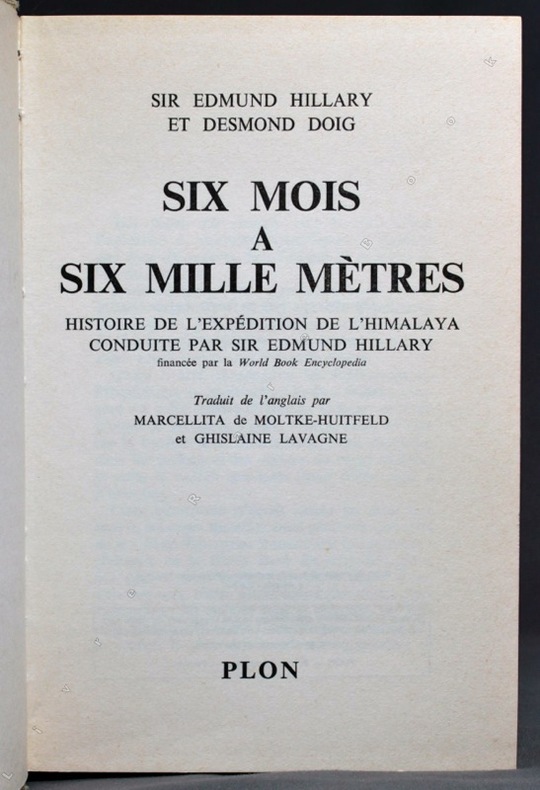
HILLARY Sir Edmund; DOIG Desmond; MOLTKE-HUITFELD Marcellita & LAVAGNE Ghislaine (trad.):Livre Rare Book
8 977 résultats
196310670[Paris], Plon, 1963. In-8 de 220-[4] pages,, cartonnage d'éditeur sous jaquette photographique couleurs (scotchée en 3 points), gardes illustrées de cartes.
1974821871974. Auf festem Bütten. Plattenmaß 15,3 x 10,8 cm; Blattmaß ca. 33,5 x 23,4 cm.
19473131366Paris: Gallimard 1947-76. 8° (17,5-22,5 cm). Orig.-Broschuren. [Softcover / Paperback].
197156449München : Biederstein-Verl. 1971. 483 S. : Mit 8 Abb. auf Taf. ; 8°, mit Schutzumschlag, Schutzumschlag mit leichten Gebrauchsspuren Gewebe, gebundene Ausgabe, Leinen, sonst Exemplar in gutem Erhaltungszustand
GF16682Notice biographique et portrait gravé parus dans la Galerie des Contemporains Illustres publié à Paris chez Ducrocq - sd - (vers 1850) - Plaquette in12 brochée de 72 pages + portrait en frontispice (sans couverture, à relier) - trés bon état -
Format Plattenrand: 28 x 23 cm. (Blattgröße: 45,5 x 32,5 cm). Gedruckt auf kräftiges Büttenpapier mit Wasserzeichen "Van Gelder Zonen", unten mittig mit kleinem Blindprägestempel "Photographische Gesellschaft Berlin". *Schönes ausdrucksstarkes Porträt. - Die "Photographische Gesellschaft Berlin" war ein Kunstverlag, gegr. 1862 von Emil und Albert Werckmeister. Zunächst wurden klassische Kupferstiche in Photographie veröffentlicht und Reproduktionen direkt nach Ölgemälden. Gegen Ende des 19. Jahrh. leistete die Firma Hervorragendes in der Technik der Photogravüre. Galeriewerke und zahlreiche Einzelbilder wurden per Kataloge an Kunsthandlungen vertrieben. Die Photogravüre (auch Heliogravüre genannt), war ein fotografisches Edeldruckverfahren im Tiefdruck auf gelatinebeschichtete Kupferplatten (ein Vorläufer des späteren Kupfertiefdrucks). Als eine Weiterentwicklung des alten Aquatinta-Verfahrens schon in der ersten Hälfte des 19. Jahrh. begonnen, wurde es mit der Heliogravüre möglich, Fotos und Illustrationen durch ein aufwendiges fotomechanisches Druckverfahren so zu reproduzieren, dass sich echte und sehr differenzierte Halbtöne darstellen und eine ausdrucksstarke plastische Tiefenwirkung des Bildes erzeugen lassen. Mit den technischen Verbesserungen gegen Ende des 19. Jahrh. wurde die Heliogravüre das beherrschende graphische Verfahren insbesondere für anspruchsvolle und künstlerische Photographie und andere Bildvorlagen. - Vollrandiges Blatt in sehr guter Erhaltung. Graphiken de
GF15745Notice biographique et portrait gravé parus dans la Galerie des Contemporains Illustres publié à Paris chez Ducrocq - sd - (vers 1850) - Plaquette in12 brochée de 36 pages + portrait en frontispice (sans couverture, à relier) - trés bon état -
GF14206Lithographie couleurs 38 x 25 cm environ marges comprises - planche originale extraite de la revue Vanity Fair du 23 aout 1879 - An original "Vanity Fair" lithograph - (Vincent Brooks and Son lith.) -
GF16683Notice biographique et portrait gravé parus dans la Galerie des Contemporains Illustres publié à Paris chez Ducrocq - sd - (vers 1850) - Plaquette in12 brochée de 36 pages + portrait en frontispice (sans couverture, à relier) - trés bon état -
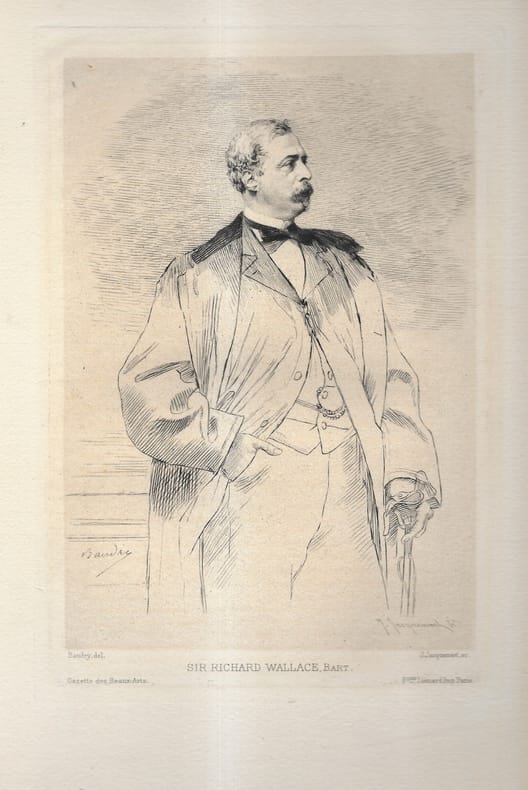
18737968Très belle épreuve. IFF 8. en feuille Très bon Paris Gazette des Beaux-Arts 1873 21,5 x 15,3 cm. Marges 27,3 x 20,5 cm.
GF14226Lithographie couleurs 38 x 25 cm environ marges comprises - planche originale extraite de la revue Vanity Fair du 31 mai 1879 - An original "Vanity Fair" lithograph - (Vincent Brooks Day and Son lith.) -
GF14217Lithographie couleurs 38 x 25 cm environ marges comprises - planche originale extraite de la revue Vanity Fair du 13 décembre 1879 - An original "Vanity Fair" lithograph - (Vincent Brooks Day and Son lith.) -
Format Plattenrand: 30 x 24 cm. (Blattgröße: 45,5 x 32,5 cm). Gedruckt auf kräftiges Büttenpapier mit Wasserzeichen "Van Gelder Zonen", unten mittig mit kleinem Blindprägestempel "Photographische Gesellschaft Berlin". *Schönes ausdrucksstarkes Porträt. - Die "Photographische Gesellschaft Berlin" war ein Kunstverlag, gegr. 1862 von Emil und Albert Werckmeister. Zunächst wurden klassische Kupferstiche in Photographie veröffentlicht und Reproduktionen direkt nach Ölgemälden. Gegen Ende des 19. Jahrh. leistete die Firma Hervorragendes in der Technik der Photogravüre. Galeriewerke und zahlreiche Einzelbilder wurden per Kataloge an Kunsthandlungen vertrieben. Die Photogravüre (auch Heliogravüre genannt), war ein fotografisches Edeldruckverfahren im Tiefdruck auf gelatinebeschichtete Kupferplatten (ein Vorläufer des späteren Kupfertiefdrucks). Als eine Weiterentwicklung des alten Aquatinta-Verfahrens schon in der ersten Hälfte des 19. Jahrh. begonnen, wurde es mit der Heliogravüre möglich, Fotos und Illustrationen durch ein aufwendiges fotomechanisches Druckverfahren so zu reproduzieren, dass sich echte und sehr differenzierte Halbtöne darstellen und eine ausdrucksstarke plastische Tiefenwirkung des Bildes erzeugen lassen. Mit den technischen Verbesserungen gegen Ende des 19. Jahrh. wurde die Heliogravüre das beherrschende graphische Verfahren insbesondere für anspruchsvolle und künstlerische Photographie und andere Bildvorlagen. - Vollrandiges Blatt in sehr guter Erhaltung. Graphiken de
1334093938.Gpaperback. Good. Access codes and supplements are not guaranteed with used items. May be an ex-library book. paperback
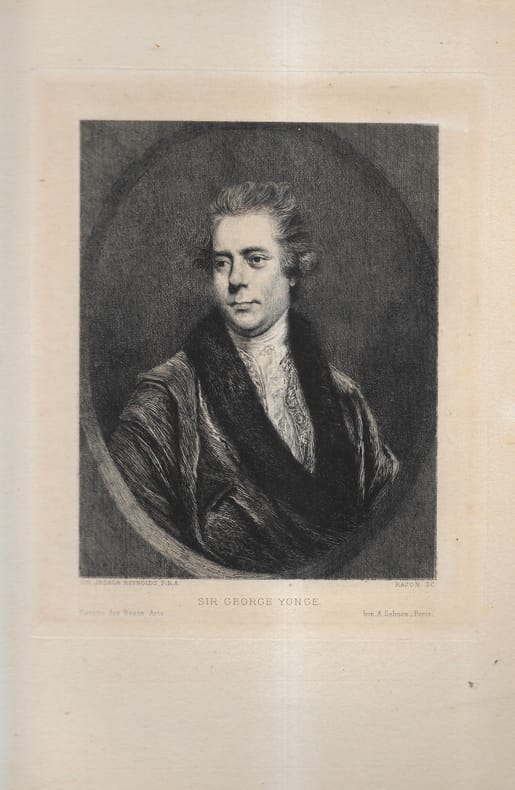
18737989Très belle épreuve d'après Reynolds. Impression par Salmon.. en feuille Très bon Paris Gazette des Beaux-Arts 1873 15 x 11,8 cm au trait carré. Marges 27,7 x 19,3 cm.
GF14205Lithographie couleurs 38 x 25 cm environ marges comprises - planche originale extraite de la revue Vanity Fair du 16 aout 1879 - An original "Vanity Fair" lithograph - (Vincent Brooks and Son lith.) -
15597Beau portrait. Beau tirage XVIIIè sur vergé. en feuille Très bon 14,5 x 10,5 cm
GF21283Notice biographique (vers 1860) de quelques pages in8 en feuilles accompagnée d'un PORTRAIT en buste (23 x 14 cm) gravé d'aprés Boilly -
Incisione tratta dalla celebre raccolta Icones principum, virorum, doctorum, pictorum, chalcographorum, di Anton van Dyck, edita per la prima volta ad Anversa verso il 1640. Opera celebre ed importante, vero monumento dell’arte incisoria fiamminga del sec. XVIII, contiene le biografie ed i ritratti degli uomini illustri che Van Dyck aveva conosciuto e con i quali aveva avuto importanti rapporti. L’artista ne eseguì le effigi in numerosi dipinti e disegni che poi decise di pubblicare, affidandone la trasposizione calcografica ai migliori incisori del suo tempo, come Bolswert, Pontius, Vorsterman, de Jode, Hollar, molti dei quali aveva avuto come condiscepoli nell’atelier di Rubens. "Sir Anthony Van Dyck stands out as the solitary great etcher of the school. Portrait etching had scarcely had an existence before his time, and in his work it suddenly appears at the highest point ever reached in the art" (Hind, p. 165). "The plan of this publication took shape after Van Dyck returned from Italy (1626) and before he went to England (1632). He made careful preparatory drawings in chalk and brush for the publication. He directed and revised the work of the engravers, the best of the Rubens circle; he collaborated with his etching needle in some of the plates and himself etched the most beautiful set, mainly portraits of artists. One of the most brilliant in human characterization is the portrait of Peter Brueghel the Younger, son of the great Peasant Brueghel. It is remarkable that the etching appeared in this sketchy form in the book, proving that the master regarded it as finished. All interest is focussed on the wonderful had. The first edition was published in Antwerp in 1635-1636. Yet it was not complete, and the title-page did not appear before the Gillis Hendricx edition of 1645, engraved by Jacob Neels" (Benesch, Artistic and Intellectual Trends, p. 32.) Hofer, Baroque Book Illustrations 132. Acquaforte con ritocchi al bulino, stampata su carta vergata coeva, filigrana del “giullare”, con margini, in ottimo stato di conservazione. Etching and engraving, circa 1645, signed on plate at lower edge. A fine impression, printed on contemporary laid paper, with margins, very good condition. From Icones principum, virorum, doctorum, pictorum, chalcographorum by Anton van Dyck, printed for the first time in Antwerp, 1645. A famous and important work, a real monument of the Flemish engraving art of the XVIII century, containing the biographies and portraits of the famous artists Van Dyck had met and with whom he had worked. Following the success of his portrait paintings and in the tradition of Italian and Flemish portrait series, Van Dyck decided to organise a print publication containing portraits of the most prominent men during his lifetime, divided into three categories: princes, politicians and soldiers (16), statesmen and scholars (12), artists and art connoisseurs (52). The initial idea could have been that Van Dyck would etch the faces (a process possibly learnt from Vorsterman) while others would finish the plates in engraving. Designs were needed for the plates and several drawings and oil sketches (grisailles, sometimes in different versions) have survived. Van Dyck only etched 17 plates himself, while he commissioned others to complete the set, overseen by Lucas Vorsterman I (especially after Van Dyck settled in England in the Spring of 1632). Although this project was started by Van Dyck around 1630, he never saw it completed. The Antwerp publisher Maarten van den Enden may have been involved from the start as eighty early impressions bear Van den Enden's address. They are engraved by Paulus Pontius (30 plates), Lucas Vorsterman I (22), Pieter de Jode II (12), Schelte a Bolswert (7), Robert van Voerst (4), Willem Hondius (2), Willem Jacobsz Delff (1), Cornelis Galle (1), and Nicolaes Lauwers (1). It is known that Van den Enden was in debt to Gillis Hendricx around 1644, the Antwerp publisher who must have obtained Van den Enden's plates which he published in 1645 in the first edition of these plates (containing between 100 and 104 portrait plates). Hendricx continued to publish these plates until his death in 1677 when they were auctioned off by the St Luke guild (keeping the Iconography plates together). It is not clear who bought these plates but they re-appeared around 1720 when they were published by Hendrick and Cornelis Verdussen in Antwerp.
15589Médecin. Beau portrait. Beau tirage XVIIIè sur vergé. en feuille Très bon 15 x 11 cm
9510Préface de M. Alexandre HEPP.In 8 broché, faux-titre, titre, V, 278 pages, Nombreux portraits hors-texte. Paris Société française d’éditions d’art L. May 1899
1390600017.Gpaperback. Good. Access codes and supplements are not guaranteed with used items. May be an ex-library book. paperback
19341035DG1934. Kohle auf festem Papier, unten links monogrammiert und datiert. 56x 38 cm.
18350432-22o. O. [um 1835]. Altkolorierter Kupferstich. 16, 7 x 10, 3 cm. (Blattgr.). Ränder stärker gebräunt. Obere rechte Ecke mit mont. Nummern-Schildchen.