Brueghel, Jan (I)Biblio.com
103 résultats
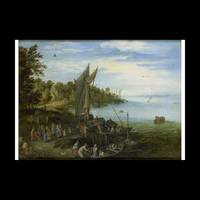
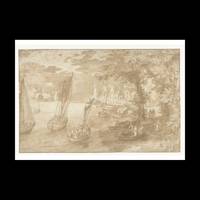
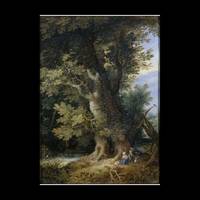
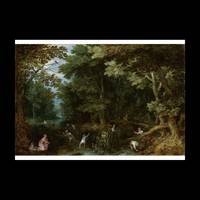
3620994Contentum Ltd. Loose sheet. New. High-quality art print based on an original work from the Rijksmuseum. Created in the 17th century 1600. Professionally printed on premium fine-art paper Photo Rag 308 in size A2. The artwork is printed with a white border museum-style presentation. Contentum Ltd. unknown
3620995Contentum Ltd. Loose sheet. New. High-quality art print based on an original work from the Rijksmuseum. Created in the 17th century 1600. Professionally printed on premium fine-art paper Photo Rag Bright White premium quality in size A2. The artwork is printed with a white border museum-style presentation. Contentum Ltd. unknown
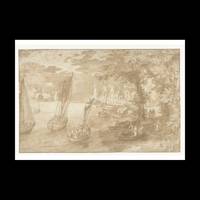
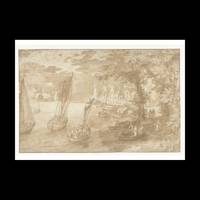
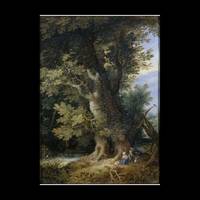
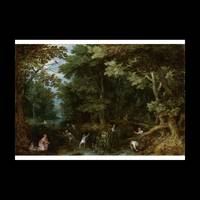
3475025Contentum Ltd. Loose sheet. New. High-quality art print based on an original work from the Rijksmuseum. Created in the 16th century 1578. Professionally printed on premium fine-art paper Photo Rag Bright White in size A2. The artwork is printed with a white border museum-style presentation. Contentum Ltd. unknown
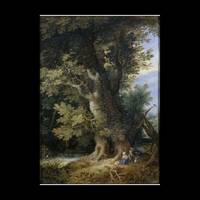
3475026Contentum Ltd. Loose sheet. New. High-quality art print based on an original work from the Rijksmuseum. Created in the 16th century 1578. Professionally printed on premium fine-art paper Photo Rag 308 premium quality in size A2. The artwork is printed with a white border museum-style presentation. Contentum Ltd. unknown
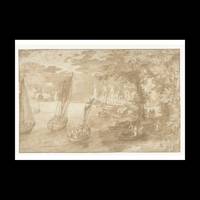
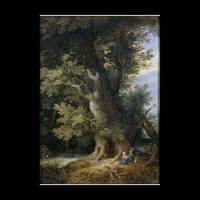
3475024Contentum Ltd. Loose sheet. New. High-quality art print based on an original work from the Rijksmuseum. Created in the 16th century 1578. Professionally printed on premium fine-art paper Museum Etching museum quality in size A3. The artwork is printed with a white border museum-style presentation. Contentum Ltd. unknown
3475027Contentum Ltd. Loose sheet. New. High-quality art print based on an original work from the Rijksmuseum. Created in the 16th century 1578. Professionally printed on premium fine-art paper Museum Etching museum quality in size A2. The artwork is printed with a white border museum-style presentation. Contentum Ltd. unknown
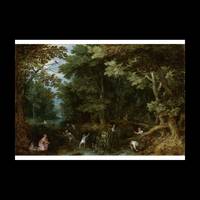
3621127Contentum Ltd. Loose sheet. New. High-quality art print based on an original work from the Rijksmuseum. Created in the 17th century 1600. Professionally printed on premium fine-art paper Photo Rag Bright White premium quality in size A2. The artwork is printed with a white border museum-style presentation. Contentum Ltd. unknown
3621128Contentum Ltd. Loose sheet. New. High-quality art print based on an original work from the Rijksmuseum. Created in the 17th century 1600. Professionally printed on premium fine-art paper Museum Etching museum quality in size A2. The artwork is printed with a white border museum-style presentation. Contentum Ltd. unknown
3621126Contentum Ltd. Loose sheet. New. High-quality art print based on an original work from the Rijksmuseum. Created in the 17th century 1600. Professionally printed on premium fine-art paper Photo Rag 308 in size A2. The artwork is printed with a white border museum-style presentation. Contentum Ltd. unknown
3621125Contentum Ltd. Loose sheet. New. High-quality art print based on an original work from the Rijksmuseum. Created in the 17th century 1600. Professionally printed on premium fine-art paper Museum Etching museum quality in size A3. The artwork is printed with a white border museum-style presentation. Contentum Ltd. unknown
27445BRUEGHEL GLUCK Gustav. PIETER BRUEGHEL THE ELDER. Paris: Hyperion Press 1937. 4to. Cloth dust jacket. 34 2 pages 63 plat of which 38 colored. First edition. Comprehensive catalog of the works of Pieter Brueghel the Elder the sixteent century Renaissance artist from the Netherlands. Originally written in German it is translated into English by Eveline Byam Shaw. Filled with illustratio and thirty-eight colored plates tipped in the text. Signatures at beginning end of book are loose. unknown
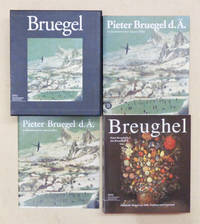
88148Wien Kunsthistorisches Museum 1997. 4° 3 Bde. in OHLwd.-Schmuckschuber. Scuber etw. unsauber sonst tadellos. Anth.: Wilfried Seipel Hg.: Pieter Bruegel d. Ä. im Kunsthistorischen Museum Wien auch Mailand Skira o. J.; 164 S. farb. Abb.; Kart. m. OU; 2.: Pieter Breughel der Jüngere - Jan Breughel der Ältere. Flämische Malerei um 1600. Tradition und Fortschritt auch Lingen Luca; Kart. m. OU; 535 S. farb. Abb.; 3.: Wilfried Seipel Hg.: Pieter Bruegel d. Ä. Beheft: ergänzende Leihgaben zur Ausstellung . geh.; 22 S. farb. Abb. 010 Wien, Kunsthistorisches Museum, 1997 unknown
74676München Hirmer 1997. 4° 350 S. zahlr. meist farb. u. oft ganzseit. Abb. OLwd. m. OU OU an den Kapitalen etw. knittrig sonst tadellos. Dt. EA. «Seit langem der erste ernsthafte Versuch Leben und Werk des Künstlers in allen Facetten darzustellen». 010 München, Hirmer, 1997 unknown
2000C86897Luca Verlag. As New. 2000. Hardcover. 3923641370 . FREE UPGRADE to Courier/Priority Shipping Upon Request - IN STOCK AND IMMEDIATELY AVAILABLE FOR SHIPMENT - Flawless copy brand new pristine never opened -- TWO 2 VOLUME SET. 1039 pages 1050 illustrations including 150 in color. Catalogue Raisonne Catalog Raisonné Complete Works Leben Und Werk Oeuvre-Katalog Kritischem Oeuvrekatalog Raisonnee Gemälde Gemaelde -- with a bonus offer-- - May be EITHER: out of print OOP and extremely rare in this pristine condition; signed by author or contributor; or a first or special edition; inquire for details . Luca Verlag hardcover
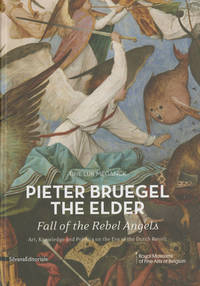
20151-8836629644Silvana 2015. Hardcover. New. reprint edition. 208 pages. 10.00x7.00x1.00 inches. Silvana hardcover
200086897Luca Verlag. New. 2000. Hardcover. 3923641370 . FREE UPGRADE to Courier/Priority Shipping Upon Request - IN STOCK AND IMMEDIATELY AVAILABLE FOR SHIPMENT - Flawless copy brand new pristine never opened -- TWO 2 VOLUME SET. 1039 pages 1050 illustrations including 150 in color. Catalogue Raisonne Catalog Raisonné Complete Works Leben Und Werk Oeuvre-Katalog Kritischem Oeuvrekatalog Raisonnee Gemälde Gemaelde Luca Verlag hardcover
10-0750Luca Verlag Lingen 1998. 439 pp. illus. Catalogue for an exhibition at Kulturstiftung Ruhr Essen and Koninklijk Museum voor Schone Kunsten Anvers. Very good in wraps. Luca Verlag Lingen, 1998. paperback
2026232831Flammarion 2026. Bon Etat bords un peu frottés intérieur propre. in12. 2026. Poche - Broché. non paginé env 50p pages. nombreuses illustrations couleurs Flammarion unknown
19-8598NY: The New York Graphic Society ca. 1940s. Large format color reproduction print poster 20†x 26â€. Very Good. Printed in USA. Copyright The New York Graphic Society. NY: The New York Graphic Society, [ca. 1940s?]. unknown
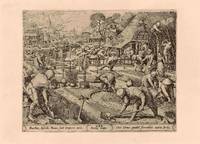
ABAA9<p>N.p. 1570.</p><p>Engraved copper plates by <em>Pierre Van der Heyden</em>.</p><p>Latin captions. Fine margins.</p><p>Spring : 228 x 287 cm trimmed to the borderline.</p><p>Summer : 225 x 285 cm trimmed to the platemark.</p><p>Autumn : 225 x 286 cm trimmed to the platemark.</p><p>Winter : 226 x 287 cm trimmed to the platemark somewhat more in lower part.</p><p>First issue of this superb and complete suite of the four seasons published in 1570.</p><p>Hollstein III p. 297 200 202 ; Lebeer 77 et 78.</p><p>This suite is composed of 4 engravings:</p><p><!-- if !supportLists-->- <!--endif-->"<em>Ver</em>" Spring and "<em>Aestas</em>" Summer after Bruegel: the land is fervently cultivated by men and women in the countryside until the harvest;</p><p><!-- if !supportLists-->- <!--endif-->"<em>Autumnus</em>" Autumn and "<em>Hyems</em>" Winter after Hans Bol since the suite has not been completed before Bruegel's death: men and women are busy slaughtering animals and grape-picking to finally go in for wintery leisure.</p><p><em>The Four Seasons </em>are the result of a close co-operation between <em>Pieter Bruegel</em> and <em>Jerome</em> <em>Cock</em>an engraving publisher in Antwerp.</p><p>However the four plates engraved by <em>Pieter van der Heyden</em> have not been for all of them created by Bruegel. Indeed the project was running late and before his death in 1569 Bruegel only provided two drawings: <em>Spring</em> in 1565 Graphische Sammlung Albertina in Vienna and <em>Summer</em> Kunsthalle Hamburg Kupferstichkabinett dated 1568.</p><p>Little time after his death Jerome Cock put the landscaper Hans Bol in charge of drawing the two missing scenes <em>Autumn </em>and <em>Winter</em>.</p><p>This series belongs to a long tradition which dates back to the Middle-Ages miniatures of the months and seasons would illustrate the book of hours calendars. Nevertheless Bruegel instills a new inventiveness in these themes. Thus in <em>Summer</em> the bodies are surprisingly powerful and jut out from the frame's engraving enhancing the depth.</p><p>The traditional activities specific to each season are represented: in <em>Spring</em> March is symbolized by the gardening represented in the foreground April by the shearing on the left towards the background and May by Spring celebrations on the right in the background. In <em>Summer</em> June is represented by the storage of the hay on the left and on the right and August by the wheat harvest on the foreground.</p><p><em>Autumn</em> and <em>Winter</em> drawn by Hans Bol follow the same principle: the characters go about their typical occupations of each season the pig is killed people ice-skate on the frozen lake; but the stylistic treatment is different and is closer to the medieval tradition.</p><p>Lebeer says about "<em>Aestas</em>": "This composition can be considered as one of Bruegel's most powerful creations<em>. The monumental greatness of certain figures animating it has something close to Michelanglo's style.</em>"</p><p>"<em>The many depictions of the Seasons that followed include the set of engravings that Hieronymus Cock issued after Pieter Bruegel the Elder and Hans Bol. Very much reflecting in their compositional structure the subjects of the traditional Months </em>Cock's four prints show both urban pleasures and peasant labors<em> the latter generally predominating except in the 'Winter' print. Lie the Months and occasionally influenced by the Bruegel-Bol series </em>the Seasons enjoyed great popularity in later Flemish art both painting and prints."</p><p>Walter S. Gibson <em>Pleasant places: the rustic Landscape from Bruegel to Ruisdael</em> p. 125.</p><p>Before being a painter Bruegel was a drawer.</p><p>" <em>C'est comme élève de Pierre Coecke qu'en 1551 Peter Brueghel est reçu dans la gilde anversoise. Puis selon l'usage établi chez les peintres flamands au moins depuis Jean Gossart une quarantaine d'années auparavant le jeune 'Franc-maître' part pour l'Italie où au lieu comme ses contemporains Lambert Lombart Frans Floris d'interroger les œuvres de Léonard de Vinci de Michel Ange de Raphael ou plus récentes des derniers grands Vénitiens Tintoret et Titien il fuit les vieilles pierres les colonnes et les imposantes fresques pour dessiner dans la campagne romaine précurseur en cela des modernes paysagistes. Si nous ne connaissons pas l'itinéraire certain du voyage de Brueghel en Italie qui lui fit peut-être traverser la France du moins nous en est-il resté bien mieux encore : ses premiers dessins connus. Que l'on ne se méprenne pas sur ce mot de dessins ce ne sont nullement des croquis. Non seulement les dessins très complets qui jalonnent toute sa carrière furent presque tous destinés à être fidèlement reproduits par la gravure mais encore à partir de ses premiers dessins datés de 1552 et 1553 faudra-t-il attendre jusqu'à 1559 pour voir apparaitre sa première œuvre peinte.</em></p><p><em>Sans que l'on puisse conclure qu'il n'avait rien peint avant cette date il n'en est pas moins évident que le dessin tel qu'il l'entendait lui était un moyen d'expression suffisant et complet. Revenu d'Italie en 1554 c'est de nouveau à Anvers qu'il se fixe et travaille pour Jérôme Cock ancien peintre établi avec son frère Mathys éditeur et marchand d'estampes à l'enseigne des 'Quatre Vents'. .</em> "</p><p>"<em>Died in 1569 Peter Bruegel was after Jerome Bosch dead in 1516. the 16th century Flemish figure surely and clearly situated between the century of Van Eyck Van der Weyden Memling lasting in Quentin Metsys and the century of Rubens and Baroque</em>." Jacques Busse.</p><p>Superb suite of great rarity with such wide margins.</p><p><strong>French</strong></p><p>S .l. 1570.</p><p>Cuivres gravés par <em>Pierre Van der Heyden</em>.</p><p>Légendes en latin. Belles marges.</p><p>Printemps : 228 x 287 cm trimmed to the borderline.</p><p>Eté : 225 x 285 cm trimmed to the platemark.</p><p>Automne : 225 x 286 cm trimmed to the platemark.</p><p>Hiver : 226 x 287 cm trimmed to the platemark somewhat more in lower part.</p><p>Premier tirage de cette superbe suite complète des quatre saisons publiée en 1570.</p><p>Hollstein III p. 297 200 202 ; Lebeer 77 et 78.</p><p>Cette suite est composée de 4 gravures :</p><p><!-- if !supportLists-->- <!--endif-->" <em>Ver</em> " Printemps et " <em>Aestas</em> " Eté d'après Brueghel : la terre y est cultivée avec ardeur par hommes et femmes de la campagne jusqu'à la moisson ;</p><p><!-- if !supportLists-->- <!--endif-->" <em>Autumnus</em> " Automne et " <em>Hyems</em> " Hiver d'après Hans Bol car la suite ne fut pas achevée avant le décès de Brueghel : hommes et femmes s'affairent à l'abatage des animaux et aux vendanges pour ensuite s'adonner aux divertissements hivernaux.</p><p><em>Les Quatre Saisons </em>sont le fruit de l'étroite collaboration entre <em>Pieter Bruegel</em> et <em>Jérôme Cock</em> éditeur d'estampes à Anvers.</p><p>Les quatre planches gravées par <em>Pieter van der Heyden</em> n'ont néanmoins pas toutes été conçues par Bruegel. En effet le projet prit du retard et avant sa mort en 1569 Bruegel ne fournit que deux dessins: <em>Le Printemps</em> en 1565 Graphische Sammlung Albertina de Vienne et <em>L'Eté</em> Kunsthalle Hambourg Kupferstichkabinett daté de 1568.</p><p>Peu après sa mort Jérôme Cock chargea le paysagiste Hans Bol de dessiner les deux scènes manquantes <em>L'Automne </em>et <em>L'Hiver</em>.</p><p>Cette série s'inscrit dans la longue tradition qui remonte au Moyen Age des miniatures des mois et des saisons qui illustraient les calendriers des livres d'heures. Bruegel insuffle néanmoins une inventivité nouvelle à cette thématique. Ainsi dans <em>L'Eté</em> les corps sont étonnamment puissants et débordent même du cadre de l'estampe renforçant l'effet de profondeur.</p><p>Les activités traditionnelles propres à chaque saison sont représentées : dans <em>Le Printemps</em> mars est symbolisé par le jardinage représenté au premier plan avril par la tonte des moutons plus à gauche vers l'arrière plan et mai par les fêtes du printemps à droite à l'arrière plan. Dans <em>L'Eté</em> juin est représenté par la cueillette des fruits dans les grands arbres au centre à l'arrière plan juillet par la rentrée du foin au loin à gauche et à droite et août par le moissonnage du blé au premier plan.</p><p><em>L'Automne</em> et <em>L'Hiver</em> dessinés par Hans Bol suivent le même principe : les personnages vaquent à des occupations typiques de chaque saison on tue le cochon en automne on patine sur un lac gelé en hiver ; mais le traitement stylistique est différent et s'apparente plus à la tradition médiévale.</p><p>Lebeer dit d' " <em>Aestas</em> " : " cette composition peut être rangée parmi les créations les plus puissantes de Bruegel<em>. La grandeur monumentale de certaines figures qui l'animent a quelque chose de vraiment michelangelesque</em> ".</p><p>"<em>The many depictions of the Seasons that followed include the set of engravings that Hieronymus Cock issued after Pieter Bruegel the Elder and Hans Bol. Very much reflecting in their compositional structure the subjects of the traditional Months </em>Cock's four prints show both urban pleasures and peasant labors<em> the latter generally predominating except in the 'Winter' print. Lie the Months and occasionally influenced by the Bruegel-Bol series </em>the Seasons enjoyed great popularity in later Flemish art both painting and prints."</p><p>Walter S. Gibson <em>Pleasant places: the rustic Landscape from Bruegel to Ruisdael</em> p. 125.</p><p>Avant d'être peintre Brueghel est dessinateur.</p><p>" <em>C'est comme élève de Pierre Coecke qu'en 1551 Peter Brueghel est reçu dans la gilde anversoise. Puis selon l'usage établi chez les peintres flamands au moins depuis Jean Gossart une quarantaine d'années auparavant le jeune 'Franc-maître' part pour l'Italie où au lieu comme ses contemporains Lambert Lombart Frans Floris d'interroger les œuvres de Léonard de Vinci de Michel Ange de Raphael ou plus récentes des derniers grands Vénitiens Tintoret et Titien il fuit les vieilles pierres les colonnes et les imposantes fresques pour dessiner dans la campagne romaine précurseur en cela des modernes paysagistes. Si nous ne connaissons pas l'itinéraire certain du voyage de Brueghel en Italie qui lui fit peut-être traverser la France du moins nous en est-il resté bien mieux encore : ses premiers dessins connus. Que l'on ne se méprenne pas sur ce mot de dessins ce ne sont nullement des croquis. Non seulement les dessins très complets qui jalonnent toute sa carrière furent presque tous destinés à être fidèlement reproduits par la gravure mais encore à partir de ses premiers dessins datés de 1552 et 1553 faudra-t-il attendre jusqu'à 1559 pour voir apparaitre sa première œuvre peinte.</em></p><p><em>Sans que l'on puisse conclure qu'il n'avait rien peint avant cette date il n'en est pas moins évident que le dessin tel qu'il l'entendait lui était un moyen d'expression suffisant et complet. Revenu d'Italie en 1554 c'est de nouveau à Anvers qu'il se fixe et travaille pour Jérôme Cock ancien peintre établi avec son frère Mathys éditeur et marchand d'estampes à l'enseigne des 'Quatre Vents'. .</em> "</p><p>" <em>Mort en 1569 Peter Brueghel fut après Jérôme Bosch mort en 1516. la grande figure du XVIe siècle flamand solidement et clairement situé entre le siècle des Van Eyck Van der Weyden Memling se prolongeant en Quentin Metsys et le siècle de Rubens et des Baroques</em> " Jacques Busse.</p><p>Superbe suite de toute rareté avec de si belles marges.</p>
477Brussels: Van Oest 1908. The original edition of the monumental catalogue raisonne of Bruegel's prints. 278 items described in detail. Hundreds of plates many full-page. Folio rebound in cloth with original front wrapper bound in. A little discoloration to wrapper otherwise fine and uncut. <br/><br/> Brussels: Van Oest, 1908 hardcover
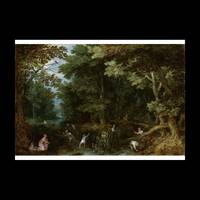
3621264Contentum Ltd. Loose sheet. New. High-quality art print based on an original work from the Rijksmuseum. Created in the 17th century 1605. Professionally printed on premium fine-art paper Photo Rag 308 in size A2. The artwork is printed with a white border museum-style presentation. Contentum Ltd. unknown
3621265Contentum Ltd. Loose sheet. New. High-quality art print based on an original work from the Rijksmuseum. Created in the 17th century 1605. Professionally printed on premium fine-art paper Photo Rag Bright White premium quality in size A2. The artwork is printed with a white border museum-style presentation. Contentum Ltd. unknown
3621266Contentum Ltd. Loose sheet. New. High-quality art print based on an original work from the Rijksmuseum. Created in the 17th century 1605. Professionally printed on premium fine-art paper Museum Etching museum quality in size A2. The artwork is printed with a white border museum-style presentation. Contentum Ltd. unknown
3621263Contentum Ltd. Loose sheet. New. High-quality art print based on an original work from the Rijksmuseum. Created in the 17th century 1605. Professionally printed on premium fine-art paper Museum Etching museum quality in size A3. The artwork is printed with a white border museum-style presentation. Contentum Ltd. unknown