Charache, AnnibalAntiquariat.de

4 résultats
1750902882AG[Um 1750]. Kupferstich 39,5 x 26 cm.
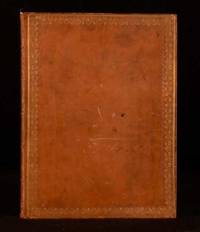
1798FGN13-B-12Paris: A La Nouvelle Cythere 1798. Leather. Very Good Indeed. 12.5" by 9.5". None. A French description of the series of erotic engraved plates. Containing the descriptions only and bound in full calf. A French description of the series of erotic engraved plates depicting pairs of lovers in different positions of intercourse. Missing the twenty engraved plates by Carrachi and containing the text only. The plates depict couples and scenes from mythology including Jupiter and Juno Anthony and Cleopatra and Ovid sand Corinne. I Modi The Ways also known as The Sixteen Pleasures or under the Latin title De omnibus Veneris Schematibus is a famous erotic book of the Italian Renaissance in which a series of sexual positions were explicitly depicted in engravings. While the original edition was apparently completely destroyed by the Catholic Church fragments of a later edition survived. The second edition was accompanied by sonnets written by Pietro Aretino which described the sexual acts depicted. The original illustrations were probably copied by Agostino Caracci whose version survives. In a calf binding with gilt dentelles. Externally smart though with some rubbing and marks. Internally firmly bound. Pages are bright and clean with just the odd patch of foxing. Very Good Indeed A La Nouvelle Cythere hardcover
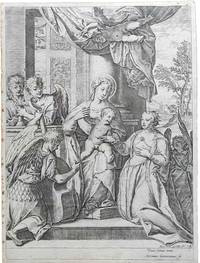
174012992S.l. Venetia 1740. 311x234mm. 12¼x9¼". Italia 1585. Grabado. 311 x 234mm. Inscripción en el margen inferior derecho "Gustino Caraci fe.1585 / Pauli Calliari inven. / Antonius Carensanus fo". Muy buena impresión del tercer estado con la adición de los nombres de Agostino Carracci y otros en la plancha. Paolo Veronese fue el mejor exponente del manierismo veneciano del siglo XVI. unknown
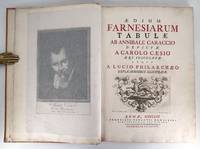
17531715Rome: Venantius Monaldinus 1753. First Edition. Near fine. Oversized folio 17 1/4 x 12 inches 438 x 304 mm; half title engraved portrait of Annibale Carracci on frontispiece with tissue guard rubricated title with large engraved vignette; 10 unnumbered prelim. pages and index LXXIV pages with wide margins and uncut forty engravings on thirty-three numbered plates -of which 11 are oversized and folding- and over 60 large vignettes and historiated initials. Bound in half calf with orange paper-covered boards corners bumped edges and spine rubbed but binding is tight and square paper supple and clean with only minor discoloration and toning to gutters. <br /> Cicognara 3376; Bartsch XXI pp. 103-114 nos.21-64. The superbly engraved plates by Carlo Cesio 1622 - 1682 reproduce the Palazzo Farnese frescoes that Annibale Carracci 1560 - 1609 began in 1597 and completed in 1608 just one year before his death. The frescoes were commissioned by Alessandro Farnese 1468-1549 later Pope Paul III ostensibly in honor of his niece's nuptials and located on the 'piano nobile' of the family's palace which today hosts the French Embassy in Rome. They depict "The Loves of the Gods" and were greatly admired at the time and were later considered to reflect a significant change in painting style away from sixteenth century Mannerism in anticipation of the development of Baroque and Classicism in Rome during the seventeenth century.<br /> "The important cycle of frescoes trompe-l'oeil and architectural framework known as quadratura that make up the barrel-vaulted ceiling of the gallery depict the 'Loves of the Gods' a sophisticated dialogue between the theme of love and allegorical subjects from antiquity." Quoted from World Monuments Fund website. Venantius Monaldinus unknown