Goya, Francisco deBiblio.com
2 387 résultats
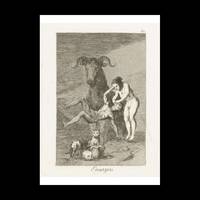
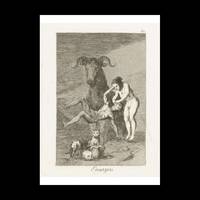
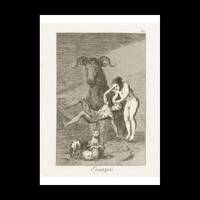
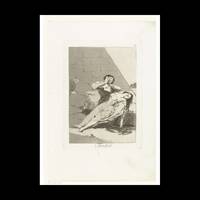
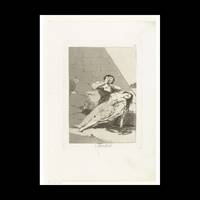
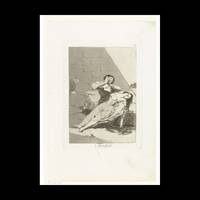
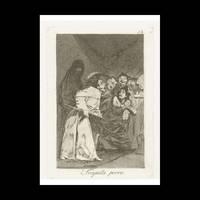
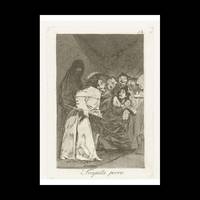
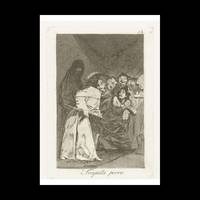
1649050Contentum Ltd. Loose sheet. New. High-quality art print based on an original work from the Rijksmuseum. Created in the 18th century 1797. Professionally printed on premium fine-art paper Photo Matt Fibre in size A2. The artwork is printed with a white border museum-style presentation. Contentum Ltd. unknown
1649051Contentum Ltd. Loose sheet. New. High-quality art print based on an original work from the Rijksmuseum. Created in the 18th century 1797. Professionally printed on premium fine-art paper Photo Rag Bright White premium quality in size A2. The artwork is printed with a white border museum-style presentation. Contentum Ltd. unknown
1649049Contentum Ltd. Loose sheet. New. High-quality art print based on an original work from the Rijksmuseum. Created in the 18th century 1797. Professionally printed on premium fine-art paper Museum Etching museum quality in size A3. The artwork is printed with a white border museum-style presentation. Contentum Ltd. unknown
1649052Contentum Ltd. Loose sheet. New. High-quality art print based on an original work from the Rijksmuseum. Created in the 18th century 1797. Professionally printed on premium fine-art paper Museum Etching museum quality in size A2. The artwork is printed with a white border museum-style presentation. Contentum Ltd. unknown
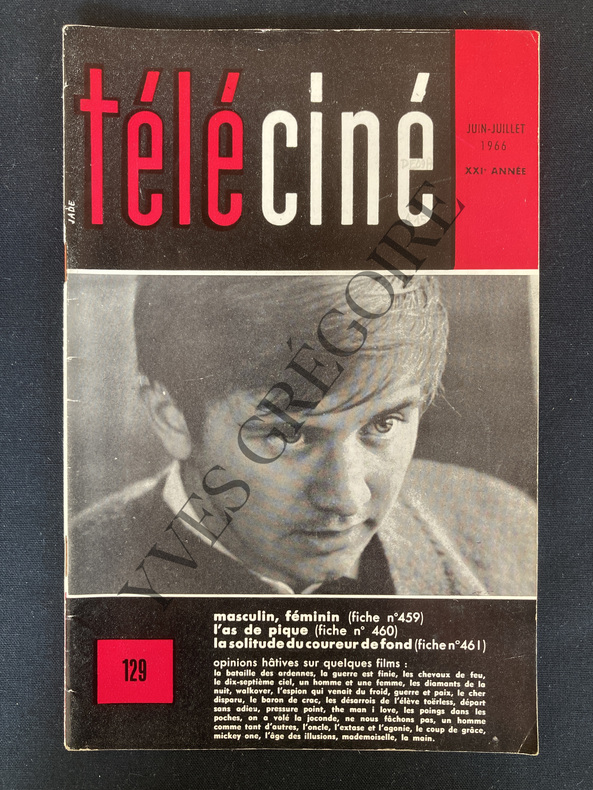
1966ABE-151318101610768 PAGES-15,7 CM X 23,8 CM-EN COUVERTURE "L'AS DE PIQUE"-PERIL JEUNE ET CINEMA NOUVEAU, 2P-MASCULIN-FEMININ, JEAN-LUC GODARD, 12P, 4 PHOTOS-L'AS DE PIQUE, MILOS FORMAN, 10P, 3 PHOTOS-LA SOLITUDE DU COUREUR DE FOND (THE SOLITUDE OF A LONG DISTANCE RUNNER), 9P, 2 PHOTOS-UN HOMME ET UNE FEMME, LELOUCH, 2P-LE BARON DE CRAC-(DE0917)
9786586539189SOLISLUNA DISTRIBUICAO. new. Neste livro Loom e Ax�� contam a hist��ria da tecelagem manual uma das atividades maisantigas da humanidade que atǸ hoje Ǹ um artesanato muito utilizado.No continente africano hǭ uma grande variedade de teares SOLISLUNA DISTRIBUICAO unknown
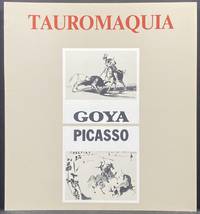
Un volume di 76 pagine, brossura editoriale con sovracoperta illustrata. Dimensioni: 21x25,5 cm. Ottime condizioni. 33 incisioni in b/n nel testo. Testo in lingua italiana e spagnola (traduzione di Silvia Serra). Catalogo della mostra, Roma, Accademia spagnola di Storia, Archeologia e Belle Arti, maggio 1994.
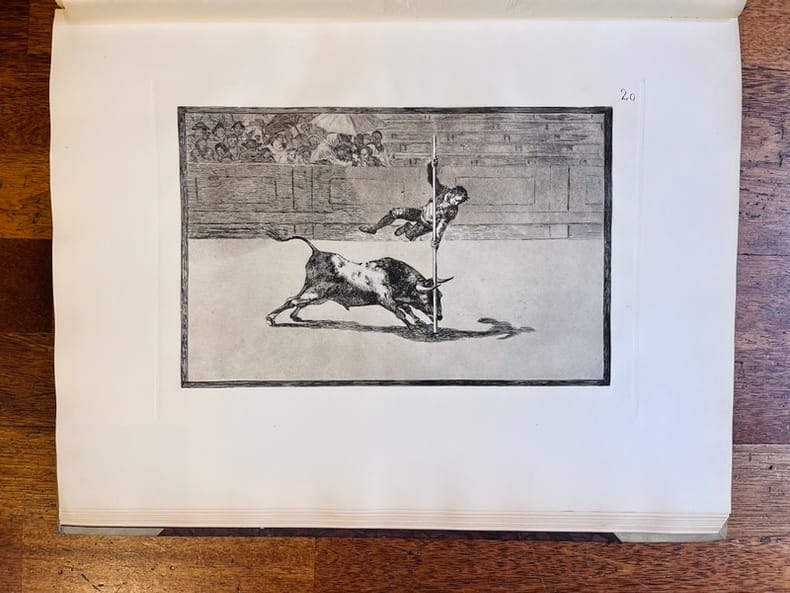
19607008Madrid: Rafael Casariego 1960. Limited Edition. Hardcover. Near Fine. No DJ. Very minor shelf/edge wear else tight bright and unmarred. Beige cloth boards gilt lettering and pictorial elements tissue guards. Oblong fo. np. Illus. b/w plates. <br/><br/>A stunning collection of facsimile reproductions of Goya's bullfighting engravings. Very scarce. Rafael Casariego hardcover books
19607008Madrid: Rafael Casariego 1960. Limited Edition. Hardcover. Near Fine. No DJ. Limited Edition. Hardcover. A stunning collection of facsimile reproductions of Goya's bullfighting engravings. Very scarce. Very minor shelf/edge wear else tight bright and unmarred. Beige cloth boards gilt lettering and pictorial elements tissue guards. Oblong fo. np. Illus. b/w plates. Rafael Casariego hardcover
19859793Usa: Guggenheim Foundation 1985. 1st Edition. Soft cover. Near Fine. 61 Prints By Goya & Picasso. Light Spotting On Back Of Front Panel. Exhibition Catalogue Of Peggy Guggenheim Collection Venice 1985. Curated By Fred Licht. 4to. Guggenheim Foundation unknown
192321423München, Hugo Schmidt verlag, 1923. In-folio de [4]-16-[1] pages et 43 feuillets, demi-vélin à coins, dos lisse, tête dorée.
197855221ABEdicion facsimil. Madrid. Estudio preliminar por Rafael Casariego. Ediciones Velazquez. 1978. 33,8x46 cm. 19 p., 1 p., 40 planches, 2 f. Reliure en simili cuir.
BN76844Duncker & Humblot. Tatprovokation als Ermittlungsmaßnahme. - Rechtliche Grenzen der Beweiserhebung und Beweisverwertung beim Einsatz polizeilicher Lockspitzel im Strafverfahren. <br/><br/> Duncker & Humblot. unknown
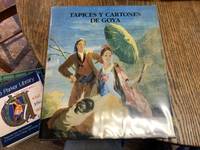
1996BOOKS317424Madrid Spain: Lunwerg Editores. VG/VG. 1996. Hardcover w/DJ. 4to. 201 pp. . Lunwerg Editores hardcover
199668686Lunwerg Editores. New. 1996. Hardcover. 8477823901 . FREE UPGRADE to Courier/Priority Shipping Upon Request - IN STOCK AND IMMEDIATELY AVAILABLE FOR SHIPMENT - Flawless copy brand new pristine never opened -- Text in Spanish. 202 pp. With 157 ills. 133 col. . 30 x 25 cm. -- with a bonus offer-- . Lunwerg Editores hardcover
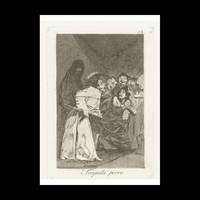
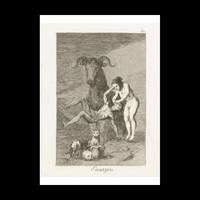
1648361Contentum Ltd. Loose sheet. New. High-quality art print based on an original work from the Rijksmuseum. Created in the 18th century 1797. Professionally printed on premium fine-art paper Photo Matt Fibre in size A2. The artwork is printed with a white border museum-style presentation. Contentum Ltd. unknown
1648362Contentum Ltd. Loose sheet. New. High-quality art print based on an original work from the Rijksmuseum. Created in the 18th century 1797. Professionally printed on premium fine-art paper Photo Rag Bright White premium quality in size A2. The artwork is printed with a white border museum-style presentation. Contentum Ltd. unknown
1648360Contentum Ltd. Loose sheet. New. High-quality art print based on an original work from the Rijksmuseum. Created in the 18th century 1797. Professionally printed on premium fine-art paper Museum Etching museum quality in size A3. The artwork is printed with a white border museum-style presentation. Contentum Ltd. unknown
1648363Contentum Ltd. Loose sheet. New. High-quality art print based on an original work from the Rijksmuseum. Created in the 18th century 1797. Professionally printed on premium fine-art paper Museum Etching museum quality in size A2. The artwork is printed with a white border museum-style presentation. Contentum Ltd. unknown
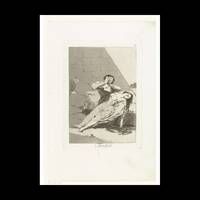
Acquaforte e bulino, circa 1810/15. Il titolo dell’opera è tratto da una scrittura a mano in una prova di stampa dell’opera che Goya include nell’album dei “Disastri della guerra” che donò al suo amico Ceán Bermúdez e che ora è conservato al British Museum di Londra. Il disegno preparatorio dell’opera è conservato al Prado di Madrid. Esemplare nel terzo stato di quattro, inserito nella Gazette des Beaux-Arts (1867); si tratta della prima vera edizione dell’opera, conosciuta altrimenti solo attraverso due prove di stampa. "A seated prisoner raises his clasped hands, both fastened with chains, in a gesture of supplication. We cannot see his features since his face is hidden beneath his long, dark hair. His feet are fastened in large shackles. Both the chains and the shackles are of considerable size, underlining their importance in any interpretation of the print. In fact, just as the title of the etching shows, the painter is comparing the excessive zeal employed in preventing the prisoner from escaping to the brutality of the crime he is accused of. It is possible that the way in which the prisoner is secured in this work by Goya was habitual at the time, an idea which is supported by certain passages of Forensic Discourses (Discursos forenses), by Juan Meléndez Valdés (Ribera del Fresno, Badajoz, 1754- Montpellier, 1814), whose portrait Goya painted in 1797. This book, published in Madrid in 1821, speaks of the cumbersome chains and shackles used to hold one María Vicente, put to death on the 23rd April 1798. Goya could well have known of her story: "But it is said that Doña María Vicente must have been treated, as the noblewoman that she is, in a very different manner, and not locked in shackles; and even thus fettered it was the judge's responsibility to examine their state and quality beforehand, to order them put on correctly". The painter has made extensive use of the etching technique here, building up the background with short, horizontal lines, whilst leaving large areas on the prisoner's clothing untouched and white, underlining his innocence. This etching would have been made at the same time as two others: The custody of a prisoner does not call for torture and If he is guilty, let him die quickly. In these images, Goya openly expresses his repulsion of the way in which prisoners were treated, as well as his opposition to the death penalty, echoing the ideas of Cesare Beccaria (Milan, 1738- Milan, 1794). In the pages of the work entitled Dei deliti e delle pene, published between 1763 and 1764, the Milanese talks of the need to modify the penal system, to lessen the severity of punishments and to seek out mechanisms for preventing crime. It is possible that these etchings also contributed to the debate on the abolition of torture which was being discussed in the Courts of Cádiz. Goya reiterates this same topic in some of the prints in his Disasters of War series, such as no. 15, And it can't be helped, no. 31, That's tough!, no. 32, Why?, no. 34, On account of a knife, no. 35, One can't tell why and no. 36, Not in this case either. Despite the gritty subject matter, the figure depicted in this etching possesses great dignity, recalling some earlier precedents which Goya may have been familiar with. One of these is an anonymous print based on Interior of a Prison (16th century, Museum of Fine Arts, Boston), by Giulio Romano (Rome, 1499-Mantua, 1596). When he was making this print, Goya may also have had in mind the disturbing, gloomy ambience of the prisons of Giambattista Piranesi (Mogliano Veneto, Treviso, 1720- Roma, 1778)." (cfr. https://fundaciongoyaenaragon.es/eng/obra/tan-barbara-la-seguridad-como-el-delito/712). Tomás Harris ritiene che la matrice di rame si trovi in una collezione privata di Parigi. Bibliografia Harris 26 III/IV; Delteil 31. Etching and engraving, circa 1810/15. The title of this work is taken from the handwritten title of a state proof that Goya included in the album of his Disasters of War prints which he gave to his friend Ceán Bermúdez and which is now in the British Museum, London. The preparatory drawing for this etching is in the Prado Museum, Madrid. Example of the third state of four, form the Gazette des Beaux-Arts (1867), firts edition of this work, before known only for proof states. "A seated prisoner raises his clasped hands, both fastened with chains, in a gesture of supplication. We cannot see his features since his face is hidden beneath his long, dark hair. His feet are fastened in large shackles. Both the chains and the shackles are of considerable size, underlining their importance in any interpretation of the print. In fact, just as the title of the etching shows, the painter is comparing the excessive zeal employed in preventing the prisoner from escaping to the brutality of the crime he is accused of. It is possible that the way in which the prisoner is secured in this work by Goya was habitual at the time, an idea which is supported by certain passages of Forensic Discourses (Discursos forenses), by Juan Meléndez Valdés (Ribera del Fresno, Badajoz, 1754- Montpellier, 1814), whose portrait Goya painted in 1797. This book, published in Madrid in 1821, speaks of the cumbersome chains and shackles used to hold one María Vicente, put to death on the 23rd April 1798. Goya could well have known of her story: "But it is said that Doña María Vicente must have been treated, as the noblewoman that she is, in a very different manner, and not locked in shackles; and even thus fettered it was the judge's responsibility to examine their state and quality beforehand, to order them put on correctly". The painter has made extensive use of the etching technique here, building up the background with short, horizontal lines, whilst leaving large areas on the prisoner's clothing untouched and white, underlining his innocence. This etching would have been made at the same time as two others: The custody of a prisoner does not call for torture and If he is guilty, let him die quickly. In these images, Goya openly expresses his repulsion of the way in which prisoners were treated, as well as his opposition to the death penalty, echoing the ideas of Cesare Beccaria (Milan, 1738- Milan, 1794). In the pages of the work entitled Dei deliti e delle pene, published between 1763 and 1764, the Milanese talks of the need to modify the penal system, to lessen the severity of punishments and to seek out mechanisms for preventing crime. It is possible that these etchings also contributed to the debate on the abolition of torture which was being discussed in the Courts of Cádiz. Goya reiterates this same topic in some of the prints in his Disasters of War series, such as no. 15, And it can't be helped, no. 31, That's tough!, no. 32, Why?, no. 34, On account of a knife, no. 35, One can't tell why and no. 36, Not in this case either. Despite the gritty subject matter, the figure depicted in this etching possesses great dignity, recalling some earlier precedents which Goya may have been familiar with. One of these is an anonymous print based on Interior of a Prison (16th century, Museum of Fine Arts, Boston), by Giulio Romano (Rome, 1499-Mantua, 1596). When he was making this print, Goya may also have had in mind the disturbing, gloomy ambience of the prisons of Giambattista Piranesi (Mogliano Veneto, Treviso, 1720- Roma, 1778)." (cf. https://fundaciongoyaenaragon.es/eng/obra/tan-barbara-la-seguridad-como-el-delito/712). Tomás Harris believes that the plate for this etching may be in a private collection in Paris. Literature Harris 26 III/IV; Delteil 31. Harris 26, III/IV; Delteil 31.
2012LFA-126719385Un ouvrage de 149 pages, format 150 x 240 mm, illustré, broché, publié en 2012, Editions de l'Amateur, collection "Regard sur l'Art", bon état
1649010Contentum Ltd. Loose sheet. New. High-quality art print based on an original work from the Rijksmuseum. Created in the 18th century 1797. Professionally printed on premium fine-art paper Museum Etching museum quality in size A3. The artwork is printed with a white border museum-style presentation. Contentum Ltd. unknown
1649011Contentum Ltd. Loose sheet. New. High-quality art print based on an original work from the Rijksmuseum. Created in the 18th century 1797. Professionally printed on premium fine-art paper Photo Matt Fibre in size A2. The artwork is printed with a white border museum-style presentation. Contentum Ltd. unknown
1649013Contentum Ltd. Loose sheet. New. High-quality art print based on an original work from the Rijksmuseum. Created in the 18th century 1797. Professionally printed on premium fine-art paper Museum Etching museum quality in size A2. The artwork is printed with a white border museum-style presentation. Contentum Ltd. unknown
1649012Contentum Ltd. Loose sheet. New. High-quality art print based on an original work from the Rijksmuseum. Created in the 18th century 1797. Professionally printed on premium fine-art paper Photo Rag Bright White premium quality in size A2. The artwork is printed with a white border museum-style presentation. Contentum Ltd. unknown