533 résultats
13060Grenoble, Alexandre Gratier et Jules Rey, Imprimeri Allier Frères - Sans Date (1910) - Grand in-8 [200 x 240 mm], demi-basane racinée à coins, dos lisse titre doré sur étiquette maroquinée rouge et dauphins , couverture illustrée, 396 pp + 2 ff. bl +3 ff. , avec en frontispice une gravure à l'eau-forte gravée par Pennequin, d'après un dessin de Mucha sous serpente, nombreuses illustrations photos, dessins, cartes sur papier millimétré ainsi quelques planches couleurs montées, reproduisant des tableaux de Hareux, Comba et Bertier.Bien complet des 3 feuillets de prospectus en fin d'ouvrage [dont 2 sur papier rose de publicités "grenobloises", et un imprimé au verso pour préciser les dernières publications de Ferrand.Bon ensemble, bon état d'usage, qq frottements sur la reliure..
1904511911 vol. in-8 br., Typographie et Lithographie Allier Frères, Grenoble, 1904, 397 pp.
197331281973. First U.S. Edition. Hardcover. Fine/Fine. St. Martin's Press Pub. NY 1973; 1st edition in the U. S. Introduction by Marina Henderson; very fine condition with a fine dust jacket; Art; Alphonse Mucha; 143 pages; profusely illustrated hardcover
24137Pars Imprimerie Chaix 1897 Planche N°27, format 29 x 40 cm (toutes marges). Chromolithographie d'époque avec le timbre à sec de l'Imprimerie Chaix (Lugt 1777c). Notre exemplaire est une des très rares épreuves imprimées sur papier Japon (Our plate is one of the few copies printed on Japanese paper). Original plate in good condition). LES MAITRES DE L'AFFICHE, prestigieuse publication d'art, éditée par l'atelier de lithographie Chaix, dont la parution s'étala de décembre 1895 à novembre 1900. Chaque livraison comportait 4 planches de reproduction en chromolithographie d'une remarquable qualité d'impression des plus belles affiches illustrées des grands artistes français et étrangers (auxquelles il faut ajouter 16 planches de lithographies originales données en prime aux abonnés). Lors de l'Exposition universelle de 1889, fut organisée la première exposition rétrospective dévolue à l'affiche, celle-ci devait valider la reconnaissance officielle d'appartenance de l'affiche au monde de l'art. Jules Chéret (1836-1932) y sera sacré '' Maître de l'affiche '', c'est aussi à cette date que Seurat commencera à collectionner les affiches de Chéret. Alfons Maria Mucha, 1860-1939. Bel exemplaire d'une des très rares épreuves imprimées sur papier Japon, du tirage de tête (Our plate is one of the few copies printed on Japanese paper) ( Photographies sur demande / We can send pictures of this book on simple request )
1983OP-2082Konrad Fisher Dusseldorf 1983. staple binding. fine. Konrad Fisher, Dusseldorf unknown
2006Q-0809143879Paulist Pr 2006-05-01. Paperback. New. In shrink wrap. Looks like an interesting title! Paulist Pr paperback
1991mon0000145639Edition Braus 1991-01-01. Paperback. Very Good. in x in x in. very clean hardcover with jacket no marks. clean text. solid binding. very light wear. ISBN matches listing Edition Braus paperback
2011Q-0981973361Zest Books 2011-07-06. Paperback. New. In shrink wrap. Looks like an interesting title! Zest Books paperback
2025__1470475324John Wiley & Sons 2025. Paperback. New. 152 pages. 7.01x0.79x10.00 inches. John Wiley & Sons paperback
50919116-nnew. unknown
50919116like new. unknown
412Photo relief. Czechoslovakia. June and December 1897. LITHOGRAPH FROM L'ESTAMPE MODERNE. L'Estampe Moderne 1897-1898 a more commercial and later version of L'Estampe Originale was a monthly publication of print portfolios producing twenty-four issues containing four color lithographs each. Only a few prints exhibiting Japanese influence were issued mostly by minor artists yet they were equally as beautiful in image as their predecessors. unknown books
1897412Photo relief. Czechoslovakia. June and December 1897. LITHOGRAPH FROM L'ESTAMPE MODERNE. L'Estampe Moderne 1897-1898 a more commercial and later version of L'Estampe Originale was a monthly publication of print portfolios producing twenty-four issues containing four color lithographs each. Only a few prints exhibiting Japanese influence were issued mostly by minor artists yet they were equally as beautiful in image as their predecessors.one of 2000.
2008DADAX159370111XPennwell Books 2008-03-18. hardcover. New. 6.25x0.75x9.25. Buy with confidence. Excellent Customer Service & Return policy. Pennwell Books hardcover
2008SBS-9781593701116PENNWELL 2008. Hardcover. New. PENNWELL hardcover
2008SBS-9781593701116PENNWELL 2008. Hardcover. New. PENNWELL hardcover
015589Paris Editions étrangères & Christian Bourgois 0 In-4 brochés, couvertures illustrées
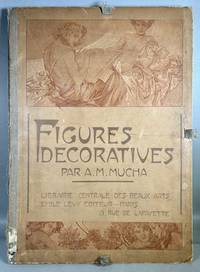
19059620<p>Complete with forty numbered lithographic plates and two preliminary leaves each measuring 13 x 18 in 33 x 46 cm. Housed in a quarter cloth illustrated portfolio with remnants of the original ribbon ties. Some wear to cloth on spine and around edges of the exterior. Plates remain bright and clean with bump to bottom right foredge & slight crease to lower fore edge. No previous owners' names stamps or other defacements. Scarce.</p> Libraire Centrale des Beaux Arts hardcover
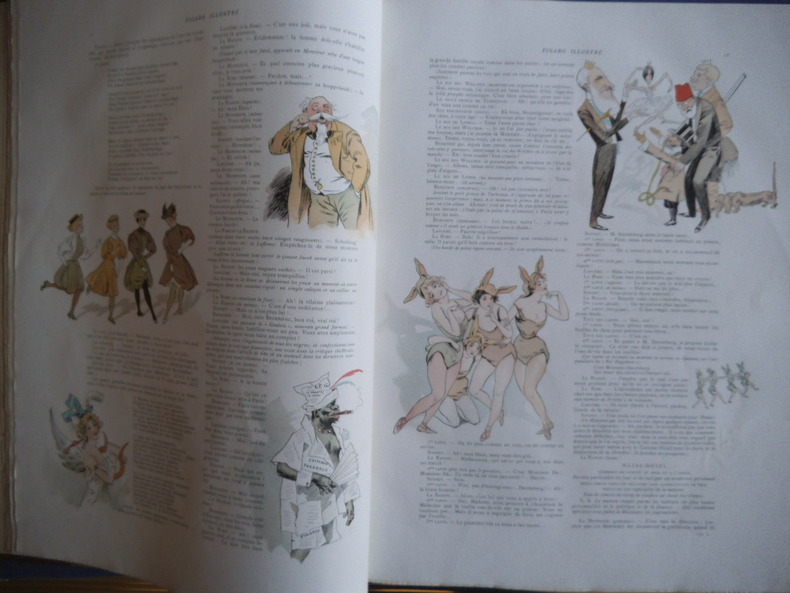
12 fasc. in un vol. in-folio (cm. 41,2x31,4), pp. (4), XLVIII, 248 (numerazione continua) + 21 meravigliose TAVOLE f.t. in typogravure (tra cui 19 a colori, 3 doppie); legatura editoriale m. pelle marron zigrinata, con titolo e fregi oro su dorso a 5 nervi. Gran titolo oro editoriale ornato al piatto in tela granulosa rossa, pelle solida e spessa, con qualche graffio o escoriazione, ma solida. Sguardie editoriali a fogliami oro su fondo malva, con brachetta edit. in tela. In fine sono legate le XLVIII pagine iniziali a numerazione romana. Conservate le superbe COPERTINE illustrate a colori da Frédérique Vallet, Hernandez, Bourgain, Jeanniot, Ridgway Knight, Carrier-Belleux, Adrien Moreau, Barrau, E. N. BLUE (la stupenda cop. "l'AUTOMOBILE"), Georges Cain (con BOUQUINISTE e damina; con strappo e manc. ang., da restaurare), Kaemmerer (Les Forains: CIRCO e giocolieri), Flameng. Appena avvertibile alle copp. l'insignif. rifilatura editoriale; forte carta patinata. Strappi a p. 177, minimi a 8 fogli, grave mancanza di un angolo al foglio introduttivo. Da segnalare i due racconti con 12 grandi disegni a colori (uno a piena pagina) di Alphonse MUCHA (Ivancice 1860 - Praga 1939): "Le Verglas" di Henri Ferrare (pp. 61-66) e "Le Fou" di Désiré Malonyay (pp. 221-223); "La Danse de la Petite Sorcière" (pp. 224-226) è anch'essa illustrata a colori da MUCHA + un disegnino b.n. a p. 173. Inoltre, centinaia di ILLUSTRAZIONI a colori e in b.n. n.t. e f.t., dovute a noti nomi dell'arte francese del tempo: JOB, Henri Willems, Trianon, METIVET, BAC, P. Avril, Alfred PARIS (militaria), Flameng, Albert Guillaume, Georges Roux, Adrien e Jean Moreau, Delbrueck (bella ciclista), Rosen (Napoleone), Ad. La Lyre, Piot, Sydney, Dusseuil, Mabuse, Holyoake, Mignard, Lafon ecc. Fra gli autori dei testi: Willy (Henri Gauthier-Villars), Ernest Daudet, Maurice Loir, Emile Duboc, Antonin Proust, Clarétie, Frédéric Masson, Henry Gréville, ecc. Numerose altre illustrazioni fotografiche intercalate n.t. Gli scritti comprendono prose narrative, poesie e saggi di vario genere. Fra gli argomenti toccati: bal masqué, Madame Du Barry, la vita culturale e i teatri a Parigi, Eleonora DUSE, la vita militare, Cosacchi, cannoni e torpediniere, la MARINA militare, la Banca di Francia, la SPEDIZIONE DI NAPOLEONE in SIRIA, WAGRAM, il Maharajah di Kapurthala, num. spec. sulla COMEDIE franç. (ritr. di Molière, molte foto si scena a col.), il giubileo della Regina Vittoria, la Guerra di CRIMEA, il Prix de Rome, ceramiche, viaggio a DELFO, l'Indocina, num. spec. (con 30 sontuosi dis. e foto) sul CIRCO e gli ACROBATI, la lotta libera, le MARIONETTE, i venditori di stracci ("chiffonniers"). 3 partiture musicali.
9208année 1896 complète en un volume in folio demi-chagrin marron à nerfs et à coins, titre doré, filet à froid sur les plats. Non rogné, tête dorée. Année complète 12 numéros sur papier couché, couverture illustrée en couleurs. Comme pour les autres volumes, proposés, le deuxième plat de couverture n’est pas conservé. Publication mensuelle in folio, nombreuses illustrations en noir et en couleurs, complet des suppléments hors-texte en couleurs. Une page de faux-titre, une page de Titre. JANVIER : La campagne de Russie extraits des mémoires inédits du lieutenant général Baron Van Eerens (une déchirure page 1) illustrations en couleurs de Maurice ORANGE. DALILA souvenirs de théâtre par H de LAFONTAINE. Illustrations de ROBAUDI. –XANROF sans rime ni raison 17 illustrations en couleurs de Ferdinand BAC. Boney l’éléphant par Léo CLARETIE 15 illustrations en noir de VIMAR. FEVRIER : La campagne de Russie (suite) illustrations en couleurs- Léonard de VINCI et l’esthétique du portrait par robert de SIZERONNE- Le lac d’amour par Georges RODENBACH- le caviar par Tancrède Martel, 9 illustrations d’Albert GUILLAUME.MARS : numéro spécial La cavalerie française –Au quartier- au champ de manœuvre – la journée d’un traineur de sabre- les remontes – le service en campagne. Illustrations en noir et en couleurs. AVRIL : souvenirs d’Afrique par le général de division vicomte de BERNIS illustrations en couleurs d’Alfred PARIS. Hans HOLBEIN et sa vie en Angleterre par Arsène ALEXANDRE. Paul FOUCHER la rose Ida-Lia, illustrations en couleurs de SAHIB. LA harpe à travers les âges par G de DUBOR. MAI : la belle histoire d’une écharpe couleur de cheveux d’or par Charles BUET, illustrations en couleurs de Jacques WAGREZ. Romain COOLUS les deux soeurs légendaires 4 illustrations en couleurs de TOULOUSE LAUTREC. –Frédéric MASSON Le major général BERTHIER- souvenirs d’Afrique par le général de division Vicomte de BERNIS 4 illustrations en couleurs d’Alfred PARIS. Fernand MAZADE le nègre de PETAVIN 12 illustrations en noir de VIMAR. JUIN : superbe couverture en couleurs de MUCHA. Les concerts- les cafés-concerts par Gaston JOLLIVET. Illustrations en couleurs. Le monde et les étoiles des cafés-concerts par Victorin JONCIERE illustrations photos couleur. Cabarets de Montmartre par XANROF. Illustrations sur double page de METIVET La légende du monde Blanc. Les cafés concerts d’autrefois par Tancrède Martel. Illustrations photos. JUILLET : Une rencontre par Edouard ROD. Illustrations en couleurs de Madame Consuelo FOULD. Georges LAFENSTRE Rembrandt Van Ryn portraits intimes. Souvenirs d’Afrique par le général Vicomte de BERNIS ( suite). Les Champs Elysées par Antonin PROUST. AOUT : Déchirures réparées à la couverture en couleurs. Eugène GIRARDIN une Idylle à Mahé (une déchirure page 143. Ainsi qu’à la double page couleur) La céramique française par Edouard GARNIER illustrations couleurs. QUELLIER N. Le pénitent, illustrations de BOURGAIN. Les Champs Elysées (suite) déchirures en marge inférieure page 160. SEPTEMBRE : Jeanne MAIRET nos bons mateurs 5 illustrations en couleurs de Louis ABBEMA. André LEMOYNE la tourterelle poignardée. Illustrations en couleurs de LAURENT-DESROUSSEAUX. Hippolyte BUFFENOIR Napoléon, Goethe et Wieland. Edouard GARNIER La céramique française, illustrations en couleurs. Charles DIGUET, après la bataille 16 illustrations en noir de VIMAR. (Deux déchirures en marge, page 180) OCTOBRE : numéro spécial Lycéens et Lycéennes. Les lycées de garçons la Montagne Sainte Geneviève. Début de professeur - L’éducation physique dans les lycées. La journée du lycéen – les lycées de jeunes filles (hors-texte en couleurs de Madeleine LEMAIRE) l’architecture des lycées de jeunes filles- illustrations en noir et en couleurs. NOVEMBRE : Un volontaire de 1792 souvenir de DUVIQUET (de CLAMECY) illustrations en couleurs d’Alfred PARIS (un petit manque angle inférieur droit page 207. – Antonin PROUST l’hôtel des invalides illustrations. Goulâb-soûbi illustrations en couleurs de WENGEL. WILLY les œufs, 11 illustrations en noir de JOB. DECEMBRE : pas de couverture en couleurs (qui a été découpée) Le noël de frère LEON illustrations en couleurs de METIVET Un bon coup de couteau par le vicomte Melchior de VOGUE illustrations en couleurs de BOURGAT. La journée d’un monsieur qui veut maigrir une page illustrée en couleur d’Albert GUILLAUME. Souvenir de la campagne de Rome. Nuit de Noel 1864. Jules MASSENET. Recherché pour la couverture de MUCHA et les illustrations de TOULOUSE LAUTREC
189925853Paris Librairie Henri Floury 1899 in-4° on paginé ; Figures contemporaines tirées de l'album Mariani ; soixante-seize biographies, notices, autographes et portraits gravé sur bois par D. Quesnel, A. Brauer, H. Sorensen, A. Prunaire et P. Leyat. Lettre-préface de O. Roty.. bandeaux et cul-de-lampes
1997b23747Verlag der Buchhandlung Walther Konig 1997-11-01. Hardcover. Very Good. 0x0x0. Signed by Author. Signed and numbered by artist Reinhard Mucha on last page this being number 69. Hardcover with slipcase. Book is in excellent condition text is unmarked and pages are tight. Slipcase has very slight shelf wear. Verlag der Buchhandlung Walther Konig hardcover
3738808183.Gpaperback. Good. Access codes and supplements are not guaranteed with used items. May be an ex-library book. paperback
ria9783738808186_inpPaperback. New. New Book; Fast Shipping from UK; Not signed; Not First Edition; N/A paperback
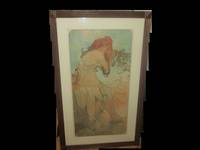
189615844AB1896. Paris F.Champenois 1896. 1003 : 505 cm image Lithograph in colours by Alphonse Mucha. Framed in contemporary wooden frame. Alphonse Mucha's poster "Été" "Summer" is part of his series titled The Seasons created in 1896. This poster captures the essence of summer with its warm golden hues and lush flowing forms. Mucha depicts a young woman draped in a light flowing garment that accentuates the curves of her body embodying the sensuality and warmth of the season. She is surrounded by an abundance of flowers and foliage symbolizing the fullness and fertility of summer. Her hair long and wavy cascades down her back adding to the natural unrestrained feel of the image. Mucha's characteristic use of intricate lines and decorative patterns is evident in the detailed borders and the swirling motifs that frame the central figure. The poster exudes a sense of harmony and beauty typical of Mucha's Art Nouveau style where nature femininity and elegance are central themes. The soft color palette dominated by shades of gold green and soft pastels further enhances the idyllic dream-like quality of the work making "Été" a quintessential representation of summer's warmth and beauty. Alphonse Mucha was known for his distinctive Art Nouveau style characterized by its use of natural forms flowing lines and elaborate decoration. His techniques combined both traditional and innovative approaches contributing to his iconic aesthetic. Here are some of the key techniques and elements in Mucha's work: Line Work: Mucha's use of lines is one of the most defining aspects of his style. He employed fine flowing outlines to create graceful organic shapes that mimic the curves found in nature. His lines were often decorative and stylized contributing to the overall harmony and unity of the composition. Color Palette: Mucha favored a soft pastel color palette often using muted tones of gold green pink and blue. These colors were carefully chosen to create a sense of harmony and to evoke specific moods often reflecting the seasons or the subject matter of the piece. Ornamentation and Patterns: Mucha's works are rich in decorative elements and intricate patterns. He incorporated floral motifs arabesques and geometric designs into his compositions often framing the central figure with these ornate details. This ornamentation was not merely decorative but also served to enhance the thematic elements of the piece. Use of Light and Shadow: Although Mucha's work is more stylized than realistic he employed light and shadow to add depth and dimension to his figures. His approach to light was subtle often using gentle shading rather than harsh contrasts which contributed to the soft ethereal quality of his work. Symbolism: Mucha frequently used symbolic elements in his paintings and posters. For example flowers seasons and zodiac signs often carried deeper meanings related to themes of nature femininity and the passage of time. These symbols were seamlessly integrated into the decorative elements of his work. Composition: Mucha's compositions were carefully balanced often centered around a single idealized figure. He employed symmetry and repetition to create a sense of order and harmony with the figure often surrounded by elaborate circular frames or halos that draw the viewer's eye. Media and Techniques: While Mucha is best known for his posters and prints which were typically lithographs he also worked in a variety of media including painting drawing and jewelry design. His lithographic technique involved multiple layers of color carefully aligned to create richly textured and vibrant images. In his paintings he used traditional techniques such as oil on canvas but applied them with the same decorative and stylized approach as in his graphic works. Mucha's techniques were instrumental in defining the Art Nouveau movement blending fine art with applied arts and his work remains a cornerstone of this decorative style. Alphonse Mucha holds a significant place in the history of art particularly as a leading figure of the Art Nouveau movement. His influence extends beyond his immediate contributions to the art world affecting design advertising and popular culture. Here are some key reasons why Mucha is important in the history of art: 1. Pioneer of Art Nouveau: Mucha is often credited with shaping and popularizing the Art Nouveau style which emerged in the late 19th century. This movement was characterized by its use of organic forms flowing lines and intricate decorative patterns all of which are hallmarks of Mucha's work. His designs especially his posters became synonymous with the Art Nouveau movement defining its aesthetic and helping it gain widespread recognition. 2. Innovative Use of Graphic Design: Mucha was a pioneer in using graphic design as a fine art form. His work in advertising and posters elevated these mediums to a new level blending commercial appeal with artistic integrity. His posters for Sarah Bernhardt the famous actress are particularly notable. They not only promoted her plays but also became collectible works of art in their own right. 3. Influence on Decorative Arts: Mucha's influence extended beyond painting and posters to various decorative arts including jewelry furniture and interior design. His aesthetic principles were applied to everyday objects making art more accessible to the public. This blending of fine art with applied arts helped bridge the gap between high art and popular culture a concept that has continued to evolve in modern design. 4. Impact on Visual Culture: Mucha's style has had a lasting impact on visual culture influencing everything from early 20th-century design to contemporary art and popular media. His work has inspired countless artists and designers in the realms of illustration fashion and graphic design. The Art Nouveau style as epitomized by Mucha has seen periodic revivals and continues to be referenced in various cultural contexts demonstrating its enduring appeal. 5. Symbolism and National Identity: Beyond his contributions to Art Nouveau Mucha was also deeply involved in the promotion of Czech national identity. His later works particularly the Slav Epic reflect his interest in Slavic history and mythology aiming to create a visual narrative that celebrated his cultural heritage. This aspect of his work underscores the role of art in expressing and shaping national and cultural identity adding another layer to his importance as an artist. 6. Legacy in Fine Arts: Mucha's ability to blend aesthetics with practical applications laid the groundwork for future movements in art and design particularly in how art could be integrated into everyday life. His legacy is evident in the continued appreciation and study of his work which remains a significant part of museum collections and exhibitions worldwide. Alphonse Mucha's contributions to the art world go beyond his beautiful and iconic images; he played a crucial role in defining an era shaping modern design and influencing the intersection of art culture and commerce. His work continues to inspire and resonate across disciplines making him a central figure in the history of modern art. The panel 'Ètè' Summer out of the series 'Four Seasons'. Mucha made a panel for each of the four seasons. He represents each season with characteristic flair here the sultry Summer. Four Seasons was Mucha's first series of decorative panels and one of his most popular ones. An classic Art Nouveau piece. A highlight in each Mucha collection. - Here contemporary framed therefore in very good condition. unknown