Gustave DoreBiblio.com

2 060 résultats
0265482062.Ghardcover. Good. Access codes and supplements are not guaranteed with used items. May be an ex-library book. hardcover
0076410005.Ghardcover. Good. Access codes and supplements are not guaranteed with used items. May be an ex-library book. hardcover
2025x-0300282273Clark Art Inst 2025. Paperback. New. 330 pages. 9.51x7.01x9.50 inches. Clark Art Inst paperback
1968mon0000345379H. N. Abrams 1968T. hardcover. Very Good. 1st Edition HARDBACK In unclipped dustjacket No stamps or inscriptions; clean condition Abrams 1968 H. N. Abrams hardcover
63516Sinai Pub Tel Aviv 1940's with 107 illustrations after Dore and descriptive text. Decorative padded binding with inset bronze effect Rachels Tomb. 16 x 13 cm. Good Sinai Pub, Tel Aviv 1940's unknown
197892130New York: Arno Press 1978. . 1978. Hardcover. Very Good in Very Good- dust jacket. 191pp illustrated bouynd in original dark blue cloth with dustwrapper d/w sl worn and chipped along edges Heav y book; 8vo 8" - 9" tall . 0405084609 . New York: Arno Press, 1978. hardcover
ria9780520308213_inpPaperback / softback. New. New Book; Fast Shipping from UK; Not signed; Not First Edition; N/A paperback
ria9780520321618_inpPaperback / softback. New. New Book; Fast Shipping from UK; Not signed; Not First Edition; N/A paperback
1999x-1873410824Japan Library 1999. Paperback. New. 1st edition. 472 pages. 9.25x6.50x1.50 inches. Japan Library paperback
1021272825.Gpaperback. Good. Access codes and supplements are not guaranteed with used items. May be an ex-library book. paperback
2007DADAX054817895XKessinger Publishing 2007-07-25. hardcover. New. 6.00x1.06x9.00. Buy with confidence. Excellent Customer Service & Return policy. Kessinger Publishing hardcover
196928137Harry N. Abrams New York 1969 1969. First Edition. . Hardcover. Fine/Fine. PHOTOS EMAILED WHEN ASKED <br/> <br/> Harry N. Abrams, New York, 1969 hardcover
1391326962.Gpaperback. Good. Access codes and supplements are not guaranteed with used items. May be an ex-library book. paperback
0786191899.GaudioCD. Good. Access codes and supplements are not guaranteed with used items. May be an ex-library book. unknown
28081840like new. unknown
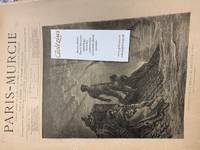
#[66793]Paris Plon et Cie Decembre 1879 numero unique 1st and only edition 24 pages with many illustrations by Gustave Dore Fantin Latour Worms Gerome and many others with texts by Hugo Mistral Coppée Dumas Zola and others published and sold on behalf of the victims of the floods in Spain in 1879. Some wear and tear to the egdes spine etc. unknown
1020416874.Ghardcover. Good. Access codes and supplements are not guaranteed with used items. May be an ex-library book. hardcover
1019245441.Ghardcover. Good. Access codes and supplements are not guaranteed with used items. May be an ex-library book. hardcover
1358462658.Ghardcover. Good. Access codes and supplements are not guaranteed with used items. May be an ex-library book. hardcover
2010978849244126TF EDITORES & INTERACTIVA S.L.U 2010. Rústica. Nuevo. TF EDITORES & INTERACTIVA S.L.U unknown
186347269Paris: Hetzel 1863. Fine. Hetzel Paris 1863 43 x 21 cm une feuille First edition. Wood engraving signed in the plate by the artist. Plate created specifically for the illustration of Cervantes' Don Quixote for the 1863 Hachette edition. Gustave Doré first traveled to Spain in 1855 in the company of Théophile Gautier and publisher Paul Dalloz. In 1861 responding to a commission from the journal Le Tour du monde he returned there with Baron Jean Charles Davillier a knowledgeable Hispanophile who would recount their journey in his Voyage en Espagne. Doré went there primarily with a view to illustrating Don Quixote: ""Je me rends donc dans la patrie de cet illustre hidalgo pour étudier tous les lieux qu'il a parcourus et remplis de ses exploits et faire ainsi une chose qui aura son parfum local"" ""I am therefore going to the homeland of this illustrious hidalgo to study all the places he has traveled through and filled with his exploits and thus create something that will have its local flavor"". Gustave Doré would thus conduct several working sessions with Louis Viardot translator of Cervantes' text. Cervantes' novel ranks among the most illustrated narratives in European literature but Doré wanted to surpass his predecessors Tony Johannot Grandville Daumier. Upon its publication in 1863 the work would be the subject of unanimous praise notably from Emile Zola: ""On appelle ça illustrer un ouvrage : moi je prétends que c'est le refaire. Au lieu d'un chef-d'oeuvre l'esprit humain en compte deux"" ""They call that illustrating a work: I claim that it's remaking it. Instead of one masterpiece the human spirit now counts two"". See our other engravings by Gustave Doré Gustave Doré L'Imaginaire au pouvoir Musée d'Orsay 2014 Virtual exhibition on Gustave Doré on the Gallica website Hetzel unknown
186347258Paris: Hetzel 1863. Fine. Hetzel Paris 1863 31 x 43 cm une feuille First edition. Wood engraving signed in the plate by the artist. Plate specially created for the illustration of Cervantes' Don Quixote for the 1863 Hachette edition. Gustave Doré first traveled to Spain in 1855 in the company of Théophile Gautier and publisher Paul Dalloz. In 1861 responding to a commission from the journal Le Tour du monde he returned there with Baron Jean Charles Davillier an avid hispanophile who would recount their journey in his Voyage en Espagne. Doré went there primarily with a view to illustrating Don Quixote: ""I am therefore going to the homeland of this illustrious hidalgo to study all the places he traveled through and filled with his exploits and thus create something that will have its local flavor"". Gustave Doré would thus conduct several work sessions with Louis Viardot translator of Cervantes' text. Cervantes' novel is among the most illustrated stories in European literature but Doré wanted to surpass his predecessors Tony Johannot Grandville Daumier. Upon its publication in 1863 the work would be the subject of unanimous praise notably from Emile Zola: ""They call that illustrating a work: I maintain that it is remaking it. Instead of one masterpiece the human spirit now counts two"". See our other engravings by Gustave Doré Gustave Doré L'Imaginaire au pouvoir Musée d'Orsay 2014 Virtual exhibition around Gustave Doré on the Gallica website Hetzel unknown
186347313Paris: Hetzel 1863. Fine. Hetzel Paris 1863 21 x 43 cm une feuille First edition. Wood engraving signed in the plate by the artist. Plate created specifically for the illustration of Cervantes' Don Quixote for the Hachette edition of 1863. Gustave Doré first traveled to Spain in 1855 in the company of Théophile Gautier and publisher Paul Dalloz. In 1861 responding to a commission from the journal Le Tour du monde he returned there with Baron Jean Charles Davillier an experienced hispanophile who would recount their journey in his Voyage en Espagne. Doré went there primarily with a view to illustrating Don Quixote: ""I am therefore going to the homeland of this illustrious hidalgo to study all the places he traveled through and filled with his exploits and thus create something that will have its local flavor"". Gustave Doré would thus conduct several working sessions with Louis Viardot translator of Cervantes' text. Cervantes' novel is among the most illustrated stories in European literature but Doré wanted to surpass his predecessors Tony Johannot Grandville Daumier. When it appeared in 1863 the work received unanimous praise notably from Emile Zola: ""They call that illustrating a work: I contend that it is remaking it. Instead of one masterpiece the human spirit counts two"". See our other engravings by Gustave Doré Gustave Doré L'Imaginaire au pouvoir Musée d'Orsay 2014 Virtual exhibition on Gustave Doré on the Gallica website Hetzel unknown
186347266Paris: Hetzel 1863. Fine. Hetzel Paris 1863 31 x 43 cm une feuille First edition. Wood engraving signed in the plate by the artist. Plate created specifically for the illustration of Cervantes' Don Quixote for the 1863 Hachette edition. Gustave Doré first traveled to Spain in 1855 in the company of Théophile Gautier and publisher Paul Dalloz. In 1861 responding to a commission from the journal Le Tour du monde he returned there with Baron Jean Charles Davillier an avid hispanophile who would recount their journey in his Voyage en Espagne. Doré went there primarily with a view to illustrating Don Quixote: ""Je me rends donc dans la patrie de cet illustre hidalgo pour étudier tous les lieux qu'il a parcourus et remplis de ses exploits et faire ainsi une chose qui aura son parfum local"" ""I am therefore going to the homeland of this illustrious hidalgo to study all the places he traveled through and filled with his exploits and thus create something that will have its local flavor"". Gustave Doré would thus hold several working sessions with Louis Viardot translator of Cervantes' text. Cervantes' novel is among the most illustrated stories in European literature but Doré wanted to surpass his predecessors Tony Johannot Grandville Daumier. Upon its publication in 1863 the work would be the object of unanimous praise notably from Emile Zola: ""On appelle ça illustrer un ouvrage : moi je prétends que c'est le refaire. Au lieu d'un chef-d'oeuvre l'esprit humain en compte deux"" ""They call that illustrating a work: I maintain that it's remaking it. Instead of one masterpiece the human spirit now counts two"". See our other engravings by Gustave Doré Gustave Doré L'Imaginaire au pouvoir Musée d'Orsay 2014 Virtual exhibition on Gustave Doré on the Gallica website Hetzel unknown
186347301Paris: Hetzel 1863. Fine. Hetzel Paris 1863 21 x 43 cm une feuille First edition. Wood engraving signed in the plate by the artist. Plate created specifically for the illustration of Cervantes' Don Quixote for the 1863 Hachette edition. Gustave Doré first traveled to Spain in 1855 accompanied by Théophile Gautier and publisher Paul Dalloz. In 1861 responding to a commission from the journal Le Tour du monde he returned there with Baron Jean Charles Davillier an informed hispanophile who would recount their journey in his Voyage en Espagne. Doré went there primarily with a view to illustrating Don Quixote: ""Je me rends donc dans la patrie de cet illustre hidalgo pour étudier tous les lieux qu'il a parcourus et remplis de ses exploits et faire ainsi une chose qui aura son parfum local"" ""I am therefore going to the homeland of this illustrious hidalgo to study all the places he traveled through and filled with his exploits and thus create something that will have its local flavor"". Gustave Doré would thus conduct several working sessions with Louis Viardot translator of Cervantes' text. Cervantes' novel is among the most illustrated narratives in European literature but Doré wanted to surpass his predecessors Tony Johannot Grandville Daumier. Upon its publication in 1863 the work would receive unanimous praise notably from Emile Zola: ""On appelle ça illustrer un ouvrage : moi je prétends que c'est le refaire. Au lieu d'un chef-d'oeuvre l'esprit humain en compte deux"" ""They call that illustrating a work: I maintain that it is remaking it. Instead of one masterpiece the human spirit now counts two"". See our other engravings by Gustave Doré Gustave Doré L'Imaginaire au pouvoir Musée d'Orsay 2014 Virtual exhibition on Gustave Doré on the Gallica website Hetzel unknown