CENDRARS (Blaise). LEGER (Fernand).Livre Rare Book

14 843 résultats
191922979LA SIRENE 1919 1 Roman de Blaise Cendrars. Compositions en couleurs par Fernand LEGER. Paris, La Sirène, 1919, in-4, broché, couverture imprimée, ornée d'un dessin et titrée en calligraphie, sous chemise verte ornée d'un décor géométrique rouge et noir sur le premier plat.
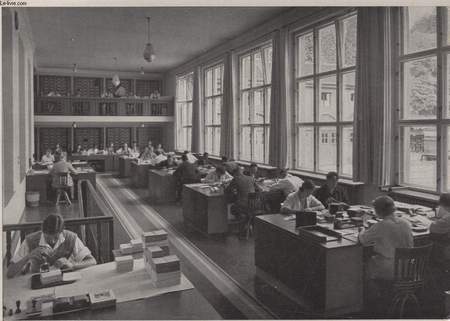
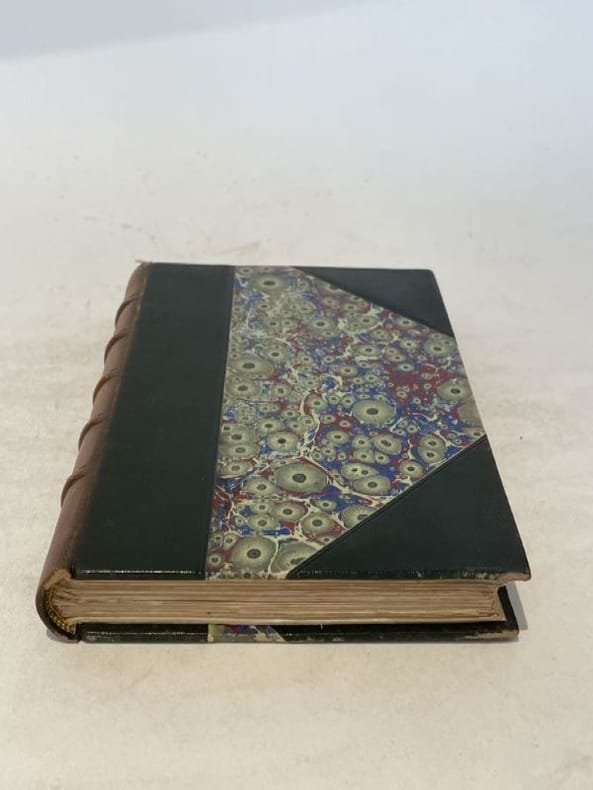
192642279Paris.: Établissements Pathé-Cinéma. 1926. Original morocco-backed marbled boards. 8vo. In the early years of the twentieth century the largest film production company was the Société Pathé Frères Pathé Brothers Company. Founded in 1897 the company was at its height in 1920s when it unveiled the first home movie projector the Pathé Baby. This book is one of the company’s first publications explaining the secrets of processing “virgin†film. Illustrations in the text offer incredible images of the scale of mass production of thousands of silent movies including the first newsreels sports films and animation.The book remains the first major technical publication regarding the processing and development of film illustrated throughout with numerous black-and-white illustrations and diagrams and most fascinatingly containing six fold-out leaves of hand-constructed film negatives bound in at the rear providing 107 examples of different techniques available at the time including colour tinting and various exposures.This copy with a loosely inserted letter from Pathe's commercial director typed on the company's headed paper letter dated 28 July 1926 presenting this copy of the book. Établissements Pathé-Cinéma. hardcover
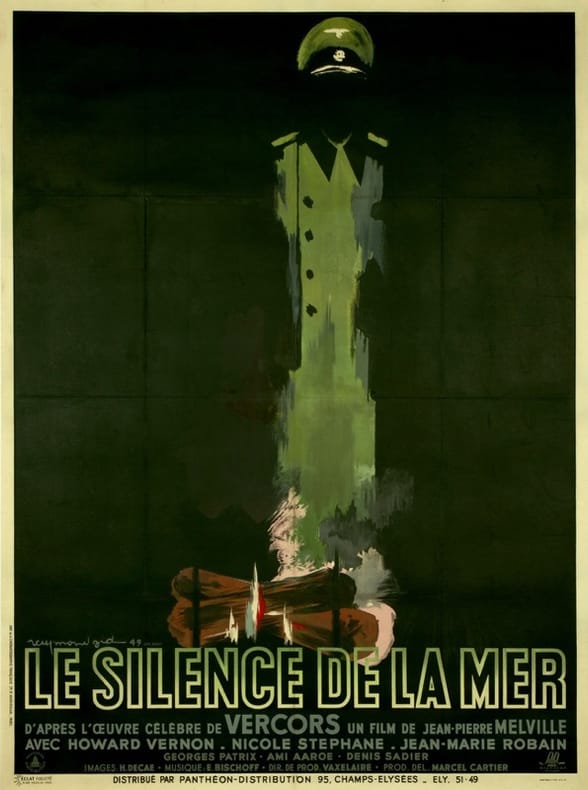
194726758Affiche myhtique Cinématographie française, [1947]. 1 affiche (120 x 160 cm) en couleurs, entoilée. Rarissime affiche du premier long métrage de Jean-Pierre Melville que les historiens du 7e art tiennent pour l'un des films fondateurs de la Nouvelle Vague : une merveilleuse adaptation du chef-d'œuvre de Vercors.
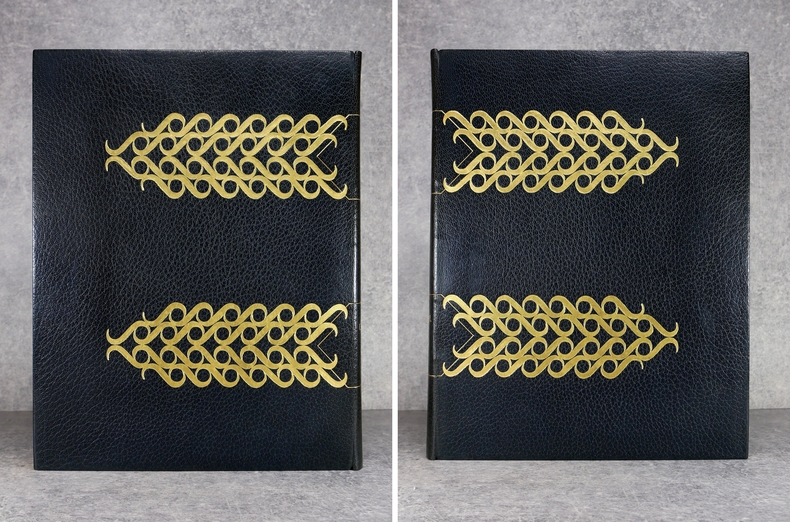
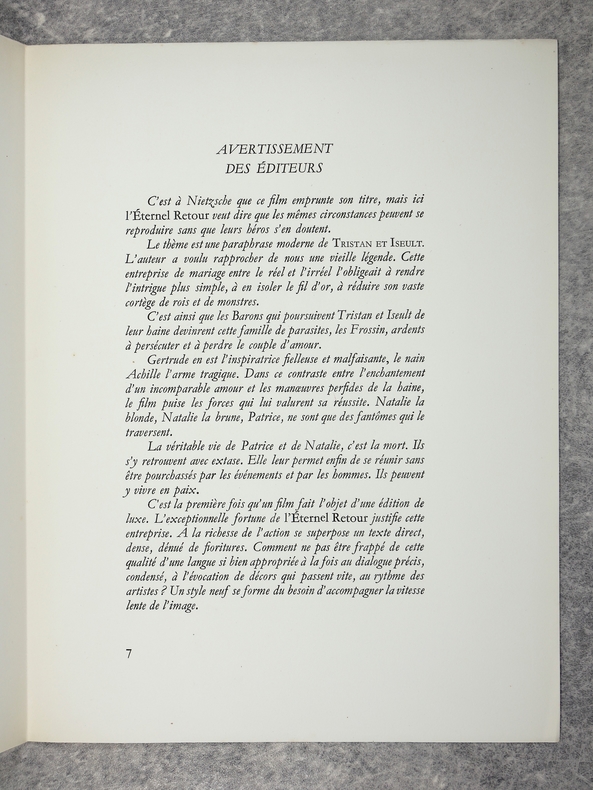
19473681PARIS 9°. NOUVELLES EDITIONS FRANCAISES. 1947. IN-4 (34 X 26,5 X 5,5 CENTIMETRES ENVIRON) DE 156 PAGES, RELIURE PLEIN MAROQUIN BLEU NUIT, PLATS ORNES D’UN DECOR GEOMETRIQUE DORE, TITRE ET TETE DORES, COUVERTURE ET DOS CONSERVES, SOUS ETUI BORDE (MICHEL KIEFFER, RELIEUR). TEXTE IMPRIME EN ROUGE ET EN NOIR, AVEC DE BELLES LETTRINES. ILLUSTRE DE 21 PHOTOGRAPHIES HORS TEXTE DE LAURE ALBIN GUILLOT, TIREES DU FILM REALISE EN 1943 AVEC MADELEINE SOLOGNE ET JEAN MARAIS, REPRODUITES EN NOIR ET BLANC, TIREES SUR LES PRESSES HELIOGRAVURES DE DRAEGER FRERES, ET PRESENTEES CONTRECOLLEES SOUS MARIE-LOUISE. PREMIER TIRAGE LIMITE A 625 EXEMPLAIRES NUMEROTES. UN DES 25 EXEMPLAIRES SUR ARCHES NUMEROTES EN CHIFFRE ROMAINS DE XXVI A L, CELUI-CI PORTANT LE NUMERO XXXVII, COMPORTANT LE PORTRAIT PHOTOGRAPHIQUE ORIGINAL DE JEAN COCTEAU PAR LAURE ALBIN GUILLOT SUR PAPIER DE RIVES SENSIBILISE, SIGNE AU CRAYON PAR L’AUTEUR ET PAR LE PHOTOGRAPHE, ET UNE SUITE DES 21 PHOTOGRAPHIES HORS TEXTE. DE LA BIBLIOTHEQUE DE GERALD LEISING AVEC SON EX-LIBRIS ET LA MENTION MANUSCRITE «SOUVENIR DE JEAN MARAIS». BEL EXEMPLAIRE.
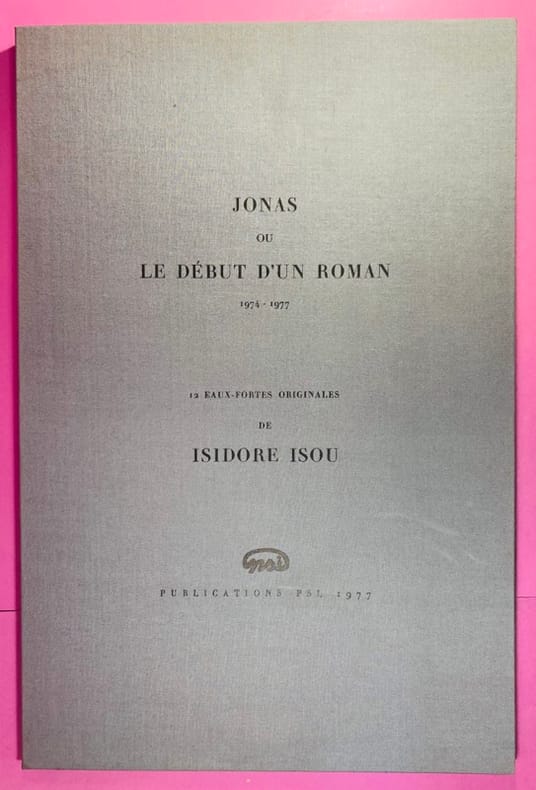
197717991977 Couverture souple Paris, Publications PSI, 1977. Un volume in folio (50 x 32,5 cm), en feuilles sous un portfolio de l'éditeur titré et entoilé, portfolio à rabats, quelques marques fines et marginales au portfolio. Feuillet de titre, 12 eaux-fortes originales de l'artiste sous serpente, toutes justifiées et signées par l'artiste à la mine de plomb, feuillet de justification du tirage. Tirage à 78 exemplaires, le nôtre un des 60 exemplaires numérotés sur grand vélin d'Arches. Les gravures ont été imprimées sur les presses à bras des publications Psi, la typographie en Didot est de Fequet-Baudier, l'emboîtage a été réalisé par Bernard Duval. Achevé d'imprimer le 15 juin 1977. Isidore Isou est le fondateur (avec Gabriel Pomerand) du lettrisme, mouvement qui repose sur l'idée de dépasser les formes traditionnelles de l'art en utilisant les lettres, les signes et les sons comme matériaux de base, plutôt que les mots ou images conventionnelles. "Jonas ou le début d'un roman" s'inscrit dans la série des "romans hypergraphiques" d'Isou, qui repoussent les limites du roman traditionnel en associant gravure, dessin, photographie et texte. Ce titre a été exposé dans le cadre de rétrospectives consacrées à Isou, notamment à l'Institut culturel roumain de Stockholm en 2012. Bel état des planches, bel exemplaire.
19723147021972. Approximately 38 pp comprising typed carbon typescript manuscript and a few photocopied sheets. Some edge and corner wear but very good; minor soiling to sign. WITH: An 8 x 10 inch production still. Approximately 38 pp comprising typed carbon typescript manuscript and a few photocopied sheets. An excellent archive of material related to the casting of the title role of the iconic blaxploitation film Cleopatra Jones 1973 from the files of Cassius Weathersby who headed the open auditions held in seven American cities in the late summer and fall of 1972. Weathersby was tasked with liaising with radio stations local theater groups agencies and "every conceivable source in the black community" as one of the press releases included here states it in New York Chicago Los Angeles Atlanta Washington D.C. Cleveland and San Francisco in an effort to turn out large numbers of African-American women for the auditions and the archive gives a glimpse into how the publicity campaign was organized. Among the materials are a 3 pp typescript carbon from Vincent Tubbs of Warner Brothers one of the first African American publicists at a major Hollywood studio to Jimmy Booker and Associates in New York describing the effort headed by Weathersby to reach out to African American radio djs publications writers local drama groups etc not only to cast for Cleopatra Jones but as part of a larger effort to establish "legitimate in-put for black communities" in Hollywood a topic of great interest today; several drafts typed and handwritten of text for radio spots and and press releases for casting calls; additional pages of Weathersby's holograph notes lists of contacts etc; and a typed letter signed from the film's producer William Tennant thanking Weathersby for a job well done. Also present is an outstanding visual component in the form of a 22 x 14 inch sign printed on board advertising the Los Angeles casting call at a popular south LA club: "FILM TALENT SEARCH/FOR A BLACK BEAUTY/ASPIRING TO THE TITLE ROLE IN 'CLEOPATRA JONES' . INTERVIEWS HELD . AT MAVERICK'S FLAT/4225 CRENSHAW BLVD." Two photographs in the archive one of which features Weathersby show an example of the sign taped to a car door.<br/><br/>The role of Cleopatra Jones would ultimately go to Tamara Dobson a model with working class roots in Baltimore. At 6'2" she was a striking presence on the screen and her role and performance remain a watershed for black women in cinema: "Cleopatra Jones stands as the quintessential example of the potential of a new sensibility for shaping the black female presence in popular action cinema . The portrait of heroic black femininity stands as a departure of sorts from the typical black female presence within blaxploitation and Hollywood film in general . When Cleopatra Jones premiered on July 4 1973 it marked a key moment in black women's imagery within the popular culture of the era . The Black Power movement second-wave feminism and an increasingly visible black feminist agenda were influential dynamics shaping the social backdrop to the film's debut Dunn "Baad Bitches" and Sassy Supermamas pp 85ff. unknown books
192643839Paris: Pathe-Cinema 1926. <p>Early Cinematographic Manual with Developed Film Samples</p> <p> Pathé-Cinéma. Le film vièrge Pathé. Manuel de développement et de tirage. 8vo. xii 155 pp. 6 leaves of plates containing 107 examples of film some colored. Paris: Etablissements Pathé-Cinéma 1926. 239 x 155 mm. Original publisher's quarter morocco marbled boards lower corners just a bit bumped very slight edgewear. Fine copy. Former owner's signature on flyleaf.</p> <p>First Edition of this rare technical manual of motion picture film developing and printing issued by the famous French firm founded by the Pathé brothers in the early days of cinematography. By the 1920s the Pathé firm was producing "the requisites for the entire motion picture process; i.e. raw stock cameras laboratory equipment studio and projectors" Jenkins "History of the Motion Picture" 1920 reprinted in Fielding ed. Technological History of Motion Pictures and Television pp. 1-6. The firm's manual contains detailed technical instructions on motion picture film development and printing as well as information on several Pathé innovations such as the Pathé-Baby 9.5 mm. motion picture projectors and cameras for amateur use introduced in 1922 Pathé's "film inversible" reversal film and the firm's techniques for tinting film stock and for producing full-color motion pictures. A stunning feature of the manual is its set of 107 actual frames of motion picture film illustrating correct and incorrect development the effect of temperature on film processing and the various uses of the "teintures Pathés" with which the firm colored its film stock. The manual's introduction contains a brief and adulatory history of the Pathé firm and the first chapter is devoted to a description of its factory in Vincennes. </p> . Pathe-Cinema unknown books
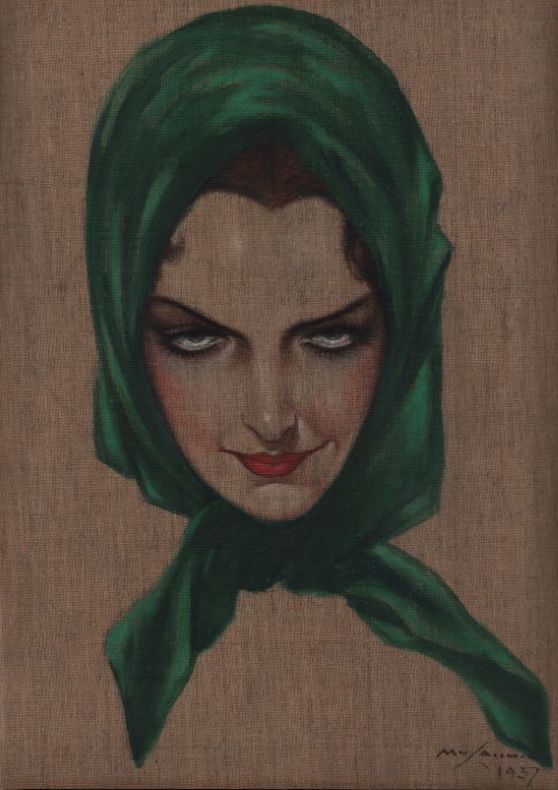
1937230701937 Huile sur toile signée et datée en bas à droite, 1937, 42 x 30 cm., sur support cartonné, cadre en bois mouluré d'origine.
1947864PARIS 9°. NOUVELLES EDITIONS FRANCAISES. 1947. IN-4 EN FEUILLES (36 X 27,5 X 5,5 CENTIMETRES ENVIRON) DE 156 PAGES, SOUS COUVERTURE BLANCHE REMPLIEE AVEC TITRE EN BLANC GAUFRE DANS CARTOUCHE ROUGE SUR LE PLAT SUPERIEUR, CHEMISE ET ETUI CARTONNES DE L'EDITEUR AVEC TITRE EN BLANC SUR ETIQUETTE PAPIER ROUGE. TEXTE IMPRIME EN ROUGE ET EN NOIR, AVEC DE BELLES LETTRINES. ILLUSTRE DE 21 PHOTOGRAPHIES HORS TEXTE DE LAURE ALBIN GUILLOT, TIREES DU FILM REALISE EN 1943 AVEC MADELEINE SOLOGNE ET JEAN MARAIS, REPRODUITES EN NOIR ET BLANC, TIREES SUR LES PRESSES HELIOGRAVURES DE DRAEGER FRERES, ET PRESENTEES CONTRECOLLEES SOUS MARIE-LOUISE. PREMIER TIRAGE LIMITE A 625 EXEMPLAIRES NUMEROTES. UN DES 150 SUR PAPIER DE RIVES A LA FORME, AVEC LE PORTRAIT PHOTOGRAPHIQUE ORIGINAL DE JEAN COCTEAU PAR LAURE ALBIN GUILLOT SUR PAPIER DE RIVES SENSIBILISE, SIGNE AU CRAYON PAR LE PHOTOGRAPHE. PETITES TRACES D'USURE EXTERIEURE SANS GRAVITE, SINON BON EXEMPLAIRE, BEL ETAT INTERIEUR.
198030137Exemplaire en tirage de tête. Tel que paru. Paris, Denoël, (10 janvier) 1980. 1 vol. (150 x 215 mm) de 236 p. et [2] f. Broché. Édition originale. Un des 20 premiers exemplaires sur sirène Sainte-Marie (n° 7).
19472290PARIS 9°. NOUVELLES EDITIONS FRANCAISES. 1947. IN-4 EN FEUILLES (36 X 27 X 5,5 CENTIMETRES ENVIRON) DE 156 PAGES, SOUS COUVERTURE BLANCHE REMPLIEE AVEC TITRE EN BLANC GAUFRE DANS CARTOUCHE ROUGE SUR LE PLAT SUPERIEUR, CHEMISE ET ETUI CARTONNES AVEC TITRE EN BLANC SUR ETIQUETTE PAPIER COLLEE AU DOS DE LA CHEMISE. TEXTE IMPRIME EN ROUGE ET EN NOIR, AVEC DE BELLES LETTRINES. ILLUSTRE DE 21 PHOTOGRAPHIES HORS TEXTE DE LAURE ALBIN GUILLOT, TIREES DU FILM REALISE EN 1943 AVEC MADELEINE SOLOGNE ET JEAN MARAIS, REPRODUITES EN NOIR ET BLANC, TIREES SUR LES PRESSES HELIOGRAVURES DE DRAEGER FRERES, ET PRESENTEES CONTRECOLLEES SOUS MARIE-LOUISE. PREMIER TIRAGE LIMITE A 625 EXEMPLAIRES NUMEROTES. UN DES 375 SUR PAPIER DE RIVES A LA FORME, CELUI-CI PORTANT LE NUMERO 151. BEL EXEMPLAIRE.
194230549Maquette originale [1942]. 16 pages ch. 1 à 10 (320 x 405 mm) sur bristol et sous couverture bristol fort (480 x 380 mm), gouache, encre de chine et mine de plomb. Tampon de l'atelier au dos. Maquette originale pour un projet d'invitation à la première projection du film, en décembre 1942. Sous l'illustration de la couverture, cette légende : «Suivant un document de l'époque».
197263246Palazzo Del Cinema; Et Al. As New. 1972. Paperback. FREE UPGRADE to Courier/Priority Shipping Upon Request IN STOCK AND IMMEDIATELY AVAILABLE FOR SHIPMENT - AS NEW THE TEXT BLOCK IS PRISTINE CLEAN UNMARKED AND IN EXCELLENT CONDITION - - Text in Italian. 638 pp. With 131 ills. On 123 pls. 23 x 15 cm. -- with a bonus offer-- . Palazzo Del Cinema; Et Al paperback
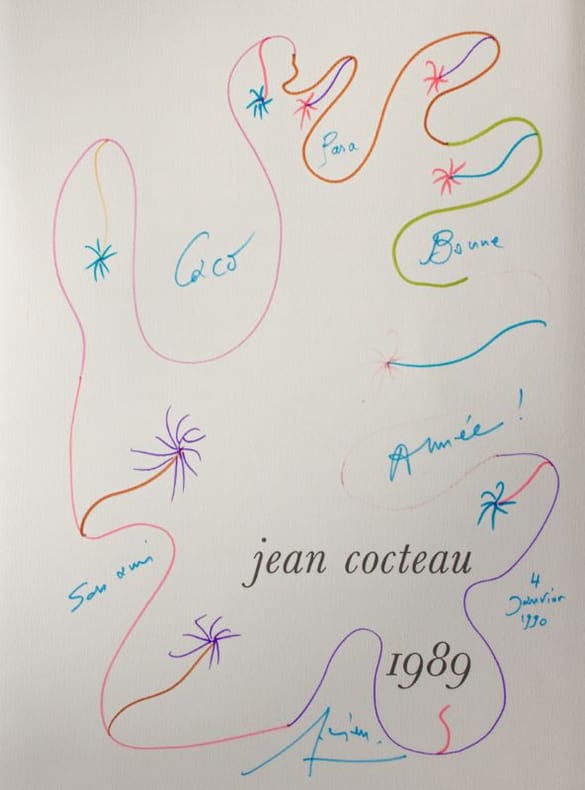
19895110Sl sn 1989 in-folio en feuilles Sl, sn [Lucien Clergue], 1989 (imp. des Presses Universitaires de France). 42 x 32,5 cm (coffret), in-folio, 4 ff. n. ch (titre, fac-similé d'un texte de Cocteau de 1956, deux dessins de Cocteau reproduits en noir à pleine page, liste des planche, justification) - 15 épreuves en noir tirées sur papier Galerie mat et montées sous carton Van Gelder et signées, en feuilles sous coffret bordeaux orné au premier plat de l'empreinte d'un dessin de Jean Cocteau (coffret par Michel Dheurle).
19783811978-1979
197769858Presse : Chantal Poupau - 325.86-58 (28-94) Assistance Florence Bory, 1 vol. grand in-8 br (sous adhésif noir d'origine), couverture illustrée, 13 ff. dactylographié reprographiés, s.n. [ L'Institut National d'Audio-Visuel et Stéphane Tchalgadjieff ], s.d. [ 1977 ]
192930108Exemplaire réimposé, avec un tirage d'époque par Henri Martinie Paris, Gallimard, (26 janvier) 1929. 1 vol. (170 x 215 mm) de 235 p. et [1] f. Broché. Édition originale. Un des 110 premiers exemplaires réimposés sur vergé (n° XLV). Il est joint à l'exemplaire un tirage contemporain du jeune Kessel, photographié de face par Henri Martinie. [Paris, circa 1930]. 1 tirage argentique (130 x 175 mm). Tampon « H. Martinie. Ses portraits. 19 rue de Penthièvre. Paris ».
1933R100009207NON PRECISE. 1932-1933. In-12. Broché. Bon état, Couv. convenable, Dos satisfaisant, Intérieur frais. 1 lot de 65 photos anciennes situées en noir et blanc de 12 x 17 cm. Représentant : des rassemblements sous le 3° reich, Thams & Gare, Porte de Berlin, portraits, délifés, feu d'artifice, navale, défilé cycliste, montagnes, recherches, hôpital.. . . . Classification : 0-Affiches Cinéma
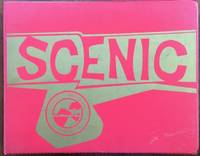
196560316Los Angeles CA: Scenic Backgrounds Inc. 848 North La Brea Avenue ca. 1965. Oblong 4to. 12.75 x 10 in. 106 leaves unnumbered. photo illustrations throughout two leaves extra-illustrated with four sample silver gelatin photos sized 4 x 5 in. mounted on blank leaves some offset toning to leaves below from blue marks sections demarcated with thumb-tab separator leaves. Red printed vinyl 3-ring binder title in gilt on front cover & spine on background rounded corners minor dustsoiling to first leaf couple corrections in pencil & ink manuscript minor pulling at gutter margin to a few leaves soiling to back cover still a VG- copy from the library of Joe Emil Joseph Minneci 1912-2002 a Chicago-born carpenter and scene painter who moved to Los Angeles following World War II with his family and worked for years in the studios w/ ownership in gilt cursive on front cover. First edition thus of this exceedingly scarce and extra-illustrated sample catalogue for scenic backdrops in order to lower production costs on movie and television production by offering ready-made and large painted scene flats for studios & theaters. These here include depictions of Residential Western & Commercial Architectural backdrops City Skylines Western Parks Hills & Mountains and Tropical Landscapes Skies & Clouds Transportation Miscellaneous and birds-eye cityscape profiles. Available sizes range from 14 x 19 feet up to 20 x 40 feet and include surrealistic backdrops animated and those with signage. Although undated the commercial architectural scenes include images of readily identifiable cars including 1965 Dodge GTO 1964 Camaro 1964-5 Mustang as well as 1962 Ford Falcon and also mentions the increasing use of colour for television broadcasting. In addition many of the scenes include those for the very popular Western genre films and shows during the Mid-20th-Century and some very distinctive Mid-Century Modern homes and exteriors are presented here as well. Two of the extra-illustrated scenes appear to depict a bucolic Northern California countryside of rolling hills and spreading trees above which measured 18 x 20 feet each to tie-in with one another; while the others focus on a tropical backdrop. Scenic Backgrounds Inc. appears to have been founded sometime around 1950-1952 with the introduction indicating that they had employed the best artists for over 12 years. In addition the Company appears in none of the contemporary street directories or trade journals we could search however it did place advertisements in some of the contemporary magazines and appeared to operate until about 1970. Whether Joe Minneci was an owner it is difficult to determine but originally the Minneci’s lived in West Los Angeles in the Fairfax area before moving to Encino. Often these scene and backdrop companies would rent out their scenery to stage productions opera houses and even fraternal order productions. These original sales catalogues for this essential part of the film and television industry are quite scarce. No copies in Worldcat. Scenic Backgrounds, Inc., 848 North La Brea Avenue, unknown
1926101874Paris Bernard Grasset 1926 1 vol. relié in-12, demi-chagrin vert sapin à coins, dos à nerfs, caissons ornés d'un fleuron doré, tête dorée, couvertures et dos conservés, 252 pp. Édition originale de ce roman d'inspiration surréaliste, hommage à un acteur comique d'Hollywood, "Cecil, Adams", dans lequel on reconnaît aisément Charlie Chaplin. Un des 7 exemplaires de tête numérotés sur Japon, avec un bel envoi autographe signé de l'auteur à Paul Eluard : "Un coup de dés, jamais n'empêchera cet exemplaire d'être à Paul Eluard, bien amicalement René Clair, 1930". En cet été 1930, Eluard et Nush passaient quelques jours sur la côte d'Azur en compagnie du cinéaste, proche des surréalistes depuis qu'il avait réalisé en 1924 le film Entr'acte où apparaissent notamment Francis Picabia, Erik Satie, Man Ray et Marcel Duchamp. Dos passé, mais excellente provenance.
1926101874Paris Bernard Grasset 1926 1 vol. relié in-12, demi-chagrin vert sapin à coins, dos à nerfs, caissons ornés d'un fleuron doré, tête dorée, couvertures et dos conservés, 252 pp. Édition originale de ce roman d'inspiration surréaliste, hommage à un acteur comique d'Hollywood, "Cecil, Adams", dans lequel on reconnaît aisément Charlie Chaplin. Un des 7 exemplaires de tête numérotés sur Japon, avec un bel envoi autographe signé de l'auteur à Paul Eluard : "Un coup de dés, jamais n'empêchera cet exemplaire d'être à Paul Eluard, bien amicalement René Clair, 1930". En cet été 1930, Eluard et Nush passaient quelques jours sur la côte d'Azur en compagnie du cinéaste, proche des surréalistes depuis qu'il avait réalisé en 1924 le film Entr'acte où apparaissent notamment Francis Picabia, Erik Satie, Man Ray et Marcel Duchamp. Dos passé, mais excellente provenance.
19701032601970 Tokyo, Shinsen-sha, octobre 1970-septembre 1973, 258x182mm, 120-160pp, couvertures illustrées ainsi que les vignettes par Genpei Akasegawa du n°1 au n°24, puis par Fujio Akatsuka du n°25 au n°36, textes critiques, 6 planches imprimées en photogravures en frontispice du no.1 au no.24Broché, dos carré, couverture illustrée.Revue critique du cinéma d’avant-garde, expérimental. Textes sur : J-L Godard, Buñuel, Pasolini, J-P Sartre, Gillo Pontecorvo, Satyajit Ray, Dziga Vertov, Luchino Visconti, Mikhail Il’ich Romm, Giuliano Montaldo, Robert Enrico, Louis Malle, Pier Paolo Pasolini, Joseph Losey, Kijû Yoshida, Toshio Matsumoto, Kôji Wakamatsu, Kaneto Shindô, Masahiro Shinoda, Akio Jissôji, cinéma russe, cinéma grecque et d’autres, chroniques, articles de fond sur l’Histoire, la Sociologie, ou la Politique du monde entier.Frontispice en photogravure :No.4-no.9, Takuma Nakahira et Masao Matsuda.No.10-no.13, Takuma Nakahira et Genpei Akasegawa.No.14 : Genpei Akasegawa, Kôji Wakamatsu, Masao Adachi.No.15 : Genpei Akasegawa. No.16-no.24, Chronique « Sakura Graph » texte, manga et photos par Genpei Akasegawa.Réf.The 70s in Japan 1968-1982, Museum of Modern Art, Saitama, 2012, p.140-141. (103260)
1962234651962 Matrice sculpture du masque au visage de Peter O'Toole en alliage métallique, (1962), 28 x 21 x 14 cm.
1940204816Hollywood: RKO Radio Pictures 1940. First edition. Extremities slightly rubbed; plastic comb intact; an excellent copy. 4to 27 unpaginated leaves comb-bound in faux-alligator boards. Illustrated annual "Exhibitor's Book" filled with promotional display ads for forthcoming RKO releases. Most importantly this book contains the first advertisment for Orson Welles's "Citizen Kane" still under its working title "John Citizen U.S.A." Also advertised are the adaptations of "Kitty Foyle" and "Sister Carrie" each featuring a fold-out image on cardstock of its eponymous book. With portraits of studio stars including Charles Laughton Carole Lombard Cary Grant Charles Boyer Ronald Colman Ginger Rogers and many more. RKO Radio Pictures unknown books
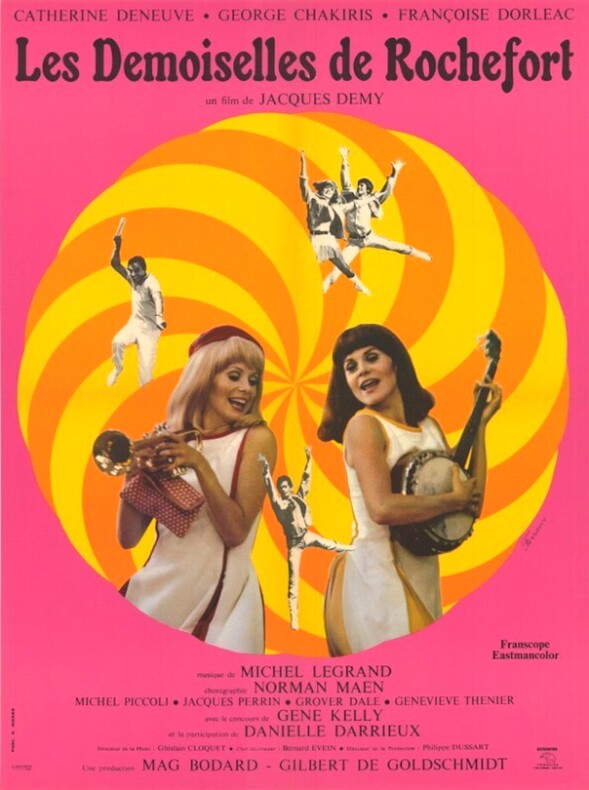
196723547Paris, Établissements St Martin, 1967. Affiche originale de Ferracci du film de Jacques Demy avec Françoise Dorléac et Catherine Deneuve, 120 cm x 160 cm, encadré (plexi anti-reflet), entoilée, mise sur châlit. Très bon état