Evans-Wentz, WY W YBiblio.com
183 résultats
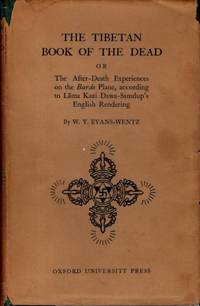
194934448London: Oxford University 1949. Second edition. Hardbound in very good condition in good dust jacket; jacket worn was in two pieces now nicely repaired in mylar. Ownership signature of Hugh Ripman; According to the Lama Kazi Dawa-Samdup's English rendering; Foreword by Sir John Woodroffe; 264 pages. Oxford University unknown
19573451London: Oxford University Press 1957. third edition. Hardcover. Very Good/fair. 8vo. lxxxiv 249 pp. Frontis. Illustrations. Cloth in dustwrapper clipped very good condition. With a Psychological Commentary by Dr. C. G. Jung Introducing Foreword by Lama Anagarika Govinda and a Foreword by Sir John Woodruffe. Foxing to endpapers. Rough cut pages Price clipped dust wrapper Small tear to dustwrapper and very small chip missing from top of spine. <br/><br/> Oxford University Press hardcover
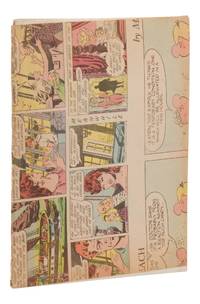
1967140947517Cleveland OH: Renegade Press 1967. First Edition. Very Good. First edition. Bound in publisher's side-stapled with a unique front wrap from a Sunday newspaper comics page; inner rear wrapper is a original screenprint. Near Fine with typical toning to newsprint and some offsetting to first page. <p>A scarce issue of Levy's concrete poetry journal with contributions by T. L. Kryss Rolla Rieder rjs and others as well as a section on yoga by famous anthropologist W.Y. Evans-Wentz reprinted from one of his books. Taylor & Horvath P-162. Renegade Press unknown
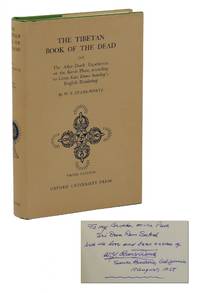
1957140939908London: Oxford University Press 1957. Third Edition. Fine/Near Fine. Third edition. Signed by Walter Y. Evans-Wentz and inscribed to "My brother on the path" Sri Deva Ram Sukul an author and yogi.<p><br /> <br /> Bound in publisher's original green cloth with gilt lettering and decorations. Fine in a Near Fine unclipped dust jacket with light edge wear light toning to the spone and a stain to the bottom corner of the rear panel. The American folklorist and religious scholar W.Y Evans-Wentz first translated the Tibetan Buddhist text the Bardo Thodol into English in in 1920s. Its title was invented by Wentz due to its similarities with the ancient Egyptian Book of the Dead and like that work this one has become a widely-read and studied classic of world spirituality. Oxford University Press unknown
194618262New York: Philosophical Library 1946. First Edition. Hardcover. Very Good bound in full blue cloth; with a Good dust jacket. Edge wear to jacket inlcluding some chipping and tears. Crease to bottom corner of several pages. Some mild foxing. 8vo 8 3/4"h x 5 3/4"w. 498 printed pages. One of the most important spiritual books written highly influential to Western ideas of Hindu spirituality with broader spiritual implications. Frontispiece portrait of Yogananda numerous B&W photographic plates. Philosophical Library hardcover
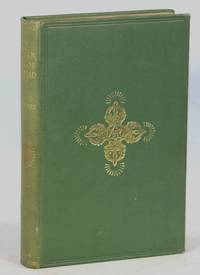
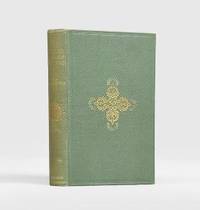
1927000013000Oxford: Oxford University Press 1927. First English language edition. Hardcover. Near Fine. 8vo. 9 x-xliv 1 2-248 pp. Green cloth with a gold design stamped on the front board the Hindu/Buddhist swastika at the center of the design gold lettering and a gold decoration on the spine; top edge gilt. Title page printed in red and black. Illustrated with a double-sided frontispiece and with several plates of black and white photographs. Foreword by Sir John Woodroffe. World History Encyclopedia Joshua J. Mark "Tibetan Book of the Dead". According to the traditional story Lotus Guru Padmasambhava and a female disciple Yeshe Tsogyal wrote the texts that would become the Bardo Thodol the Tibetan Book of the Dead during the eighth century of the Common Era. The texts became lost to time until they were found and disseminated orally by Karma Lingpa in the fourteenth century. Although written as a guide to assist and comfort the dead the work has taken on a new life as a guide for the living on spiritual transformation and self-improvement. The buddhist text is divided into six sections beginning with the moment of death until the moment that the deceased soul is either reborn or breaks the cycle of reincarnation samsara. The book was intended to shepherd the recently deceased through these cycles of the intermediate stages of reality and was read aloud at funeral rites for either days or weeks at a time by a monk. It was not until the twentieth century that the work was published in English. Walter Evans-Wentz was an anthropologist and scholar of Tibet and sought Dawa-Samdup's help in translating the texts from Tibetan into English. Dawa-Samdup died in 1922 after completing the funerary section of the book and Evans-Wentz filled in the rest accourding to his own knowledge. The Tibetan Book of the Dead is an excellent example of the core tenets of Buddhism and of eastern philosophy in general. A contemporary bookplate on the front pastedown very light foxing to the title page. Overall a beautiful copy. Oxford University Press hardcover
1927191254London: Humphrey Milford Oxford University Press 1927. A major text of world literature First edition. The work of Kazi Dawa-Samdup 1868-1922 a Buddhist scholar who served on the Dalai Lama's staff this translation popularized Tibetan Buddhism in the West and inspired the likes of W. B. Yeats James Joyce and Carl Jung. The latter wrote an extended commentary which was published in the 1957 third edition. Evans-Wentz completed and edited Samdup's translation after his death devising an English title that could invoke comparison with the Egyptian Book of the Dead rendered into English by Sir E. A. Wallis Budge in 1867. Octavo. Frontispiece printed on both sides with photographic half-tones 6 plates line drawing. Title page printed in red and black. Original green buckram spine lettered and stamped in gilt with Indian Wheel of Law boards panelled in blind front cover with gilt centrepiece of Lamaic Crossed Dorje top edge gilt others untrimmed. A little rubbing spine gently sunned: near-fine. hardcover
1946516H2195New York: The Philosophical Library. Good in Fair dust jacket. 1946. First Edition. Hardcover. xvi 498 pages. Index. Forty-nine black and white photos and illustrations. Map of India. Frontis portrait of author. "The subtle but definite laws by which yogis perform miracles and attain complete self-mastery are explained with a scientific clarity." - Dust jacket. "His unusual life document is certainly one of the most revealing of the depths of the Hindu mind and heart and of the spiritual wealth of India ever to be published in the West." - Preface. Selected as one of the "100 Most Important Spiritual Books of the Twentieth Century" by a committee led by Philip Zaleski on behalf of HarperSanFrancisco. Included in the book "50 Spiritual Classics" by Tom Butler-Bowdon. Unmarked with moderate wear to beige publisher's cloth. Binding sound. Above-average wear to dust jacket now preserved in archival-grade Brodart. Steve Jobs thought so highly of this work that departing attendees of his memorial service were each given a copy.; 8vo - over 7¾" - 9¾" tall; Yogananda Paramhansa Yogi Biography Autobiography Luther Burbank . The Philosophical Library hardcover