183 résultats
2000Q-0195133110Oxford University Press 2000-09-28. Hardcover. New. In shrink wrap. Looks like an interesting title! Oxford University Press hardcover
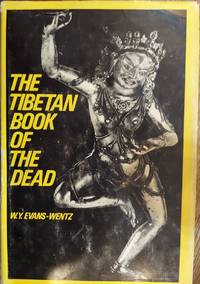
1973211214-MB32Causeway Books 1973. Very Good Hardcover with Very Good dustjacket . Hardcover. Very Good/Very Good. Causeway Books Hardcover
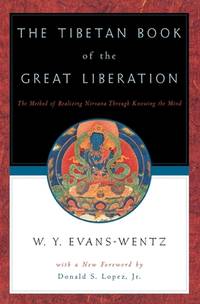
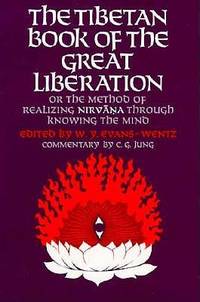
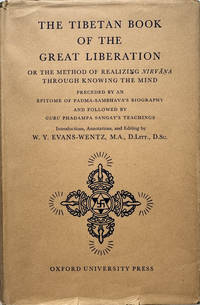
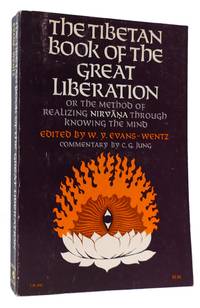
195475430London: Oxford University Press 1954. First edition. Octavo. lxiv 261 1 printer's slug pp. Plus color frontispiece and 8 full page photographic illustrations. Publisher's sage cloth with gilt spine and cover lettering in unclipped typographic dust jacket couple of very short tears along bottom margins. An exceptionally clean copy in a dust jacket with only a very minor issue. "The Tibetan Book of the Great Liberation which was unknown to the Western world until its first publication in 1954 speaks to the quintessence of the Supreme Path or Mah y na and fully reveals the yogic method of attaining Enlightenment. Such attainment can happen as shown here by means of knowing the One Mind the cosmic All-Consciousness without recourse to the postures breathings and other techniques associated with the lower yogas. The original text for this volume belongs to the Bardo Thodol series of treatises concerning various ways of achieving transcendence a series that figures into the Tantric school of the Mahayana. Authorship of this particular volume is attributed to the legendary Padma-Sambhava who journeyed from India to Tibet in the 8th century as the story goes at the invitation of a Tibetan king. Padma-Sambhava's text per se is preceded by an account of the great guru's own life and secret doctrines. It is followed by the testamentary teachings of the Guru Phadampa Sangay which are meant to augment the thought of the other gurus discussed herein.Still more useful supplementary material will be found in the book's introductory remarks by its editor Evans-Wentz and by the eminent psychoanalyst C. G. Jung. The former presents a 100-page General Introduction that explains several key names and notions such as Nirv na for starters with the lucidity ease and sagacity that are this scholar's hallmark; the latter offers a Psychological Commentary that weighs the differences between Eastern and Western modes of thought before equating the "collective unconscious" with the Enlightened Mind of the Buddhist" Oxford University Press. Oxford University Press hardcover
817769099X.Gpaperback. Good. Access codes and supplements are not guaranteed with used items. May be an ex-library book. paperback
SONG0196806968OXFORD UNIVERSITY PRESS 0000-00-00. Reprint. paperback. Used: Good. 0.00x0.00x0.00. Buy with confidence. Excellent Customer Service & Return policy. OXFORD UNIVERSITY PRESS paperback
2000DADAX0195133110Oxford University Press 2000-09-28. Revised ed. hardcover. New. 5.77x1.23x8.74. Buy with confidence. Excellent Customer Service & Return policy. Oxford University Press hardcover
197343195NY:: Causeway Books. Very Good in Very Good dust jacket. 1973. Hardcover. 088356016X . First edition thus. Very good in a very good short closed edge tear and attendant crease at the base of the front panel rubbing and age toning dust jacket. ; 248 pages . Causeway Books, hardcover
2000Q-0195133153Oxford University Press 2000-09-28. Paperback. New. New. In shrink wrap. Looks like an interesting title! Oxford University Press paperback
1968Q-0195002938Oxford University Press 1968-12-31. Paperback. New. In shrink wrap. Looks like an interesting title! Oxford University Press paperback
Q-0195002237Oxford University Press 1960-12-31. Paperback. New. In shrink wrap. Looks like an interesting title! Oxford University Press paperback
2000Q-0195133129Oxford University Press 2000-09-28. Paperback. New. New. In shrink wrap. Looks like an interesting title! Oxford University Press paperback
2000x-0195133153Oxford Univ Pr 2000. Paperback. New. 2nd sub edition. 261 pages. 8.25x5.50x0.75 inches. Oxford Univ Pr paperback
1954026553London: Geoffrey Cumberledge Oxford University Press. 1st printing 1954. 261pp. VG book small ink note on front pastedown a few instances of red ink annotation throughout otherwise internally excellent; in VG dust jacket lightly edge worn with a few nicks small closed tear to rear top spine corner head of spine chipped now preserved in archival jacket protector. Ink name on ffep of Indian writer and academic Phiroz Mehta 1902-1994 along with his short ink notes on front and rear pastedowns. Ink stamp on ffep of The Phiroz Mehta Trust . Very Good. Hardcover. 1st Edition. 1954. Geoffrey Cumberledge, Oxford University Press hardcover
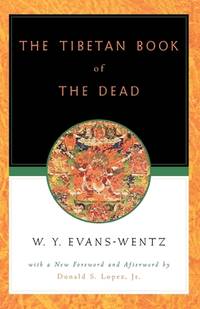
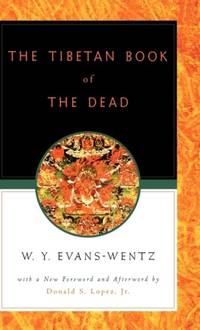
A9780195133110Hardback. New. With a new foreword and afterword by Donald S. Lopez this translation of the "Tibetan Book of the Dead" includes a new suggested further reading list and highlights the book's role in encouraging scholarly and popular interest in Tibetan religion. hardcover
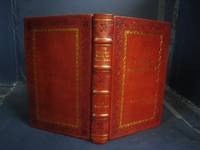
2018BIBSD0043093192018. Full Leather Bound. NEW. Size: 19.68 x 24.13 cms A Unique Premium Leather-Bound book for elite readers/collectors of old rare books. An Original Leather is being used for binding this book with Golden Leaf Printing and designing on Spine front and Back of the book with edge gilding. WE HAVE MULTIPLE OPTIONS IN COLOR OF LEATHER RED GREEN BLUE MAGENTA TAN PURPLE DEEP BROWN BLACK AND WITH DIFFERENT COLOR LABELS. YOU MAY CHOOSE ANY COLOR OF YOUR CHOICE AND MAIL US. This service is chargeable. Original edition was published in 1927 and this unique edition is Reprinted in 2018 with the help of original edition. Black & white printing on high quality natural shade paper with sewing binding for longer life professionally processed without changing its contents. As these are old books we processed each page manually on computer and make them readable. We give our best to give you the best book but in some cases we have to adjust few pages which are blur or missing or black spots. If it is multi volume set then it is only single volume. We hope that you understand these issues in these old treasure. This is an important book for the readers who want to know more about our old treasure. Our dedicated team is trying to bring these rare books back to the shelves. We are also giving service of printing the hard-to-find books which are not listed in our store. Hope you will like it and give your comments and suggestions. Lang: - English Pages 310. Product Disclaimer: Please be aware that because leather is a natural material slight discoloration or change in texture may be visible. FOLIO EDITION Size 12x19 Inches IS ALSO AVAILABLE ON REQUEST. hardcover
ria9780195133110_inpHardcover. New. New Book; Fast Shipping from UK; Not signed; Not First Edition; With a new foreword and afterword by Donald S. Lopez this translation of the "Tibetan Book of the Dead" includes a new suggested further reading list and highlights the book's role in encouraging scholarly and popular interest in Tibet hardcover
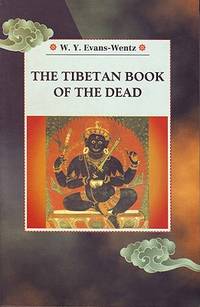
20049788178222516-2025New Age Books 2004. Hardcover. New/New. <p><strong>Author:</strong> W. Y. Evans-Wentz</p><p><strong>Publisher:</strong> New Age Books</p><p><strong>Binding:</strong> Hardcover</p><p><strong>ISBN:</strong> 9788178222516</p><p><strong>Release Date:</strong> 2004</p><p><strong>Number Of Pages:</strong> 272</p><p><strong>Details:</strong> The Tibetan Book of the Dead is one of the texts that according to legend Padma-Sambhava was compelled to hide during his visit to Tibet in the late 8th century. The guru hid his books in stones lakes and pillars because the Tibetans of that day and age were somehow unprepared for their teachings. Now in the form of the ever-popular Tibetan Book of the Dead these teachings are constantly being discovered and rediscovered by Western readers of many different backgrounds--a phenomenon which began in 1927 with Oxford's first edition of Dr. Evans-Wentz's landmark volume. While it is traditionally used as a mortuary text to be read or recited in the presence of a dead or dying person this book--which relates the whole experience of death and rebirth in three intermediate states of being--was originally understood as a guide not only for the dead but also for the living. As a contribution to the science of death and dying--not to mention the belief in life after death or the belief in rebirth--The Tibetan Book of the Dead is unique among the sacred texts of the world for its socio-cultural influence in this regard is without comparison.This fourth edition features a new foreword afterword and suggested further reading list by Donald S. Lopez author of Prisoners of Shangri-La: Tibetan Buddhism and the West. Lopez traces the whole history of the late Evans-Wentz's three earlier editions of this book fully considering the work of contributors to previous editions C. G. Jung among them the sections that were added by Evans-Wentz along the way the questions surrounding the book's translation and finally the volume's profound importance in engendering both popular and academic interest in the religion and culture of Tibet. Another key theme that Lopez addresses is the changing nature of this book's audience--from the prewar theosophists to the beat poets to the hippies to contemporary exponents of the hospice movement--and what these audiences have found or sought in its very old pages.</p> New Age Books hardcover
9788121509848-2025Munshiram Manoharlal Publishers. Hardcover. New/New. <p><strong>Author:</strong> W. Y. Evans-Wentz</p><p><strong>Publisher:</strong> Munshiram Manoharlal Publishers</p><p><strong>Binding:</strong> Hardcover</p><p><strong>ISBN:</strong> 9788121509848</p><p><strong>Number Of Pages:</strong> 292</p><p><strong>Details:</strong> The tibetan book of the dead is one of the texts that according to legend padma-sambhava was compelled to hide during his visit to tibet in the late 8th century the guru hid his books in stones lakes and pillars because the tibetans of that day and age were somehow unprepared for their teachings now in the form of the ever-popular tibetan book of the dead these teachings are constantly being discovered and rediscovered by western readers of many different backgrounds--a phenomenon which began in 1927 with oxfords first edition of dr evans-wentzs landmark volume while it is traditionally used as a mortuary text to be read or recited in the presence of a dead or dying person this book--which relates the whole experience of death and rebirth in three intermediate states of being--was originally understood as a guide not only for the dead but also for the living as a contribution to the science of death and dying--not to mention the belief in life after death or the belief in rebirth--the tibetan book of the dead is unique among the sacred texts of the world for its socio-cultural influence in this regard is without comparison this fourth edition features a new foreword afterword and suggested further reading list by donald s lopez author of prisoners of shangri-la: tibetan buddhism and the west lopez traces the whole history of the late evans-wentzs three earlier editions of this book fully considering the work of contributors to previous editions c g jung among them the sections that were added by evans-wentz along the way the questions surrounding the books translation and finally the volumes profound importance in engendering both popular and academic interest in the religion and culture of tibet</p> Munshiram Manoharlal Publishers hardcover
9788121509848-2025Munshiram Manoharlal Publishers. Hardcover. New/New. <p><strong>Author:</strong> W. Y. Evans-Wentz</p><p><strong>Publisher:</strong> Munshiram Manoharlal Publishers</p><p><strong>Binding:</strong> Hardcover</p><p><strong>ISBN:</strong> 9788121509848</p><p><strong>Number Of Pages:</strong> 292</p><p><strong>Details:</strong> The tibetan book of the dead is one of the texts that according to legend padma-sambhava was compelled to hide during his visit to tibet in the late 8th century the guru hid his books in stones lakes and pillars because the tibetans of that day and age were somehow unprepared for their teachings now in the form of the ever-popular tibetan book of the dead these teachings are constantly being discovered and rediscovered by western readers of many different backgrounds--a phenomenon which began in 1927 with oxfords first edition of dr evans-wentzs landmark volume while it is traditionally used as a mortuary text to be read or recited in the presence of a dead or dying person this book--which relates the whole experience of death and rebirth in three intermediate states of being--was originally understood as a guide not only for the dead but also for the living as a contribution to the science of death and dying--not to mention the belief in life after death or the belief in rebirth--the tibetan book of the dead is unique among the sacred texts of the world for its socio-cultural influence in this regard is without comparison this fourth edition features a new foreword afterword and suggested further reading list by donald s lopez author of prisoners of shangri-la: tibetan buddhism and the west lopez traces the whole history of the late evans-wentzs three earlier editions of this book fully considering the work of contributors to previous editions c g jung among them the sections that were added by evans-wentz along the way the questions surrounding the books translation and finally the volumes profound importance in engendering both popular and academic interest in the religion and culture of tibet</p> Munshiram Manoharlal Publishers hardcover
20049788178222516-2025New Age Books 2004. Hardcover. New/New. <p><strong>Author:</strong> W. Y. Evans-Wentz</p><p><strong>Publisher:</strong> New Age Books</p><p><strong>Binding:</strong> Hardcover</p><p><strong>ISBN:</strong> 9788178222516</p><p><strong>Release Date:</strong> 2004</p><p><strong>Number Of Pages:</strong> 272</p><p><strong>Details:</strong> The Tibetan Book of the Dead is one of the texts that according to legend Padma-Sambhava was compelled to hide during his visit to Tibet in the late 8th century. The guru hid his books in stones lakes and pillars because the Tibetans of that day and age were somehow unprepared for their teachings. Now in the form of the ever-popular Tibetan Book of the Dead these teachings are constantly being discovered and rediscovered by Western readers of many different backgrounds--a phenomenon which began in 1927 with Oxford's first edition of Dr. Evans-Wentz's landmark volume. While it is traditionally used as a mortuary text to be read or recited in the presence of a dead or dying person this book--which relates the whole experience of death and rebirth in three intermediate states of being--was originally understood as a guide not only for the dead but also for the living. As a contribution to the science of death and dying--not to mention the belief in life after death or the belief in rebirth--The Tibetan Book of the Dead is unique among the sacred texts of the world for its socio-cultural influence in this regard is without comparison.This fourth edition features a new foreword afterword and suggested further reading list by Donald S. Lopez author of Prisoners of Shangri-La: Tibetan Buddhism and the West. Lopez traces the whole history of the late Evans-Wentz's three earlier editions of this book fully considering the work of contributors to previous editions C. G. Jung among them the sections that were added by Evans-Wentz along the way the questions surrounding the book's translation and finally the volume's profound importance in engendering both popular and academic interest in the religion and culture of Tibet. Another key theme that Lopez addresses is the changing nature of this book's audience--from the prewar theosophists to the beat poets to the hippies to contemporary exponents of the hospice movement--and what these audiences have found or sought in its very old pages.</p> New Age Books hardcover
B9780195133110Hardback. New. With a new foreword and afterword by Donald S. Lopez this translation of the "Tibetan Book of the Dead" includes a new suggested further reading list and highlights the book's role in encouraging scholarly and popular interest in Tibetan religion. hardcover
812150970X.Gpaperback. Good. Access codes and supplements are not guaranteed with used items. May be an ex-library book. paperback
1980175616New York: Oxford University Press 1980. First Paperback Edition; Second Printing. Softcover. Very Good in wraps. Owner name on front pastedown. Text lightly annotated throughout with pencil. Oxford University Press unknown