Jacob, Nicolas Henri; Bourgery, JM J MBiblio.com
1 823 résultats
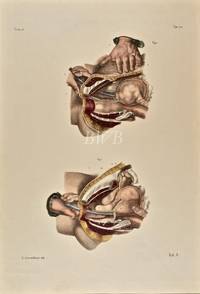
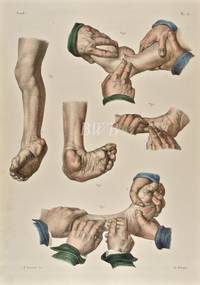
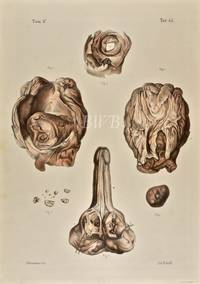
1841618865Florence: D. Serantoni 1841. Hand-colored lithograph. Sheet 17" x 12". Fine. Table 55 from "Iconografia d'Anatomia Chirurgica e di Medicina Operatoria" vol. 2. In 1830 Jacob and Bourgery began the eight-volume masterpiece titled "Traité complet de l'anatomie de l'homme." Volumes six and seven were published in Italian with one color plate per page rather than four black and white plates per page in the French original. This Italian edition is considered one of the most beautiful illustrated medical books of the 19th century. N.H. Jacob was a French designer lithographer and cabinet maker who studied under the painter Jacques-Louis David. J.M. Bourgery was a French physician and anatomist. He and Jacobs's work on "Traité complet de l'anatomie de l'homme" encompassed twenty years. Always securely packed and dispatched rapidly. Professional sellers of antiquarian books maps and prints since 1994. Satisfaction guaranteed. <br/><br/> D. Serantoni unknown
1841618881Florence: D. Serantoni 1841. Hand-colored lithograph. Sheet 17.25" x 12". Fine. Table 73 from "Iconografia d'Anatomia Chirurgica e di Medicina Operatoria" vol. 2. In 1830 Jacob and Bourgery began the eight-volume masterpiece titled "Traité complet de l'anatomie de l'homme." Volumes six and seven were published in Italian with one color plate per page rather than four black and white plates per page in the French original. This Italian edition is considered one of the most beautiful illustrated medical books of the 19th century. N.H. Jacob was a French designer lithographer and cabinet maker who studied under the painter Jacques-Louis David. J.M. Bourgery was a French physician and anatomist. He and Jacobs's work on "Traité complet de l'anatomie de l'homme" encompassed twenty years. Always securely packed and dispatched rapidly. Professional sellers of antiquarian books maps and prints since 1994. Satisfaction guaranteed. <br/><br/> D. Serantoni unknown
1841618867Florence: D. Serantoni 1841. Hand-colored lithograph. Sheet 16.75" x 12. Fine. Table J from "Iconografia d'Anatomia Chirurgica e di Medicina Operatoria" vol. 2. In 1830 Jacob and Bourgery began the eight-volume masterpiece titled "Traité complet de l'anatomie de l'homme." Volumes six and seven were published in Italian with one color plate per page rather than four black and white plates per page in the French original. This Italian edition is considered one of the most beautiful illustrated medical books of the 19th century. N.H. Jacob was a French designer lithographer and cabinet maker who studied under the painter Jacques-Louis David. J.M. Bourgery was a French physician and anatomist. He and Jacobs's work on "Traité complet de l'anatomie de l'homme" encompassed twenty years. Always securely packed and dispatched rapidly. Professional sellers of antiquarian books maps and prints since 1994. Satisfaction guaranteed. D. Serantoni unknown
184551688Philadelphia: J.H. Pearsol. 1845. Hardcover. Good. 1845 printing. Original Brown leather binding. Shelf wear and rubbing to the spine edges and corners. Corners slightly bumped and rubbed. Scattered foxing to the text mostly light. Includes two multi-fold engraved illustrations at the front of the book The binding is tight. ; 624 pages . J.H. Pearsol hardcover
18592310187Boston: John P. Jewett and Company 1859. First Edition. Hard Cover. Good/No Jacket. 0x0x0. First edition Sabin 80503. Corners rubbed with a few tape repairs to spine library bookplate and stamp on front endpapers a few pages lightly foxed. 1859 Hard Cover. vii 1 280 pp. 8vo. Two-column format. Engraved illustration of Cleveland Ohio jail where the prisoners were confined on title page. An account of escape recapture and rescue of a 'fugitive slave' and subsequent indictment of the rescuers. From Sabin: "An extraordinary case under the Fugitive Slave Act. Wellington is located thirty-six miles southwest of Cleveland; Oberlin is nine miles north of Wellington. In January 1856 a negro slave called John was missing from a plantation in Mason county Kentucky. In August 1856 a friend of the owner recognized John at Oberlin and with the aid of friends from Kentucky arrested him with the intention of taking him back. They took him to Wellington where he was rescued by a large body of persons from Oberlin and Wellington---hence the title. Thirty-seven of the rescuers were indicted by the State and confined for many months in the Cleveland jail while the trial progressed. They were finally acquitted and great was the rejoicing. The account of the affair is contained in 280 double column solidly printed pages."---THOMSON'S Bibliography of Ohio. John P. Jewett and Company hardcover
185943720Boston: John P. Jewett and Company 1859. Hardcover. Small 4to. Original blind-ruled grown cloth with gilt spine lettering. viii 280pp. Good plus overall. While inner hinges and text block are a solid very good clean and nice the binding is quite rough and edgeworn especially along length of spine which is chipped along the top and rear board cloth mottled. A tight and decent first edition of this court case transcript introduced by Henry E. Peck and Ralph Plumb -- a famed test of the Fugitive Slave Law involving an escaped slave from Kentucky and the owner's attempt to reclaim him in Ohio. HOWES S 419. John P. Jewett and Company hardcover
189934573Warsaw: Meir Jehiel Halter 1899. Second edition. 8vo. 88pp. Blue half-cloth over black pebbled cloth. A Zionist tract by one of the founders of the religious Zionist movement. This work was first published in 1891 and is a collection of pro-Zionist statements by rabbis. This Text in Hebrew. Corners worn. Head and tail of spine bumped. Some age toning and rippling to leaves. Overall in good condition. Meir Jehiel Halter unknown
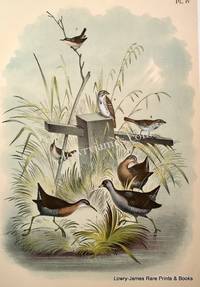
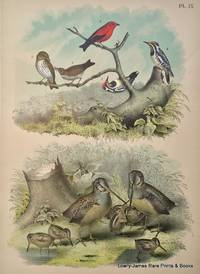
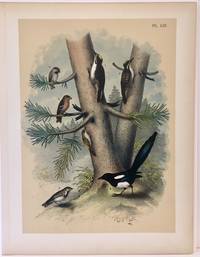
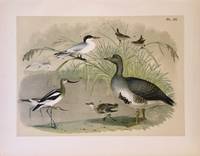
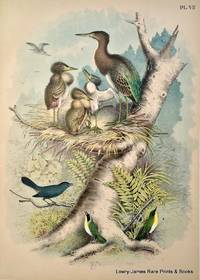
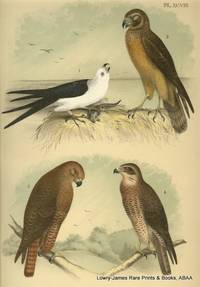
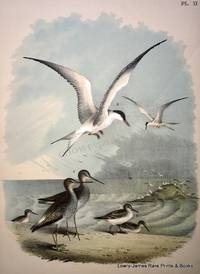
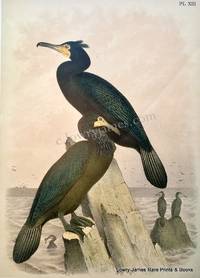
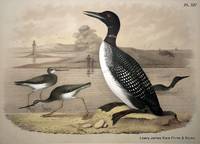
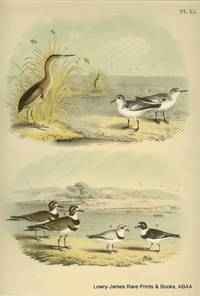
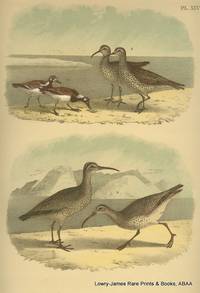
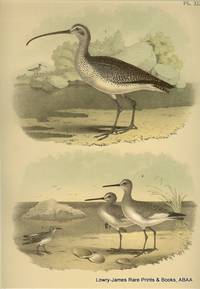
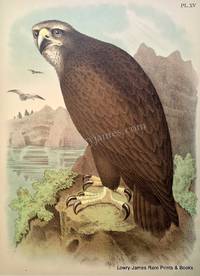
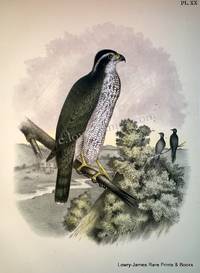
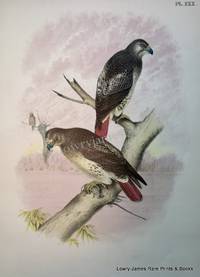
18817038New York:: Jacob H. Studer & Co. 1881. First printing. Fine. Fine original Chromolithograph. Folio. 11.25 x 14.5 inches archivally French matted sized 16 x 20 inches. In his popular ornithology editor and publisher Jacob Henry Studer Columbus Ohio 1840-1904 utilized chromolithography as an affordable means of capturing both the brilliant plumage and the subtle shading of the birds depicted in their natural surroundings after paintings by Theodore Jasper AMMD and amateur ornithologist. Studer and Jasper followed the traditions of John James Audubon 1770-1851 and Alexander Wilson 1766-1813 in an effort to document and render all species of birds found in nineteenth century North America. Drawing from accounts of not only Audubon and Wilson- both supreme naturalists in their own right- but also the most eminent nature writers of the day the insightful text which accompanies the plate provides a thorough and lively account of the native species and the early American landscape. Although inspired by the artistry and genius of John James Audubon Studer and Jasper's compositions are often populated with a multitude of birds rendered in a flat two-dimensional style more reminiscent of the engravings by Alexander Wilson in his introductory work on America's birds: American Ornithology or The Natural History of the Birds of the United States Philadelphia 1808-14. Anker p.80; Bennett p.63; Fine Bird Books p.145; Nissen IVB 473; Wood p.406; Zimmer p.333. Matted in Rag Board Jacob H. Studer & Co., unknown
18817040New York:: Jacob H. Studer & Co. 1881. First printing. Fine . Fine original Chromolithograph. Folio. 11.25 x 14.5 inches archivally French matted sized 16 x 20 inches. In his popular ornithology the editor and publisher Jacob Henry Studer Columbus Ohio 1840-1904 utilized chromolithography as an affordable means of capturing both the brilliant plumage and the subtle shading of the birds depicted in their natural surroundings after paintings by Theodore Jasper AMMD and amateur ornithologist. Studer and Jasper followed the traditions of John James Audubon 1770-1851 and Alexander Wilson 1766-1813 in an effort to document and render all species of birds found in nineteenth century North America. Drawing from accounts of not only Audubon and Wilson- both supreme naturalists in their own right- but also the most eminent nature writers of the day the insightful text which accompanies the plate provides a thorough and lively account of the native species and the early American landscape. Although inspired by the artistry and genius of John James Audubon Studer and Jasper's compositions are often populated with a multitude of birds rendered in a flat two-dimensional style more reminiscent of the engravings by Alexander Wilson in his introductory work on America's birds: American Ornithology or The Natural History of the Birds of the United States Philadelphia 1808-14. Anker p.80; Bennett p.63; Fine Bird Books p.145; Nissen IVB 473; Wood p.406; Zimmer p.333. Matted in Rag Board Jacob H. Studer & Co., unknown
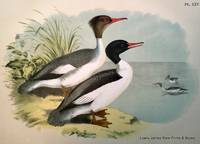
18814298New York:: Jacob H. Studer & Co. 1881. First printing. Fine . Fine original Chromolithograph. Folio. 11.25 x 14.5 inches archivally French matted sized 16 x 20 inches. In his popular ornithology the editor and publisher Jacob Henry Studer Columbus Ohio 1840-1904 utilized chromolithography as an affordable means of capturing both the brilliant plumage and the subtle shading of the birds depicted in their natural surroundings after paintings by Theodore Jasper AMMD and amateur ornithologist. Studer and Jasper followed the traditions of John James Audubon 1770-1851 and Alexander Wilson 1766-1813 in an effort to document and render all species of birds found in nineteenth century North America. Drawing from accounts of not only Audubon and Wilson- both supreme naturalists in their own right- but also the most eminent nature writers of the day the insightful text which accompanies the plate provides a thorough and lively account of the native species and the early American landscape. Although inspired by the artistry and genius of John James Audubon Studer and Jasper's compositions are often populated with a multitude of birds rendered in a flat two-dimensional style more reminiscent of the engravings by Alexander Wilson in his introductory work on America's birds: American Ornithology or The Natural History of the Birds of the United States Philadelphia 1808-14. Anker p.80; Bennett p.63; Fine Bird Books p.145; Nissen IVB 473; Wood p.406; Zimmer p.333. Matted in Rag Board Jacob H. Studer & Co., unknown
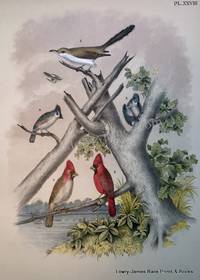
18814296New York:: Jacob H. Studer & Co. 1881. First printing. Fine . Fine original Chromolithograph. Folio. 11.25 x 14.5 inches archivally French matted sized 16 x 20 inches. In his popular ornithology the editor and publisher Jacob Henry Studer Columbus Ohio 1840-1904 utilized chromolithography as an affordable means of capturing both the brilliant plumage and the subtle shading of the birds depicted in their natural surroundings after paintings by Theodore Jasper AMMD and amateur ornithologist. Studer and Jasper followed the traditions of John James Audubon 1770-1851 and Alexander Wilson 1766-1813 in an effort to document and render all species of birds found in nineteenth century North America. Drawing from accounts of not only Audubon and Wilson- both supreme naturalists in their own right- but also the most eminent nature writers of the day the insightful text which accompanies the plate provides a thorough and lively account of the native species and the early American landscape. Although inspired by the artistry and genius of John James Audubon Studer and Jasper's compositions are often populated with a multitude of birds rendered in a flat two-dimensional style more reminiscent of the engravings by Alexander Wilson in his introductory work on America's birds: American Ornithology or The Natural History of the Birds of the United States Philadelphia 1808-14. Anker p.80; Bennett p.63; Fine Bird Books p.145; Nissen IVB 473; Wood p.406; Zimmer p.333. Matted in Rag Board Jacob H. Studer & Co., unknown
18817039New York:: Jacob H. Studer & Co. 1881. First printing. Fine . Fine original Chromolithograph. Folio. 11.25 x 14.5 inches archivally French matted sized 16 x 20 inches. In his popular ornithology the editor and publisher Jacob Henry Studer Columbus Ohio 1840-1904 utilized chromolithography as an affordable means of capturing both the brilliant plumage and the subtle shading of the birds depicted in their natural surroundings after paintings by Theodore Jasper AMMD and amateur ornithologist. Studer and Jasper followed the traditions of John James Audubon 1770-1851 and Alexander Wilson 1766-1813 in an effort to document and render all species of birds found in nineteenth century North America. Drawing from accounts of not only Audubon and Wilson- both supreme naturalists in their own right- but also the most eminent nature writers of the day the insightful text which accompanies the plate provides a thorough and lively account of the native species and the early American landscape. Although inspired by the artistry and genius of John James Audubon Studer and Jasper's compositions are often populated with a multitude of birds rendered in a flat two-dimensional style more reminiscent of the engravings by Alexander Wilson in his introductory work on America's birds: American Ornithology or The Natural History of the Birds of the United States Philadelphia 1808-14. Anker p.80; Bennett p.63; Fine Bird Books p.145; Nissen IVB 473; Wood p.406; Zimmer p.333. Matted in Rag Board Jacob H. Studer & Co., unknown
18816628New York:: Jacob H. Studer & Co. 1881. First printing. Fine . Fine original Chromolithograph. Folio. 11.25 x 14.5 inches archivally French matted sized 16 x 20 inches. In his popular ornithology the editor and publisher Jacob Henry Studer Columbus Ohio 1840-1904 utilized chromolithography as an affordable means of capturing both the brilliant plumage and the subtle shading of the birds depicted in their natural surroundings after paintings by Theodore Jasper AMMD and amateur ornithologist. Studer and Jasper followed the traditions of John James Audubon 1770-1851 and Alexander Wilson 1766-1813 in an effort to document and render all species of birds found in nineteenth century North America. Drawing from accounts of not only Audubon and Wilson- both supreme naturalists in their own right- but also the most eminent nature writers of the day the insightful text which accompanies the plate provides a thorough and lively account of the native species and the early American landscape. Although inspired by the artistry and genius of John James Audubon Studer and Jasper's compositions are often populated with a multitude of birds rendered in a flat two-dimensional style more reminiscent of the engravings by Alexander Wilson in his introductory work on America's birds: American Ornithology or The Natural History of the Birds of the United States Philadelphia 1808-14. Anker p.80; Bennett p.63; Fine Bird Books p.145; Nissen IVB 473; Wood p.406; Zimmer p.333. Matted in Rag Board Jacob H. Studer & Co., unknown
18817042New York:: Jacob H. Studer & Co. 1881. First printing. Fine . Fine original Chromolithograph. Folio. 11.25 x 14.5 inches archivally French matted sized 16 x 20 inches. In his popular ornithology the editor and publisher Jacob Henry Studer Columbus Ohio 1840-1904 utilized chromolithography as an affordable means of capturing both the brilliant plumage and the subtle shading of the birds depicted in their natural surroundings after paintings by Theodore Jasper AMMD and amateur ornithologist. Studer and Jasper followed the traditions of John James Audubon 1770-1851 and Alexander Wilson 1766-1813 in an effort to document and render all species of birds found in nineteenth century North America. Drawing from accounts of not only Audubon and Wilson- both supreme naturalists in their own right- but also the most eminent nature writers of the day the insightful text which accompanies the plate provides a thorough and lively account of the native species and the early American landscape. Although inspired by the artistry and genius of John James Audubon Studer and Jasper's compositions are often populated with a multitude of birds rendered in a flat two-dimensional style more reminiscent of the engravings by Alexander Wilson in his introductory work on America's birds: American Ornithology or The Natural History of the Birds of the United States Philadelphia 1808-14. Anker p.80; Bennett p.63; Fine Bird Books p.145; Nissen IVB 473; Wood p.406; Zimmer p.333. Matted in Rag Board Jacob H. Studer & Co., unknown
18817043New York:: Jacob H. Studer & Co. 1881. First printing. Fine . Fine original Chromolithograph. Folio. 11.25 x 14.5 inches archivally French matted sized 16 x 20 inches. In his popular ornithology created to satify nineteenth century America's burgeoning interest in birding the editor and publisher Jacob Henry Studer Columbus Ohio 1840-1904 utilized chromolithography as an affordable means of capturing both the brilliant plumage and the subtle shading of the birds depicted in their natural surroundings after paintings by Theodore Jasper AMMD and amateur ornithologist. Studer and Jasper followed the traditions of John James Audubon 1770-1851 and Alexander Wilson 1766-1813 in an effort to document and render all species of birds found in nineteenth century North America. Drawing from accounts of not only Audubon and Wilson- both supreme naturalists in their own right- but also the most eminent nature writers of the day the insightful text which accompanies the plate provides a thorough and lively account of the native species and the early American landscape. Although inspired by the artistry and genius of John James Audubon Studer and Jasper's compositions are often populated with a multitude of birds rendered in a flat two-dimensional style more reminiscent of the engravings by Alexander Wilson in his introductory work on America's birds: American Ornithology or The Natural History of the Birds of the United States Philadelphia 1808-14. Anker p.80; Bennett p.63; Fine Bird Books p.145; Nissen IVB 473; Wood p.406; Zimmer p.333. Matted in Rag Board Jacob H. Studer & Co., unknown
18817050New York:: Jacob H. Studer & Co. 1881. First printing. Fine . Fine original Chromolithograph. Folio. 11.25 x 14.5 inches archivally French matted sized 16 x 20 inches. In his popular ornithology the editor and publisher Jacob Henry Studer Columbus Ohio 1840-1904 utilized chromolithography as an affordable means of capturing both the brilliant plumage and the subtle shading of the birds depicted in their natural surroundings after paintings by Theodore Jasper AMMD and amateur ornithologist. Studer and Jasper followed the traditions of John James Audubon 1770-1851 and Alexander Wilson 1766-1813 in an effort to document and render all species of birds found in nineteenth century North America. Drawing from accounts of not only Audubon and Wilson- both supreme naturalists in their own right- but also the most eminent nature writers of the day the insightful text which accompanies the plate provides a thorough and lively account of the native species and the early American landscape. Although inspired by the artistry and genius of John James Audubon Studer and Jasper's compositions are often populated with a multitude of birds rendered in a flat two-dimensional style more reminiscent of the engravings by Alexander Wilson in his introductory work on America's birds: American Ornithology or The Natural History of the Birds of the United States Philadelphia 1808-14. Anker p.80; Bennett p.63; Fine Bird Books p.145; Nissen IVB 473; Wood p.406; Zimmer p.333. Matted in Rag Board Jacob H. Studer & Co., unknown
18816629New York:: Jacob H. Studer & Co. 1881. First printing. Fine . Fine original Chromolithograph. Folio. 11.25 x 14.5 inches archivally French matted sized 16 x 20 inches. In his popular ornithology the editor and publisher Jacob Henry Studer Columbus Ohio 1840-1904 utilized chromolithography as an affordable means of capturing both the brilliant plumage and the subtle shading of the birds depicted in their natural surroundings after paintings by Theodore Jasper AMMD and amateur ornithologist. Studer and Jasper followed the traditions of John James Audubon 1770-1851 and Alexander Wilson 1766-1813 in an effort to document and render all species of birds found in nineteenth century North America. Drawing from accounts of not only Audubon and Wilson- both supreme naturalists in their own right- but also the most eminent nature writers of the day the insightful text which accompanies the plate provides a thorough and lively account of the native species and the early American landscape. Although inspired by the artistry and genius of John James Audubon Studer and Jasper's compositions are often populated with a multitude of birds rendered in a flat two-dimensional style more reminiscent of the engravings by Alexander Wilson in his introductory work on America's birds: American Ornithology or The Natural History of the Birds of the United States Philadelphia 1808-14. Anker p.80; Bennett p.63; Fine Bird Books p.145; Nissen IVB 473; Wood p.406; Zimmer p.333. Matted in Rag Board Jacob H. Studer & Co., unknown
18816625New York:: Jacob H. Studer & Co. 1881. First printing. Fine . Fine original Chromolithograph. Folio. 11.25 x 14.5 inches archivally French matted sized 16 x 20 inches. In his popular ornithology the editor and publisher Jacob Henry Studer Columbus Ohio 1840-1904 utilized chromolithography as an affordable means of capturing both the brilliant plumage and the subtle shading of the birds depicted in their natural surroundings after paintings by Theodore Jasper AMMD and amateur ornithologist. Studer and Jasper followed the traditions of John James Audubon 1770-1851 and Alexander Wilson 1766-1813 in an effort to document and render all species of birds found in nineteenth century North America. Drawing from accounts of not only Audubon and Wilson- both supreme naturalists in their own right- but also the most eminent nature writers of the day the insightful text which accompanies the plate provides a thorough and lively account of the native species and the early American landscape. Although inspired by the artistry and genius of John James Audubon Studer and Jasper's compositions are often populated with a multitude of birds rendered in a flat two-dimensional style more reminiscent of the engravings by Alexander Wilson in his introductory work on America's birds: American Ornithology or The Natural History of the Birds of the United States Philadelphia 1808-14. Anker p.80; Bennett p.63; Fine Bird Books p.145; Nissen IVB 473; Wood p.406; Zimmer p.333. Matted in Rag Board Jacob H. Studer & Co., unknown
18816626New York:: Jacob H. Studer & Co. 1881. First printing. Fine . Fine original Chromolithograph. Folio. 11.25 x 14.5 inches archivally French matted sized 16 x 20 inches. In his popular ornithology the editor and publisher Jacob Henry Studer Columbus Ohio 1840-1904 utilized chromolithography as an affordable means of capturing both the brilliant plumage and the subtle shading of the birds depicted in their natural surroundings after paintings by Theodore Jasper AMMD and amateur ornithologist. Studer and Jasper followed the traditions of John James Audubon 1770-1851 and Alexander Wilson 1766-1813 in an effort to document and render all species of birds found in nineteenth century North America. Drawing from accounts of not only Audubon and Wilson- both supreme naturalists in their own right- but also the most eminent nature writers of the day the insightful text which accompanies the plate provides a thorough and lively account of the native species and the early American landscape. Although inspired by the artistry and genius of John James Audubon Studer and Jasper's compositions are often populated with a multitude of birds rendered in a flat two-dimensional style more reminiscent of the engravings by Alexander Wilson in his introductory work on America's birds: American Ornithology or The Natural History of the Birds of the United States Philadelphia 1808-14. Anker p.80; Bennett p.63; Fine Bird Books p.145; Nissen IVB 473; Wood p.406; Zimmer p.333. Matted in Rag Board Jacob H. Studer & Co., unknown
18817044New York:: Jacob H. Studer & Co. 1881. First printing. Fine . Fine original Chromolithograph. Folio. 11.25 x 14.5 inches archivally French matted sized 16 x 20 inches. In his popular ornithology the editor and publisher Jacob Henry Studer Columbus Ohio 1840-1904 utilized chromolithography as an affordable means of capturing both the brilliant plumage and the subtle shading of the birds depicted in their natural surroundings after paintings by Theodore Jasper AMMD and amateur ornithologist. Studer and Jasper followed the traditions of John James Audubon 1770-1851 and Alexander Wilson 1766-1813 in an effort to document and render all species of birds found in nineteenth century North America. Drawing from accounts of not only Audubon and Wilson- both supreme naturalists in their own right- but also the most eminent nature writers of the day the insightful text which accompanies the plate provides a thorough and lively account of the native species and the early American landscape. Although inspired by the artistry and genius of John James Audubon Studer and Jasper's compositions are often populated with a multitude of birds rendered in a flat two-dimensional style more reminiscent of the engravings by Alexander Wilson in his introductory work on America's birds: American Ornithology or The Natural History of the Birds of the United States Philadelphia 1808-14. Anker p.80; Bennett p.63; Fine Bird Books p.145; Nissen IVB 473; Wood p.406; Zimmer p.333. Matted in Rag Board Jacob H. Studer & Co., unknown
18817046New York:: Jacob H. Studer & Co. 1881. First printing. Fine. Fine original Chromolithograph. Folio. 11.25 x 14.5 inches archivally French matted sized 16 x 20 inches. In his popular ornithology the editor and publisher Jacob Henry Studer Columbus Ohio 1840-1904 utilized chromolithography as an affordable means of capturing both the brilliant plumage and the subtle shading of the birds depicted in their natural surroundings after paintings by Theodore Jasper AMMD and amateur ornithologist. Studer and Jasper followed the traditions of John James Audubon 1770-1851 and Alexander Wilson 1766-1813 in an effort to document and render all species of birds found in nineteenth century North America. Drawing from accounts of not only Audubon and Wilson- both supreme naturalists in their own right- but also the most eminent nature writers of the day the insightful text which accompanies the plate provides a thorough and lively account of the native species and the early American landscape. Although inspired by the artistry and genius of John James Audubon Studer and Jasper's compositions are often populated with a multitude of birds rendered in a flat two-dimensional style more reminiscent of the engravings by Alexander Wilson in his introductory work on America's birds: American Ornithology or The Natural History of the Birds of the United States Philadelphia 1808-14. Anker p.80; Bennett p.63; Fine Bird Books p.145; Nissen IVB 473; Wood p.406; Zimmer p.333. Matted in Rag Board Jacob H. Studer & Co., unknown
18817047New York:: Jacob H. Studer & Co. 1881. First printing. Fine . Fine original Chromolithograph. Folio. 11.25 x 14.5 inches archivally French matted sized 16 x 20 inches. In his popular ornithology the editor and publisher Jacob Henry Studer Columbus Ohio 1840-1904 utilized chromolithography as an affordable means of capturing both the brilliant plumage and the subtle shading of the birds depicted in their natural surroundings after paintings by Theodore Jasper AMMD and amateur ornithologist. Studer and Jasper followed the traditions of John James Audubon 1770-1851 and Alexander Wilson 1766-1813 in an effort to document and render all species of birds found in nineteenth century North America. Drawing from accounts of not only Audubon and Wilson- both supreme naturalists in their own right- but also the most eminent nature writers of the day the insightful text which accompanies the plate provides a thorough and lively account of the native species and the early American landscape. Although inspired by the artistry and genius of John James Audubon Studer and Jasper's compositions are often populated with a multitude of birds rendered in a flat two-dimensional style more reminiscent of the engravings by Alexander Wilson in his introductory work on America's birds: American Ornithology or The Natural History of the Birds of the United States Philadelphia 1808-14. Anker p.80; Bennett p.63; Fine Bird Books p.145; Nissen IVB 473; Wood p.406; Zimmer p.333. Matted in Rag Board Jacob H. Studer & Co., unknown
18817048New York:: Jacob H. Studer & Co. 1881. First printing. Fine . Fine original Chromolithograph. Folio. 11.25 x 14.5 inches archivally French matted sized 16 x 20 inches. In his popular ornithology the editor and publisher Jacob Henry Studer Columbus Ohio 1840-1904 utilized chromolithography as an affordable means of capturing both the brilliant plumage and the subtle shading of the birds depicted in their natural surroundings after paintings by Theodore Jasper AMMD and amateur ornithologist. Studer and Jasper followed the traditions of John James Audubon 1770-1851 and Alexander Wilson 1766-1813 in an effort to document and render all species of birds found in nineteenth century North America. Drawing from accounts of not only Audubon and Wilson- both supreme naturalists in their own right- but also the most eminent nature writers of the day the insightful text which accompanies the plate provides a thorough and lively account of the native species and the early American landscape. Although inspired by the artistry and genius of John James Audubon Studer and Jasper's compositions are often populated with a multitude of birds rendered in a flat two-dimensional style more reminiscent of the engravings by Alexander Wilson in his introductory work on America's birds: American Ornithology or The Natural History of the Birds of the United States Philadelphia 1808-14. Anker p.80; Bennett p.63; Fine Bird Books p.145; Nissen IVB 473; Wood p.406; Zimmer p.333. Matted in Rag Board Jacob H. Studer & Co., unknown
18817049New York:: Jacob H. Studer & Co. 1881. First printing. Fine . Fine original Chromolithograph. Folio. 11.25 x 14.5 inches archivally French matted sized 16 x 20 inches. In his popular ornithology the editor and publisher Jacob Henry Studer Columbus Ohio 1840-1904 utilized chromolithography as an affordable means of capturing both the brilliant plumage and the subtle shading of the birds depicted in their natural surroundings after paintings by Theodore Jasper AMMD and amateur ornithologist. Studer and Jasper followed the traditions of John James Audubon 1770-1851 and Alexander Wilson 1766-1813 in an effort to document and render all species of birds found in nineteenth century North America. Drawing from accounts of not only Audubon and Wilson- both supreme naturalists in their own right- but also the most eminent nature writers of the day the insightful text which accompanies the plate provides a thorough and lively account of the native species and the early American landscape. Although inspired by the artistry and genius of John James Audubon Studer and Jasper's compositions are often populated with a multitude of birds rendered in a flat two-dimensional style more reminiscent of the engravings by Alexander Wilson in his introductory work on America's birds: American Ornithology or The Natural History of the Birds of the United States Philadelphia 1808-14. Anker p.80; Bennett p.63; Fine Bird Books p.145; Nissen IVB 473; Wood p.406; Zimmer p.333. Matted in Rag Board Jacob H. Studer & Co., unknown
18817051New York:: Jacob H. Studer & Co. 1881. First printing. Fine . Fine original Chromolithograph. Folio. 11.25 x 14.5 inches archivally French matted sized 16 x 20 inches. In his popular ornithology the editor and publisher Jacob Henry Studer Columbus Ohio 1840-1904 utilized chromolithography as an affordable means of capturing both the brilliant plumage and the subtle shading of the birds depicted in their natural surroundings after paintings by Theodore Jasper AMMD and amateur ornithologist. Studer and Jasper followed the traditions of John James Audubon 1770-1851 and Alexander Wilson 1766-1813 in an effort to document and render all species of birds found in nineteenth century North America. Drawing from accounts of not only Audubon and Wilson- both supreme naturalists in their own right- but also the most eminent nature writers of the day the insightful text which accompanies the plate provides a thorough and lively account of the native species and the early American landscape. Although inspired by the artistry and genius of John James Audubon Studer and Jasper's compositions are often populated with a multitude of birds rendered in a flat two-dimensional style more reminiscent of the engravings by Alexander Wilson in his introductory work on America's birds: American Ornithology or The Natural History of the Birds of the United States Philadelphia 1808-14. Anker p.80; Bennett p.63; Fine Bird Books p.145; Nissen IVB 473; Wood p.406; Zimmer p.333. Matted in Rag Board Jacob H. Studer & Co., unknown