407 résultats
19822110502150907022Rinsen Bookstore 1982. Soft Cover. Fine. Number of books: 11 Rinsen Bookstore paperback
19972091502135703824Hozokan 1997. Soft Cover. Fine. The book is in fine condition. Hozokan paperback
19752091502135202622Iwao Minamido shoten 1975. Soft Cover. Fine. Size: 22cm Number of books: 21 Iwao Minamido shoten paperback
19832091502135303854Daiichishobo 1983. Soft Cover. Fine. Number of books: 13 Daiichishobo paperback
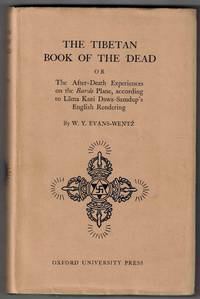
1927000013000Oxford: Oxford University Press 1927. First English language edition. Hardcover. Near Fine. 8vo. 9 x-xliv 1 2-248 pp. Green cloth with a gold design stamped on the front board the Hindu/Buddhist swastika at the center of the design gold lettering and a gold decoration on the spine; top edge gilt. Title page printed in red and black. Illustrated with a double-sided frontispiece and with several plates of black and white photographs. Foreword by Sir John Woodroffe. World History Encyclopedia Joshua J. Mark "Tibetan Book of the Dead". According to the traditional story Lotus Guru Padmasambhava and a female disciple Yeshe Tsogyal wrote the texts that would become the Bardo Thodol the Tibetan Book of the Dead during the eighth century of the Common Era. The texts became lost to time until they were found and disseminated orally by Karma Lingpa in the fourteenth century. Although written as a guide to assist and comfort the dead the work has taken on a new life as a guide for the living on spiritual transformation and self-improvement. The buddhist text is divided into six sections beginning with the moment of death until the moment that the deceased soul is either reborn or breaks the cycle of reincarnation samsara. The book was intended to shepherd the recently deceased through these cycles of the intermediate stages of reality and was read aloud at funeral rites for either days or weeks at a time by a monk. It was not until the twentieth century that the work was published in English. Walter Evans-Wentz was an anthropologist and scholar of Tibet and sought Dawa-Samdup's help in translating the texts from Tibetan into English. Dawa-Samdup died in 1922 after completing the funerary section of the book and Evans-Wentz filled in the rest accourding to his own knowledge. The Tibetan Book of the Dead is an excellent example of the core tenets of Buddhism and of eastern philosophy in general. A contemporary bookplate on the front pastedown very light foxing to the title page. Overall a beautiful copy. Oxford University Press hardcover

19842110502151001241Asahishinbunsha 1984. Soft Cover. Fine. Volume: 1 Asahishinbunsha paperback
19822090502124900426Rinsen Bookstore 1982. Soft Cover. Fine. The book is in fine condition. Rinsen Bookstore paperback
19752110502151003205Daiichishobo 1975. Soft Cover. Fine. Number of books: 18 Daiichishobo paperback
19832091202133208476Doho-sha 1983. Soft Cover. Fine. Number of books: 22 books in total Doho-sha paperback
19752091502135302460Daiichishobo 1975. Soft Cover. Fine. Number of books: 18 Daiichishobo paperback
19782091502135704011Shibunkakushuppan 1978. Soft Cover. Fine. The book is in fine condition. Shibunkakushuppan paperback
19812091502135309480Kokusho Publishing Association 1981. Soft Cover. Fine. Number of books: 7 Kokusho Publishing Association paperback
19842111902152909288Okura-sha 1984. Soft Cover. Fine. Size: A5 Number of books: 10 in total Okura-sha paperback
19832111902152905979Famous Book Promotion Society 1983. Soft Cover. Fine. Size: B5 size Famous Book Promotion Society paperback
19217948London / Kyoto: Luzac & Co./ Eastern Buddhist Society 1921. First separate edition. 22x15cm 1 43pp. Red sheep backed cloth boards spine lettered in black. Samuel Weiser ticket at front Luzac & Co ticket at rear original plain wrappers bound in. Some pencil annotations to front blank wrapper page block somewhat toned and with a few edge wrinkles. Very good. <br /> <br /> First separate printing of one of D.T. Suzuki's 1870-1966 influential essays on the training of a Zen Buddhist monk. Suzuki helped spread interest in Eastern philosophy and specifically Zen and Shin Buddhism to the West in the 20th century. This essay first appeared in his Eastern Buddhist journal which was launched after he and his wife founded the Eastern Buddhist Society in 1921 at Otani University and has subsequently been anthologized in many collections on Zen. Interestingly we find mention of this separate printing in catalogs from Luzac & Co the prominent London-based bookseller and publisher of books on the East as early as 1921.<br /> <br /> <br /> In any event it is a scarce publication with OCLC citing holdings only at Columbia Northwestern and the University of Oregon.<br /> <br /> From the library of Blanche DeVries and Pierre Bernard. [Luzac & Co./ Eastern Buddhist Society] unknown
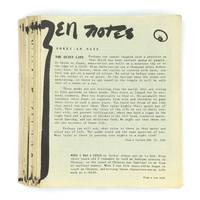
196174199New York: The First Zen Institute of America Inc 1961. Wraps. Very good. The First Zen Institute of America was founded in 1930 by the Zen master Sokei-an to bring the tradition and practice to the West. Sokei-an heir to the Ryomokyo-kai traditions as taught by Soyen Shaku and his disciple Sokatsu Shaku was the first Zen master to settle permanently in the United States. Following his death in 1945 shortly after his release from a Japanese internment camp Zen Notes was established to keep his insights and perspectives alive.<br/> <br/> For most of its first four decades Zen Notes was edited by Mary Farkas who presided over the institutes during its formative years. In addition to publishing transcripts of Sokei-an's lectures she also wrote about visiting Japanese Zen masters and through excerpts from Ruth Fuller's Letter from Kyoto she kept readers informed about Zen practice in Japan and the growth of Zen in America.<br/> <br/> This collection includes: Vol. I No. 1-12; Vol. II No. 2-8 10-12; Vol. III No. 2-12; Vol. IV No. 1-4 6-12; Vol. VI No. 7; Vol. VII No. 4-6 8-12; and Vol. VIII No. 1-7.<br/> <br/> Early issues are exceedingly uncommon. From the library of Buddhist scholar Robert P. Jackson 1930-2014 with his typed mailing address on most issues. A longtime resident of Marysville California Jackson was a frequent contributor to The American Buddhist. Most notably he wrote the often-quoted article "Buddhism and the Beat Generation" 1957.<br/> <br/> Photomechanically reproduced on light gray paper. All issues measure 7" x 8 ½" and consist of 4 or 6 pages. Most have been folded into thirds for mailing with occasional cellophane tape shadows wear the issue was sealed. Mild staining to one issue with light toning and soiling to others. Overall very good. The First Zen Institute of America, Inc unknown
19932091202133210248Yoshikawakobunkan 1993. Soft Cover. Fine. Number of books: 3 books in total Yoshikawakobunkan paperback
19762091502135710467Ryubunkan 1976. Soft Cover. Fine. The book is in fine condition. Ryubunkan paperback
19382091202133212051Chojiya shoten 1938. Soft Cover. Fine. Volume: 1 Chojiya shoten paperback
194971215London: Geoffrey Cumberlege; Oxford University Press 1949. Second edition. Hardcover. Very Good/Very Good. 248pp. Octavo 22.5 cm Green cloth over boards with gilt stamping. Extremities a bit dinged. Text block only just beginning to crack at p. 241 but still very sturdy. Faint paperclip mark along top edge of front free endpaper and flyleaf. In the dust jacket with light creasing to the edges and subtle soiling. As a funerary text and guide to the afterlife The Tibetan Book of the Dead was read aloud to the dying or recently deceased so that they could know the true nature of the mind and thus obtain enlightenment and liberation from the suffering involved with the endless cycle of death and rebirth.<br /> <br /> "The message is that the Art of Dying is quite as important as the Art of Living or of Coming into Birth of which it is the complement and summation; that the future of being is dependent perhaps entirely upon a rightly controlled death as the second part of this volume setting forth the Art of Reincarnating emphasizes." - the Preface. Geoffrey Cumberlege; Oxford University Press hardcover
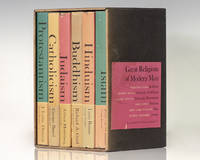
1961140432New York: George Braziller 1961. First editions of this classic collection of works. Octavo original cloths 6 volumes original slipcase. Near fine in near fine dust jackets. Jacket design by Joseph Low. George Braziller hardcover
19772092902144101217Kokusho Publishing Association 1977. Soft Cover. Fine. Number of pages: 10 Size: 22cm A5 Number of books: 10 Kokusho Publishing Association paperback
19662092902144101415Daeok University Buddhism Society 1966. Soft Cover. Fine. Size: 21cm Number of books: 36 Daeok University Buddhism Society paperback
19852110502151002249Famous Book Promotion Society 1985. Soft Cover. Fine. Volume: 1 Famous Book Promotion Society paperback
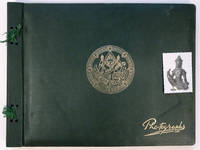
1960007060Thailand 1960. Book. Near Fine. No Binding. 12 1/2" h x 16 1/2" W. Original dark green oblong cloth photograph album 12 1/2" h x 16 1/2" W tied with green laces cover title "Photographs" in gilt and gilt embossed mandala center of front cover internal title "Art Objects in the Touring Exhibition of Thai Arts in the United States of America". No date no place circa 1960. Contains 313 2 1/2" x 3 1/2" black and white photographs each individually numbered and labelled mounted on black album pages with gilt corner mounts representing a touring exhibition that opened in 1960. at the Indiana University Art Museum and coincided with the first official visit to the United States of His Majesty King Bhumibol Adulyadej. Near Fine 2 photos missing 6 blank pages at end photos mounted both sides of page with tissue guards in between. hardcover