Veysset JacquesMareMagnum
VEYSSET J.MareMagnum
Le Palais Farnese
in 8°; pp. 58 + 20 tavv. (ill. bn.); br. Testo italiano - francese - inglese *esemplare con dedica dell'autore

Studio bibliografico il Libraio · Fagagna, IT9,00 €
29 735 résultats
In 8°, pp. 51+ ampio corredo illustrativo di immagini in nero e tavola ripiegata dell'albero genealogico dei Farnese.
in 8°; pp. 58 + 20 tavv. (ill. bn.); br. Testo italiano - francese - inglese *esemplare con dedica dell'autore
Roma, Edizioni Cosmopolita, (1962), in-8, br., pp. 62, (2). Con 48 ill. in b.n. f.t. e 6 alberi genealogici.
First of the widely celebrated and sumptuously illustrated series, this book reveals in intimate detail what life was really like in the ancient world. Behind the vast panorama of the pagan Roman empire, the reader discovers the intimate daily lives of citizens and slavesâ"from concepts of manhood and sexuality to marriage and the family, the roles of women, chastity and contraception, techniques of childbirth, homosexuality, religion, the meaning of virtue, and the separation of private and public spaces. The emergence of Christianity in the West and the triumph of Christian morality with its emphasis on abstinence, celibacy, and austerity is startlingly contrasted with the profane and undisciplined private life of the Byzantine Empire. Using illuminating motifs, the authors weave a rich, colorful fabric ornamented with the results of new research and the broad interpretations that only masters of the subject can provide. Large format. 670p+ plates (some col.) bibliography. maps index. Crisp, tight copy, Name of owner and some highlighting on pages 2-1, but the rest is fine NOTE : Large format [23x9x5 cm] heavy volume [1.5 kg] Book
First of the widely celebrated and sumptuously illustrated series, this book reveals in intimate detail what life was really like in the ancient world. Behind the vast panorama of the pagan Roman empire, the reader discovers the intimate daily lives of citizens and slavesâ"from concepts of manhood and sexuality to marriage and the family, the roles of women, chastity and contraception, techniques of childbirth, homosexuality, religion, the meaning of virtue, and the separation of private and public spaces. The emergence of Christianity in the West and the triumph of Christian morality with its emphasis on abstinence, celibacy, and austerity is startlingly contrasted with the profane and undisciplined private life of the Byzantine Empire. Using illuminating motifs, the authors weave a rich, colorful fabric ornamented with the results of new research and the broad interpretations that only masters of the subject can provide. Large format. 670p+ plates (some col.) bibliography. maps index. Book
br. "La Grecia conquistata conquistò il suo feroce vincitore portando nel Lazio contadino le sue arti": recitano i versi di Orazio. Vi sono alcuni fondamentali motivi, secondo Paul Veyne, studioso francese del mondo classico, perché l'impero di Roma assuma finalmente il nome di greco-romano, riconoscendo così apertamente il contributo decisivo della civiltà ellenica. Un impero che al tempo della sua massima espansione si estendeva su una superficie di cinque milioni di chilometri quadrati, dall'Africa settentrionale all'Afghanistan, oggi occupata da una trentina di nazioni diverse; un impero "globalizzato", dove gli eventi che accadevano nelle regioni più periferiche avevano risonanza e conseguenza a Roma. In questo saggio monumentale, vera e propria "summa" di una vita di studi, Paul Veyne ripercorre e interpreta vicende storiche, conquiste culturali, cambiamenti di mentalità di questa grandiosa formazione politica "globale", l'impero greco-romano, che per tanti aspetti appare percorso da problemi e inquietudini non dissimili da quelli che travagliano la nostra epoca.
Bari, Editori Laterza, 2000, in-8, br. editoriale, pp. [4], 235, [17]. Economica Laterza, 187.
2005117760Le Grand Livre du Mois 2005 Le Grand Livre du Mois, 876p, 2005, in-8 reliure souple éditeur. Bon état général.
90005Paris, Editions du Seuil, 2005. 14 x 20, 877 pp., 55 figures en N/B, broché, couverture à rabats, très bon état.
pp. 262, in 8°, rilegatura editoriale in t.t. con sopracoperta, collana Storia e Società. In ottimo stato.
br. L'infanzia, la famiglia, la morte nell'Impero romano. Con la sua straordinaria capacità di ricostruire ambienti e personaggi, Veyne ci racconta cosa pensava e come agiva un abitante dell'Impero romano nelle varie fasi della sua vita. Paul Veyne è professore emerito del Collège de France.
16mo, broch. pp.247
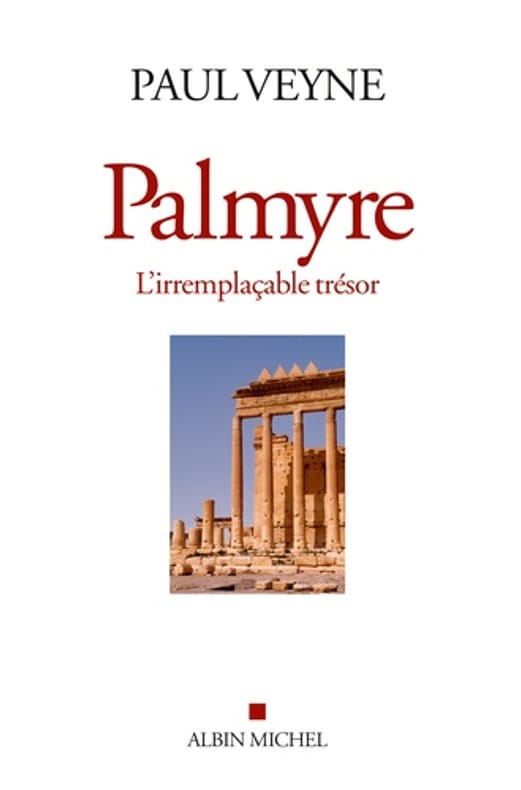
8vo, br. ed. pp144. Au moment où le site prestigieux de Palmyre, classé au Patrimoine mondial de l Humanité par l UNESCO, est en train d être saccagé, quel meilleur guide que Paul Veyne pour parcourir les vestiges d une si vaste cité, aujourd hui interdite ? Antique métropole florissante, située en plein désert au centre de la Syrie, au nord-est de Damas, Palmyre est l ancienne Tadmor qui, selon la Bible, aurait été construite par Salomon. Cette importante cité caravanière, fut la plus grande puissance commerciale du Proche-Orient entre le Ier et le IIIe siècle, véritable plaque tournante des échanges entre l Orient et l Occident, entre l Inde, la Chine, la Mésopotamie, la Perse et Rome. Au Ier siècle de notre ère, sous Tibère, elle a le statut de province romaine. Elle atteint son apogée sous l empereur Hadrien au IIe siècle. Après 260, Zénobie, la veuve d Odénat, un notable palmyrénien chargé de coordonner la défense de l Orient, tenta de prendre le pouvoir et entra en conflit avec Rome. Elle est vaincue en 272 par l empereur Aurélien. C est la fin de la splendeur de Palmyre. Les grandioses monuments, savant mariage d architecture gréco-romaine et d influences locales, s étirent sur plusieurs kilomètres et sont (étaient) parmi les plus importants du monde antique. C est cette histoire de la « Venise du désert » que nous peint Paul Veyne ; avec lui, nous découvrons cet immense vestige d un monde aboli.
2005872422005 Paris, Le Seuil, 2005, fort volume in 8° broché, 877 pages ; illustrations hors-texte ; jaquette illustrée.
1976116930Seuil, 1976, in-8°, 62 pp, broché, bon état, bande éditeur conservée (“Histoire et sociologie”). Edition originale (il n'est pas mentionné de grand papier)
2015122002Albin Michel, 2015, pt in-8°, 141 pp, 13 photos en couleurs sur 8 pl. hors texte, broché, couv. illustrée à rabats, bon état
coperta e pagine ingiallite
2 Vol. In-16 bella m. pelle, tit. oro e cord. ai dorsi.Piatti e risg. marm pag. 450+500 PROG 28006 CATT_ATT 54
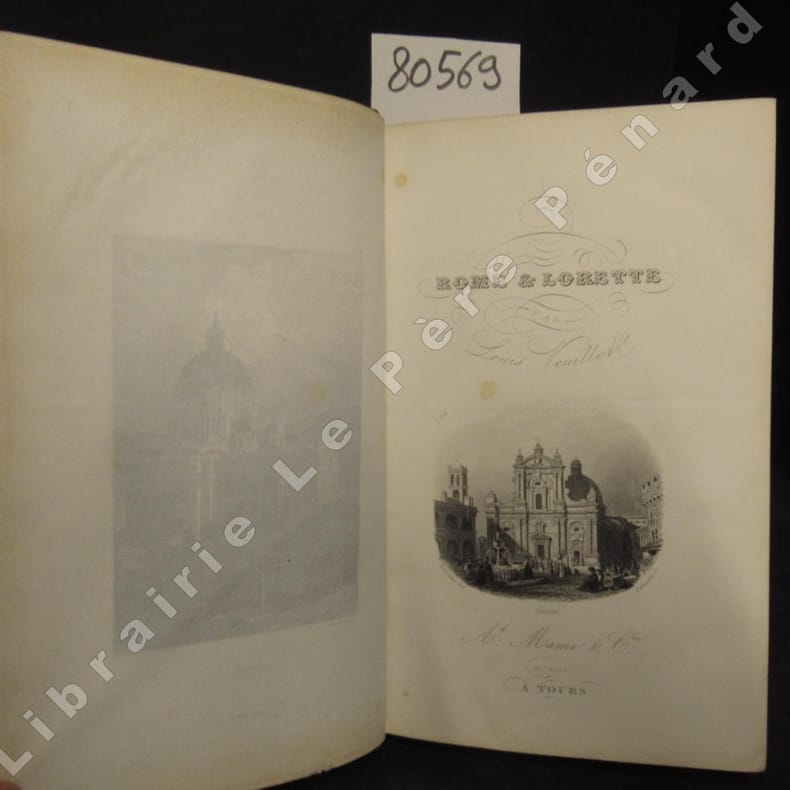
<p>cm. 22, rilegatura originale mezza pelle, titoli e fregi in oro al dorso diviso da 4 nervi, fregi a secco ai piatti; pp. 396, doppio front., al 2° front. inc. di Loreto, altre tre incisioni fuori testo protette da velina, di Outhwaite, tagli dorati, esemplare molto buono</p>
1866805691866 Tours, Alfred Mame et Fils, éditeurs, Bibliothèque de la Jeunesse Chrétienne - MDCCCLXVI (1866) - In-8, demi chagrin rouge, 4 nerfs, caissons et titres dorés, toutes tranches dorées - 394 pages - Gravures sur acier
Vol. due in-8° pp. 447-403, legature in mezza pelle recente con riporto del dorsi originali, conservati i piatti dell'epoca con impressioni a secco e riquadrature in oro.
in-8°, pp. 400 con front. ill. e 3 tav. calcografiche f.t. Leg. in tela edit. con tit. e disegno a rilievo in oro sul piatto ant. e tit. in oro al dorso. Tagli in oro. Fioriture del tempo all'intenro.
Tours, A. Mame & Fils, [primi del '900], in-8 grande, graziosa br. edit. con decoro liberty sulle copertine (mancanze al dorso), pp. 237, [3]. Con alcune figure n.t.
Mm 155x245 Brossura editoriale di pp. 32. Testo in francese, french text.. Opera in buone condizioni. SPEDIZIONE IN 24 ORE DALLA CONFERMA DELL'ORDINE.
18721ALFRED MAME ET FILS - 1885.,18° EDITION. In-8 Reliure toile Bon état.,dos lisse passé, Quelques rousseurs. 384 pages. Tranches dorées. Quelques planches illustrées de gravures en noir et blanc, avec serpente,rousseurs eparses,