Varenio, Bernh. :Livre Rare Book

660 résultats
16642940Amsterdam, ex officina Elzeviriana, 1664 ; in-16 ; plein vélin à recouvrements, titre manuscrit au dos, tranches mouchetées (reliure de l’époque) ; (20) ff. (titre gravé, lettre dédicatoire, index des chapitres et propositions), 748 pp., 4 tableaux dépliants et 1 planche dépliante.
1774002365Amsterdam et Paris Delalain 1774
1729002106Amsterdam Herman Uytwerf 1729
1773002381Amsterdam E. Van Harrevelt 1773
167722982Amsterdam Justus Dankerts 1677-1689 -in-8 plein-VELIN deux tomes reliés en un volume, reliure janséniste d'époque en plein vélin ivoire parcheminé (jansenist's binding full vellum in-8) in-octavo carré (20,2 x 16,3 cm), dos long (spine without raised band), Auteur et Titre manuscrit à l'encre brune en haut du dos (handwritten title on the spine), tranches lisses (smooth edges), 1er Tome : GRONDIGE BEWYS-REDENEN DER BOUW-KUNST: texte en néerlandais, orné d'un titre-frontispice gravé à l'eau-forte en noir par L. Renard et de 31 planches hors-texte gravés à l'eau-forte en noir, 68 pages, 1689 Amsterdam Justus Dankerts Editeur, + DE GRONT-REGULEN DER BOUW-KONST, ofte de uytnementheyt van de vijf ordens der ARCHITECTURA : texte en néerlandais, orné de 42 planches hors-texte gravés à l'eau-forte en noir par L. RENARD, (trace claire d'humidité en haut des 16 pages de texte), 16 pages, 1677, Amsterdam Justus Dankerts Editeur,
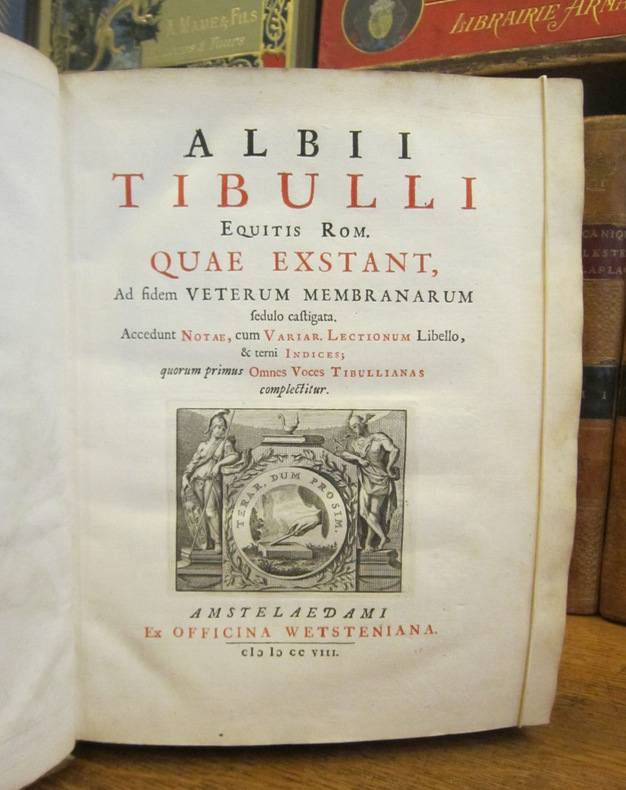
1708000312Amstelaedami (Amsterdam) Ex Officina Wetsteniana (Wetstein) 1708
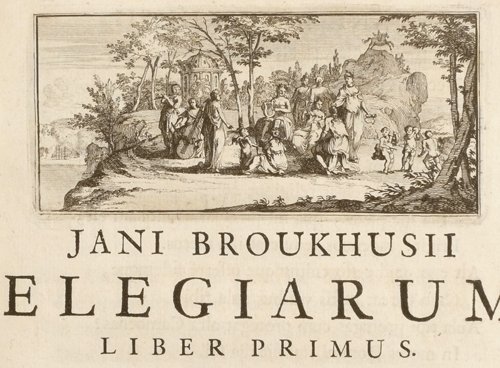
17110030381711 Amstelaedami [Amsterdam], Excudit Franciscus Halma, 1711. In-quarto (208 X 258) maroquin vert, triple encadrement de filet doré sur les plats, filets dorés en place des nerfs, urnes dorées dans les compartiments, coupes filetées, tranches jaunes (reliure de lépoque) ; (1) f. blanc, frontispice gravé, titre avec vignette gravée, 10 ff. (dédicace, préface et élégie), 502 pages, (14) pp. (index), (2) ff. blancs.
AMA-992Paris, Fasquelle, 1911. In 12, bradel demi-box noir, papier peint à la main, couvertures et dos conservés (Reliure de Delapierre). [2 ff.], 300 pp.
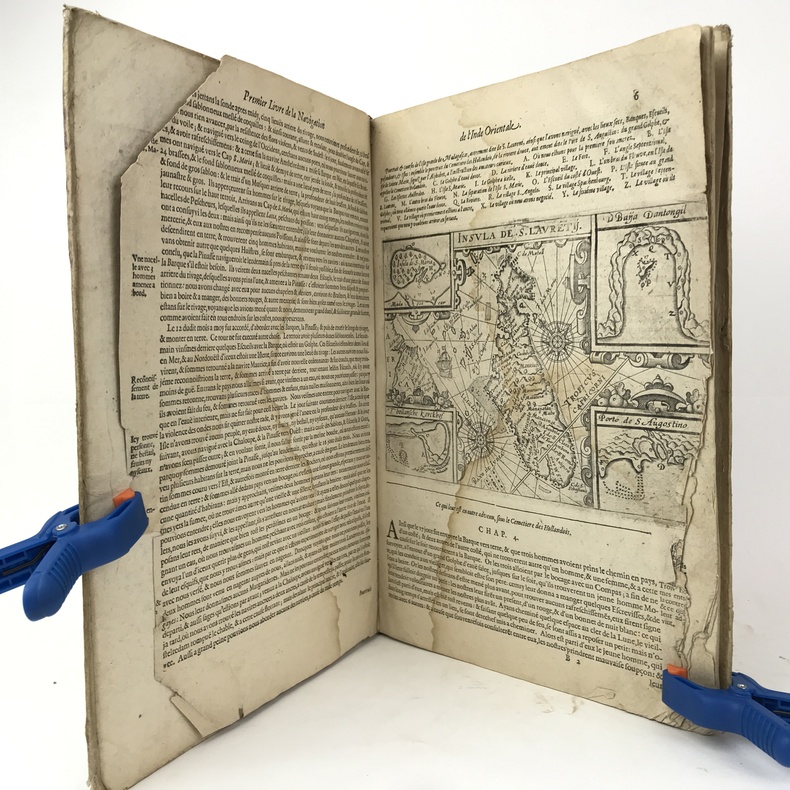
1609PHO-11431 volume in-folio (33 x 23 cm), vélin rigide parchemin (reliure de l'époque), dos lisse titré à l'encre, nombreuses écritures manuscrites sur les plats, 5 à 53-[1] feuillets. Page de titre, 3 premiers feuillets et feuillets 51 et 52 manquants, charnière fendue ,mouillure sur 5 ff et manque de papier en marge , galerie de vers avec manque. Seconde édition française, illustrée de 55 gravures sur bois in-texte.
1710DIV012in 8 ( 18x 12 cm) 201 Fol / pages 5470 (H) 1710 (c) frontispice gravé ,papier en bel état ,tranches dorés reliure sur haies de bois ,fermoirs métalliques présent . Un plat parfaitement séparé du volume En portugais Very rare 2nd second edition of the only treatise on Hebrew laws and customs written in Portuguese language and printed for the Portuguese Sephardic communities in Northern Europe. Treasure of Jewish Laws that the people of Israel must know and observe composed by Rabbi Hacham Menasseh ben Israel in Amsterdam, 1st edition 1647; and this 2nd edition in 1710. In 8. º (18x12 cm) (v) -201 - (iv) folium. Binding (worn out at edges) contemporary full calf gilt at spine. Engraved frontispiece. Contains title page to Third Part (Of feasts and fasts throughout the year, the people of Israel must know and observe) and the Last part (in which contains all the precepts, rites and ceremonies concerning to a perfect economy dedicated to the very noble and magnificent lords Abraham and Ishak Israel Pereyra). MENASSEH BEN ISRAEL was born in Lisbon in 1604. Very young of age he went to Amsterdam with his father, Joseph ben Israel, and became a disciple of Haham Yshac Uziel. In 1622 he was appointed professor of the Portuguese Jewish community in Amsterdam and, four years later, he founded the first Hebraic typography in Amsterdam; printing small books in Portuguese, Spanish and Hebrew languages. Menasseh had a decisive contribution in reopening England to the Jewish people, closed since the time of King Edward Ist. He went personally to London and had talks with Cromwell who gave him an honorific pension he never profit of. Menasseh died in 1658 after returning from London. He was portrait by Rembrant. Inocêncio VI, 211. 'In a book dealer which trade was new and old books, I found a complete copy of the Treasure. I've never seen another. '