2 366 résultats
19295149Paris Flammarion 1929 In-12 260 pp, Bibliothèque de Philosophie scientifique
193531595Paris Desclée & Cie 1935 In-8 Collection "Temps et Visages" sous la direction d'André George - 267 pp, avec 5 portraits et 1 fac-similé hors-texte (non compris dans la pagination) ; quelques annotations au stylo par un professeur
190921865Paris, Félix Alcan, 1909. In-8°. XIV, 282 (32) p. Reliure demi-toile, titre doré sur le dos. - Inclus: La Guerre Sud-Africaine et l'Opinion; L'Organisation du Parti ouvrier; L'Évolution du Gouvernement et de l'État. Reliure un peu frottée. 2 cachets d'une bibliothèque sur les pages préliminaires, 3 cachets sur la page de titre, 1 cachet sur la dernière page.
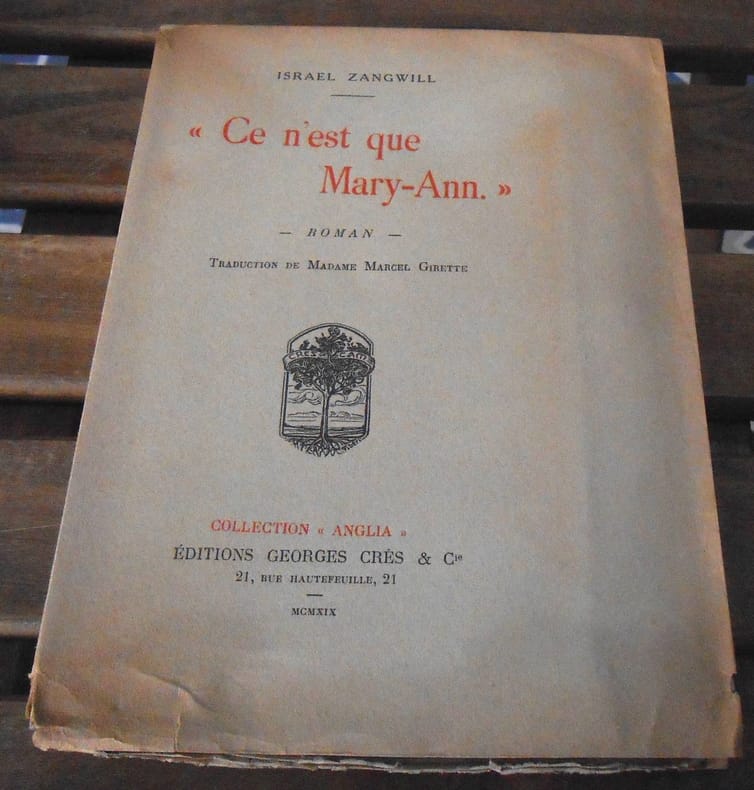
1919100074890collection « Anglia ». Paris. 15 cm x 20 cm. 1919. Broché. 247 pages. Paris Éditions Gallimard 1951 édition originale service de presse. Broché 12 cm x 19 cm 241 pages. Texte de Mouloudji bel envoi de l'auteur bien complet du prière d'insérer. Bon état Paris Éditions Georges Crès & Cie collection « Anglia » 1919 édition originale 1/35 (n°25) exemplaires sur vergé d'Arches seul grand papier. Broché 15 cm x 20 cm 247 pages - Texte de Israël Zangwill traduction de Madame Marcel Girette. Bon état
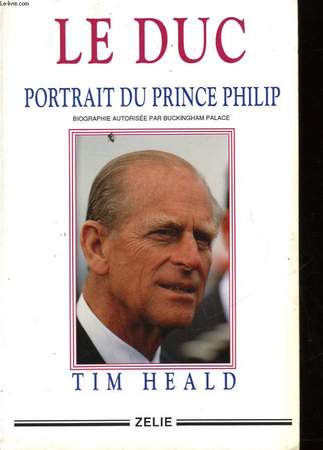
1992RO30035598ZELIE. 1992. In-8. Broché. Bon état, Couv. convenable, Dos satisfaisant, Intérieur frais. 249 pages. Nombreuses photos en noir et blanc hors texte.. . . . Classification Dewey : 942-Angleterre
193983837London: United Kingdom Lord Privy Seal's Office 1939. Presumed First Edition First printing. Single sheet printed on both sides. Fair. Sheet is approximately 11 inches by 8.5 inches folded in half with printing on all four sides/pages. Sheet has wear soiling and some staining. Minor corner creasing. This has on the lower right corner of the last page the number 51-4154 printer's code. This is Public Information Leaflet No. 2. The contents address taking care of one's gas mask how to store it how to put it on how to take it off and how to put one's mask away. Additionally there is information relative to blackout requirements and how to mask one's windows and control interior lighting. There was a pointed reminder not to forget about skylights for those structures with them. Air Raid Precautions ARP refers to a number of organizations and guidelines in the United Kingdom dedicated to the protection of civilians from the danger of air raids. Government consideration for air raid precautions increased in the 1920s and 30s with the Raid Wardens' Service set up in 1937 to report on bombing incidents. Every local council was responsible for organizing ARP wardens messengers ambulance drivers rescue parties and liaison with police and fire brigades. From 1 September 1939 ARP wardens enforced the "blackout". Heavy curtains and shutters were required on all private residences commercial premises and factories to prevent light escaping and so making them a possible marker for enemy bombers to locate their targets. With increased enemy bombing during the Blitz the ARP services were central in reporting and dealing with bombing incidents. They managed the air raid sirens and ensured people were directed to shelters. The fear of the use of poison gas by German aircraft was one of the paramount concerns of the Second World War. Although Britain France and Germany had all renewed the Geneva Gas Protocol 1925 in September 1939 there were still concerns that the enemy might have employed gas against military or civilian personnel and ARP personnel were trained to handle gas attacks and on anti-gas measures and protection. Several arms of the ARP services were directly concerned with gas. The Decontamination Service was the first to decontaminate roads buildings and materials contaminated by liquid or jelly gases which would evaporate over time and these would have been dealt with by using a neutralizing agent against the liquid or jelly. Decontamination of people was carried out as part of first aid while later decontamination personnel were trained in rescue work as well. Depots were set up as six depots per 100000 people with two decontamination squadrons per depot each squadron consisting of six men with their equipment. The Cleansing Service was to clean people who had been exposed through showers by mobile units with special vans and lorries. Clothing had to be boiled if exposed for varying lengths of time dependent on the material. Civilian clothing was the responsibility of the Ministry of Health. Each gas presented its own problems and required special counters and the Gas Identification Service with 3 personnel per 100000 population provided where possible was to identify the gas used in an attack. United Kingdom, Lord Privy Seal's Office unknown
193983839London: United Kingdom Lord Privy Seal's Office 1939. Presumed First Edition First printing. Single sheet printed on both sides. Fair. Sheet is approximately 11 inches by 8.5 inches folded in half with printing on all four sides/pages. Sheet has wear soiling and some staining. Some creasing noted. Contains the number 51--4382 1 which may be related to the printing. This is Public Information Leaflet No. 4. It addresses Your Food in War-Time What the Government Have Done How You Can Help Food Supplies For Evacuation National Housekeeping in War Time with a discussion of Central Control and Local Distribution and a Rationing Scheme. At the end of the leaflet enquiries about food supplies in war time were directed to the Director Food Defence Plans Department. Air Raid Precautions ARP refers to a number of organizations and guidelines in the United Kingdom dedicated to the protection of civilians from the danger of air raids. Government consideration for air raid precautions increased in the 1920s and 30s with the Raid Wardens' Service set up in 1937 to report on bombing incidents. Every local council was responsible for organizing ARP wardens messengers ambulance drivers rescue parties and liaison with police and fire brigades. From 1 September 1939 ARP wardens enforced the "blackout". Heavy curtains and shutters were required on all private residences commercial premises and factories to prevent light escaping and so making them a possible marker for enemy bombers to locate their targets. With increased enemy bombing during the Blitz the ARP services were central in reporting and dealing with bombing incidents. They managed the air raid sirens and ensured people were directed to shelters. For many people who experienced World War Two on the homefront their most vivid memories were of food. Rationing changed the way people cooked and ate - food shortages meant that home cooks often had to use their initiative to create meals out of meager rations. This led to popular dishes such as Lord Woolton Pie Vinegar Cake and Spam Hash. The government rationed food in World War Two to ensure people got an equal amount of food each week. In 1939 Britain only grew enough food to feed one person in every three and with Nazi U-boats threatening to starve the country into defeat the government had to take action to prevent a food shortage. It was also worried that as food became scarcer prices would soar and people would hoard food. On 3 April 1940 Baron Woolton became Minister of Food. He had been a social workers and former managing director of the Lewis store chain in Northern England. Woolton was the mastermind behind the recipe books and nutritional advice offered by the Ministry of Food - he knew that it wasn't enough to ration food; the government had to advise people as well. Woolton worked closely with his chief scientific advisor Jack Drummond who helped the government's rationing strategy. Woolton's method communicating with the public was effective and by 1945 housewives had a much deeper understanding of nutrition. The Ministry issued many cooking leaflets often dedicated to specific topics such as the health benefits of carrots. The Ministry of Food employed 15000 people at its height with 18 Food Officers and 1500 Food Control Committees. The Ministry became involved in every aspect of consumer life - from telling grocers where to get their supplies from in order to reduce petrol costs to advising home cooks on recipes. Unknown to the British population the Ministry of Food also created secret food depot warehouses throughout the country in which it stockpiled food in the event of invasion. The Ministry of Food issued ration books to every family. Each one contained coupons which allowed them to buy a limited amount. Petrol was the first commodity to be rationed in 1939 followed by butter sugar bacon paper and meat in early 1940. By the end of the war half of Britain's food was rationed. United Kingdom, Lord Privy Seal's Office unknown
1943GIT013dcBruxelles Editions de la Mappemonde 1943. 2vol in-8 carré broché couverture illustrée 265 266pp. Orné de 32 illustrations hors texte par Emilien Dufour dont les 2 frontispices. Tiré à 2000exp numérotés, celui-ci 1 des 1964 sur vélin pur fil. Non coupé. Bel exp.
197792218Time-Life Books, 1977. 29 cm ; Pp.
1971111028London, Routledge & Kegan Paul, 1971, in-8°, xvii-157 pp, biblio, reliure toile éditeur, jaquette illustrée défraîchie, bon état. Texte en anglais
2000472232000 Fort in-8 reliure toile rouge éditeur - 2000 - 724 pages - Ed. Librairie Droz S. A. Genève - coll. Travaux d'Humanisme et Renaissance N° CCCXLIII
19406186Appleton-Century, New York 1940. VI, 87 S. Ln. mit Schutzumschlag. Umschlag eingerissen. Etwas gebräunt u. stockfleckig.
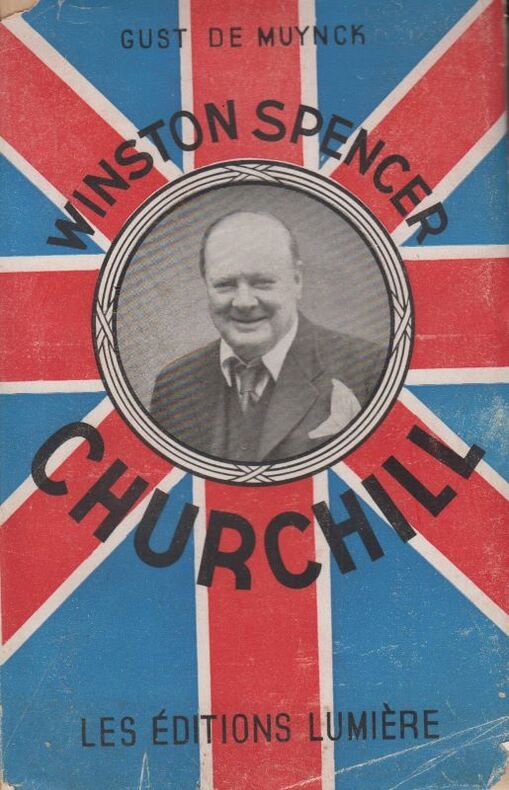
194411894Bruxelles, Editions Lumière, 1944, in-8°, 253 pp, biblio, index, broché, papier jauni, bon état.
196155691Club des Éditeurs, 1961, in-8°, 288 pp, 16 pl. de photos hors texte, biblio, reliure toile éditeur avec 4 photos de Churchill au 1er plat, gardes illustrées de photos de Churchill à divers âges, rhodoïd, qqs rousseurs sur les 4 premiers feuillets, bon état
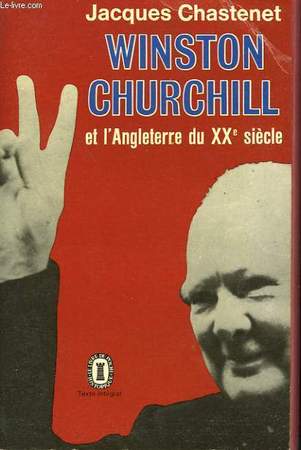
1967RO90075261EDITIONS LIVRE DE POCHE N° 2176. 1967. In-12. Broché. Bon état, Couv. convenable, Dos satisfaisant, Intérieur frais. 639 pages.. . . . Classification Dewey : 942-Angleterre
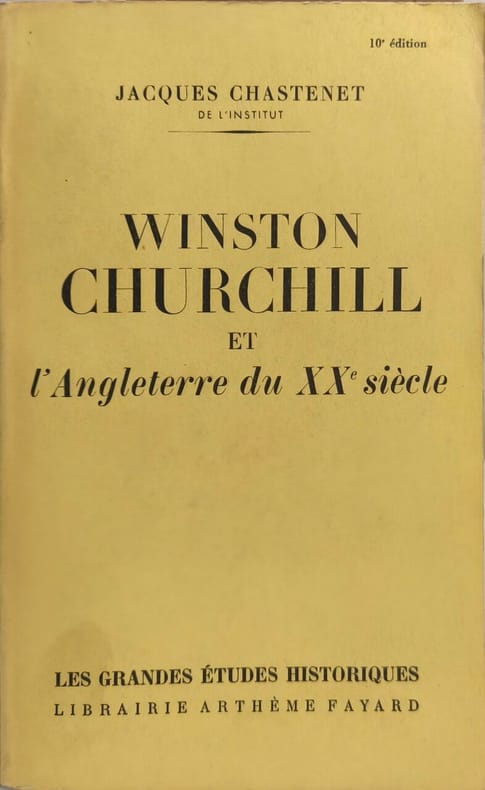
19565692Librairie Arthème Fayard 1956 583 pages in8. 1956. broché. 583 pages. Ouvrage historique de Jacques Chastenet analysant le rôle de Winston Churchill dans l'histoire de l'Angleterre au XXe siècle
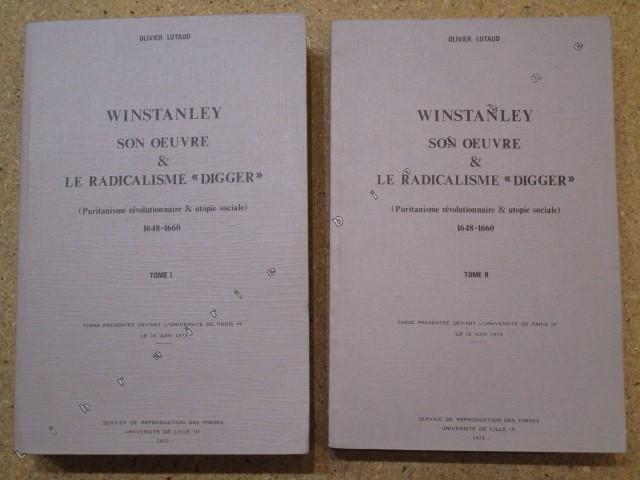
19731035901973 Université de Lille III, Service de Reproduction des Thèses, 2 volumes, 1973, brochés, environ 23x15cm, avec un envoi et une carte de visite de l'auteur, coins des plats cornés, un accroc superficiel sur le bas du tome 2, bon état pour le reste et intérieurs bien propres.
1982R240156372Editorial Escudo de Oro. 1982. In-4. Broché. Etat d'usage, Couv. légèrement pliée, Dos satisfaisant, Intérieur frais. 60 pages augmentées de nombreuses photos, illustrations et cartes en couleurs et en noir et blanc dans et hors texte.a. . . . Classification Dewey : 942-Angleterre
195369064Un des 50 exemplaires numérotés sur vélin pur fil Lafuma-Navarre (numéroté 39 au crayon), 1 vol. in-8 br., NRF, Gallimard, Paris, 1953, 476 pp.
1941496711941 P., Fayard (Collection "Les Grandes Etudes Historiques"), 1941, in 12 broché, 352 pages ; non coupé.
19418919Fayard, 1941, in-12, 352 pp, chronologie, biblio, broché, état correct (Coll. Les Grandes études historiques) (Prix Thérouanne)
194916003Bruxelles, Editions Lumière, 1949, in-8°, 212 pp, un portrait hors texte
1941ROD0015058Arthème Fayard. 1941. In-12. Broché. Bon état, Couv. convenable, Dos plié, Intérieur frais. 347 pages. Dos fané.. . . . Classification Dewey : 942-Angleterre
19416851Paris Fayard 1941 In-12 349 pp, Les Grandes études historiques. Légères rousseurs sur dos et plats, dos partiellement débroché, fines coupures sans manque aux bords des plats et sur coiffe inférieure
1941LFA-126733364Un ouvrage de 352 pages, format 120 x 190 mm, broché, publié en 1941, Librairie A. Fayard, collection "Les Grandes Etudes Historiques", bon état