(BINDINGS - LUCIEN BROCA). (EXTRA-ILLUSTRATED). LIECHTENSTEIN, PRINCESS MARIE (HENRIETTE ADELAIDE)Biblio.com
35 résultats
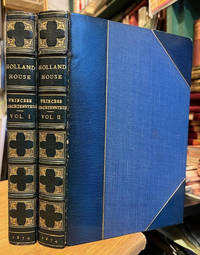
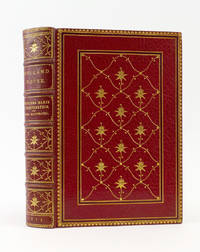
1875ST18174London: Macmillan and Co 1875. Third Edition. 226 x 151 mm. 9 x 6". xx 370 pp. <br/> VERY PRETTY SCARLET CRUSHED MOROCCO GILT BY LUCIEN BROCA stamp-signed on front turn-in covers with decorative roll border and frame of gilt and blind rules central panel diapered in ogival compartments each containing a lily raised bands spine compartments gilt in a similar design gilt lettering densely gilt turn-ins marbled endpapers all edges gilt. With eight steel-engraved plates including five folding manuscript facsimiles 88 wood engravings the majority head- and tailpieces but some full-page and EXTRA-ILLUSTRATED with 24 engraved portraits of artists whose work is represented in the house and notable personages who visited there all the added plates with tissue guards. Spine just slightly and evenly darkened a breath of rubbing to rear joint mild foxing to a few of the inserted plates but A VERY FINE COPY--the text clean and fresh and the most attractive binding with virtually no signs of wear.<br/> <br/> This is a handsomely bound and extra-illustrated history of one of England's most celebrated stately homes Holland House here minutely described with all its furnishings and grounds along with numerous anecdotes of its distinguished inhabitants. Located in Kensington which today has long been engulfed by greater London the mansion began life as Cope Castle built beginning in 1607 by Sir Walter Cope. From Sir Walter the manor passed to his daughter Isabel wife of Henry Rich who became the first Earl of Holland in 1624. Like the king to whom he was loyal Rich was beheaded in 1649. Later in the century Holland House was rented by William Penn and in 1767 it was bought by Henry Fox first Lord Holland 1705-74 who held the position of leader of the House of Commons. In its day Holland House hosted the leading lights of Europe including Byron and the future American president James Monroe. Our author Princess Marie Henriette Norberte of Liechtenstein 1843-1931 was motivated to write these memoirs by her friendship with the widow of the fourth Lord Holland. The very attractive binding is the work of French-born binder Lucien Broca 1829-1910 who immigrated to London in 1875. According to Tidcombe's "Women Bookbinders" Broca was a "superb trade finisher" who originally worked for Antoine Chatelin then went into partnership with German émigré Simon Kauffmann from 1876 to 1889. Tidcombe and Sarah Prideaux's former pupil Katherine Adams believe that most of the bindings attributed to Prideaux between 1890 and 1900--some 290 volumes--were actually done by Broca with Tidcombe giving the Frenchman credit for the "best Prideaux bindings." Prideaux never publicly acknowledged his work perhaps for fear of disappointing fans of the most famous woman bookbinder in England. Broca was in business for himself as an "Art Binder" in 1901 and our binding was probably done about that time. The beauty of the present design is dependent on his perfection of finish--crispness of line and solidity of impression were Broca's hallmarks. Macmillan and Co unknown
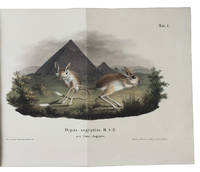
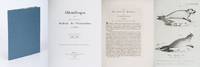
1828D52GW8INTMYHBerlin 1828. 4to. Druckerei der Königliche Akademie der Wissenschaften Contemporary marbled boards with a red title-label on spine. With 10 numbered hand-coloured lithographs on 6 folding plates by and after J.A. Schmidt. 2 29 1 pp. Second edition of a beautifully illustrated monograph on Dipodidae jumping mice and jerboa by the German zoologist physician and explorer Martin Hinrich Carl Lichtenstein 1787-1857 who named some of the described animals. The work comprises a thorough historical survey and detailed descriptions of 14 Dipodidae a family which is considered today to include over 50 species among 16 genera. Tipped in is a table from Meyer's Palaeologie zur Geschichte der Erde und ihrer Geschöpfe titled "System der fossilen Saurier nach der Entwicklung ihrer Organe der Bewegung". Library stamps. The added table foxed otherwise in good condition.l Nissen ZBI 2505; not in Wood; for the author: ADB XVIII pp. 556-557. hardcover
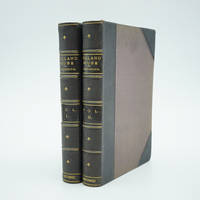
1874911F34London: Macmillan and Co 1874. First edition. Leather. Near Fine. 9" by 6.5". Various. An extra-illustrated example of first edition of Marie Fox's brilliant history of Holland House her own family own in sumptuous signed bindings by Bayntun Riviere. The first edition of this work complete in two volumes bound in crushed morocco by Bayntun-Riviere.A beautiful study of Holland House and its impressive art collection.An extra-illustrated example of this work:Volume I illustrated with a hand-coloured frontispiece hand-coloured vignette title page eight further hand coloured portrait plates and fifty two further plates one of which is folding.Volume II illustrated with a hand-coloured frontispiece hand-coloured vignette title page nine further hand coloured plates and fifty-seven further plates five of which are folding.The majority of these extra plates are portraits and views of houses.Holland House originally called Cope Castle was an early Jacobean country house in Kensington first built in 1605. In the nineteenth century during the author's residence at Holland House the House was a notable gathering place for Whigs.Sadly the house was largely destroyed during the Blitz in 1940. This work provides a unique and important history of the great house before its destruction.With the armorial bookplate of J. F. D. Tutt to each front pastedown.Marie Fox the Princess Marie of Liechtenstein was an English writer a foundling of unknown paternity. She was adopted by Henry Fox and his wife and subsequently moved into their family home at Holland House. In signed crushed morocco bindings with gilt detailing. Boards exceptionally bright. Back strips age toned as is common with blue morocco. Bookplates to front pastedowns. Internally firmly bound. Pages exceptionally bright and generally clean with only the odd spot or faint handling mark. Near Fine Macmillan and Co hardcover
1874223351London: Macmillan 1874. hardcover. fine. Extra illustrated with lithographs copper and steel engravings mainly portraits and numerous woodcuts throughout the text several fold out facsimlies. 2 volumes tall 8vo beautifully rebound in 3/4 brown morocco with black spine labels marbled boards t.e.g. London: Macmillan 1874. Fine.<br/> <br/> Macmillan unknown
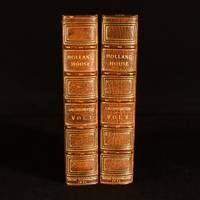
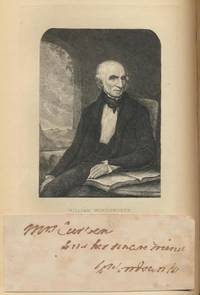
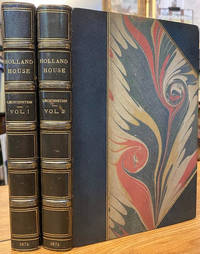
18743220037<b>FIRST EDITION.</b> <i>Two volumes 4to pp. xvi 289; xi 255 two engraved portrait frontispieces in pagination each title with engraved portrait vignette numerous other text and full-page plates in pagination EXTRA-ILLUSTRATED with 180 carefully selected and collected plates and five autographs; slightly later dark green morocco gilt by Rivière all edges gilt; hinges a little worn spines faded.</i><br /><br /><br />A magnificent record of Holland House highly extra-illustrated with mainly reproductions of old portraits and views often with facsimiles of signatures but in some cases original. The autographs mounted are a signature of the Duke of Newcastle a cutting from a document dated 1785 vol I p. 46 William Wordsworth a cutting from an autograph letter reading 'Mrs Curson / from her sincere friend ' Wmm Wordsworth' vol I. p. 121 Walter Scott 'Respectfully seriously yours / Walter Scott' vol. I p. 146 a cut-out signature of the artist Lord Leighton vol. II p. 168 and a a little note by the romantic poet Robert Southey 'God bless you my dear Neville - Remember us to all your excellent circle - excuse the haste with which I write. & believe me yours affectionately Robert Southey Keswick 11 Dec. 1821' vol. II p. 181.<br /><br />Called the 'Marie Fox of Holland House' by The Times review in 1873 Marie Liechtenstein 1843-1931 is further falteringly described as 'under 20 when she set about her work … She combined the advantages of a foreign and English education and thanks to the Italian part coming to the aid of rare natural gifts she possesses a highly-cultivated taste in painting sculpture and all objects of vertue. … She maybe conscientiously congratulated by the most scrupulous critic on the production of a useful agreeable beautifully-illustrated and attractive book.' <br /> Macmillan and Co.
182169006Berlin:: Amelang 1821. First edition. publisher's lettered flexible boards. Plates very attractive. The fragile spine is chipped and splitting; flexible boards rubbed and lightly worn. Oblong folio. Illustrated from 50 engraved natural history plates. Amelang, hardcover
1813006162Te Dordrecht: Bij A. Blusse & Zoon 1813. Presumed First Edition . Cloth. No Jacket. 8vo - over 7¾" - 9¾" tall. Rebound in chaep binding approx 1970's pages are spotted and tanned throughout with clear legible text and with occasional repairs. PP 414 portrait frontis 1 plate. Please request an image if required. Volume one of a three volume set sadly dispersed <br/> <br/> Bij A. Blusse & Zoon hardcover
1874BECllLIE82London: Macmillan And Co. 1874. 1874. 2 Volumes. 8vo. pp. 2 p.l. vii-xvi 289 1; 1 p.l. v-xi 255 1. lacking half-titles. 5 steel-engraved plates incl. frontis. & titles 8 lithographed facsimiles 6 folding & numerous wood-engraved plates & text illus. modern half morocco t.e.g. joints rubbed light dampmark to lower covers & some of the leaves of Vol. I. First Edition. A history and physical description of the residence of the Holland family in Kensington London. Built in 1606 the mansion was bought in 1767 by English politician Henry Fox first Baron Holland 1705-1774 and was made famous in the first forty years of the nineteenth century by the hospitality of Henry Fox 3d Baron Holland and his wife. Reformers such as Jeremy Bentham Samuel Romilly and Henry Brougham scientists such as Michael Faraday and Humphry Davy writers such as Thomas Moore George Byron and Sir Walter Scott and statesmen such as William Melbourne George Canning and Henry Palmerston were frequent guests at the famous dinners at Holland House. Columbia Encycl. 6th Edn. Included are chapters on the China Room the Map Room the Print Room Sir Joshua Reynolds Room the Library the Miniature Room some of the Mss. and Autographs in Holland House &c. F. London: Macmillan And Co., 1874. unknown
187470773London: Macmillan and Co. 1874. Large 4to.Presentation Copy. Large Paper copy. In 2 volumes. xix 290; xii 256 pp. Publisher's quarter dark blue morocco over blue cloth boards with elaborate gilt decoration and lettering to boards and spine; top edges gilt. Wear to extremities fading and marks to boards and spines. Staining throughout both volumes especially to volume I though not affecting text. Illustrated with Woodburytypes and numerous other. Written by Marie Fox a foundling from France who was adopted by the childless Henry Fox 4th Baron Holland and later married Prince Louis of Liechtenstein. The inscription to the front pastedown from 'The Publishers' is addressed to Lady Baker: Florence Baker has a similar rags-to-riches story to Marie; born in Hungary as a child her family was killed in front of her and she was enslaved in the Ottoman Empire where she was discovered and rescued by Sir Samuel Baker the celebrated English explorer. Florence accompanied him on several of his expeditions up the Nile and across Africa before marrying him and finally settling down in England in 1873 the year before this book was published and became prominent socialites and abolitionists. Perhaps the two women knew each other as rare examples of Victorian social mobility. This is a heavy set and may require additional postage if being shipped outside of Europe. . Good. 1/4 Morocco. First Editions. 1874. Macmillan and Co. 1874 unknown
183629340AB1836. Erste Ausgabe. Berlin Druckerei der Königlichen Akademie der Wissenschaften zu Berlin 1836-1838. Quarto 22 cm x 26.5 cm. 12 Seiten plus zwei lithographische Abbildungen der weissen Robben auf einer Tafel im Anhang. Moderne Broschur mit eingebundener Originalabhandlung. Sehr guter Zustand. Es handelt sich hier um die seltene originale Erstausgabe der Publikation. Extrahiert aus dem Sammelband der Abhandlungen der Königlichen Akademie der Wissenschaften zu Berlin. Der originalen Publikation wurde eine Replika des Reihentitels vorgebunden. Abhandlungen der Königlichen Akademie der Wissenschaften zu Berlin. Aus dem Jahre 1836. Martin Hinrich Carl Lichtenstein auch Martin Heinrich oder Karl 10. Januar 1780 in Hamburg; 2. September 1857 auf See zwischen Korsör und Kiel beerdigt in Kiel war ein deutscher Arzt Forscher Botaniker und Zoologe Sohn des Zoologen und Bibliothekars Anton August Heinrich Lichtenstein. Er war der erste Direktor des Berliner Zoologischen Gartens. Hinrich Lichtenstein studierte in Jena und Helmstedt Medizin und promovierte 1802 zum Dr. med. bevor er zwischen 1802 und 1806 nach Südafrika reiste wo er der Leibarzt des Gouverneurs vom Kap der Guten Hoffnung wurde. 1810 gründete er das Zoologische Museum in Berlin. Er war 1811 der erste Professor auf dem Lehrstuhl für Zoologie an der Universität zu Berlin zu deren Rektor er in den Jahren 1820/21 1826/27 und 1840/41 ernannt wurde. 1813 wurde er Direktor des Zoologischen Museums in Berlin war von 1813 bis 1857 Mitglied der Königlich-Preußischen Akademie der Wissenschaften sowie 18181857 Mitglied der Deutschen Akademie der Naturforscher Leopoldina. Lichtenstein war Initiator und erster Direktor des Zoologischen Garten Berlins und überredete 1841 Friedrich Wilhelm IV. von Preußen nicht nur ein Darlehen sondern auch einen Teil des Geländes seiner Fasanerie am Berliner Tiergarten für die Errichtung des Zoos unentgeltlich zur Verfügung zu stellen. Dazu verfasste Lichtenstein bereits 1840 ein Memorandum an den König. Der Text dieser Denkschrift ist seit 1877 verloren. Sicher ist jedoch dass Alexander von Humboldt sie König Friedrich Wilhelm IV. vorlegte der mit einer daraufhin erlassenen Allerhöchsten Kabinettsordre vom 31. Januar 1841 die Gründung des Zoologischen Gartens ermöglichte. Lichtenstein war musikalisch interessiert und begabt. In seiner frühesten Jugend erhielt er Musikunterricht von Carl Philipp Emanuel Bach der den Knaben auf den Schooß nahm weil dieser zu klein war bequem die Tasten zu erreichen. Als Mitglied der Sing-Akademie zu Berlin wirkte er als Stimmvorsteher und damit Mitglied des Vorstandes unter den Direktoren Carl Friedrich Zelter und Carl Friedrich Rungenhagen. Am 28. April 1812 wurde er in die auf 24 Männer begrenzte Zeltersche Liedertafel aufgenommen die aus den Reihen der Sing-Akademie gebildet wurde.3 Dort übte Lichtenstein von 1813 bis 1818 das Amt des Tafelmeisters aus. Zum 50. Jahrestag der Gründung der Sing-Akademie zu Berlin verfasste er 1841 eine umfassende Festschrift. Er war enger Freund von Carl Maria von Weber. Nach dessen Tod vermittelte er 1826 zusammen mit dem Bankier Wilhelm Beer für die Witwe Caroline von Weber den Verkauf der Partitur des Oberon an den Berliner Musikverleger Adolf Martin Schlesinger. Als Vormund zusammen mit Carl Theodor Winkler beteiligte er sich an der Erziehung von Webers verwaisten Söhnen Max Maria und Alexander. Im Jahr 1838 wurde er vom Preußischen Ministerium der geistlichen Unterrichts- und Medizinalangelegenheiten zum Vorsitzenden des neu gegründeten Musikalischen Sachverständigenvereins berufen. Dieses Gremium hatte eine gutachterliche Funktion und wurde auf Verlangen der Preußischen Gerichte tätig. Insbesondere sollten die Sachverständigen entscheiden ob eine Komposition die sich an ein bereits veröffentlichtes Werk anlehnt als eine eigentümliche Komposition erlaubt oder als Nachdruck verboten sein sollte. Darüber hinaus war er seit 1811 Mitglied der renommierten Gesetzlosen Gesellschaft zu Berlin. 1816 trat er dem Montagsklub in Berlin bei und war dort seit 1851 bis zu seinem Tode der 10. Senior. Aufgrund seiner Verdienste wurde Lichtenstein zum Dr. phil. h.c. sowie zum Geheimen Medizinalrat ernannt. Ihm zu Ehren wurden die Lichtenstein-Antilope Alcelaphus lichtensteinii und 1867 die zum Zoologischen Garten führende Lichtensteinallee danach auch die Lichtensteinbrücke in Berlin-Tiergarten benannt. Wikipedia unknown
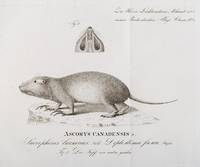
183629342AB1836. Erste Ausgabe. Zwei Abhandlungen. Berlin Druckerei der Königlichen Akademie der Wissenschaften zu Berlin 1836-1838. Quarto 22 cm x 26.5 cm. 12 Seiten Seiten 14 - 21 des Jahrgangsbandes 1822-1823 plus eine sehr dekorative lithographische Tafel im Anhang der Abhandlung zu den Backentaschen Ascomys Canadensis. Beide Ausgaben in moderner Broschur mit eingebundener Originalabhandlung. Sehr guter Zustand. Es handelt sich hier um die seltenen originalen Erstausgaben der Publikationen. Extrahiert aus dem Sammelband der Abhandlungen der Königlichen Akademie der Wissenschaften zu Berlin. Der originalen Publikation wurde eine Replika des Reihentitels vorgebunden. Abhandlungen der Königlichen Akademie der Wissenschaften zu Berlin. Aus dem Jahre 1836. Martin Hinrich Carl Lichtenstein auch Martin Heinrich oder Karl 10. Januar 1780 in Hamburg; 2. September 1857 auf See zwischen Korsör und Kiel beerdigt in Kiel war ein deutscher Arzt Forscher Botaniker und Zoologe Sohn des Zoologen und Bibliothekars Anton August Heinrich Lichtenstein. Er war der erste Direktor des Berliner Zoologischen Gartens. Hinrich Lichtenstein studierte in Jena und Helmstedt Medizin und promovierte 1802 zum Dr. med. bevor er zwischen 1802 und 1806 nach Südafrika reiste wo er der Leibarzt des Gouverneurs vom Kap der Guten Hoffnung wurde. 1810 gründete er das Zoologische Museum in Berlin. Er war 1811 der erste Professor auf dem Lehrstuhl für Zoologie an der Universität zu Berlin zu deren Rektor er in den Jahren 1820/21 1826/27 und 1840/41 ernannt wurde. 1813 wurde er Direktor des Zoologischen Museums in Berlin war von 1813 bis 1857 Mitglied der Königlich-Preußischen Akademie der Wissenschaften sowie 18181857 Mitglied der Deutschen Akademie der Naturforscher Leopoldina. Lichtenstein war Initiator und erster Direktor des Zoologischen Garten Berlins und überredete 1841 Friedrich Wilhelm IV. von Preußen nicht nur ein Darlehen sondern auch einen Teil des Geländes seiner Fasanerie am Berliner Tiergarten für die Errichtung des Zoos unentgeltlich zur Verfügung zu stellen. Dazu verfasste Lichtenstein bereits 1840 ein Memorandum an den König. Der Text dieser Denkschrift ist seit 1877 verloren. Sicher ist jedoch dass Alexander von Humboldt sie König Friedrich Wilhelm IV. vorlegte der mit einer daraufhin erlassenen Allerhöchsten Kabinettsordre vom 31. Januar 1841 die Gründung des Zoologischen Gartens ermöglichte. Lichtenstein war musikalisch interessiert und begabt. In seiner frühesten Jugend erhielt er Musikunterricht von Carl Philipp Emanuel Bach der den Knaben auf den Schooß nahm weil dieser zu klein war bequem die Tasten zu erreichen. Als Mitglied der Sing-Akademie zu Berlin wirkte er als Stimmvorsteher und damit Mitglied des Vorstandes unter den Direktoren Carl Friedrich Zelter und Carl Friedrich Rungenhagen. Am 28. April 1812 wurde er in die auf 24 Männer begrenzte Zeltersche Liedertafel aufgenommen die aus den Reihen der Sing-Akademie gebildet wurde.3 Dort übte Lichtenstein von 1813 bis 1818 das Amt des Tafelmeisters aus. Zum 50. Jahrestag der Gründung der Sing-Akademie zu Berlin verfasste er 1841 eine umfassende Festschrift. Er war enger Freund von Carl Maria von Weber. Nach dessen Tod vermittelte er 1826 zusammen mit dem Bankier Wilhelm Beer für die Witwe Caroline von Weber den Verkauf der Partitur des Oberon an den Berliner Musikverleger Adolf Martin Schlesinger. Als Vormund zusammen mit Carl Theodor Winkler beteiligte er sich an der Erziehung von Webers verwaisten Söhnen Max Maria und Alexander. Im Jahr 1838 wurde er vom Preußischen Ministerium der geistlichen Unterrichts- und Medizinalangelegenheiten zum Vorsitzenden des neu gegründeten Musikalischen Sachverständigenvereins berufen. Dieses Gremium hatte eine gutachterliche Funktion und wurde auf Verlangen der Preußischen Gerichte tätig. Insbesondere sollten die Sachverständigen entscheiden ob eine Komposition die sich an ein bereits veröffentlichtes Werk anlehnt als eine eigentümliche Komposition erlaubt oder als Nachdruck verboten sein sollte. Darüber hinaus war er seit 1811 Mitglied der renommierten Gesetzlosen Gesellschaft zu Berlin. 1816 trat er dem Montagsklub in Berlin bei und war dort seit 1851 bis zu seinem Tode der 10. Senior. Aufgrund seiner Verdienste wurde Lichtenstein zum Dr. phil. h.c. sowie zum Geheimen Medizinalrat ernannt. Ihm zu Ehren wurden die Lichtenstein-Antilope Alcelaphus lichtensteinii und 1867 die zum Zoologischen Garten führende Lichtensteinallee danach auch die Lichtensteinbrücke in Berlin-Tiergarten benannt. Wikipedia unknown
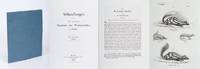
183629317AB1836. Erste Ausgabe. Berlin Druckerei der Königlichen Akademie der Wissenschaften zu Berlin 1836-1838. Quarto 23.2 cm x 28.5 cm. 64 Seiten plus zwei lithographische Tafeln im Anhang die Stinkthiere zeigen Mephitis Zorrilla und Mephitis interrupta mit Unterarten nach Buffon und Catesby. Paginiereung zu Beginn der Abhandlung falsch Seiten 249 - 313 des Jahrgangsbandes 1836. Moderne Broschur mit eingebundener Originalabhandlung. Sehr guter Zustand. Es handelt sich hier um die seltene originale Erstausgabe der Publikation. Extrahiert aus dem Sammelband der Abhandlungen der Königlichen Akademie der Wissenschaften zu Berlin. Der originalen Publikation wurde eine Replika des Reihentitels vorgebunden. Abhandlungen der Königlichen Akademie der Wissenschaften zu Berlin. Aus dem Jahre 1836. Das englische Wort Stinktier hat zwei Wurzel Worte von Algonkin und Irokesen Herkunft speziell seganku Abenaki und scangaresse Huron . Das Cree- und Ojibwe- Wort shee-gawk ist das Wurzelwort für Chicago was "Stinktierland" bedeutet. Alternative englische Namen für das gestreifte Stinktier sind gewöhnliches Stinktier Hudson-Stinktier Nord-Stinktier Schwarzschwanz-Stinktier und Prärie-Iltis. Der letztere Name wurde ursprünglich von englischen Siedlern verwendet die die Ähnlichkeit des Tieres mit dem europäischen Iltis feststellten . Diese Assoziation führte wahrscheinlich zu dem später ungünstigen Ruf des gestreiften Stinktiers als Geflügeldieb obwohl es ein viel weniger zerstörerisches Tier als der wahre Iltis ist. Der Name "Alaska Sable" wurde im späten 19. Jahrhundert von Kürschnern verwendet. Wikipedia The English word skunk Mephitis has two roots of Algonquin and Iroquois origins specifically seganku Abenaki and scangaresse Huron. The Cree and Ojibwe word shee-gawk is the root word for 'Chicago' which means "skunk land". Alternative English names for the striped skunk are common skunk Hudson skunk northern skunk black-tailed skunk and prairie polecat. The latter name was originally used by English settlers who noted the animal's resemblance to the European polecat. This association likely gave rise to the striped skunk's later unfavorable reputation as a poultry thief despite being a much less destructive animal than the true polecat. The name "Alaska Sable" was used by furriers in the late 19th century. Wikipedia Martin Hinrich Carl Lichtenstein auch Martin Heinrich oder Karl 10. Januar 1780 in Hamburg; 2. September 1857 auf See zwischen Korsör und Kiel beerdigt in Kiel war ein deutscher Arzt Forscher Botaniker und Zoologe Sohn des Zoologen und Bibliothekars Anton August Heinrich Lichtenstein. Er war der erste Direktor des Berliner Zoologischen Gartens. Hinrich Lichtenstein studierte in Jena und Helmstedt Medizin und promovierte 1802 zum Dr. med. bevor er zwischen 1802 und 1806 nach Südafrika reiste wo er der Leibarzt des Gouverneurs vom Kap der Guten Hoffnung wurde. 1810 gründete er das Zoologische Museum in Berlin. Er war 1811 der erste Professor auf dem Lehrstuhl für Zoologie an der Universität zu Berlin zu deren Rektor er in den Jahren 1820/21 1826/27 und 1840/41 ernannt wurde. 1813 wurde er Direktor des Zoologischen Museums in Berlin war von 1813 bis 1857 Mitglied der Königlich-Preußischen Akademie der Wissenschaften sowie 18181857 Mitglied der Deutschen Akademie der Naturforscher Leopoldina. Lichtenstein war Initiator und erster Direktor des Zoologischen Garten Berlins und überredete 1841 Friedrich Wilhelm IV. von Preußen nicht nur ein Darlehen sondern auch einen Teil des Geländes seiner Fasanerie am Berliner Tiergarten für die Errichtung des Zoos unentgeltlich zur Verfügung zu stellen. Dazu verfasste Lichtenstein bereits 1840 ein Memorandum an den König. Der Text dieser Denkschrift ist seit 1877 verloren. Sicher ist jedoch dass Alexander von Humboldt sie König Friedrich Wilhelm IV. vorlegte der mit einer daraufhin erlassenen Allerhöchsten Kabinettsordre vom 31. Januar 1841 die Gründung des Zoologischen Gartens ermöglichte. Lichtenstein war musikalisch interessiert und begabt. In seiner frühesten Jugend erhielt er Musikunterricht von Carl Philipp Emanuel Bach der den Knaben auf den Schooß nahm weil dieser zu klein war bequem die Tasten zu erreichen. Als Mitglied der Sing-Akademie zu Berlin wirkte er als Stimmvorsteher und damit Mitglied des Vorstandes unter den Direktoren Carl Friedrich Zelter und Carl Friedrich Rungenhagen. Am 28. April 1812 wurde er in die auf 24 Männer begrenzte Zeltersche Liedertafel aufgenommen die aus den Reihen der Sing-Akademie gebildet wurde.3 Dort übte Lichtenstein von 1813 bis 1818 das Amt des Tafelmeisters aus. Zum 50. Jahrestag der Gründung der Sing-Akademie zu Berlin verfasste er 1841 eine umfassende Festschrift. Er war enger Freund von Carl Maria von Weber. Nach dessen Tod vermittelte er 1826 zusammen mit dem Bankier Wilhelm Beer für die Witwe Caroline von Weber den Verkauf der Partitur des Oberon an den Berliner Musikverleger Adolf Martin Schlesinger. Als Vormund zusammen mit Carl Theodor Winkler beteiligte er sich an der Erziehung von Webers verwaisten Söhnen Max Maria und Alexander. Im Jahr 1838 wurde er vom Preußischen Ministerium der geistlichen Unterrichts- und Medizinalangelegenheiten zum Vorsitzenden des neu gegründeten Musikalischen Sachverständigenvereins berufen. Dieses Gremium hatte eine gutachterliche Funktion und wurde auf Verlangen der Preußischen Gerichte tätig. Insbesondere sollten die Sachverständigen entscheiden ob eine Komposition die sich an ein bereits veröffentlichtes Werk anlehnt als eine eigentümliche Komposition erlaubt oder als Nachdruck verboten sein sollte. Darüber hinaus war er seit 1811 Mitglied der renommierten Gesetzlosen Gesellschaft zu Berlin. 1816 trat er dem Montagsklub in Berlin bei und war dort seit 1851 bis zu seinem Tode der 10. Senior. Aufgrund seiner Verdienste wurde Lichtenstein zum Dr. phil. h.c. sowie zum Geheimen Medizinalrat ernannt. Ihm zu Ehren wurden die Lichtenstein-Antilope Alcelaphus lichtensteinii und 1867 die zum Zoologischen Garten führende Lichtensteinallee danach auch die Lichtensteinbrücke in Berlin-Tiergarten benannt. Wikipedia unknown
1874201243London: Macmillan 1874. Second Edition . Leather. Very Good. 8vo - over 7¾" - 9¾" tall. 1874-second edition-2 volumes in dark blue leather -riased bands gilt on covers-spine on volume i worn Vol1-289 pagesVol 2-259 pages numerous engravings in both volumesand overall a nice set. <br/> <br/> Macmillan hardcover
187411017London: Macmillan & Co 1874. 1st Edition. Hardcover. Very Good/No DJ. First Edition. DESCRIPTION: Complete two volume set in three quarter black leather binding with five ridge spine. Illustrated with an additional twelve portrait plates across both volumes. Language: English. Book Condition: Very Good: Very light wear to corners edges and spine ends. Lightly rubbed cloth with minor marks. Tightly bound with clean intact endpapers and strong hinges. Clean unmarked pages. Newspaper article from 1889 tipped in to front fly page regarding Lady Holland's death. DJ Condition: No DJ Pages 289 255. Size: 23cm by 15cm. Macmillan & Co hardcover
187470980London: Macmillan and Co. 1874. 8vo.Illustrated. First editions in two volumes bound by Root & Son. xvi 290; xi 255. Contemporary half blue morocco over light blue boards. Raised bands gilt decorations and lettering to spines; top edges gilt. Illustrations throughout. Boards clean with some rubbing to joints and corners. Bookplates to front pastedowns and some light foxing to frontis and title pages otherwise generally bright and clean internally. A sound set. The history of Holland House built in 1605. . Very Good. Half Morocco. First Editions. 1874. Macmillan and Co. 1874 unknown
187463885London: Macmillan and Co. 1874. Tall 8vo. In 2 volumes. xvi 289; xi 255. Contemporary dark green half morocco over marbled boards. Raised bands to spines with gilt panels and lettering. Top edges gilt. Marbled endpapers. Bound by Bumpus. Minor wear only. Armorial bookplate to front pastedowns. Boards clean. Internally clean. Full-page and in-text illustrations. . Very Good. Half Morocco. First Editions. 1874. Macmillan and Co. 1874 unknown
18741367820London: Macmillan and Co 1874. Second edition. Hardcover. Octavo; 2 volumes; G-; Hardcover; Spine brown with gold print raise bands; Boards 3/4 bound with brown leather to spine and corners and marbled paper to boards slight wear to spine caps and corners toning to spine else clean and strong; Text blocks have has gilt top edge marbled endpapers slight penciled note p. xiii v. 1 foxing to endpapers title pages and occasional foxing within else clean and tight; Illustrated with frontispieces and b&w plates some folded; 2 vols. xvi 289 pages ; xi 259 pages. <br /> <br /> Oversized books. Additional postage necessary for expedited/international orders. Economy International shipping unavailable due to size/weight restrictions. For international/expedited customers please inquire for rates. <br /> <br /> <p>NOTE: Shelved in Locked Annex Area ND-HV Column. 1367820. FP New Rockville Stock. Macmillan and Co hardcover
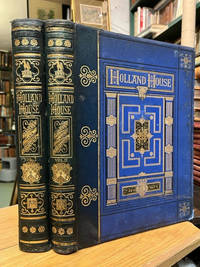
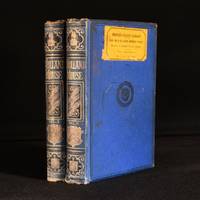
1874mon0000067741Macmillan 1874-01-01. Hardcover. Good. in x in x in. 1874 Two volume set with bold decorative cloth on blue boards very collectable Macmillan hardcover
1874111111113691MacMillan and Co 1874. Hardcover. Good. MacMillan and Co.; London 1874. Hardcover. Two Volume Set. A Good full leather binding with gilt lettering and gilt illustration on front board gilt lettering and gilt ornate design on spines cracked but holding hinges some handling/scuffing and small soiled spots to boards marbled text block edges and pastedowns/endpapers bookplate affirmed to front pastedown both Volumes Volume 1 spine label missing tear bottom spine both Volumes also causing leather to be partially detached from spine rubbing along board edges and joints ink gift inscription on prelim Volume 1 previous owner handwritten ink name on prelim Volume 2 abrasions to board corners some age toning to pages crease top front free endpaper corner tear and crease at fore-edge of contents page Volume 1 bit of scattered foxing to front and back matters without Dust wrapper. A good and overall clean set. 8vooctavo or approx. 6 x 9 inches. Vol.1 289pp. Vol.2 255pp. indexed fold outs b&w illustrations. We pack securely and ship daily with delivery confirmation on every book. The picture on the listing page is of the actual book for sale. Additional Scans are available for any item please inquire. MacMillan and Co hardcover
1874214672London: Macmillan 1874. Second. hardcover. very good. Numerous steel engravings and lithographs several fold out facsimlies. 2 volumes tall 8vo ornately gilt blue cloth top of spines repaired. London: Macmillan 1874. Second Edition. Very Good .<br/> <br/> Macmillan unknown
18740801420London: Macmillian & Co. 1874. 4to - over 9¾" - 12" tall. First Thus Used. H Three Quarter Leather. Very Good. two Volumes bound in three-quarter red leather over marbled boards decorative gilt spine details between raised bands endpapers marbled 4to 289 & 255pp. Light shelfwear and darkening to board edges and outer spine corners rubbed vintage name in ink. An strudy and attractive set. Macmillian & Co. hardcover
187497000Macmillan London. 1874. First edition. Macmillan London. 1874. TWO VOLUMES. . Blule cloth elaborately decorated in gilt and black. Frontis. with tissue guard and illustrated title-page each vol. further ills. internally. xvi 284 pages; 255 pages. Index. Both volumes: Boards a little rubbed and worn bookplate to front pastedowns contents clean overall a lovely set. Spine of volume 2 is a little dulled. hardcover
1875015015London: Macmillan 1875 Third edition. 8vo. Blue cloth binding highly decorated in gilt gilt titles and decorated spine. 370 pp. Steel plates lithographs and wood engravings throughout. Engraved frontispiece and engraved title. Restored by expert bookbinder. Very good. Macmillan hardcover
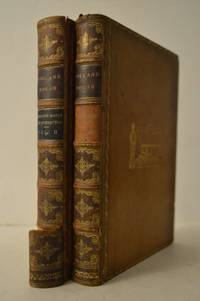
1874876M28London: Macmillan and Co. 1874. First edition. Cloth. Good. 9" by 6.5". Not Stated. A first edition two-volume set on the history and art collection of Holland House originally known as Cope Castle. The first edition of this two-volume set in the publisher's original cloth bindings with gilt detailing to the spines. Mudie's Select Library bookplate to the front boards. Bookplate to the front paste downs. Illustrated with a frontispiece and a title page vignette and numerous headpieces tailpieces and in-text illustrations to each volume. Volume I is illustrated with eight further plates and a folding facsimile plate. Volume II is illustrated with nine further plates and four folding facsimile plates. Collated complete. Princess Marie Henrietta Adelaide of Liechtenstein 1850-1878 was an English writer who was adopted by a nobleman and wed into the Princely House of Liechtenstein. This was her only work but she also translated German works into English. This volume details Holland House and its art collection and was relatively popular remaining an important source for the house's history. Holland House was an early Jacobean country house in Kensington London built in 1605 and later destroyed during the Blitz in 1940 with only the east wing and some ruins remaining. It was a Whig social centre during its heyday. Remarkably despite twenty-two bombs falling upon the house the library and many important volumes within survived. In the publisher's original cloth bindings. Externally sound with marks to the boards and shelf wear to the extremities. Mudie's Select Library bookplate to the front boards. Hinges to both volumes are strained with webbing showing but are holding reasonably firm. Pages are generally bright and clean with the occasional spot to Volume II. Good Macmillan and Co. hardcover
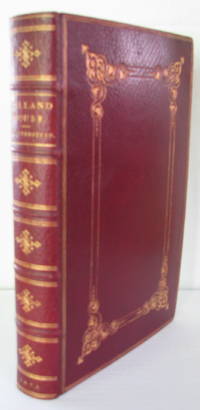
18756750London: Macmillan. Near Fine with No dust jacket as issued. 1875. Third Edition. Hardcover. London: Macmillan & Co. 1875. Third Edition complete in one volume. 8vo. xx370pp. Later full burgundy ribbed 6-panel spine gilt letters and ornament on spine and covers all edges gilt marbled endpapers early name bookplate on front pastedown. Bright near fine condition few plates and facing text slightly foxed. Frontispiece portrait of Henry Edward Fourth Lord Holland vignette portrait on title page of Mary Augusta Lady Holland 11 other full-page engravings and lithographs 88 wood engravings in text. ; 13 full-page and 88 in text illustrations; 8vo 8" - 9" tall; 390 pages . Macmillan hardcover