CollectifLivre Rare Book
6 résultats
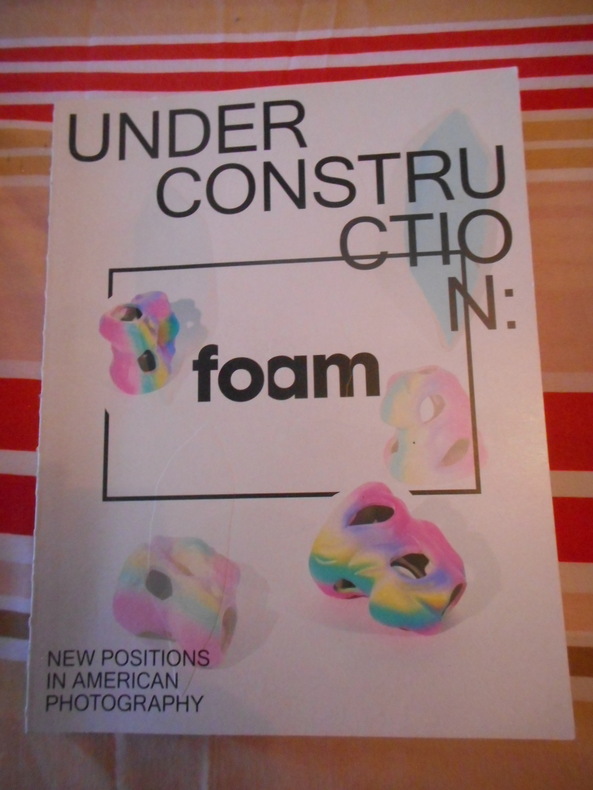
201449229FOAM magazine, 2014. Format 21x30 cm, 288 pages. Etat neuf.
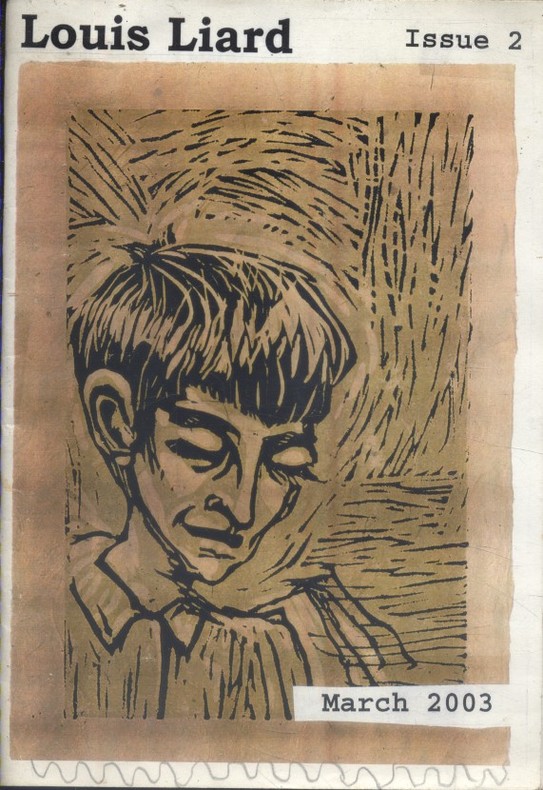
2003129429Couverture souple. Format A5. 48 pages. Photocopié.
2006LITT6020M2006, Harper Collins, New York. In-8, broché, 516pp. Texte en anglais
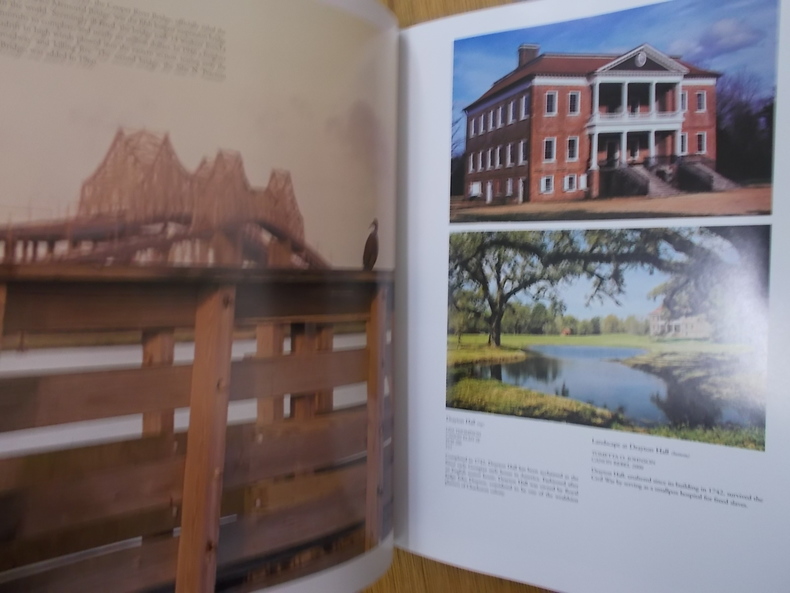
2002VOY288M2002 / 128 pages; Relié avec jaquette. Editions Twin Lights
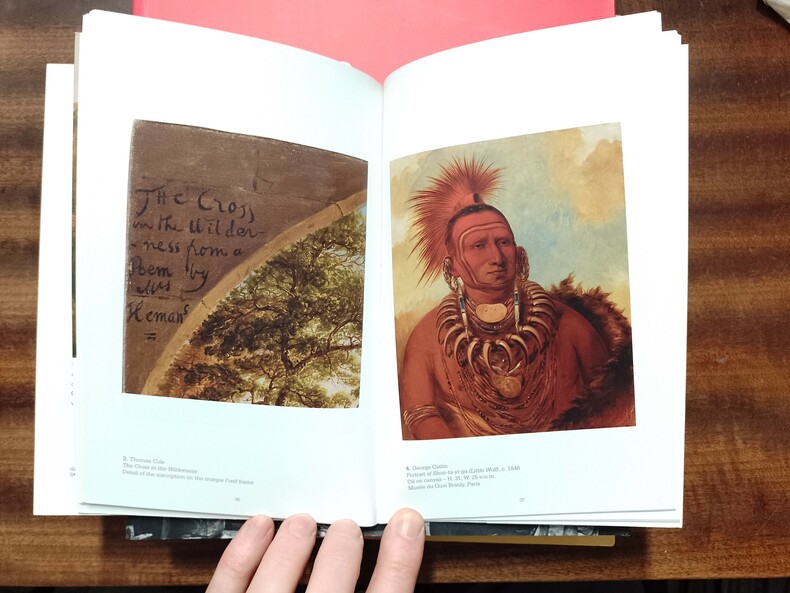
2011PEINTUREEE1360824Paris, Somogy Editions d'Art / Musée du Louvre Editions, "Solo", 2011, 14 x 21,5, 64 pages cousues sous couverture rempliée illustrée. Iconographie couleurs. "Cet ouvrage accompagne l'exposition présentée au musée du Louvre du 14 janvier au 16 avril 2012, puis à Bentonville et Atlanta. "Thomas Cole migre de l'Angleterre vers les Etats-Unis en 1819. Formé à l'Academy of Fine Arts de Philadelphie, il s'installe rapidement dans les Catskills, montagnes pittoresques au nord de New York. Autour de lui se forme une très importante génération de peintres paysagistes, regroupés sous le nom de Hudson River School. Egalement proche d'un cercle de poètes et d'écrivains, dont James Fennimore Cooper, ce mouvement a pour caractéristique la valorisation du spirituel dans la nature. "La Croix dans la contrée sauvage" fut peinte en 1845, représentation d'un Indien se recueillant sur une tombe au milieu d'une clairière avec les Catskills en perspective lointaine, vue à la fois puissante et mélancolique. Une inscription du peintre dans l'angle gauche du tableau renvoie à un poème de Dorothea Hermans, "The Cross in the wilderness". De la même époque date un texte dans lequel Thomas Cole expose sa conception théorique du paysage. La mort brutale du peintre en 1848 généra une exposition rétrospective la même année, exposition qui propulsa "La Croix dans la contrée sauvage" au rang de testament spirituel et pictural. Dès lors, le tableau eut une influence considérable sur la jeune école américaine de paysage."
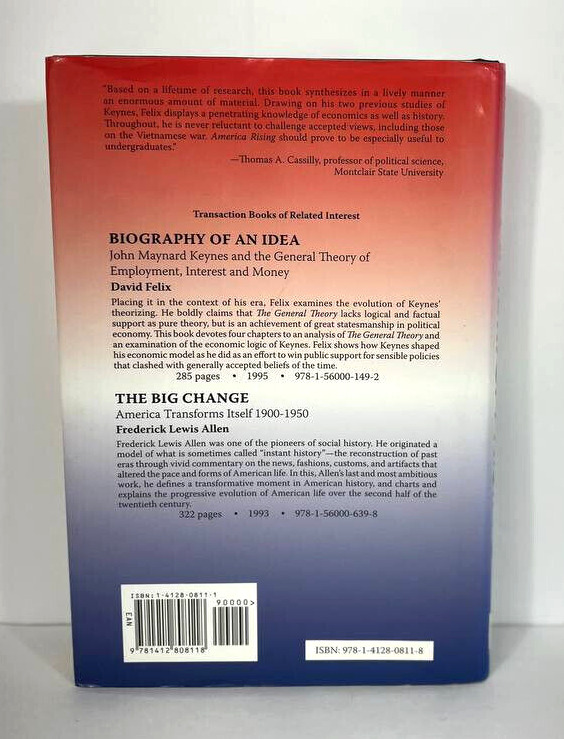
20090271New Brunswick (NJ), Transaction Publishers, 2009. First edition. Octavo, 235 x 160 mm, (xiii) 265 pp. Hardcover with dust jacket. "The United States became a great power in the last quarter of the nineteenth century and a superpower during World War II without quite knowing it. Few Americans fully appreciate the fact today. How many people know that in recent years we have had 250,000 troops in 700 bases around the world? Consider our recent history of military operations in the Caribbean, East Asia, the Far East, Middle East, Southeast Asia, Africa, and the Balkans. In America Rising, David Felix attempts to explain how and why America became a superpower by examining the political and economic factors that have driven its ascendance and their relationship throughout history. Felix begins with the dawn of America, showing how America amassed wealth and political power from the start through wars, assertions of economic might, and the creation of a cultural and philosophical base. The nation began with a political order, derived from our British origins, which enabled our pragmatic culture to take advantage of the vast wealth of a near-virgin continent. Political and economic freedom were paired, authority yielding to both freedoms. Our farmers and businessmen were dreamers, manufacturing realities out of those dreams. Felix's account then makes a point of neoclassical economics as an anvil on which to hammer out a sharper sense of the content of our existence. This book, which demonstrates the author's zest for historical analysis and great story-telling ability, points to the central fact of a rising America--the intensely energizing interaction between polity and economy. The United States is the greatest power in world history, but the rise of another great power, China, is beginning to be increasingly apparent. One trusts that, drawing upon its deep resources, America will remember its history and traditions and continue as a superpower." (Front and back flap)