19 492 résultats
195329163577021953, éditions André Martel, in-8 broché de 268 pages, dédicacé par l'auteur | Etat : Très bon état général, un peu piqué, mais ne nuisant pas à la lecture (Ref.: ref85007)
18665P., Arthaud, 1965, in 8° broché, 253 pages.
3873Toronto, Vancouver, Clarke, Irwin & Company Limited, (1974). In-8 carré (20,8 cm) (5) feuillets, 150 pages, illustré. Reliure toile bleue d’édition en très bel état. Jaquette illustrée, légèrement défraîchie aux plis et d’un petit manque de papier à la coiffe supérieure. Bel état intérieur.
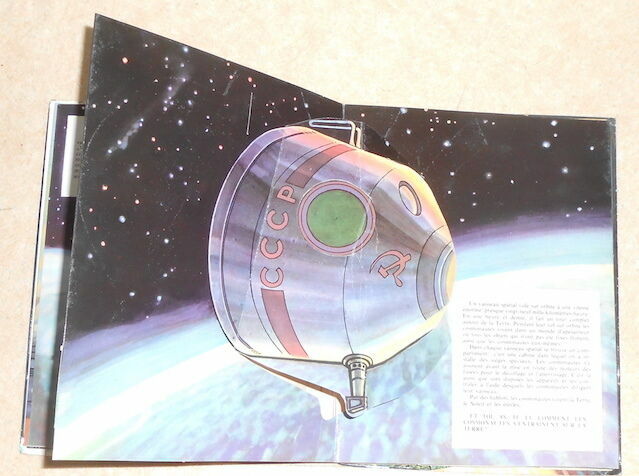
1981196891981. Moscou Éditions Malych 1981 - Broché 21 cm x 27 cm 16 pages (non paginé) - Texte de V. Sévastianov ills de A. Beslik trad. de Corinne Mauzac - Bon état
R150145579CHEZ L AUTEUR.. Non daté. In-Folio. Broché. Etat d'usage, Couv. légèrement passée, Dos satisfaisant, Fortes mouillures. 36 pages environ. Non paginé. Album complet avec toutes les images. Tache sur le dernier plat de couverture et les deux dernières pages de l'ouvrage.. . . . Classification Dewey : 629.1-Aviation
CHEZ L AUTEUR.. Non daté. In-Folio Carré. Broché. Etat d'usage. Couv. légèrement passée. Dos satisfaisant. Fortes mouillures. 36 pages environ. Non paginé. Album complet avec toutes les images. Tache sur le dernier plat de couverture et les deux dernières pages de l'ouvrage.
1918000220U.S. Army 1918. Owner's name in ink top of front cover. Contains entries from 8/6/18 to 9/18/18 at Post Field Ft. Sill Oklahoma. While at Ft. Sill this 2nd Lieutenant from Kansas worked on reconnaissance infantry contact puff target sketching railroad yards machine gun proficiency. He then transferred to the School of Aerial Gunnery at Selfride Field Michigan from 9/30/18 to 10/19/18. All courses are listed with hours spent grading signed by instructors. Laid-in are orders to report to Selfride Field and a letter dated October 19 1918 naming the log's owner as being now rated as an Aerial Observer. A fine piece of aviation ephemera from the Great War. We find only one other similar pilot's log for sale at this time. Tan Cloth. Minor Edge Wear and Soiling. Square Octavo. U.S. Army Hardcover
1918000220U.S. Army 1918. Owner's name in ink top of front cover. Contains entries from 8/6/18 to 9/18/18 at Post Field Ft. Sill Oklahoma. While at Ft. Sill this 2nd Lieutenant from Kansas worked on reconnaissance infantry contact puff target sketching railroad yards machine gun proficiency. He then transferred to the School of Aerial Gunnery at Selfride Field Michigan from 9/30/18 to 10/19/18. All courses are listed with hours spent grading signed by instructors. Laid-in are orders to report to Selfride Field and a letter dated October 19 1918 naming the log's owner as being now rated as an Aerial Observer. A fine piece of aviation ephemera from the Great War. We find only one other similar pilot's log for sale at this time. Tan Cloth. Minor Edge Wear and Soiling. Square Octavo. U.S. Army Hardcover books
SKU1036496Chief of Naval Operations Washington DC. PAPERBACK. Good. B001J4UXCG Minor wear to the covers. Clean has a good binding no marks or notations. 263 pages. Chief of Naval Operations, Washington, DC paperback books
20172307593New York: Skyhorse Publishing 2017. Soft Cover. Very Good. Lightly rubbed. 2017 Soft Cover. The Federal Aviation Administration Skyhorse Publishing paperback books
194544473Washington DC: Aviation Training Division 1945. good. Ringbound illus. some in color diagrams fold-out chart covers somwehat worn and soiled. This handbook was issued at the tail end of the Second World War and reflects training and operational practice of the time. This is an excellent resource for museums restoration use and re-enactors/collectors. Aviation Training Division unknown
194353652Annapolis MD: U.S. Naval Institute 1943. First Edition. First Printing. fair to good fair. 160 illus. index lesson plans some wear and soiling to DJ: tear in front DJ and a few small pieces missing stains inside boards. Stains to a few pages. One of a series of Naval Aviation Physical Training Manuals. This important physical education work provides snapshot of practice during World War II. U.S. Naval Institute hardcover
200144493Washington DC: GPO 2001. very good. 681 wraps illus. figures. In the aftermath of September 11th these hearings considered ways to improve aviation security for the travelling public. GPO paperback
197891243Washington DC: U.S. Government Printing Office 1978. Presumed First Edition First Printing. Wraps. Very good. iii 1 270 2 pages.Footnotes. Illustrations. The back page has a minor corner crease. Among the witnesses were Alan Lovelace Robert Loewy F. Allen Cleveland Jan Roskam and Stanely Green. The hearing addressed a key question "What research must the U.S. pursue now to meet tomorrow's challenges' At NASA Aeronautics is the study of the science of flight. Aeronautics is the method of designing an airplane or other flying machine. There are four basic areas that aeronautical engineers must understand in order to be able to design planes. To design a plane engineers must understand all of these elements. Design Process: 1 Aerodynamics. is the study of how air flows around the airplane. By studying the way air flows around the plane the engineers can define the shape of the plane. The wings the tail and the main body or fuselage of the plane all affect the way the air will move around the plane. 2. Propulsion. is the study of how to design an engine that will provide the thrust that is needed for a plane to take off and fly through the air. The engine provides the power for the airplane. The study of propulsion is what leads the the engineers determine the right kind of engine and the right amount of power that a plane will need. 3. Materials and Structures. is the study of what materials are to be used on the plane and in the engine and how those materials make the plane strong enough to fly effectively. The choice of materials that are used to make the fuselage wings tail and engine will affect the strength and stability of the plane. Many airplane materials are now made out of composites materials that are stronger than most metals and are lightweight. 4. Stability and Control. is the study of how to control the speed direction altitude and other conditions that affect how a plane flies. The engineers design the controls that are needed in order to fly and instruments are provided for the pilot in the cockpit of the plane. The pilot uses these instruments to control the stability of the plane during flight. U.S. Government Printing Office paperback
198291244Washington DC: U.S. Government Printing Office 1982. Presumed First Edition First Printing. Wraps. Very good. iv 191 1 pages. Among the witnesses include: Neil Armstrong Ronald Mottl Mary Rose Oakar Donald J. Pease J. R. Steiner F. A. Cleveland Rodger Schaufele Maurice Shank Thomas Donohus and Guyford Stever. Includes a statement of Congressman Bob Shamansky. NASA's origins trace back to 1915 with the National Advisory Committee for Aeronautics which soon established its people and facilities as the world's leading home for aeronautics research. Today every U.S. commercial aircraft and air traffic control facility incorporates NASA-developed technology. That heritage continues at NASA where the first "A" stands for Aeronautics and the efforts to explore the frontiers of flight and transform aviation for the 21st century are managed by the agency's Aeronautics Research Mission Directorate ARMD. At NASA Aeronautics is the study of the science of flight. Aeronautics is the method of designing an airplane or other flying machine. There are four basic areas that aeronautical engineers must understand in order to be able to design planes. To design a plane engineers must understand all of these elements. Design Process: 1 Aerodynamics. is the study of how air flows around the airplane. By studying the way air flows around the plane the engineers can define the shape of the plane. The wings the tail and the main body or fuselage of the plane all affect the way the air will move around the plane. 2. Propulsion. is the study of how to design an engine that will provide the thrust that is needed for a plane to take off and fly through the air. The engine provides the power for the airplane. The study of propulsion is what leads the the engineers determine the right kind of engine and the right amount of power that a plane will need. 3. Materials and Structures. is the study of what materials are to be used on the plane and in the engine and how those materials make the plane strong enough to fly effectively. The choice of materials that are used to make the fuselage wings tail and engine will affect the strength and stability of the plane. Many airplane materials are now made out of composites materials that are stronger than most metals and are lightweight. 4. Stability and Control. is the study of how to control the speed direction altitude and other conditions that affect how a plane flies. The engineers design the controls that are needed in order to fly and instruments are provided for the pilot in the cockpit of the plane. The pilot uses these instruments to control the stability of the plane during flight. U.S. Government Printing Office paperback
199452258Place_Pub: Washington DC: GPO 1994. very good. 24 cm 78 wraps. The new GATT Subsidies Code disciplines unfair trade-distorting subsidies on the production and export of goods and protects cooperative research and development programs with industry from the potential challenge of foreign countries. GPO paperback
200551164Washington DC: GPO 2005. First Edition. First Printing. good. 216 wraps figures appendix. 108-69. This hearing focussed on the use of biometrics to improve aviation security and also to review some of the progress of instituting biometric standards with the Department of Homeland Security and other Federal agencies. GPO paperback
199720050U.S. Dept. of Transportation Federal Aviation Administration 1997. Paperback. Very Good. Spiral-bound softcover light shelfwear to covers. Contents clean and tight. 90 pages bibliography color and b&w photos and illus. U.S. Dept. of Transportation, Federal Aviation Administration paperback
2022SKU1737831Independently published 2022-12-22. paperback. New. 8x1x11. New Textbook Ships with Tracking Independently published paperback
2022x-1778268803stanfordpub.com 2022. Hardcover. New. 524 pages. 8.50x1.13x11.00 inches. stanfordpub.com hardcover
2022x-1778268811stanfordpub.com 2022. Paperback. New. 524 pages. 11.00x8.50x1.05 inches. stanfordpub.com paperback
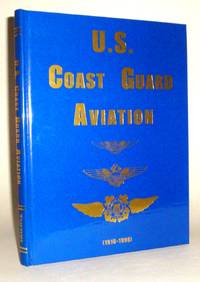
19975734Turner 1997. First Edition. Hardcover. Fine/No dust jacket. Paducah KY: Turner 1997 first edition. Glossy blue hardback in fine condition. No dust jacket probably none was issued for this book. 9.25 x 12.25 in. 168 pp. Detailed chronological history of Coast Guard aviation & brief biographies of more than 100 Coast Guard aviators. Turner hardcover
194049443Burbank California: Compiled and Published by the Lockheed Aircraft Corporation 1940. 1st Printing. Comb-bound with light blue paper covers lettered in dark blue. General wear & soiling to covers. Ownership stamps primarily to cover & prelims. A VG copy. Part I: Major Breakdowns Wings Controls Fuselage etc: Part II: Complete Aircraft Single Engine Twin Engine Multi-Engine; Part III: Miscellaneous comprised by 12 sections all together with divers paginations in each section. Profusely illustrated with drawings and from b/w photographs. 11" x 8-1/2" <br/><br/>From the preface regarding the publication of this book ". there has been but one purpose in view - to give the designer a collection of ideas in sketch form that will stimulate his own creative and inventive mind. It must be remembered that the ideas as sketched in this book should not be bodily lifted because by so doing the purpose of the book is defeated." Compiled and Published by the Lockheed Aircraft Corporation unknown books
19133Editions Aéronautiques Belges, 1945. 13 x 19, 38 pp., plusieurs illustrations, broché, état moyen bon état.
Madrid, Ediciones Cid, 1963. 4to.; 291 pp. Cubiertas originales.